Standardized @NEON_sci organismal data for biodiversity research; finally published for a long time. Hopefully it will be useful for the community. https://t.co/k9UOom2z37 Great team work with @record_lab @Antarctic_Bio @yyachung @majarzyna @MRHelmus @PLZarnetske and many others
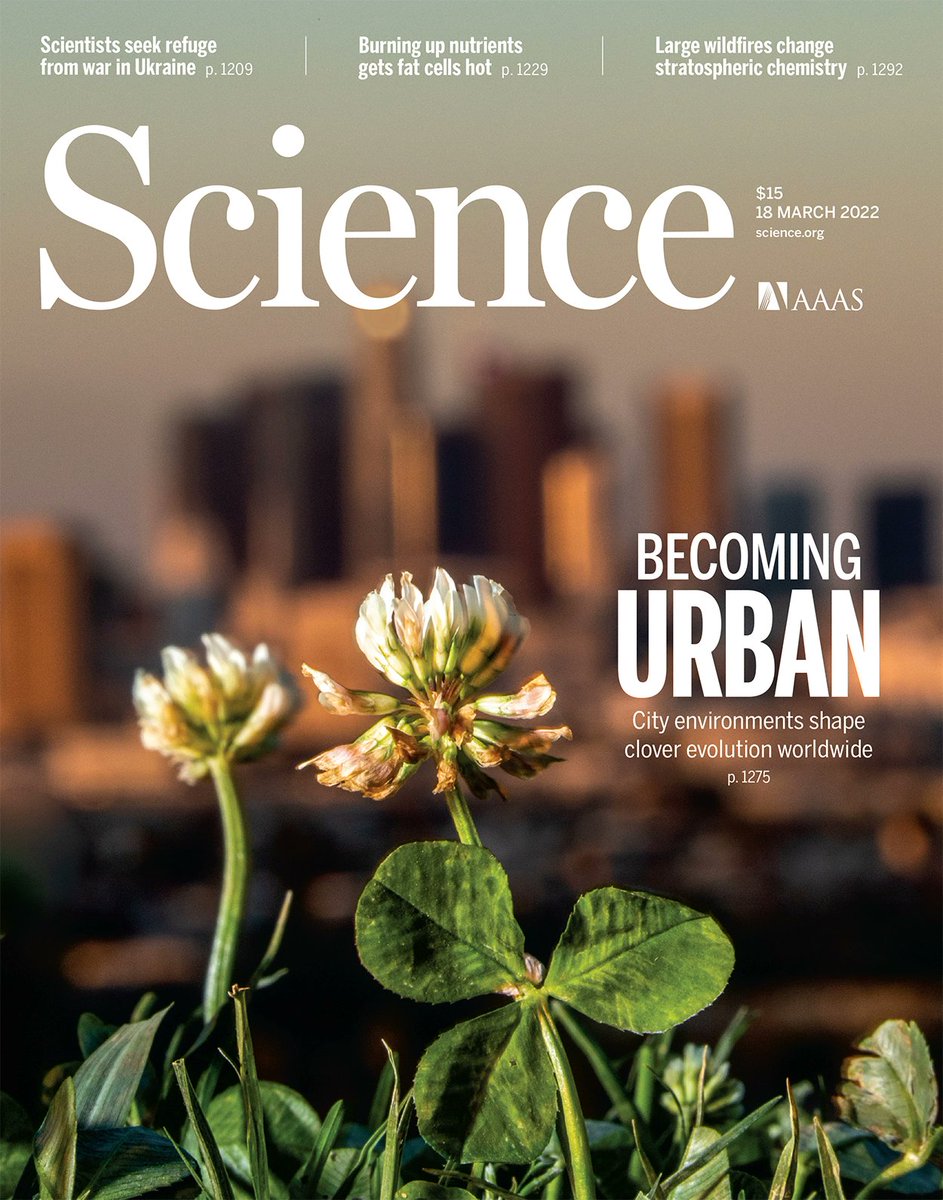
I was happy to have had the opportunity to participate in this very large project (160 cities). White clover repeatedly adapts to urban systems. The GLUE lead team demonstrated great communication skills throughout the process. #globalurbanevolution
1st paper of the #GlobalUrbanEvolution project came out today in @ScienceMagazine. How fitting to have clover on the cover for St. Paddy's Day 🍀☘️🍀☘️! We show that urbanization leads to similar enviro changes and repeated adaptation across the world https://t.co/aswYfBvq3A 1/8
New paper! 🔥 Co-authors and I investigate why annual forest-fire area burned increases exponentially with aridity in the western United States, using a new western US wildfire database that we compiled. 1/8 https://t.co/c48vaWCiQY
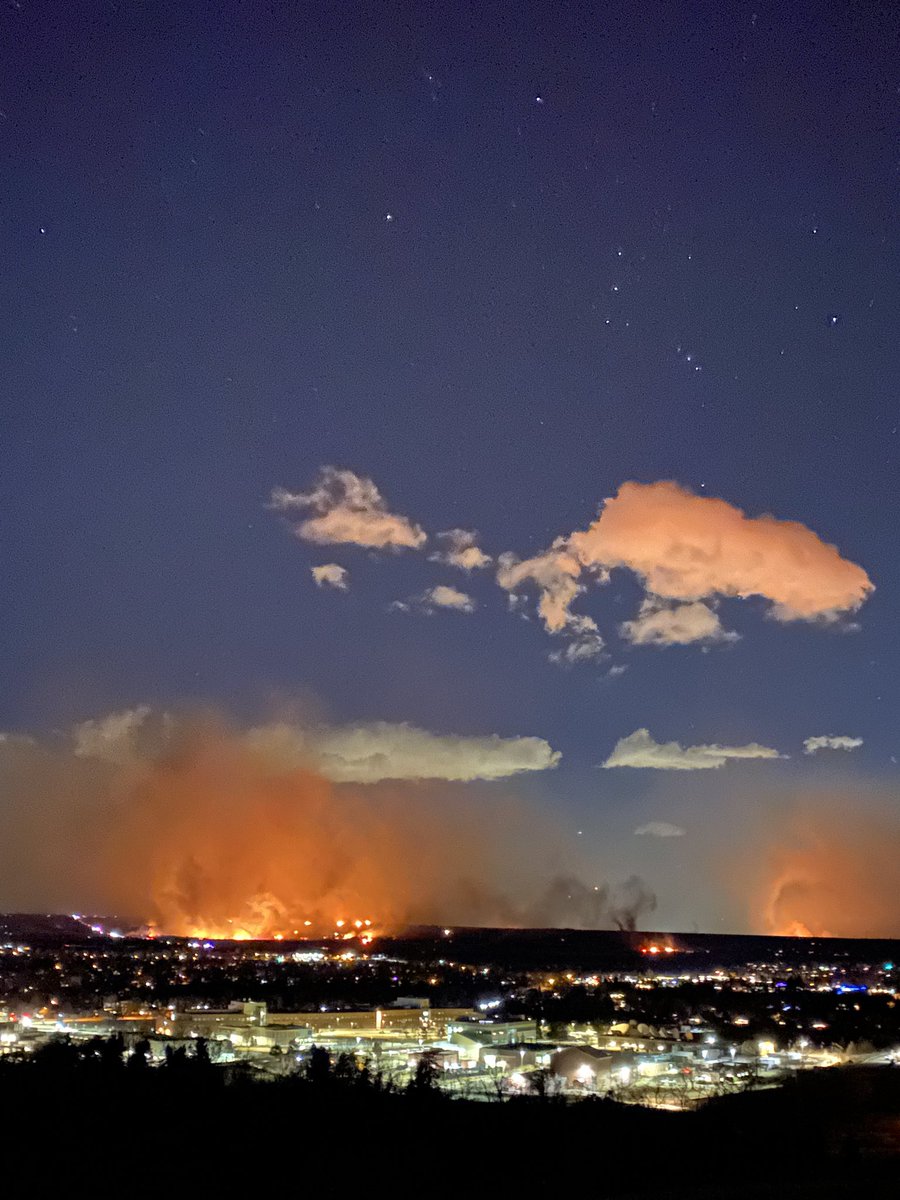
#marshallfire view from the western side, looking past NIST. So sorry for those who lost a home today. I’m a fire scientist who’s studied wildfires for 20 years. #WinterWildfires are a sign that #climatechange is here and now. Hot fall & winter temperatures helped set the stage.
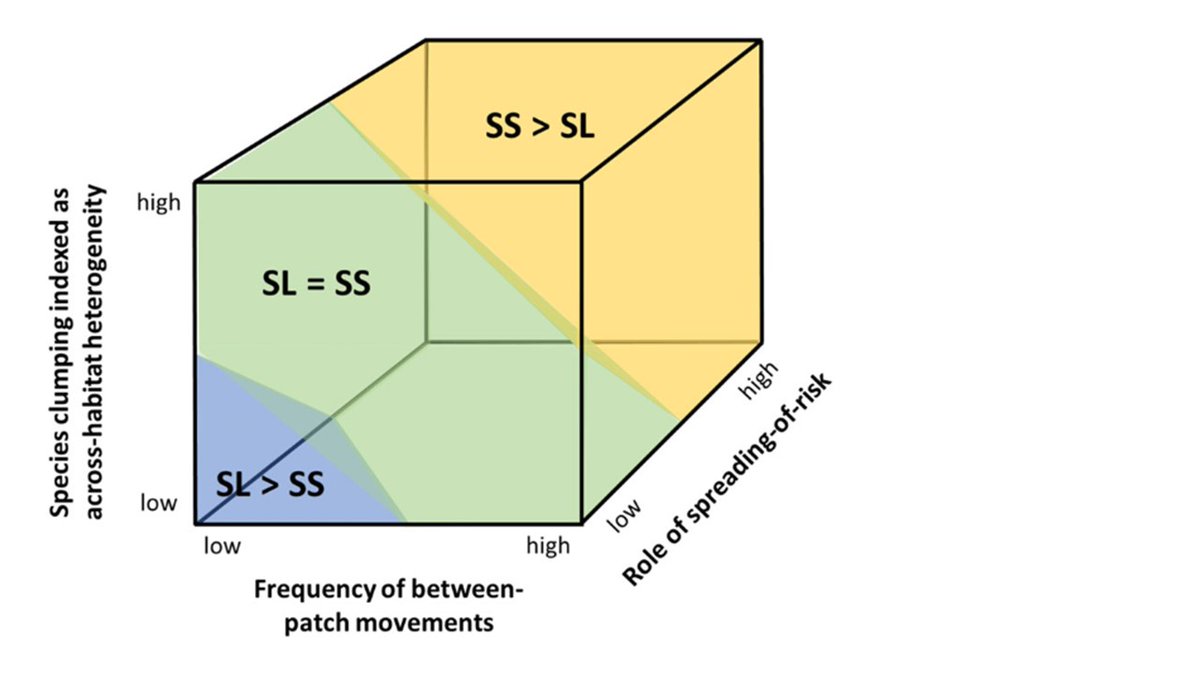
The SLOSS debate (do more species live in a single large or in several small patches with the same total area) has been a "hot topic" in ecology for quite a while. In a workshop @idiv led by Lenore Fahrig we propose a research agenda tackling this problem https://t.co/CusuxJYPVy
Great publication co-authored by SE CASC's Mitch Eaton AND 2013-14 #GlobalChange Fellow Michael Just. They helped facilitate engagement of a large number of stakeholders to develop a structured decision framework for establishing objectives for the GOM avian monitoring network.
Are you interested in lightning? Would you like some free global lightning density and stroke power data? Our new article and dataset are now published!
https://t.co/zXkoCtUmay
Just accepted: "Tire abrasion particles negatively affect plant growth even at low concentrations and alter soil biogeochemical cycling" in Soil Ecology Letters
and @JansenS_Lara@MichaelGJust @LaMontagneLab @DrEcoInfo and others! I learned a ton from this project. We also provided an #RStats data package `neonDivData` https://t.co/odV9hWMX3r Comments and feedbacks are more than welcome!
Thinking about using @NEON_sci data for biodiversity research but don't know where to start with? We get you covered with a brief 'road map' here! https://t.co/CihCg0QIGo A truly collaborative project! @record_lab @yyachung @MRHelmus @majarzyna @PLZarnetske @norman_kari
Is there a better keyword(s) than crop, when searching for literature that reports bird species crop sizes? Seems like I'm mostly getting results for the agricultural crops they may be eating. #crop#croup#gullet#ecology
Our new paper led by Sarah Cusser and with @ShaleneJha shows that butterflies and flies increase pollinator visitation space on cotton by 50%. This pollination is worth $120M/yr in Texas alone. Butterflies can be important pollinators! https://t.co/a2JcP4QcSu
Western Monarch New Year’s Count confirms continued decline in migratory monarch population in California—just over 1,000 monarchs at nearly 150 sites visited. Our latest blog explains more about the count and the implications of the results.
https://t.co/30e55bRfq6
We've been investigating the mysterious bumpy bark of beech with @scissorsrunning lately, but here's some bumps on bark that's no mystery: gloomy scale. Urban maples, beware. Great work Dr. Just, @adamGdale@EcoIPM@drdavecoyle
https://t.co/SQbdea3Qmw