pdated meta-analysis of LAAC vs AC: poten ally increased ischemic stroke with LAAC although the overall risk remains low in contemporary prac ce @AnneBCurtis@MihailChelu@CaiqueTernesMD#Epeeps
https://t.co/qreU1dV60I
Getting it wrong for many decades.
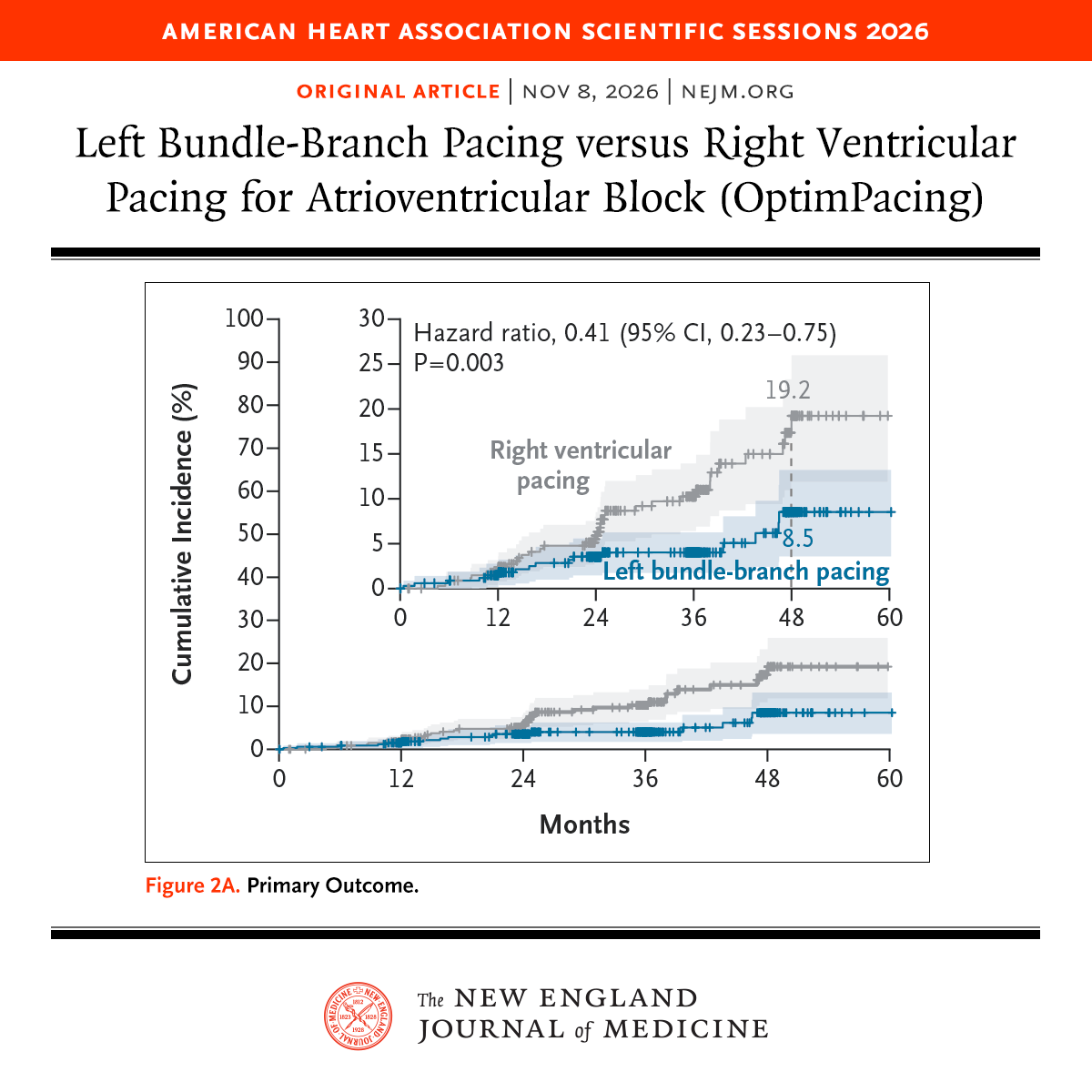
Since the 1950's, pacemaker leads have been placed in the right ventricle. A new randomized trial challenging that dogma found marked superiority of outcomes for pacing from the left bundle branch. https://t.co/DzMUaStZjS
#ConductionSystemPacing is safe and feasible in children. First large, international multicenter registry with mid-term follow-up (24 months) focused on the pediatric population, which can also benefit from physiological pacing https://t.co/sQKiFnMAdN
#LBBAP#EPeeps
Original Article: Left Bundle-Branch Pacing versus Right Ventricular Pacing for Atrioventricular Block (OptimPacing trial) https://t.co/wqlltlNIyv
#ScientificSessions26 | @AHAScience
Presented at #ScientificSessions26:
In patients with atrioventricular block, left bundle-branch pacing resulted in a lower incidence of a composite of death, hospitalization for heart failure, or pacing-induced cardiomyopathy than right ventricular pacing. Full OptimPacing trial results: https://t.co/Fg0lv9xcka
@AHAScience
La electrofisiología de Latinoamérica se reúne en la Ciudad de México 🫀
Del 18 al 20 de noviembre vive el Congreso Internacional LAHRS – SOMEEC 2026 en el Hilton Reforma: tres días de ciencia, casos en vivo y expertos de todo el mundo
#LAHRS2026
https://t.co/YcP4TGA3OY
NEK7 activates the NLRP3 inflammasome in atrial cardiomyocytes and contributes to postoperative AF, constituting a potential therapeutic target for AF @naliphd#Epeeps
https://t.co/uOO0db7YMX
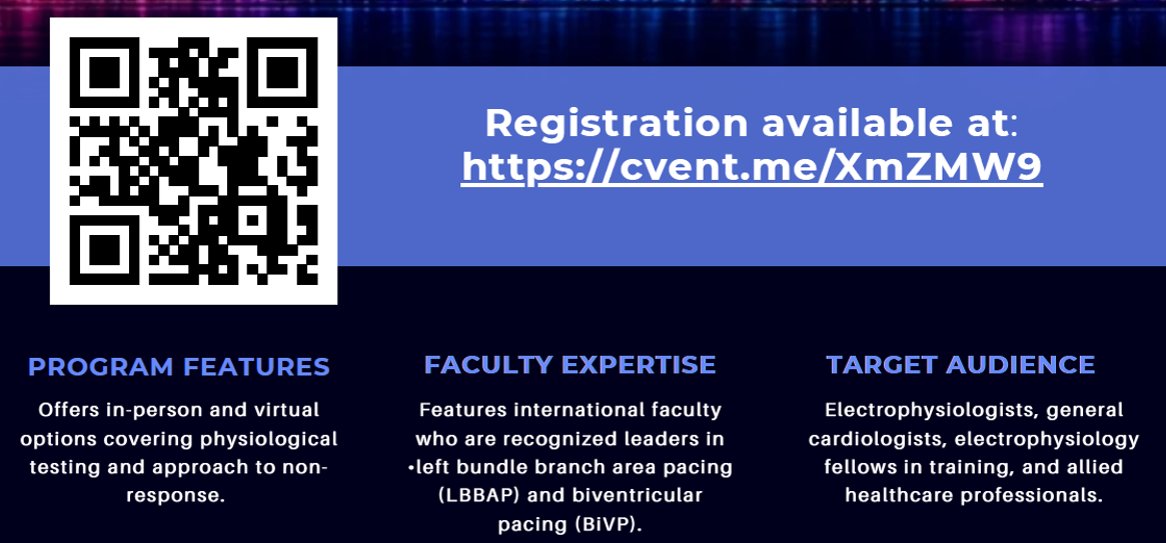
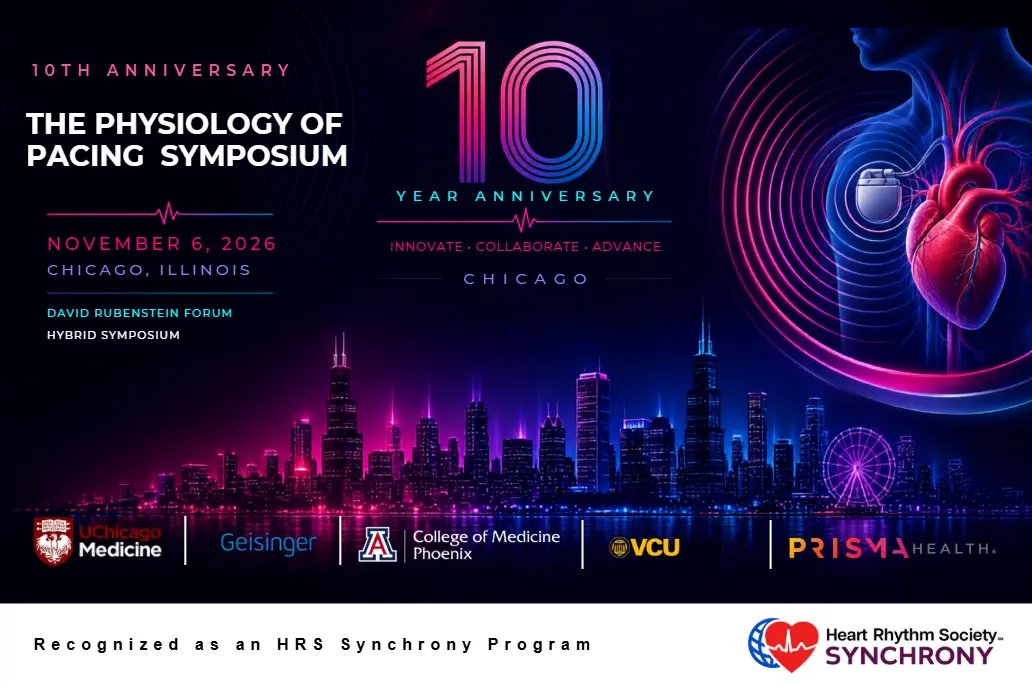
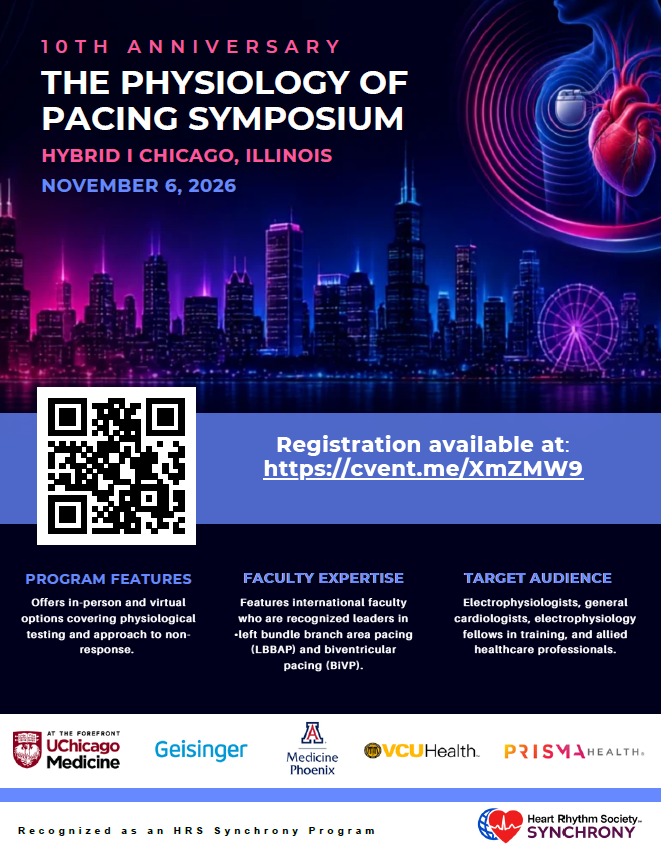
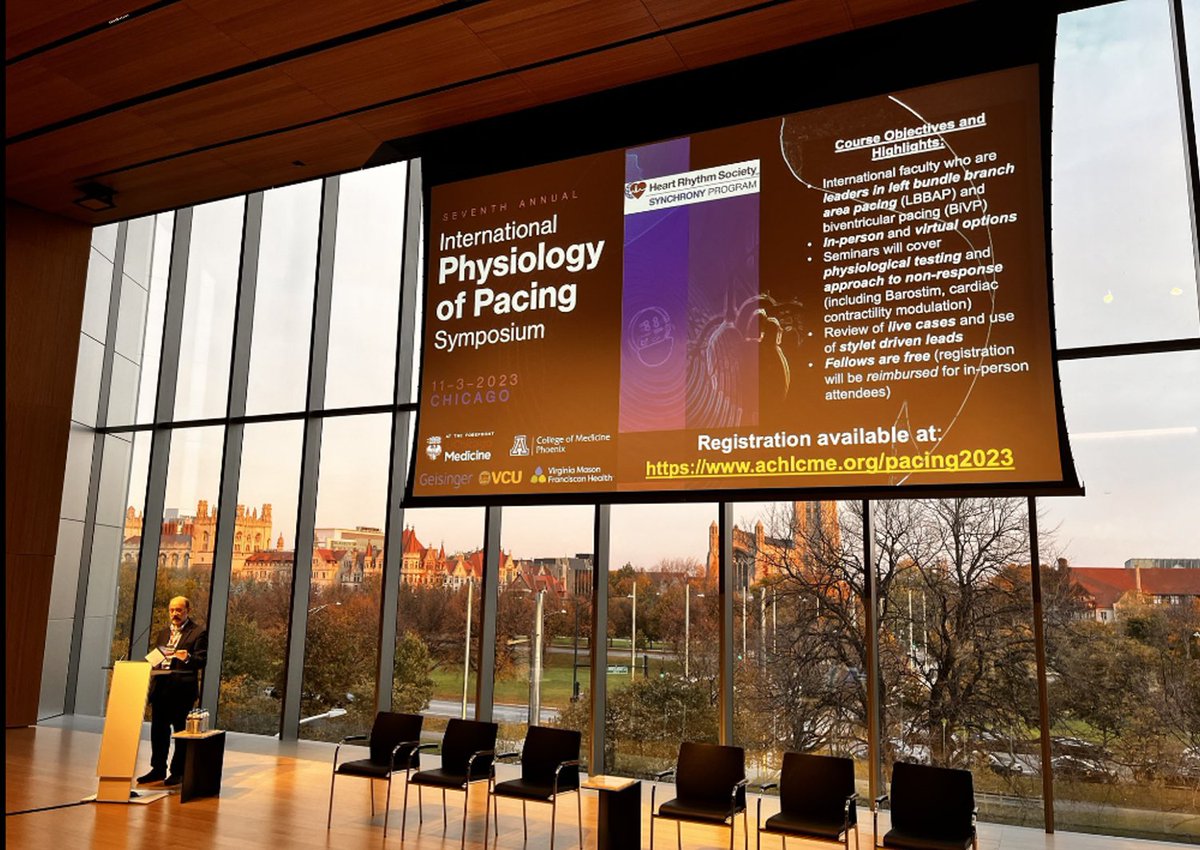
The 10th Annual Physiology of Pacing Symposium (#PPS10) is right around the corner! Reminder to fellows to submit their science (300 word abstract, up to 2 figures) for our abstract competition by October 1, 2026 to [email protected].
https://t.co/wYr9QXzm54
Celebrating 10y🎖️at the forefront of Conduction System Pacing
Nov 6
• Live procedural broadcasts
• Breakthrough clinical trial data
• Actionable strategies for CSP implementation
Don’t miss this milestone event! https://t.co/w7UOYl4EMm
@gauravaupadhyay@DrRoderickTung
Excited to share our newest publication in @JACCJournals from Chelu & @naliphd Labs!
👏Congrats to Tingting Li for leading this work!
We show LMNA deficiency causes progressive AV block, with SK3 dysfunction as a novel mechanism and therapeutic target.
https://t.co/z88maVE5QR
Enrollment in HIS-CRT is complete!
This milestone would not have been possible without the dedication of our site investigators, study coordinators, and most importantly, the participants.
#HISCRT#ClinicalTrials#Cardiology#HeartFailure#ClinicalResearch
NEW EPISODE OF THE LEAD!
[Ep. 146] A Discussion of LEAP2: A First-In-Human Study of a Chronically-Implanted Novel Leadless Pacemaker for Conduction System Pacing
🎙️ Host: Christopher C Cheung, MD, MPH, FHRS (@ChrisCheungMD)
🎤 Guests: Derek Chew, MD, MS, FHRS (@derek_c1) and Mihail G. Chelu, MD, PhD, FHRS (@MihailChelu)
Listen on your preferred podcast platform
➡️
https://t.co/VXfAm8TCpL
#EPeeps #medpod #podcast #CardioTwitter #EPTwitter #PodcastAndChill
#HeartFailure (HF) affects more than 64 million individuals worldwide, and acute HF is associated with 1-year mortality rates of 23.6% in North America and Europe.
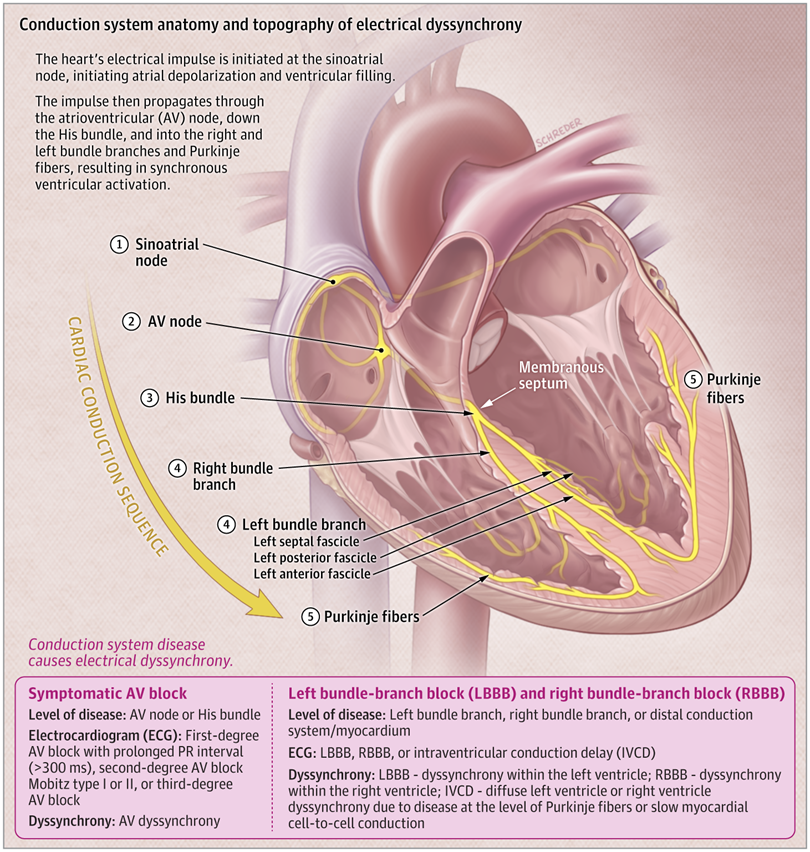
Cardiac resynchronization therapy restores synchronous ventricular activation in patients with HF, reduced LVEF, and left bundle-branch block, or in those requiring chronic ventricular pacing, and may improve LV function, decrease HF hospitalizations, and reduce mortality. 🧵
🔗 Learn more in this JAMA Review: https://t.co/HYZqQg8rzi