Team France captain Kylian Mbappé has condemned racist comments from a Paraguayan senator who called him a “colonised Cameroonian” after his penalty knocked Paraguay out of the World Cup. Mbappé hit back, calling Celeste Amarilla “a despicable woman.”
There is intense discussion in South Africa following the revelation that retail giant Mr Price Group's CEO, Mark Blair, receives total earnings that are 843 times higher than those of the company’s lowest-paid employees. Blair's total remuneration package is R52.6 million (US$3.2 million), whilst the lowest-earning employees – typically casual sales staff or entry-level retail workers – earned R63,000 (US$3,840) for the year.
Perhaps South Africa's xenophobic/Afrophobic mobs, so notorious for misdirecting their anger at struggling African migrant shopkeepers, will realise that the bigger threat to their livelihoods isn't the immigrant running the local spaza shop, but the system that allows a corporate executive to take home 843 times a worker's wage.
I met a schoolmate this week who is now a relief worker in northern Kenya.
He told me something fascinating; something that haunts me since then.
"Do you know how we measure severity of hunger in pastoral nomadic communities?
We count number of mothers who have died. The more mothers dying of hunger the greater the famine.
Among the pastoralists, the womenfolk are trained from infancy to repress hunger; while men are allowed to 'act on their hunger' by raiding a neighbours' cattle.
There is a piece of cloth women are given before marriage for tying their stomachs to gird themselves against hunger.
Girls and women are the last ones to eat - they only eat after the menfolk have finished eating.
Paradoxically, it is women who are least vulnerable to hunger by death. They are accustomed to extreme hunger and have devised various mechanisms for coping."
Wow !
The so-called "Aid Shock of 2025" was triggered by a massive US cut and shuttering of USAID, plus sharp belt tightening across the EU. But wait, Ukraine received more Official Development Assistance (ODA) - government aid designed to promote the economic development and welfare of developing countries – at $44.9 BILLION in 2025 than ALL of Africa combined, marking the FIRST TIME a single European nation has out-received the entire African continent in the modern era.
Iraq before the fall of Mosul in 2014 offers the closest comparison Nigeria’s corruption-fueled military breakdown…When 1,500 ISIS fighters routed 60,000 Iraqi soldiers, the collapse came not from lack of firepower but from corruption: the Iraqi military had roughly 50,000 ghost soldiers on its payroll, troops who existed only on paper so commanders could pocket their salaries. Nigeria faces the same problem. Leaked UK diplomatic cables found that of the 20,000 troops Nigeria claims to deploy in the northeast, the real number is significantly lower, with thousands of ghost soldiers generating salaries collected by officers. The corruption is not incidental; it is the system.
https://t.co/PjZyEsifph
With the largest global humanitarian crisis in Sudan and conflicts in a number of other IGAD countries, the ICRC has the largest assistance operation in our Region.
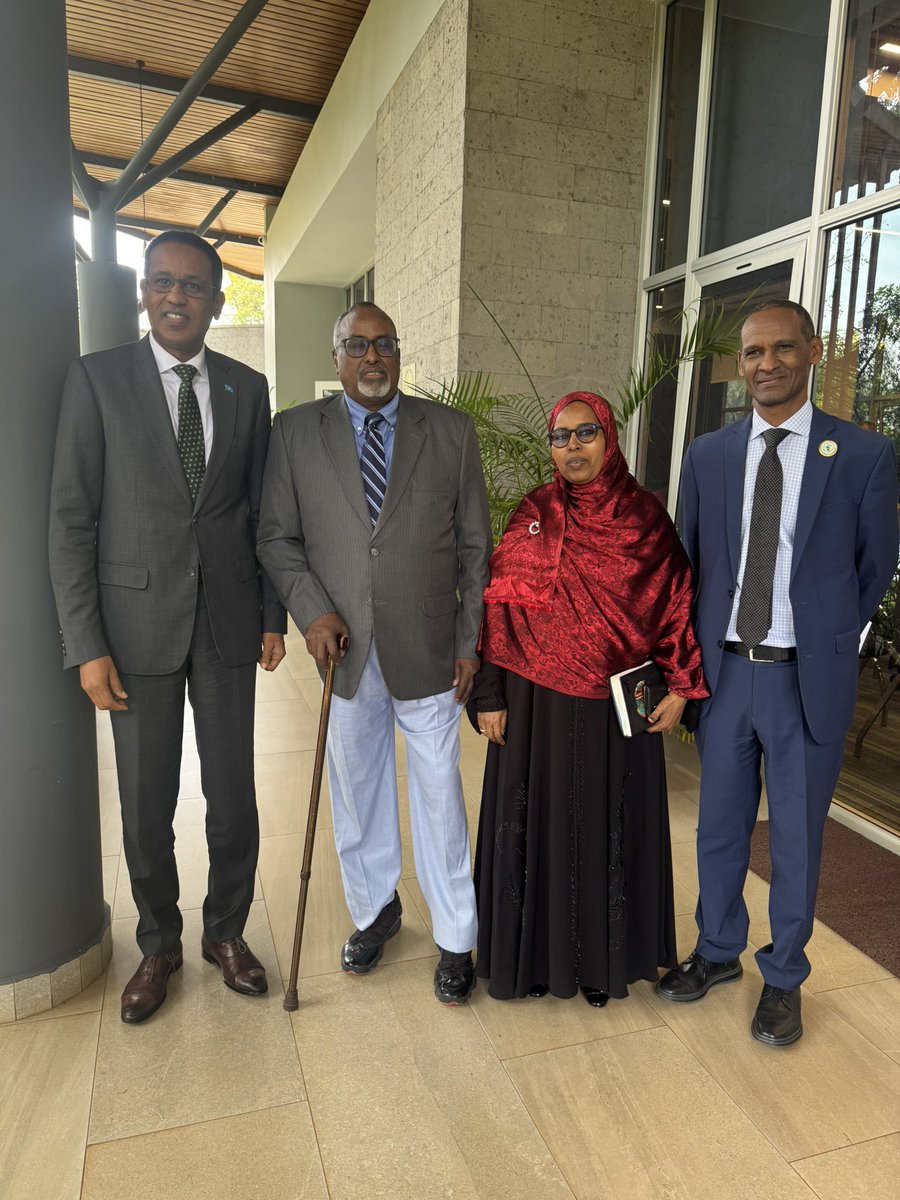
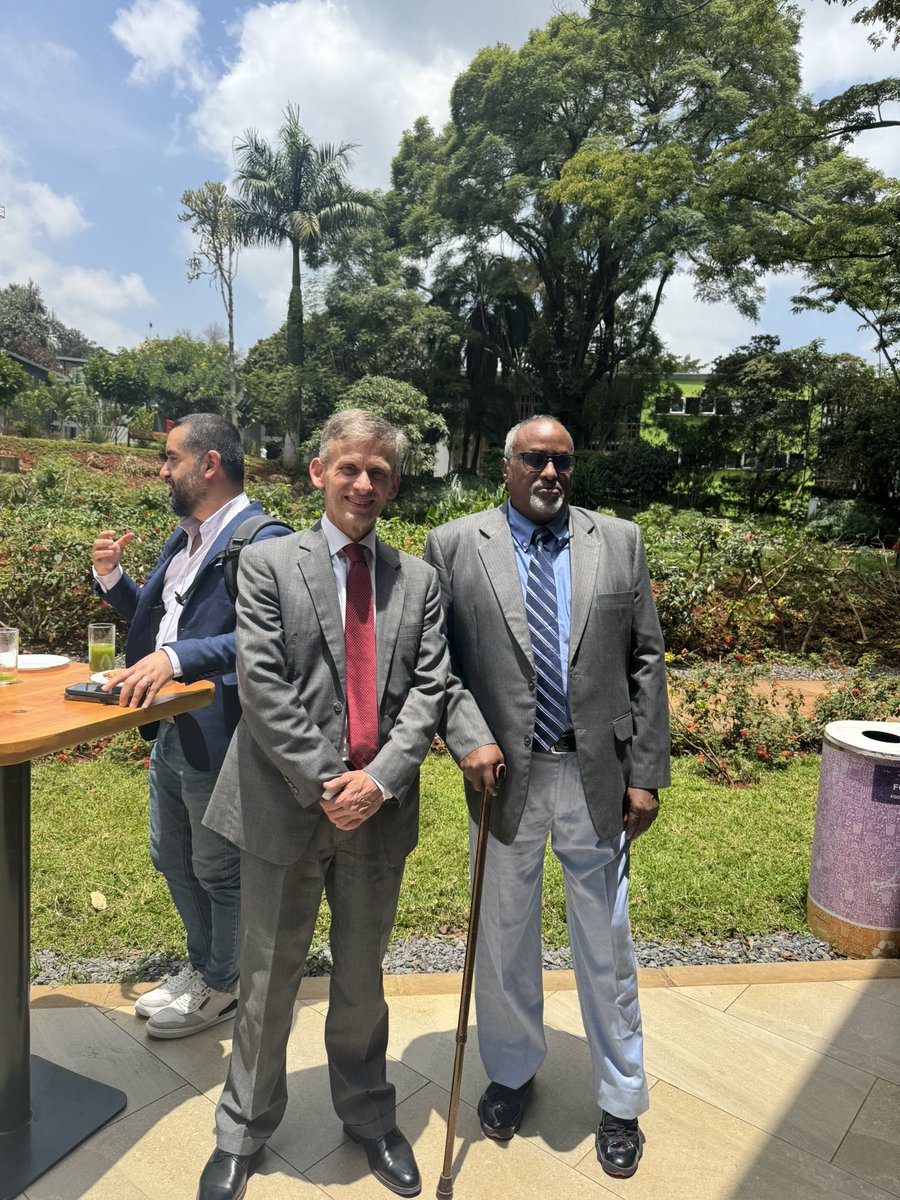
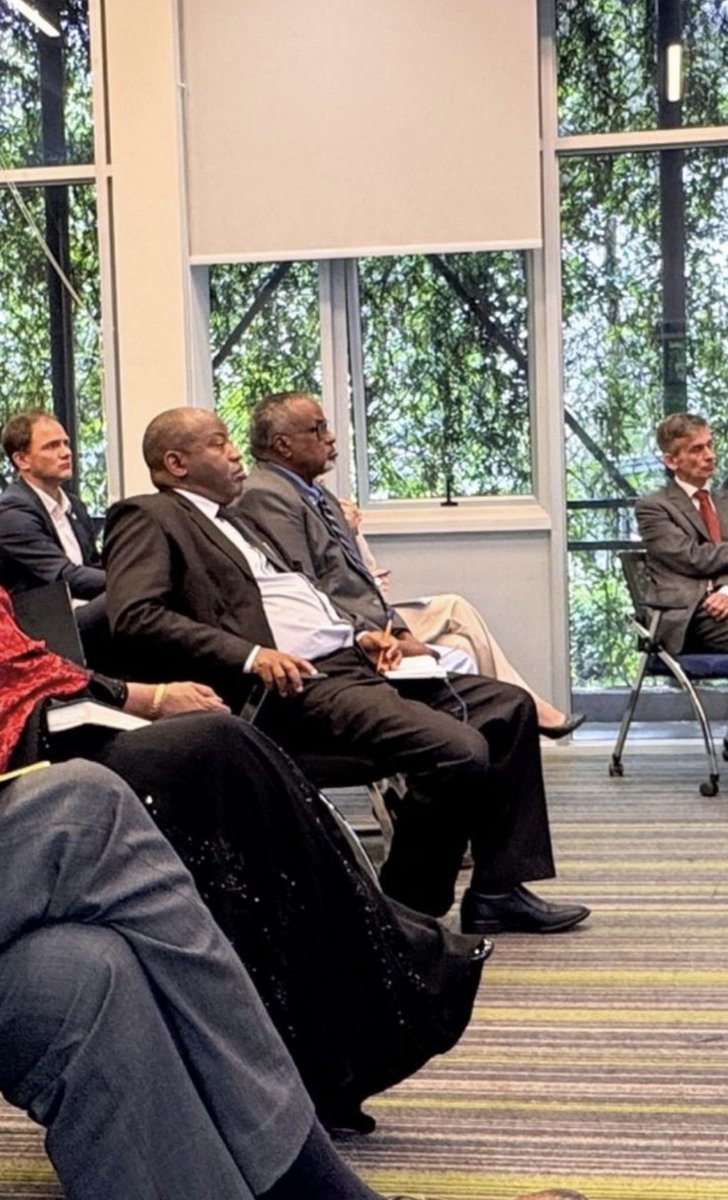
Glad to join James Reynolds, the ICRC Deputy Regional Director for Africa, Kenya Government officials, Ambassadors, humanitarian organizations and others in the Launch of the ICRC Humanitarian Outlook and Appeal 2026, in Nairobi Kenya.
Thanks to the Government of Kenya for hosting the largest ICRC operational and logistics center in the World, and for being a safe haven for refugees and displaced persons from across the Region. Kenya was, and still is, a leader in the promotion of dialogue, peace building and state consolidation among brothers and sisters in Region.
@ICRC_Africa@ICRC@ForeignOfficeKE@SingoeiAKorir
In 2025, we strengthened logistics, promoted respect for #IHL among other activities, always standing alongside communities affected by conflict. Together with our partners, we helped rebuild lives and restore hope. 🤝🌍
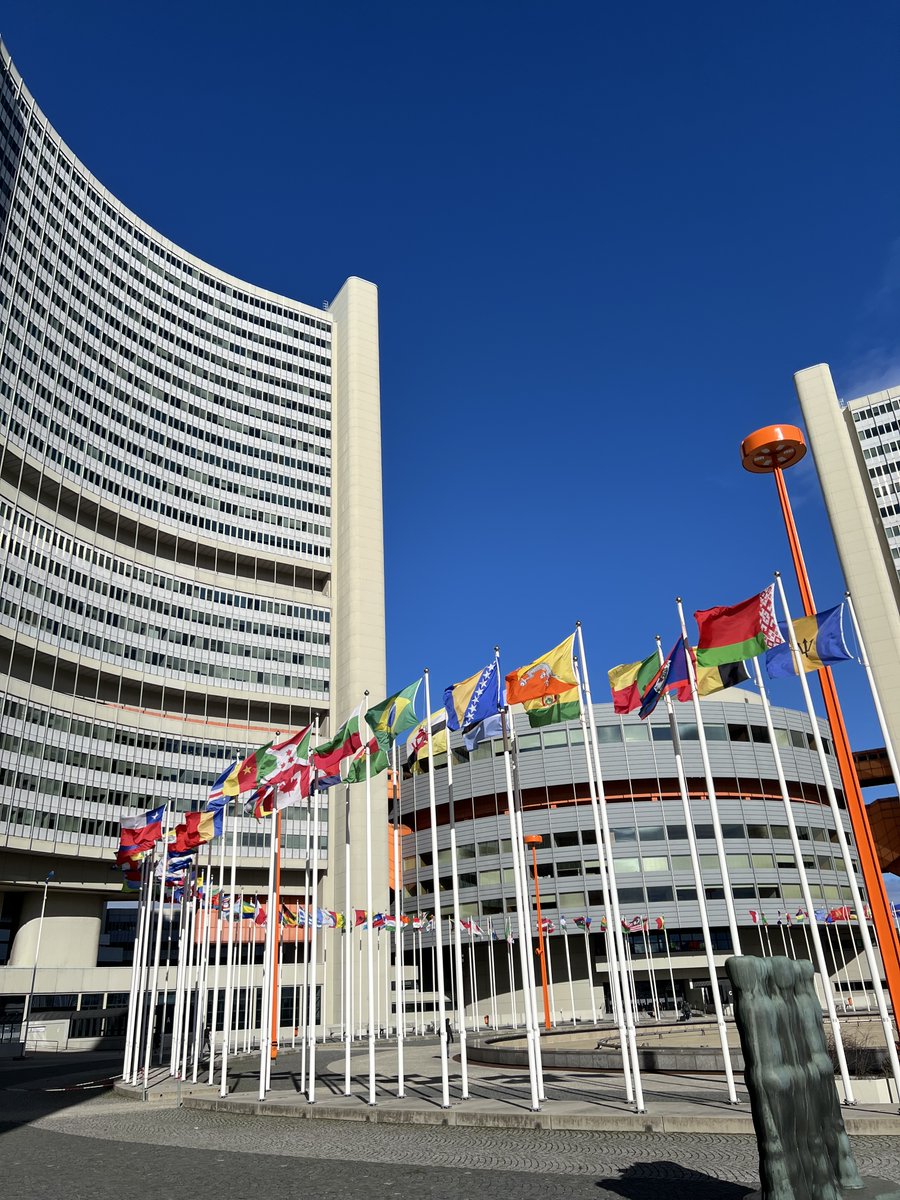
Secretary-General appoints Ms. Monica Kathina Juma of Kenya as Executive Director, United Nations Office on Drugs and Crime as well as Director-General, United Nations Office at Vienna - more here ➡ https://t.co/kEULx6TeEk
Running a newsroom in sub-Saharan Africa has stretched me in ways I never anticipated. Grants disappear without warning. Local advertising or subscription is an extreme sport. Real philanthropy for journalism is almost absent, and when funding appears, it is crowded, competitive, and tilted toward safer, less disruptive themes. You push for accountability, and governments bristle. Corporations shut their doors. Your reporters navigate legal threats, online harassment, and real physical danger. The public value of this work is obvious. The market value is not. Profit has never been the reason to wake up and do this again each morning. What keeps me here is impact. The farmer who got his land back after we exposed the grab. The detainee who walked free because we would not drop the story. The quiet policy reversals that happened because the facts refused to disappear. Somehow, @HumAngle_ has survived six years. That survival is not just ours. It belongs to the communities that trusted us with their pain and who endured the crossfire of violent conflicts across Africa. Today, we mark another year.
We are still here.
🚨 Following the evolving security situation in a number of countries in the Middle East, Kenyans in Iran, Israel, Kuwait, Bahrain, Qatar, the UAE and Saudi Arabia, kindly:
1. Immediately register with GoK https://t.co/2vXsl0bYE5
2. Shelter in place (minimize movement)
3. Follow official guidance from your host government and the Kenya Embassy in your country
4. Stay in communication with your family and friends
Diaspora in those countries, and their families, can reach us on our 24 hour response center (details in flier).
@Diaspora_KE@KenyaRiyadh@KenyainKuwait@KEmbassytelaviv@KenyaDoha@ForeignOfficeKE@MusaliaMudavadi@abudhabi_kenyaE@KENYAinIRAN
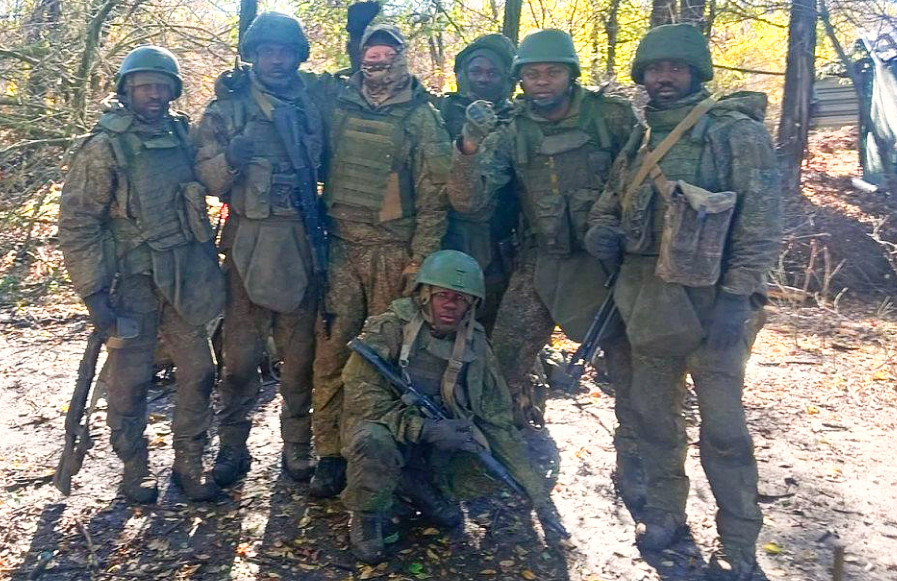
AFRICAN RECRUITS FOR RUSSIA'S UKRAINE WAR WERE BOTH DUPED, AND GAMBLERS WHO TOOK A CALCULATED RISK
There has been a flood of stories regarding African recruits in Russia. Are they just fools who were duped, or did they take a calculated risk that backfired?
Both could be true, but the situation is far more complex than simple headlines suggest. It is a spectrum ranging from deliberate risk-taking to systemic human trafficking, driven by a powerful combination of economic desperation and aggressive Russian recruitment tactics.
It is not necessarily "stupidity" that drives these recruits, but a brutal weighing of odds. In countries like Kenya, Nigeria, and Cameroon, reports have confirmed that many men are fully aware they are entering a conflict zone. Russia offers salaries ranging from $2,000 to $2,700 per month, plus sign-on bonuses as high as $13,000. For someone living in extreme poverty, this is viewed as a life-changing lottery ticket.
As one recruit from Cameroon famously put it: "It is better to go die in Russia while earning millions than to die for nothing in Cameroon." These men aren't missing the news; they are choosing a high-stakes gamble over the certainty of economic hopelessness.
In South Africa, the recruitment process has often been more transparent, and more controversial. Investigations by the Hawks (South Africa’s elite police unit) have linked recruitment networks to high-profile figures, including Duduzile Zuma-Sambudla, the daughter of former President Jacob Zuma. While some recruits were told they were joining "bodyguard training" courses, others were more aware of the military nature of the work.
Because it is illegal for South Africans to participate in foreign wars without government permission, this has led to a major scandal. In February 2026, several South Africans were repatriated after sending distress calls from the Donbas region, claiming they were being used as frontline "cannon fodder" despite their initial expectations.
Where the "tricked" narrative holds the most weight is in programmes like Alabuga Start. This initiative specifically targets young women, aged 18 to 22, from Africa and Latin America. Using TikTok and AI-generated influencers, the programme promises "international work-study" opportunities in hospitality, catering, or automotive services.
Upon arrival at the Alabuga Special Economic Zone in Tatarstan, recruits are often forced to assemble Geran-2 (Shahed) combat drones. Many report having their passports confiscated and being forced to sign military-style contracts in Russian without a translation. If they try to leave, they are threatened with massive "training debts" or prison for visa violations.
Thank you, Ambassador Njambi Kinyungu, for the warm welcome and constructive review of our 2025–26 activities.
@ICRC looks forward to deepening collaboration with the Kenyan government - an essential partnership for our regional work.
This doesn't make sense. If you generate Ksh 3.6T in GDP, you should be collecting over 100B annually in internal revenues & not 17B. Nairobi does not need revenue from National coffers if run well. Stop theft, seal leakages and collect all required county taxes and levies!
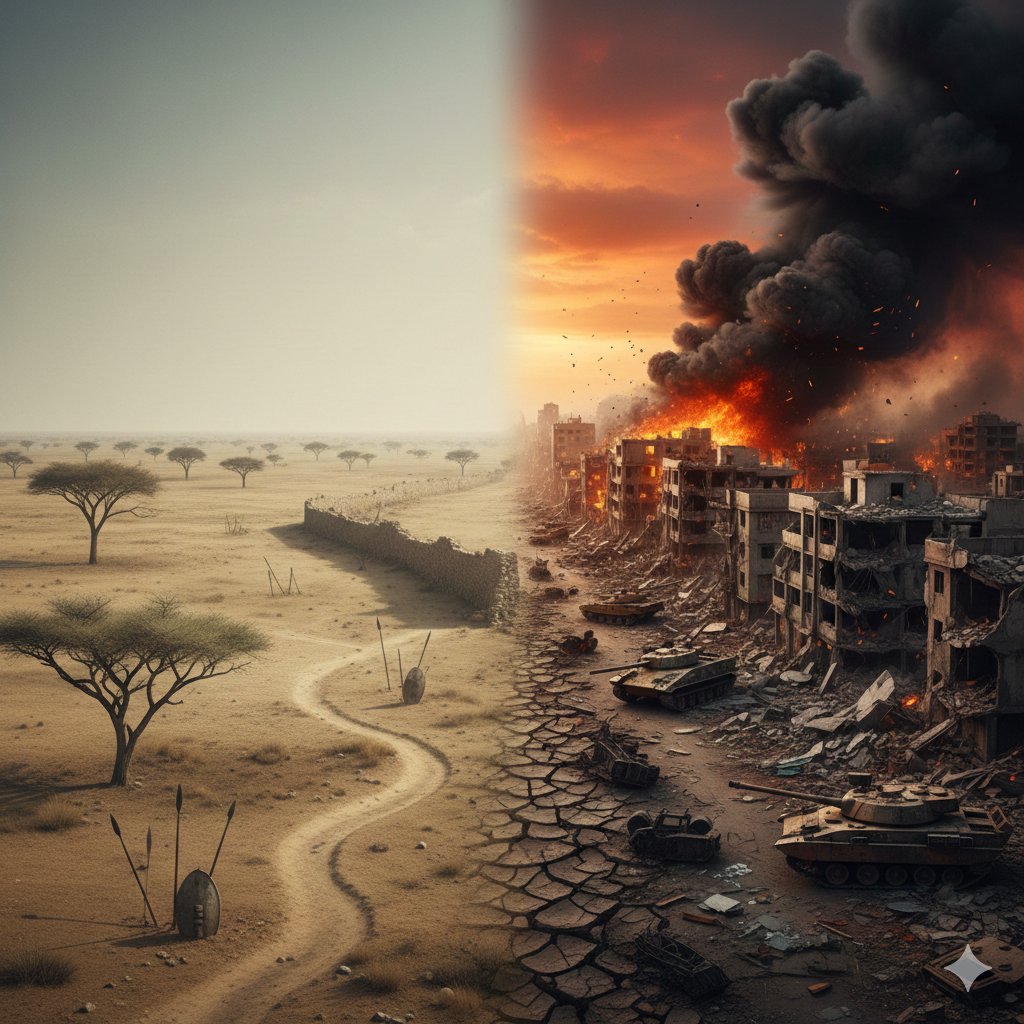
Why Short Wars In Africa Tend To Kill More People Than Long Ones
The history of African conflict is often misread as a slow burn of endless wars, but data reveals a paradox: the density of violence matters more than duration.
The Biafran War in Nigeria (1967–1970) lasted thirty months but killed between 1 and 3 million people. This concentration of suffering exceeds the Somali Civil War (1991–present), which has seen 500,000 deaths spread over 35 years with varying levels of intensity.
Similarly, the Sierra Leone Civil War (1991–2002) lasted 11 years with 70,000 deaths, while the Liberian Civil War (1989–2003) took 250,000 lives over 14 years.
Compare them to the Rwanda genocide against the Tutsi (April–July 1994). In 100 days, one million people were killed at a rate of 10,000 per day, that episode forming the bulk of the deaths of the 1990-1994 war.
Then the 22-year SPLA struggle in Sudan (1983–2005), killed an estimated 2 million people. That was considered the limit of horror. No. The internal independent South Sudanese war starting in December 2013 killed 500,000 in 6 years, far outpacing the yearly rate of the liberation struggle.
In Ethiopia, the Tigray War (2020–2022) killed 600,000 people in 2 years, eclipsing the 17-year war against the Mengistu military dictatorship (1974–1991) which claimed 500,000 lives.
In Kenya, the Mau Mau Uprising (1952–1960) resulted in up to 50,000 deaths over 8 years, yet the late-2007/early 2008 post-election violence saw 1,500 deaths in just 2 months. The latter’s kill rate of 750 per month outstripped the Mau Mau average of 520.
The reasons for this is that when high-intensity weaponry or genocidal intent is compressed into a short window, death tolls frequently eclipse decades of low-intensity forever wars.
Additionally, urban environments accelerated these modern tolls through high population density and rapid state mobilisation, whereas rural guerrilla wars relied on slower attrition. Ultimately, the most lethal conflicts are not defined by the years they last but by the speed at which they strike.
African states must stop exporting domestic house helps to the Gulf, Middle East where anti-black racism is entrenched, blacks viewed as slaves.
This viral video of Turkish family assaulting Kenyan domestic worker reinforces the point why we must end this humiliation once and for all.
https://t.co/sB7YGFjDmt
Some Somali parents living Finland send their children to disciplinary institutions in Somalia – and some to Kenya - where the youngsters are subjected to severe treatment.
https://t.co/uqna3FIXl8
The quietest person in your meeting might have the best idea. But you'll never know.
Because three people dominate:
The ones who speak first, loudest, & longest.
Everyone else? SILENT.
You think to yourself: "Good meeting. We made progress."
Did you, though?
1/4
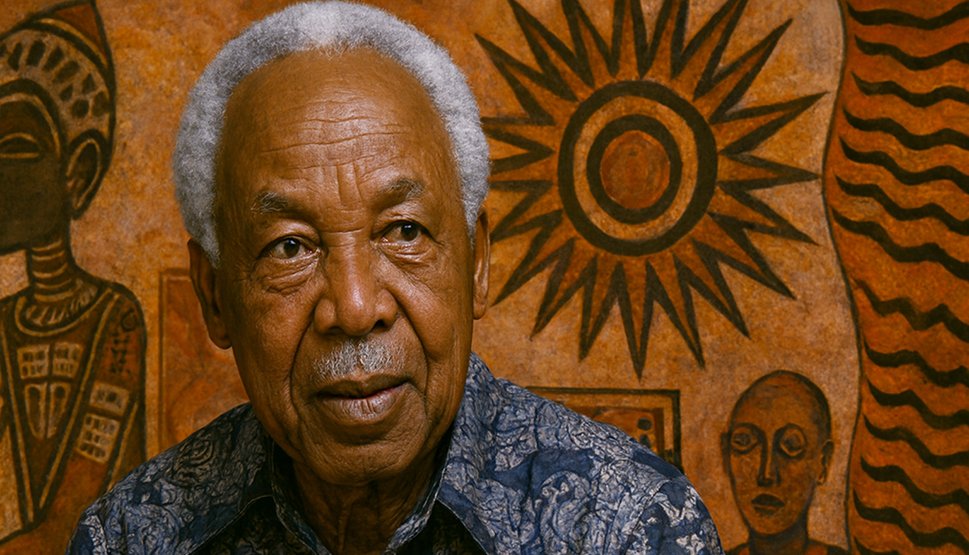
“Unity will not make us rich, but it can make it difficult for Africa and the African peoples to be disregarded and humiliated.” – Julius Nyerere, pan-Afrianist and Tanzania’s founding leader.