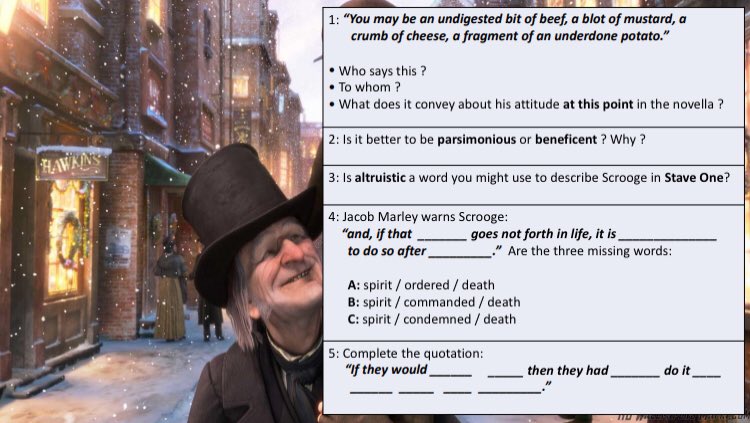
THREAD: Here’s various resources I’ve made for A Christmas Carol. The link to access all these resources is in the final tweet of the thread. Help yourself 😊 #teamenglish First up, a set of 20+ editable retrieval practice slides like this one:
New guide from @EducEndowFoundn on inclusive teaching. 'What do we do every day is especially important for pupils with additional needs" namely explicit instruction, feedback. scaffolding, positive relationships, and a calm classroom environment. https://t.co/67OezJJRiH
@PCSnow1604@JulianElliott11@Kathy_Rastle Exactly what is needed! Here is an open access article by Elliott & Grigorenko (2024) that also discusses these issues for anyone looking for further discussion: https://t.co/l8lFmqYGAQ
Anyone wanting a deeper dive on myth busting regarding interventions for children and adolescents with additional needs might be interested in this 2026 text by Dr Caroline Bowen (@speechwoman) and yours truly:
https://t.co/MAHhcbBHct
"Polling" before you Cold Call students can make the technique feel even more natural and conversational.
Here's what that looks like:
https://t.co/Sgb2slvjsF
Setting is the UK term for placing students into different classes based on their perceived ability or prior attainment in a subject.
Following the news this week from the UK of positive effects of setting on maths achievement and self-confidence, here are my thoughts.
1. More than three gradations per year level makes no sense. There is no data that can reliable place a child in set 5 out of 7.
2. The least advanced group needs the best teachers. Too often, they are given a new teacher or even a relief teacher, while the head of department somehow ends up with the most advanced kids.
3. All groups should get substantially the same curriculum, otherwise students never have a chance to move sets. What should vary is the level of scaffolding. A teacher should keep the less advanced students close.
4. While I’m fairly convinced of the value of setting in *mathematics*, I would always be keen to hear the views of the relevant head of department. If the head of English and their team want mixed ability groups, I would listen, ask challenging questions and, depending on the responses, probably support it.
I suspect many advocates of setting would find at least one of these four points to be controversial.
Exclusive: In response to Tes research highlighting teachers' lack of confidence in handling emotionally based school avoidance, leaders warn that the government is failing to tackle the root causes of severe absence
https://t.co/x9Pd8PjvwZ
A compelling article by @DTWillingham on 'Do Today's Kids Have Reduced Attention Spans?'
Well, yes and no - it is a complex question... "It’s not that students can’t pay attention, but rather that they more readily choose not to."
https://t.co/QuvRLJFuoX
Scaffolding is not a synonym for support.
It should be temporary, responsive, and designed to disappear.
5 principles for effective scaffolding https://t.co/CQYXMfua7q
A PhD student at Oxford got caught submitting "AI-generated" work.
Except he hadn't used AI to write anything.
He used it to think.
Here's the workflow his advisor called "the most sophisticated research process I've seen in 20 years."
He starts every essay with a brutal diagnostic prompt.
Dumps his rough argument into Claude and asks: "What are the 3 weakest logical jumps in this reasoning? Where would a hostile examiner attack first?"
The AI doesn't write his essay. It destroys his draft.
Then he rebuilds.
But the next step is what separates him from every other student using ChatGPT or Claude to generate paragraphs.
He uploads the top 5 papers in his field and asks: "What claims in my argument contradict or oversimplify what these authors actually found?"
Most students cite papers they've skimmed. He cites papers he's been forced to genuinely understand.
The final move is almost unfair.
Before submitting, he pastes his conclusion and asks: "What would a philosopher of science say is missing from this argument? What assumptions am I making that I haven't defended?"
His essays come back with comments like "unusually rigorous" and "demonstrates rare critical depth."
He's not using AI to write.
He's using it to think harder than he could alone.
The tool hasn't changed. The workflow has.
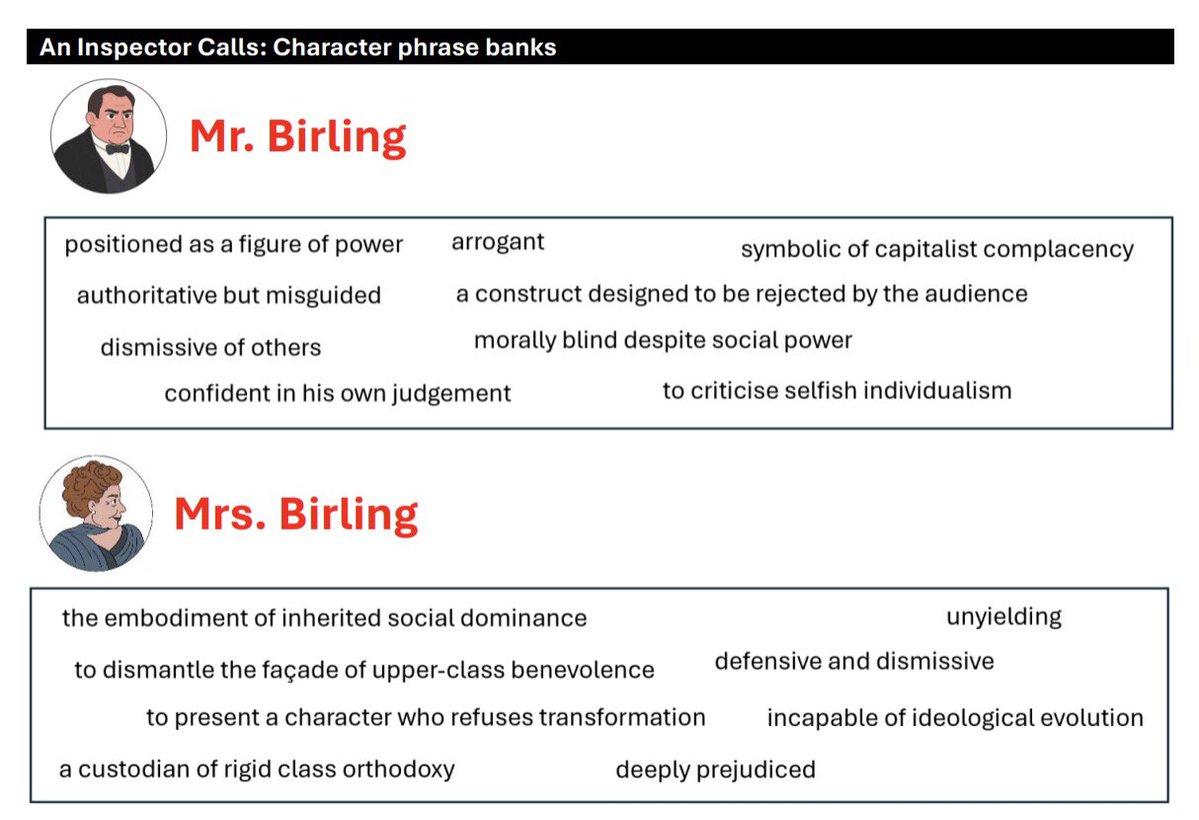
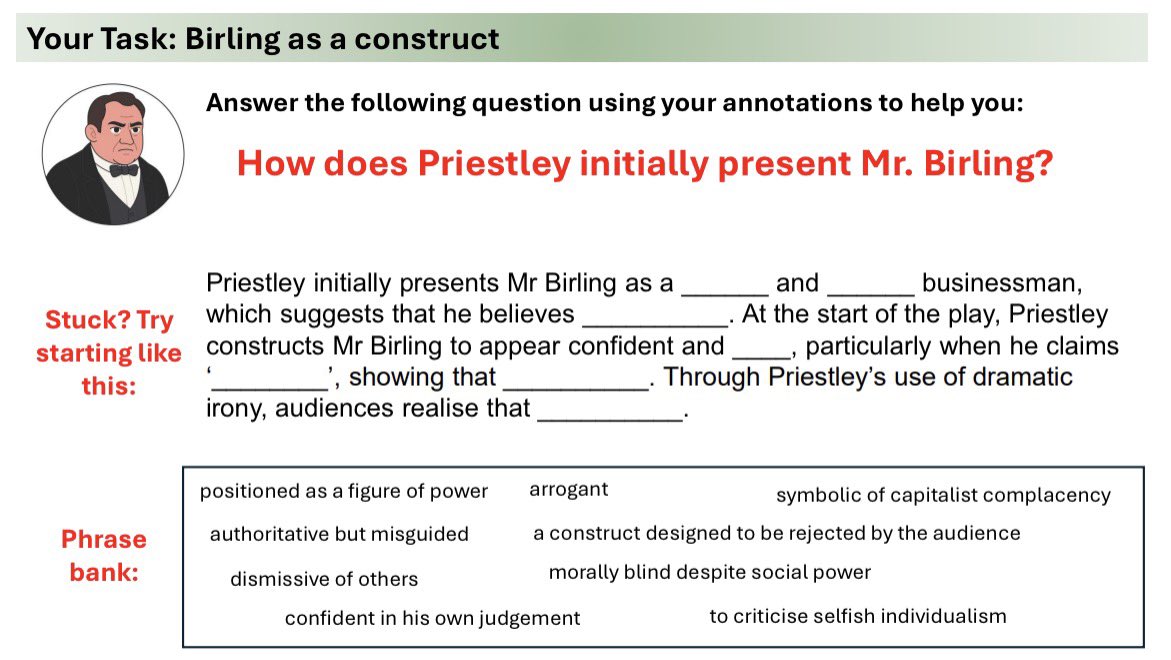
NEW RESOURCE: I’ve been experimenting with @Xris32 style ‘phrase banks’ over the past term to much success! Here are the AIC ones I’ve used in my class. Great discussions had over what each phrase means and how we can use them appropriately and effectively in our writing. Use/chuck: https://t.co/xPMxPC5FyI