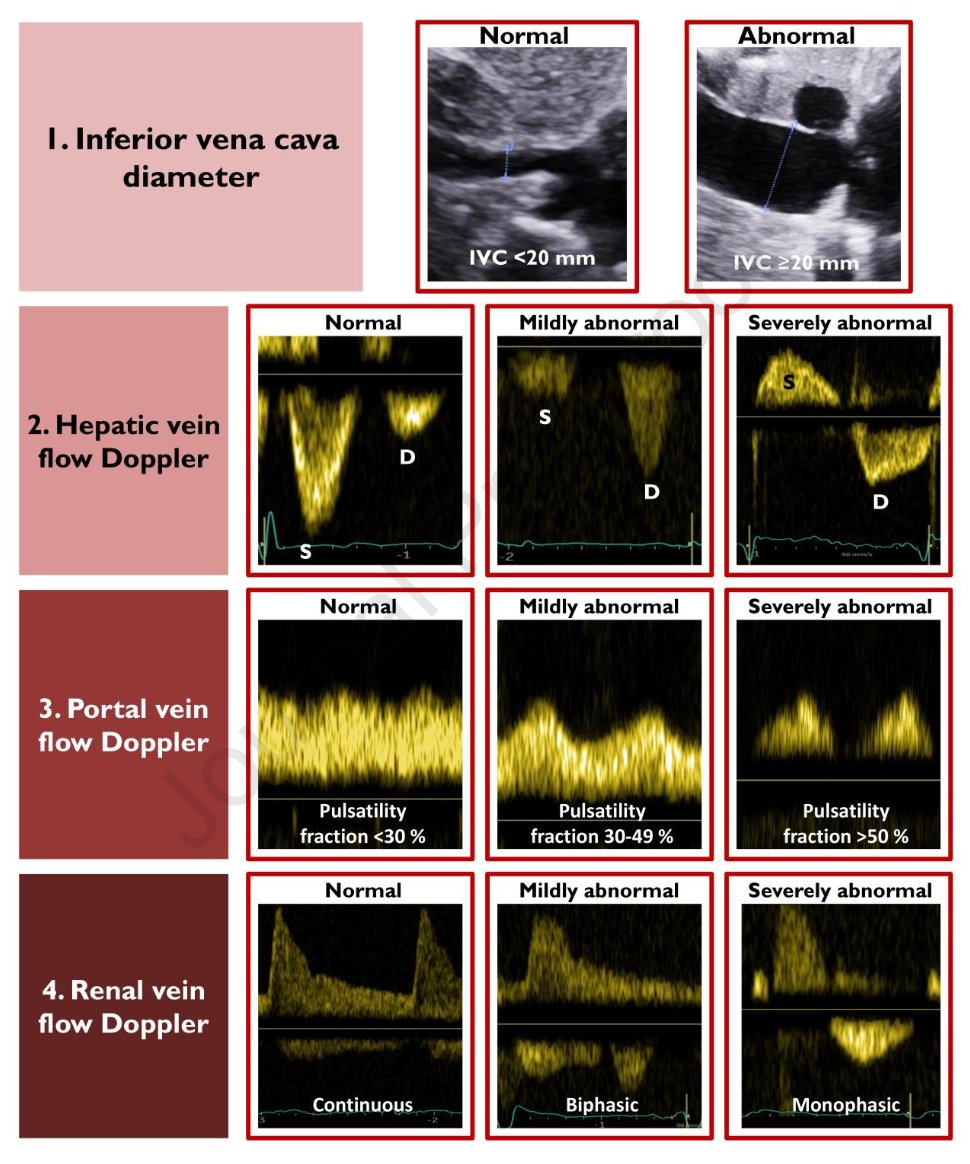
Back to #VEXUS basics:
Multi-organ venous congestion assessment by ultrasound includes inferior vena cava (IVC) diameter and pulse-wave Doppler of the hepatic, portal, and renal vein. Larger IVC and more abnormal flow patterns indicate worse venous congestion
After completing thematic sessions, fellowship & the #VirtualReality workshop at #LIVES2023, participants of the #AntimicrobialStewardship for Severe Infections Learning Pathway gathered in person with the expert over a networking lunch.
Thanks to @bioMerieux for the support.
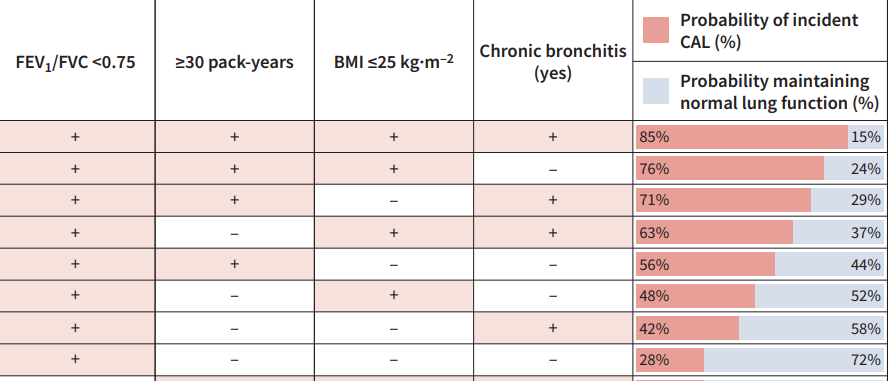
Can we predict which persons will go onto develop #COPD? Yes, based on only 4 parameters, the most important of which is FEV1/FVC <75%. With all 4 risk factors, the probability of developing #COPD is 85%.
https://t.co/cRdnTy07ht
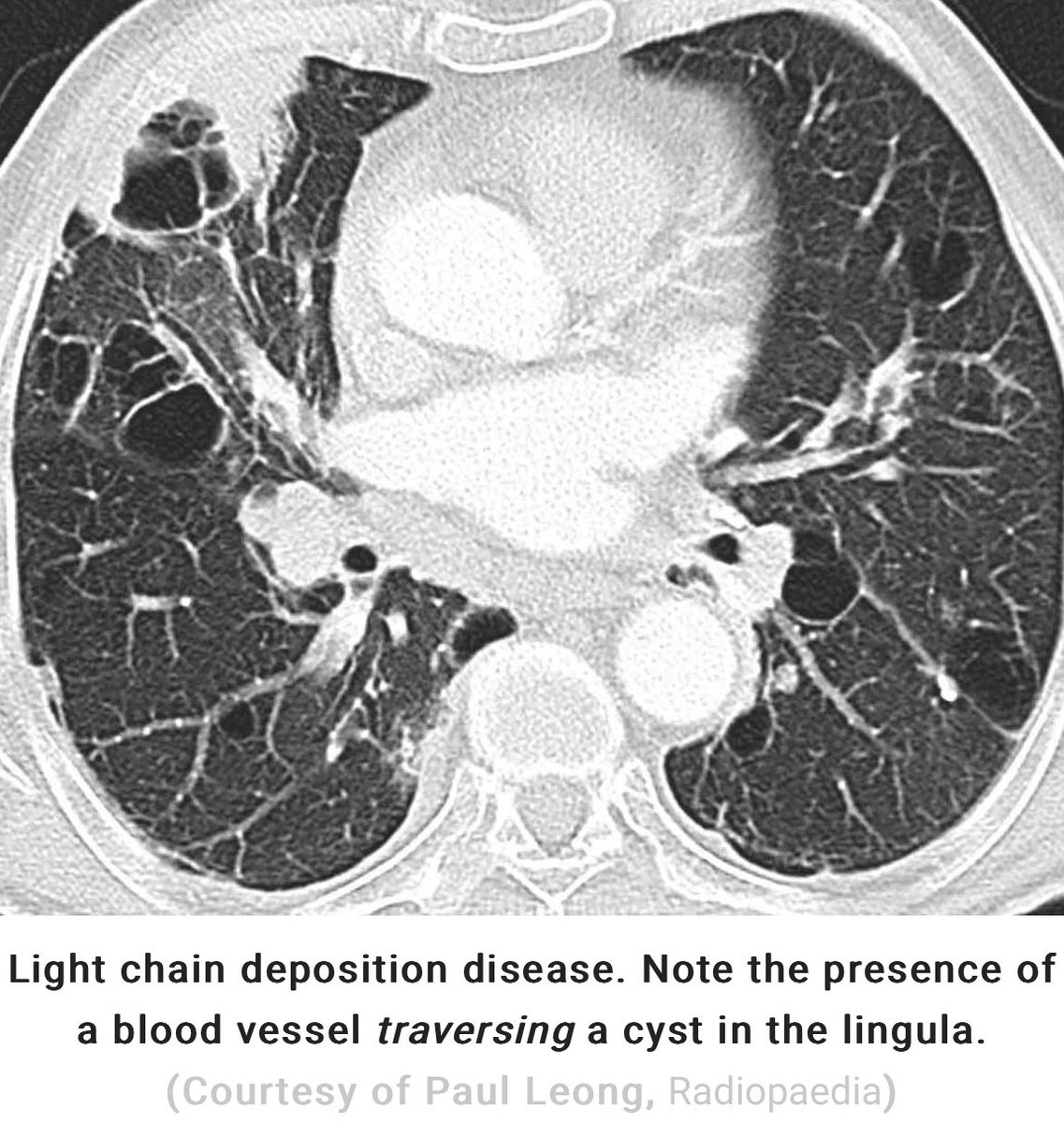
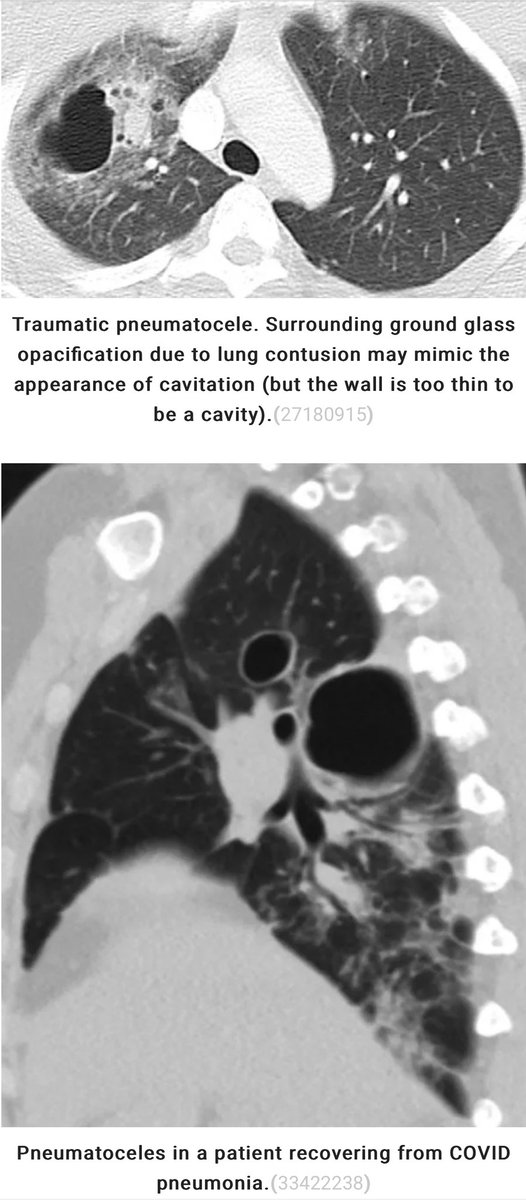
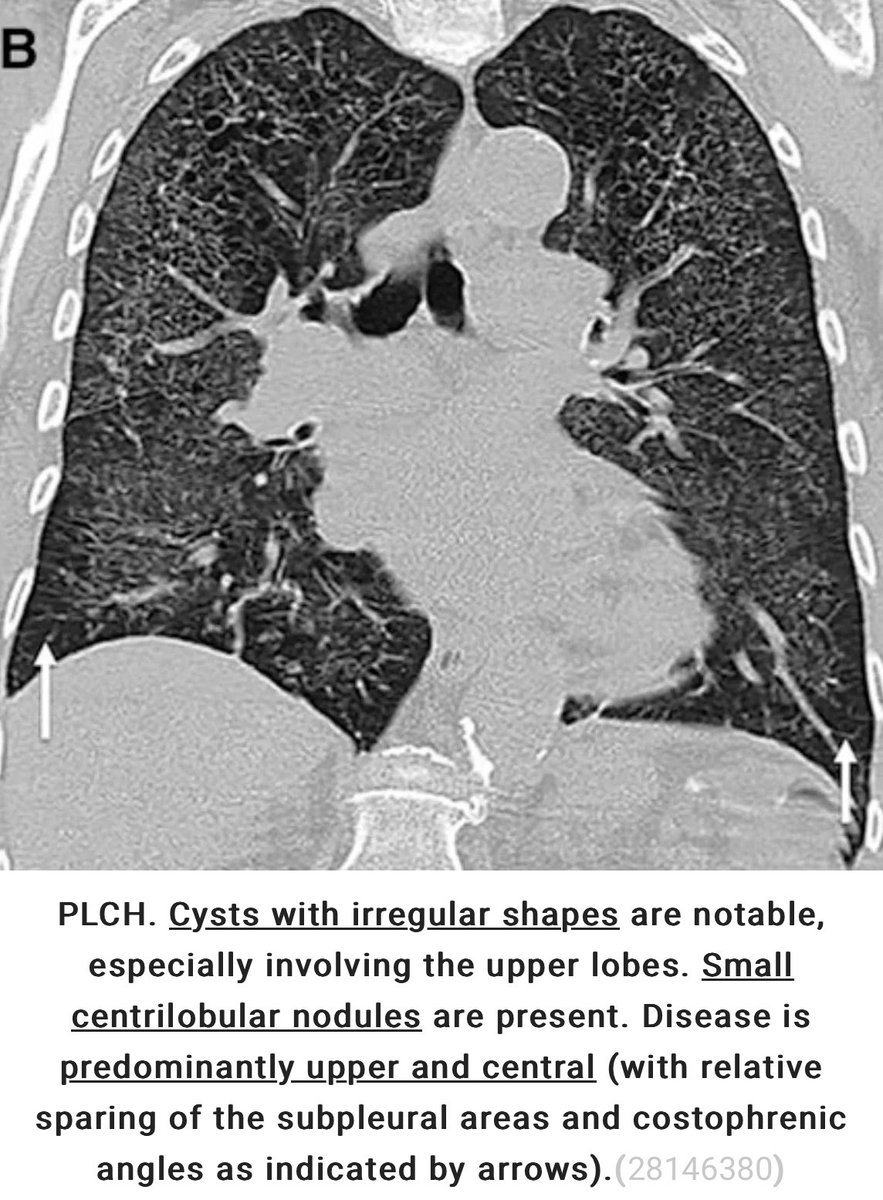
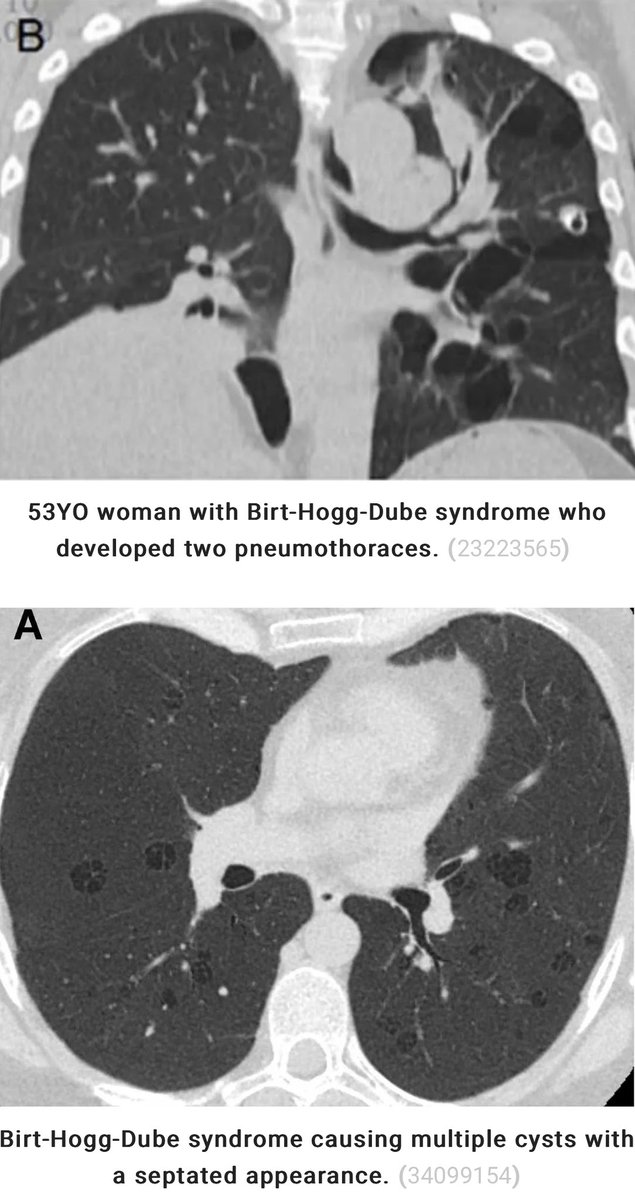
fresh chapter: cystic lung diseases!
⚽️ consider cystic dz in patients with spontaneous pneumothorax (eg lymphangioleiomyomatosis)
⚽️ pneumatoceles are often caused by trauma or infection. they’re scary-looking but usually resolve over time
https://t.co/zUXyZyhMYq
Gross anatomy lab is a poor use of limited time & resources.
It’s 2023 and we now have *better* ways to learn.
Teach students how to do POCUS & interpret CT/MRI radiology. This teaches them anatomy - but in a clinically useful fashion.
60/60 Echo Sign
A 38-year-old female was admitted with a fractured fibula and plaster and developed dyspnea. Echo showed dilated RV with a flattened septum and the 60/60 sign.
I’d like to give a shout-out to our organization that has been fighting the stranglehold of MOC on US physicians, Practicing Physicians of America. Please consider a donation of any amount to support our ongoing operations this Giving Tuesday https://t.co/nRVIe2ymCv
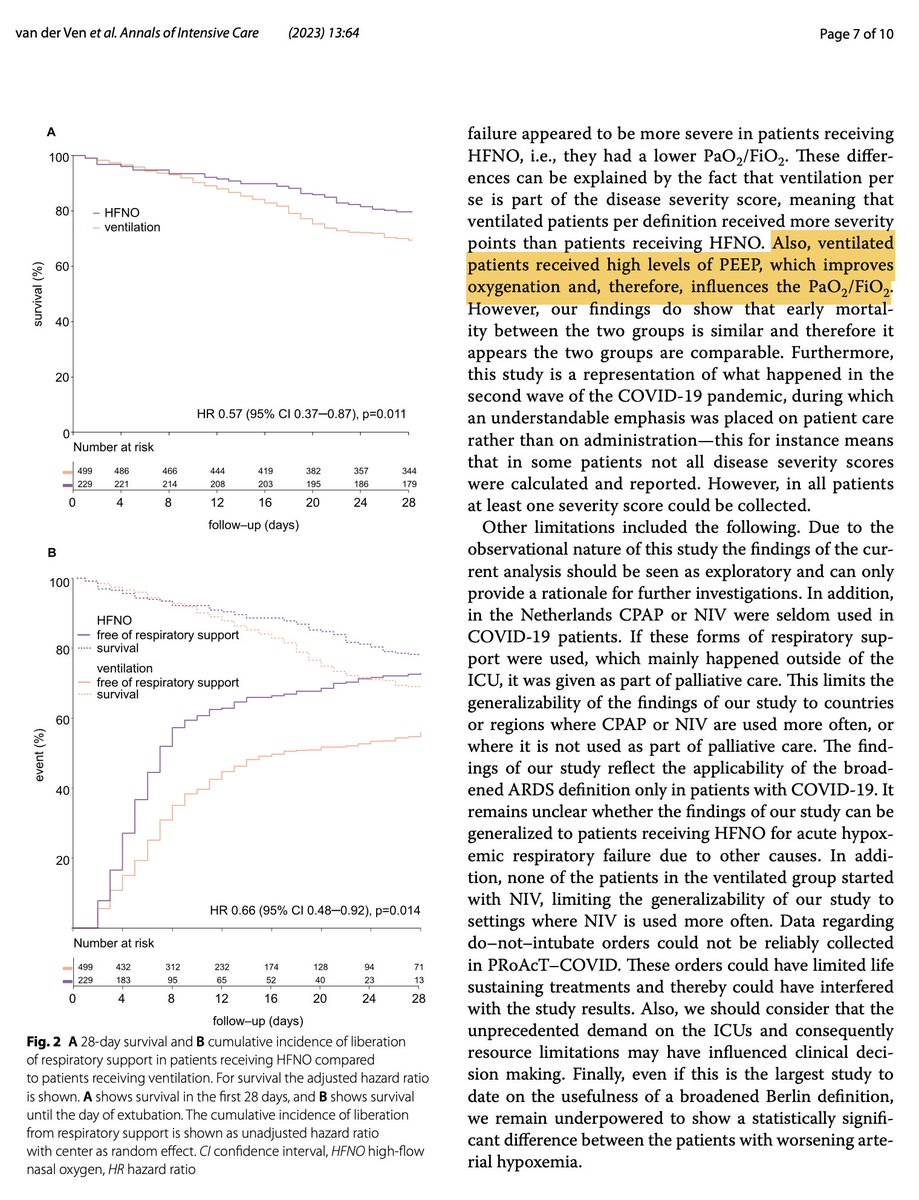
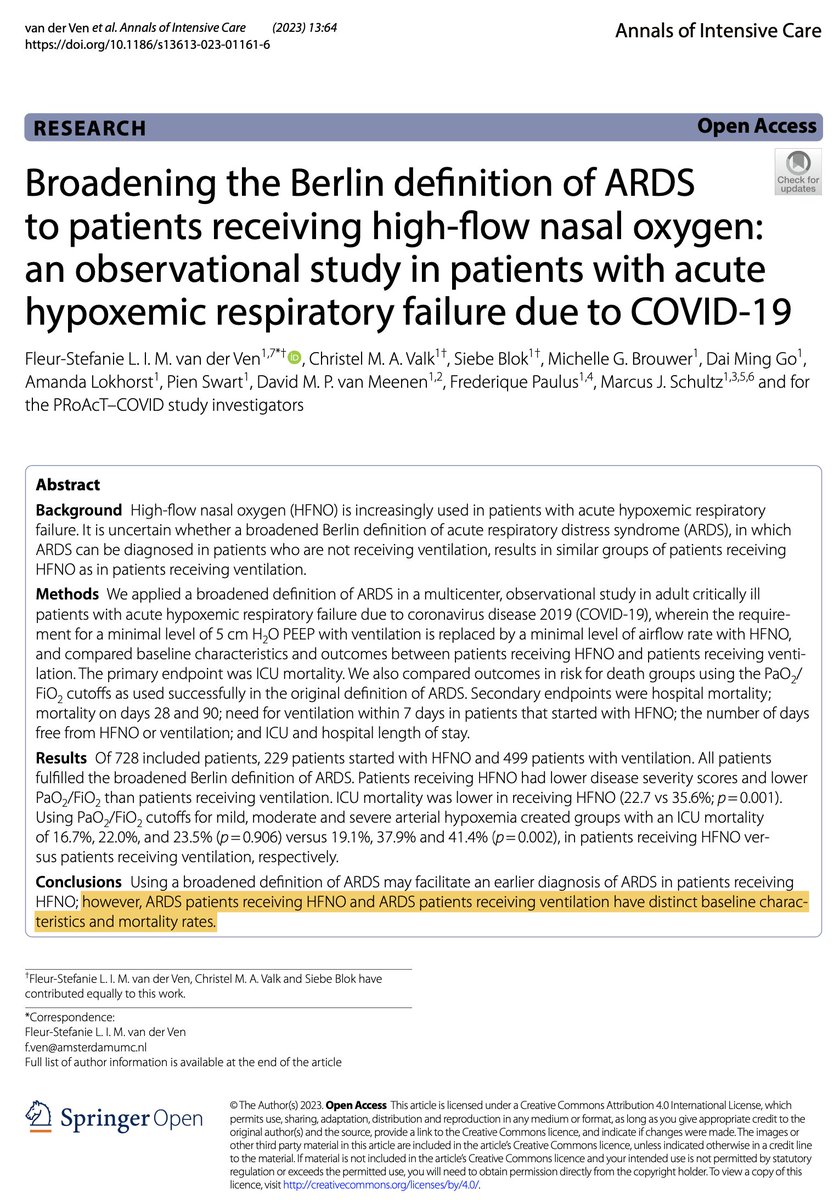
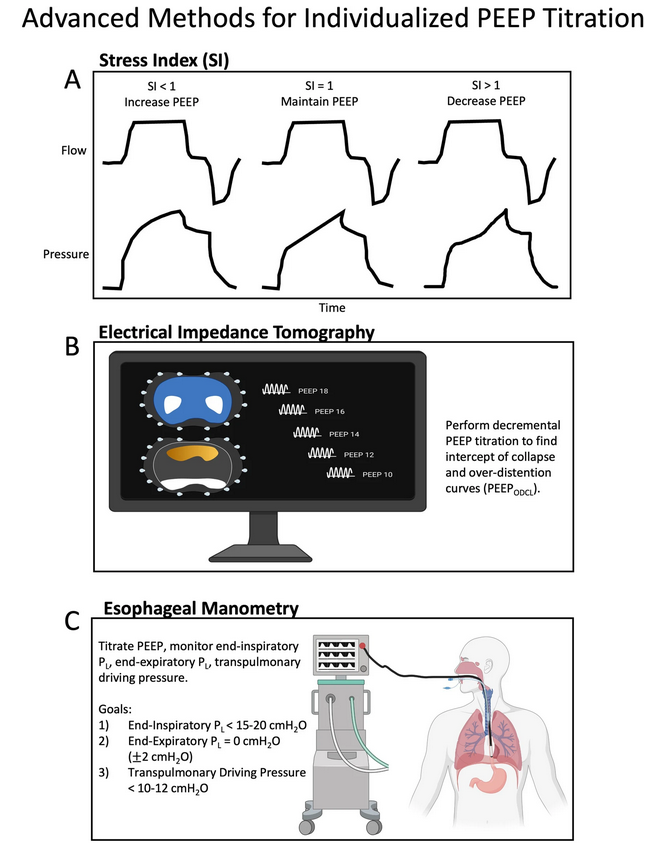
Management of severe acute respiratory distress syndrome: a primer
CCR Journal Watch
https://t.co/Sp06oA6IDG
Get the latest critical care literature every weekend via the CCR Newsletter - subscribe at https://t.co/nitMzacLrj
Weight-loss medications from Novo Nordisk are being investigated by the EU's drugs regulator after several reports of suicidal risks were referred to the watchdog https://t.co/6qbmCdsFHv
🔊 For our first Rapid Fire Journal Club we are discussing the landmark National Lung Screening Trial.
This extremely large trial changed the way we practice secondary prevention of lung cancer
Tune in for a review, takeaways, and nuances
More RFJCs to come!!!
13 Ways to Reduce Your Taxes
Inadequate financial literacy often leads to paying too much tax on the income you do have.
Use these tax-saving strategies 👇
1. File as an S Corp
Take the S election, and split income between salary & distributions. Both are taxed at ordinary income rates, but both are NOT subject to employment taxes.
You are changing highly taxed employee income to slightly less highly taxed S corp distributions.
2. Max Out Retirement Accounts
Defer taxes for decades, and usually an arbitrage between tax rate when contributed and withdrawn.
Grows in tax & asset-protected way between contribution and withdrawal.
3. Seek Out Passive Income
Passive income allows you to make money while you sleep, and it is taxed less than earned income. Tax varies by type of passive income, but passive income is never subject to payroll taxes.
Eligible to be reduced by passive losses, too.
4. Earn Tax-free Interest
Municipal money market funds and muni bond funds pay tax-free interest on a federal level. You can even get funds that are state income tax-free for many states.
You generally get less total interest, but after tax, high earners come out ahead.
5. Ensure Dividends are Qualified
Some dividends are ordinary dividends, taxable at your ordinary income tax rate. Other dividends are "qualified" with the IRS and taxed at lower qualified dividend tax rates ranging 0-20%. Try for as large % of dividends to be qualified.
6. Wait One Year Before Selling
If you own a stock or mutual fund for at least 1 year before you sell it for a gain, you pay capital gains taxes at the lower long term capital gains rates (0-20%) rather than the higher ordinary income tax rates.
7. Tax Loss Harvest
"Capture" a tax loss on an investment that has gone down temporarily without changing your overall asset allocation. That loss can then be used against ordinary income up to $3,000 per year and against an unlimited amount of capital gains each year.
8. Do Asset Location
If you must invest in a taxable account, preferentially place your most tax-efficient asset classes into it. By placing your least tax-efficient assets into retirement accounts, you are reducing your tax bill.
9. Use Depreciation to Offset Rents
Equity real estate generates both depreciation and rents. For a few years and with an appropriate amount of leverage, the depreciation will more than cover the rents.
In this situation, you are turning ordinary income into tax-free income.
10. Use Qualified Charitable Distributions
Over 70.5? Use QCDs to give instead of cash/appreciated shares. Reduces current (starting at age 72) and future RMD + no itemizing for deduction. Eliminate ordinary income (RMDs) and essentially use pre-tax dollars for your gifting.
11. Borrow Not Sell
Selling assets can subject you to capital gains, depreciation recapture, and even ordinary income taxes. Consider borrowing against a home, or cash value life insurance policy, rather than selling. Weigh tax costs against the interest costs of borrowing.
12. Sell Least Appreciated Shares First
Then money from sale is untaxed basis rather than taxable gains. Anything not sold during your lifetime will be eligible for a step-up in basis for your heirs, and nobody will ever pay those long term capital gains.
13. 1031 Exchanges
Do a tax-free exchange from one real estate property to another. Exchange into a more valuable property, and you will have additional basis to depreciate. You defer LTCG & depreciation recapture taxes, & they may be avoided completely with step-up in basis at death.
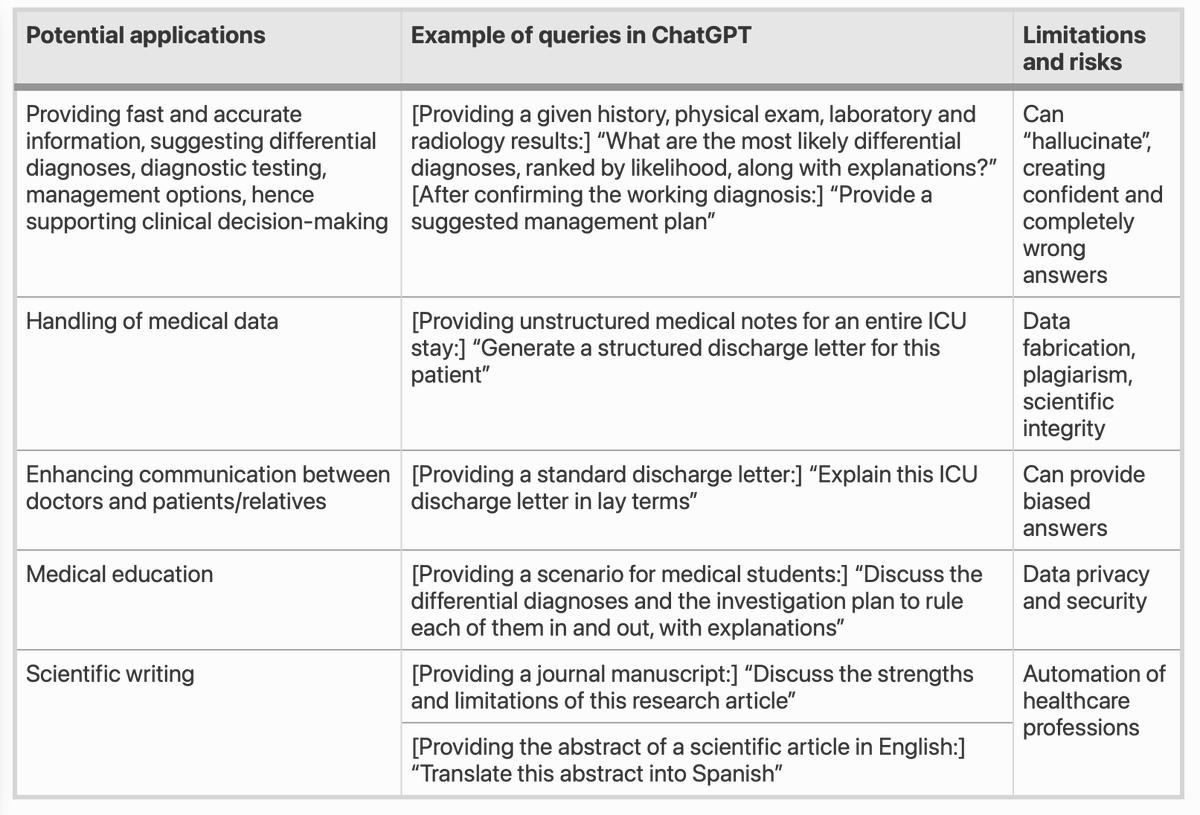
How could ChatGPT impact my practice as an intensivist? An overview of potential applications, risks and limitations
Free read on @yourICM at https://t.co/FFPnYY5oBu
The 82-year-old woman admitted with sepsis
LUS showed the following, at the left lower post chest zone
SP spleen, D diaphragm, S septae, E pleural effusion, and an arrow showing what ??