Antiques & design expert @AntiqueRoadTrip @BBC_ARoadshow, Cultural diplomat. Part time Venetian, full time Geordie. Subscribe to my @youtube channel. 👇
Museums really have to ask themselves what they are for? Too many are turning into performative spaces for curators to impose their views on us. Without the many museums I visited as a child, I doubt I’d be where I am now. They truly are places that can transform people. Wake up!
@lner do you know why the trains stop so far down platform 5 at Darlington? It’s a long way to walk and there’s often a two to three carriage gap where the stairs / lifts are. Can’t the stop closer to the exits?
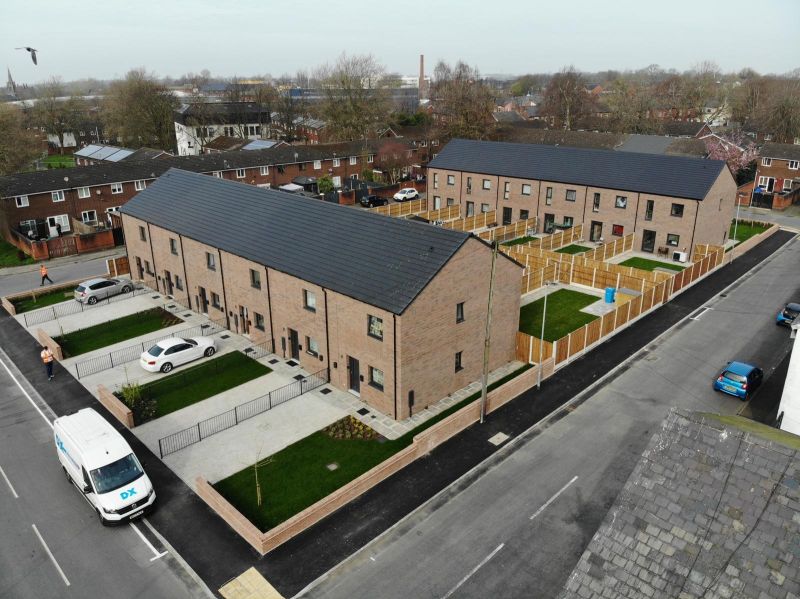
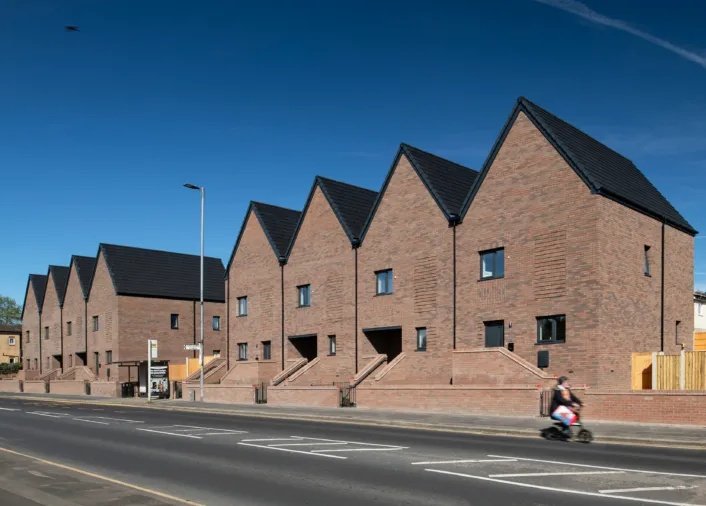
These 46 affordable homes were built to Passivhaus standards on two sites in Harpurhey for local families, including 28 for Social and Manchester Living Rent.🌹
Both part of our Project 500 scheme with @ManCityCouncil to use our own land for more low carbon and social housing.🏡
Across Britain right now, farmers are shearing their sheep, bagging up the wool, and burning it. Some bury it. Some leave it to rot in a corner of the field. The wool-burning has made the odd headline as a protest, but the truth is duller and sadder. The fleece is worth less than the diesel it would take to haul it to the depot.
The numbers are grim. In recent years a kilo of British wool has fetched somewhere between twenty and sixty pence, and hill breeds like Swaledale and Welsh Mountain sank as low as ten. A whole fleece off a mountain ewe might bring thirty pence. Shearing that same ewe costs the farmer around two pounds. One Lincolnshire farmer added it up out loud: over three pounds to shear and cart a single fleece to the depot, and twenty-six pence back. So she burns them. A great many do.
Here is the part that stings. The shearing still has to happen, every year, whatever the wool will fetch. A sheep left in full fleece overheats, struggles to move, and gets eaten alive by maggots. So the job carries on purely as welfare, a cost the farmer simply eats to spare the animal, with the wool itself going on the fire straight after.
And think about what this fibre once was. For centuries wool was the engine of the English economy, the country's greatest export and the crown's main source of tax. It raised the soaring wool churches of the Cotswolds. It turned merchants into princes. To this day, whoever presides over the House of Lords sits on the Woolsack, a literal cushion of wool, put there in the fourteenth century so nobody would forget where the nation's wealth began.
Prices have lifted off the floor this past year, the first real relief in a long while. It still does not cover the shears for a hill farmer. The fibre that built England now smoulders in a heap behind the barn, and almost nobody notices the smoke.