We're excited to partner with Muthoot FinCorp @MuthootIndia. We'd like to convey our gratitude to our existing customers, team, mentors, incubators and investors who played a crucial role in building Paymatrix @Paymatrix_India
Job seekers in the U.S. and many other nations face a tough environment. At the same time, fears of AI-caused job loss have — so far — been overblown. However, the demand for AI skills is starting to cause shifts in the job market. I’d like to share what I’m seeing on the ground.
First, many tech companies have laid off workers over the past year. While some CEOs cited AI as the reason — that AI is doing the work, so people are no longer needed — the reality is AI just doesn’t work that well yet. Many of the layoffs have been corrections for overhiring during the pandemic or general cost-cutting and reorganization that occasionally happened even before modern AI. Outside of a handful of roles, few layoffs have resulted from jobs being automated by AI.
Granted, this may grow in the future. People who are currently in some professions that are highly exposed to AI automation, such as call-center operators, translators, and voice actors, are likely to struggle to find jobs and/or see declining salaries. But widespread job losses have been overhyped.
Instead, a common refrain applies: AI won’t replace workers, but workers who use AI will replace workers who don’t. For instance, because AI coding tools make developers much more efficient, developers who know how to use them are increasingly in-demand. (If you want to be one of these people, please take our short courses on Claude Code, Gemini CLI, and Agentic Skills!)
So AI is leading to job losses, but in a subtle way. Some businesses are letting go of employees who are not adapting to AI and replacing them with people who are. This trend is already obvious in software development. Further, in many startups’ hiring patterns, I am seeing early signs of this type of personnel replacement in roles that traditionally are considered non-technical. Marketers, recruiters, and analysts who know how to code with AI are more productive than those who don’t, so some businesses are slowly parting ways with employees that aren’t able to adapt. I expect this will accelerate.
At the same time, when companies build new teams that are AI native, sometimes the new teams are smaller than the ones they replace. AI makes individuals more effective, and this makes it possible to shrink team sizes. For example, as AI has made building software easier, the bottleneck is shifting to deciding what to build — this is the Product Management (PM) bottleneck. A project that used to be assigned to 8 engineers and 1 PM might now be assigned to 2 engineers and 1 PM, or perhaps even to a single person with a mix of engineering and product skills.
The good news for employees is that most businesses have a lot of work to do and not enough people to do it. People with the right AI skills are often given opportunities to step up and do more, and maybe tackle the long backlog of ideas that couldn’t be executed before AI made the work go more quickly. I’m seeing many employees in many businesses step up to build new things that help their business. Opportunities abound!
I know these changes are stressful. My heart goes out to every family that has been affected by a layoff, to every job seeker struggling to find the role they want, and to the far larger number of people who are worried about their future job prospects. Fortunately, there’s still time to learn and position yourself well for where the job market is going. When it comes to AI, the vast majority of people, technical or nontechnical, are at the starting line, or they were recently. So this remains a great time to keep learning and keep building, and the opportunities for those who do are numerous!
[Original text; https://t.co/zbIhZHfCC0 ]
🇮🇳 Good morning India! A lot of you asked for full-length mock JEE Main tests in @GeminiApp at no cost - done! Good luck on your prep!
Last week, SAT. This week, JEE.
What other global exams would be most helpful?
Most people have no idea what it actually takes to be a founder. They talk about vision, grit, or passion. Those words are props.
What you really sign up for is a life where every decision feels like it costs something real. You will spend years being misunderstood. By your team, your family, even the people you hire to help you. You will fail in public and still need to keep the energy up in private. Every founder lives with the weight of knowing that you can do everything right and still get crushed by luck, timing, or somebody else’s mistake.
Founders aren’t braver than anyone else. They just get used to uncertainty, then stop waiting for clarity. Most of your wins won’t feel like wins at all. The first revenue will be too small. The first team will outgrow you or leave. The first product that feels right will barely matter to the market. You will doubt yourself in private, sometimes every week. The founders who last figure out how to keep moving while the ground shifts underneath them.
Most outsiders want the founder badge but none of the scars. They want the upside, not the drag. The hardest part is sticking around after every plan gets blown up and you have to rebuild with less optimism and more scar tissue. What makes it work isn’t relentless hustle or some mythical trait. It’s learning to make peace with constant discomfort, and then making decisions anyway.
If you need constant reassurance, you’ll give up before the real work begins. If you want everyone to like you, you’ll never make the calls that matter. If you can’t handle months where nothing feels certain, this life will eat you alive.
But if you can hold your own in chaos, get better at being wrong, and still want to show up and try again, you just might have a shot at building something that matters.
That’s what it actually takes. And nobody cares until you make it work.
2025 is shaping up to be the "year of AI agents".
We've put together a list of startup ideas that we think are especially promising— some draw attention to trends that are already in full swing, and some of them are where we think things are going next.
https://t.co/AbQWcpKCZX
4. In 2003, an old library with 84,000 secret manuscripts more than 1,000 years old was found in the monastery of Sakya, Tibet, stored on shelves 60 metres long and 10 metres high
8/ The currency of life isn’t time. It’s Attention
Attention is your most precious resource.
That’s why you have to be aware of where you’re spending it.
Because where it goes the most, the more you’ll think about this thing.
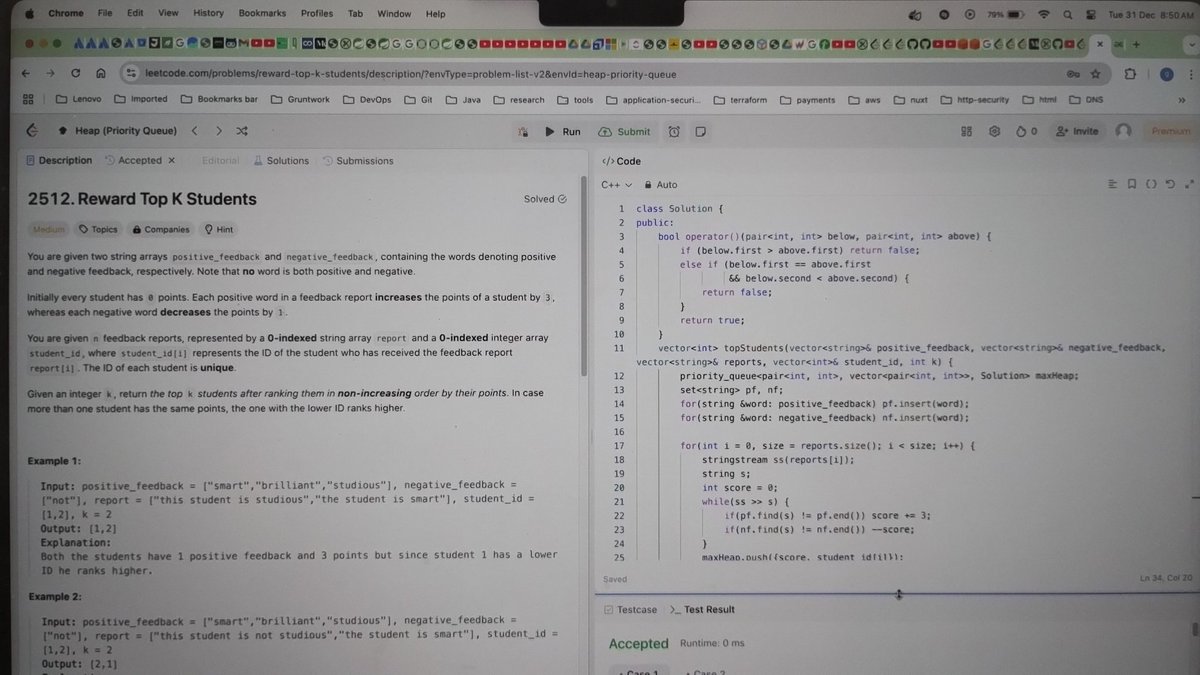
@PavanKu41840193 Congratulations @PavanKu41840193 on completing the 365-day coding challenge! Your dedication inspires coders and doers. Keep solving problems, keep building, and keep shining! 🎉
Congratulations @PavanKu41840193 on completing the 365-day coding challenge! Your dedication inspires coders and doers. Keep solving problems, keep building, and keep shining! 🎉
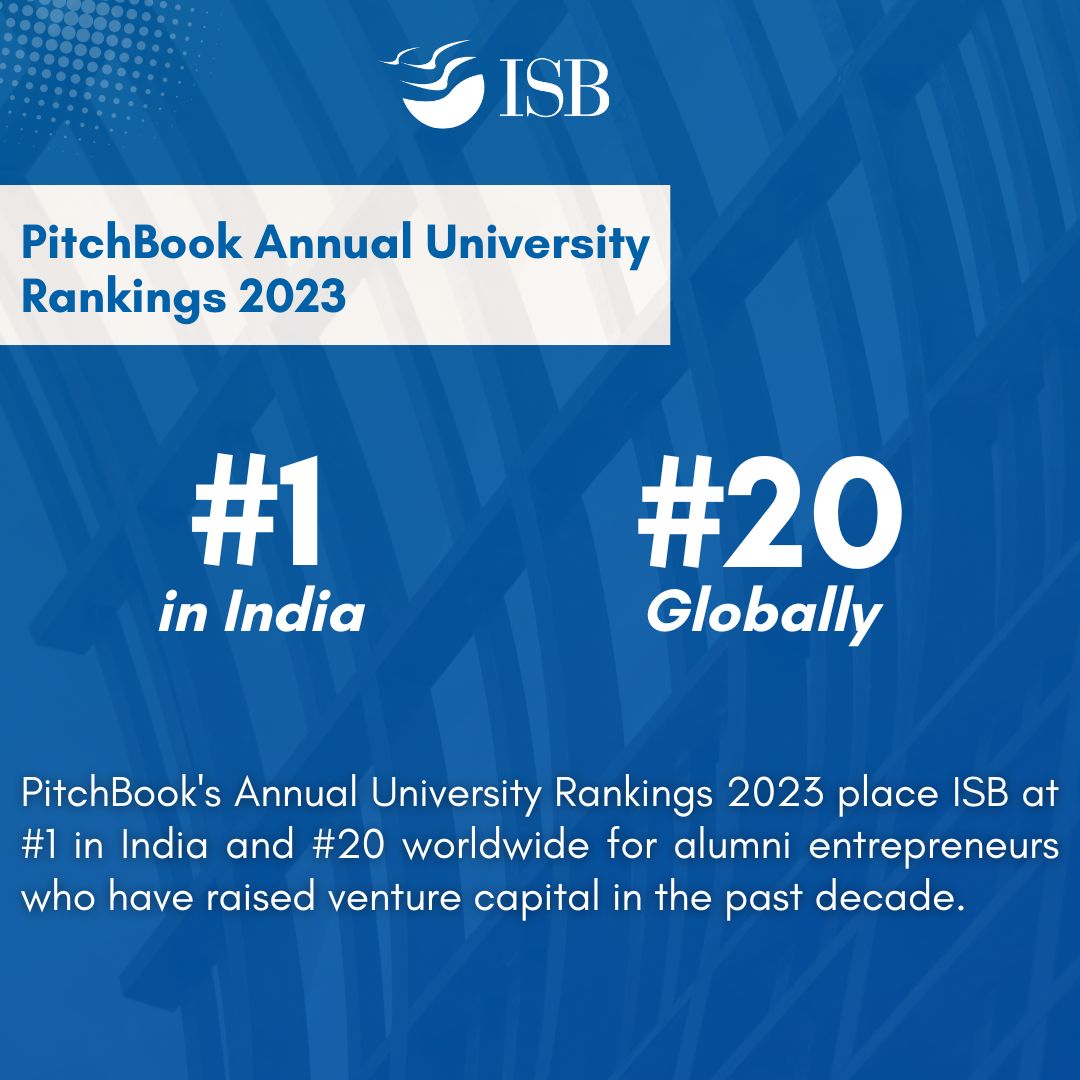
We have been ranked the top B-school in India and #20 globally in the recently released @PitchBook Annual University Rankings 2023. The rankings compare schools by tallying up the number of alumni entrepreneurs who have raised venture capital for their startups in the last decade.
This makes ISB a prominent hub for entrepreneurship with more ISB alumni turning to entrepreneurship over the past decade than any other Indian business school. They include 175 founders who raised $4.5 billion for 158 companies in the last 10 years.
To support innovation and futuristic business models, we've established @iventureatisb, dedicated to nurturing startups.
We are proud of over 17,000 alumni spread across the globe following their vocation and passion and making an impact in sectors including edtech, e-commerce, automobiles, cleantech, finance, and media, among others.
#ISB #ISBAlumni