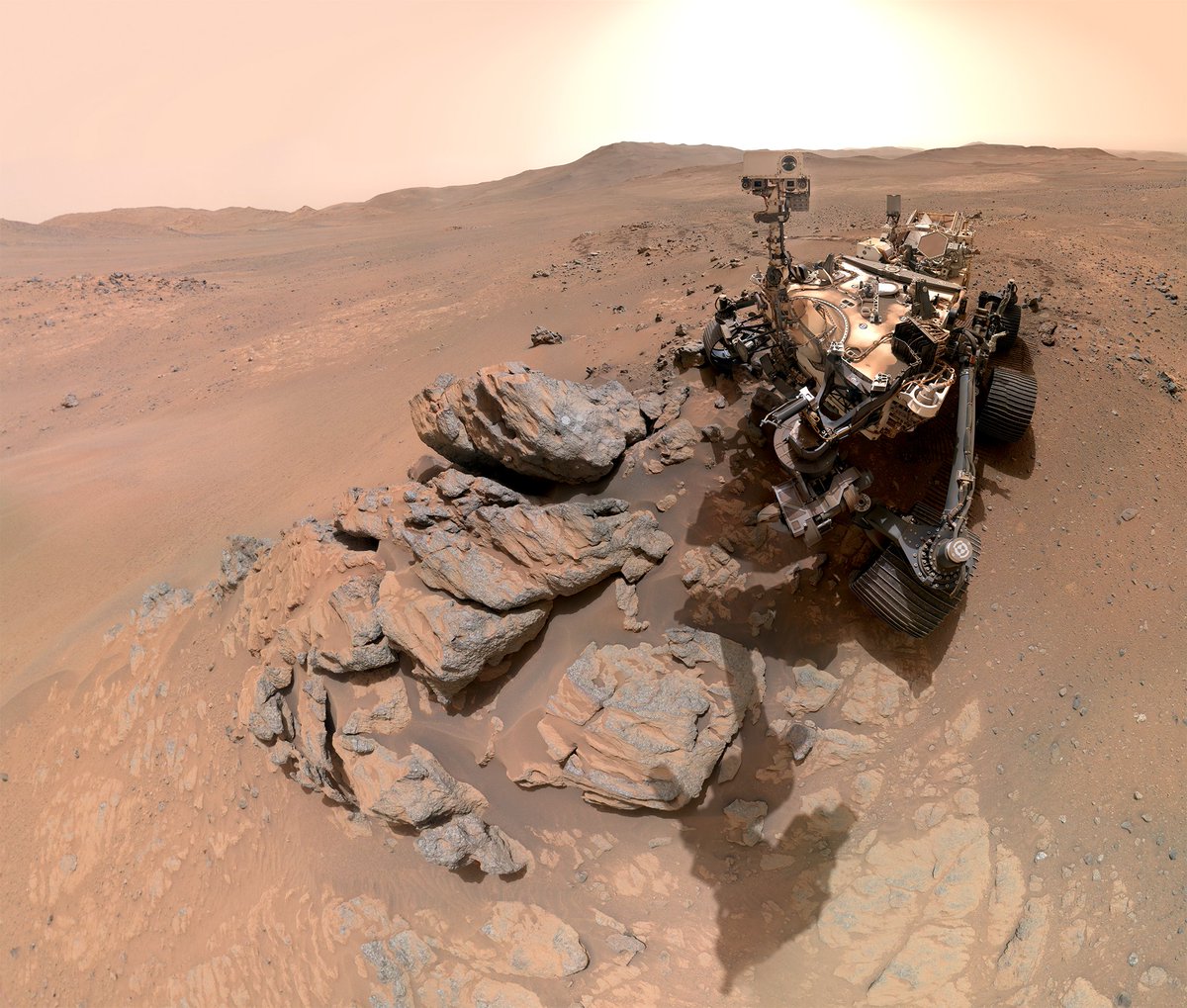
Since arriving at its destination five years ago, our Perseverance Mars rover has collected data that hints at a history of past life on the Red Planet.
Catch up on Percy’s biggest discoveries in this week’s episode of our Curious Universe podcast: https://t.co/J5dh8FhHjw
Robots lead the way! 🦾
Just as our Surveyor landers scouted the Moon in advance of Apollo astronauts, our MoonFall propulsive drones will survey the lunar surface in unprecedented detail at potential @NASAArtemis landing sites.
60 years ago today, Surveyor I made a three-point soft landing on the Moon—the first soft landing for America's space program—AND accomplished on its first try. Over the next 6 weeks it returned more than 11,000 images of the lunar surface including this one featuring its shadow.
The mission was one of the great successes of NASA's early lunar program.
Four JPL-built propulsive drones – known as MoonFall – will survey the lunar surface at potential @NASAArtemis landing sites in unprecedented detail. The mission is part of the initial phase of the @NASAMoonBase initiative.
Learn more: https://t.co/2NJXRlgOoW
Sea level data shows signs that an El Niño will likely emerge later this year. The Sentinel-6 Michael Freilich satellite, which measures the height of the entire ocean every 10 days, has detected higher, warmer water moving east across the Pacific Ocean. https://t.co/q8CcAcBjAR
When you're going 200 mph – or preparing to send humans millions of miles away – small details make a big difference when the margin for error is slim.
See how @IndyCar driver Alexander Rossi’s preparation for a big race parallels our approach to Mars exploration.
A NASA-developed AI tool could help track harmful algal blooms from space by combining data from multiple satellites to create a more complete view. These blooms can pose health risks and cost communities tens of millions of dollars every year. Learn more: https://t.co/EnRiDN5WeR
#MissionToPsyche's successful gravity assist also gave mission planners a chance to test the spacecraft’s science instruments, including its imagers, magnetometers, and gamma-ray and neutron spectrometer.
Get the details: https://t.co/O5noDKUc9q 2/2
Hello Mars, goodbye Mars 👋
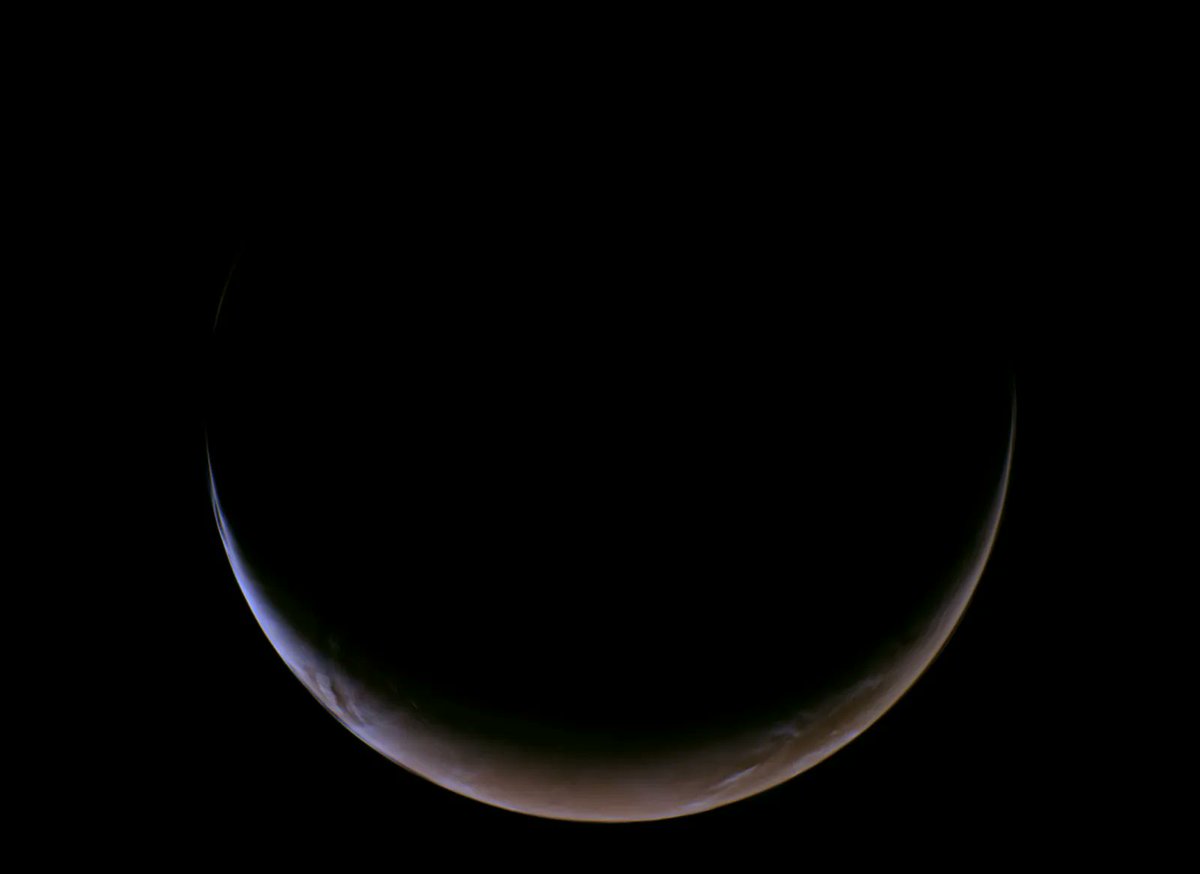
NASA’s #MissionToPsyche spacecraft was speeding by the Red Planet on May 15 when it snapped this rare, crescent view of Mars. The successful flyby flung the Psyche spacecraft toward its final destination: the metal-rich asteroid Psyche. 1/2
@NASAJPL Thanks for the boost, @NASAMars!
Next stop: the asteroid Psyche. There's still a long way to go – the #MissionToPsyche spacecraft will enter orbit there in 2029. Exactly what we will find remains to be seen...
Follow along at https://t.co/72ZvMmH72t and watch this space
This "gravity assist" flyby will use the Red Planet's pull to boost the spacecraft's speed and refine its trajectory on its way to explore the mysterious, metal-rich asteroid Psyche.
Details: https://t.co/v4t8DRi6XW
Current distance from Mars: 14,450 miles
Speed: 10,710 mph
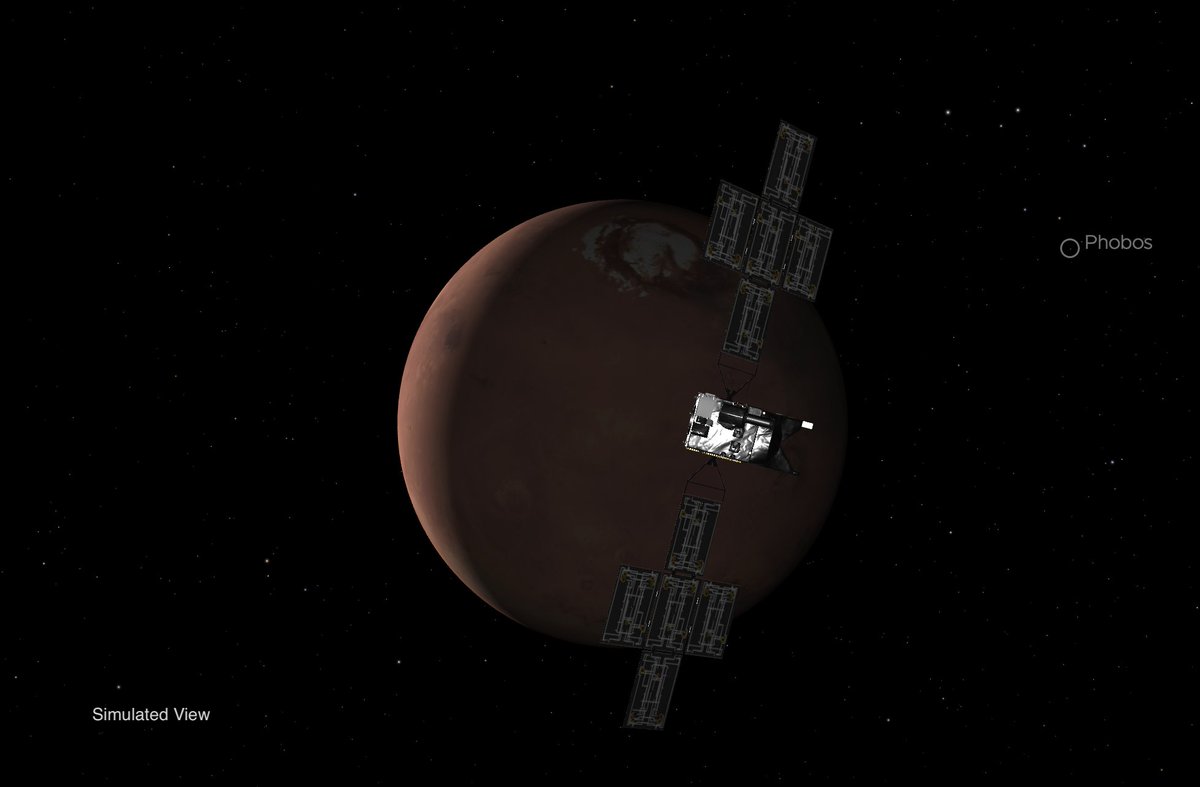
Right now, NASA's #MissionToPsyche is approaching Mars.
Current distance: 29,780 miles
Current speed relative to Mars: 10,340 mph
This simulated view, based on actual trajectory data, comes from our Eyes on the Solar System experience.
Ride along: https://t.co/9xfOG4mRl4
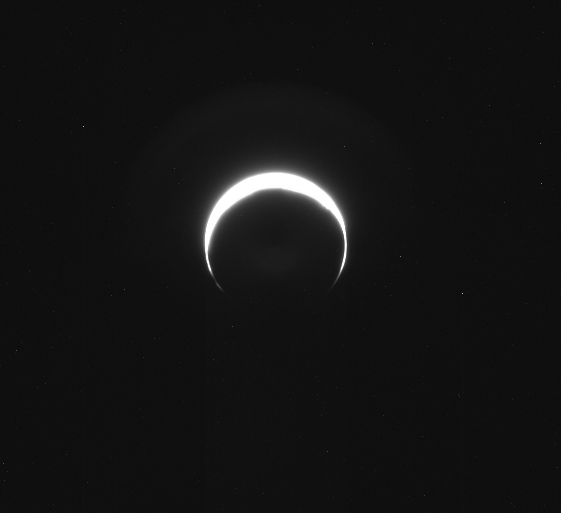
This is not an eclipse, but an even more rare sight: a crescent Mars as seen by NASA’s #MissionToPsyche spacecraft.
The unprocessed image — taken by Psyche today — shows the night side of Mars as the spacecraft approaches the Red Planet for a flyby on May 15. The glowing crescent is sunlight reflected from the day side of the planet's surface, as well as sunlight passing through its atmosphere. The irregularities in the crescent are likely caused by surface features, and dust and clouds in the atmosphere. 1/2
We’re living in a golden age of exploration.
Meet Kathleen Harmon, @NASAArtemis II interface manager for the Deep Space Network. Kathleen helped lead humanity’s return to deep space and prepared the network to support the Artemis II spacecraft before launch: https://t.co/iEewkUloSm
Selfie with a side of science!
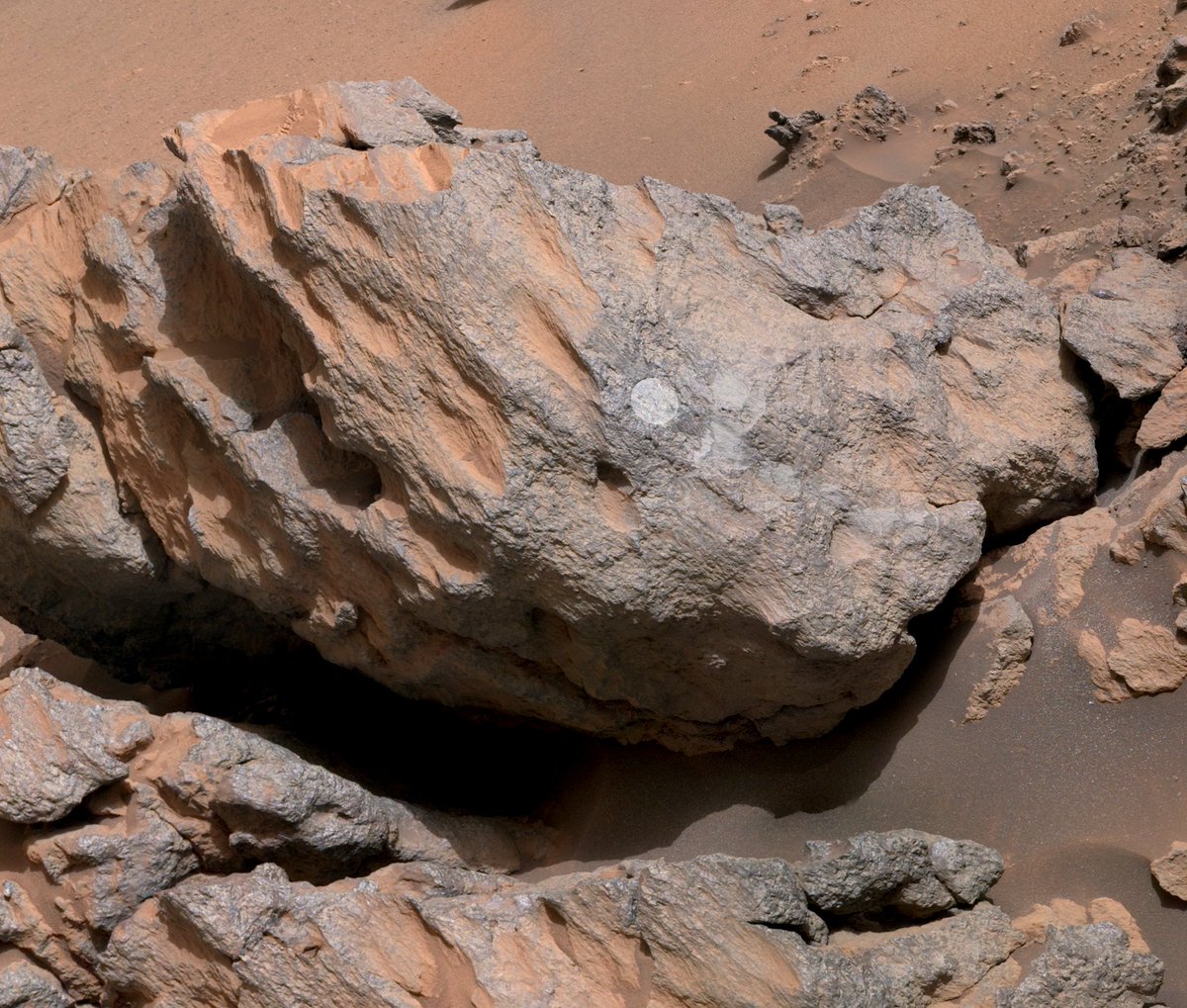
Perseverance snapped this self-portrait as it explores the "Western Frontier" of Jezero Crater. A circular abrasion patch nearby marks where the rover scraped away the rock's surface so the team could analyze what's inside.
https://t.co/CDjds2w4k7