Tomorrow: a total solar eclipse over Iceland and Spain. ☀️🌑🌎
The U.S. won’t see totality — so watch it live on X with @NASA and at https://t.co/CRmd7X4Ku1.
Coverage begins at 1:15 p.m. EDT!
Eyes to the skies – we’re preparing to capture the upcoming solar eclipse in a way only NASA can.
On August 9, our WB-57 high-altitude aircraft took off from Ellington Field in preparation to capture the Moon covering the Sun on August 12. The team will take off from Iceland and fly in the path of the eclipse, sending back views for researchers to learn more about the celestial event.
To learn more about the upcoming solar eclipse, visit https://t.co/BZXmL9JdqK
@SaturnCoinBNB Live stream coverage will be available for anyone who would like to tune in from outside (or within!) the shadow path: https://t.co/x20Z4gUhzQ
For a couple of minutes on Aug. 12, the Sun all but disappears in the middle of the day.
NASA-funded student teams will launch research balloons from Iceland and Spain to track how the lowest layer of the atmosphere responds.🎈
More: https://t.co/zPn8UavJ3m
NASA’s WB-57 jet studies eclipses from about 50,000 feet (15,000 meters) — above most of the haze and turbulence that blur the view below, for a sharper look at the Sun’s corona. The WB-57 will observe the Aug. 12 total solar eclipse from above.
More: https://t.co/zPn8UavJ3m
On Aug. 12, a total solar eclipse crosses Iceland and Spain. Iceland’s volcanic terrain helped train the Artemis II Moon crew; Spain offers clearer skies. NASA-funded teams are in both — because spreading out is how you beat the clouds.
Watch live with NASA: https://t.co/21igxBU268
When the Lucy spacecraft starts flying by Trojan asteroids next year, it’ll snap photos, detect chemical “fingerprints” of materials on the asteroids’ surfaces, and more. Scientists are already calibrating the camera settings with test images like these. https://t.co/pc2wfLjh5U
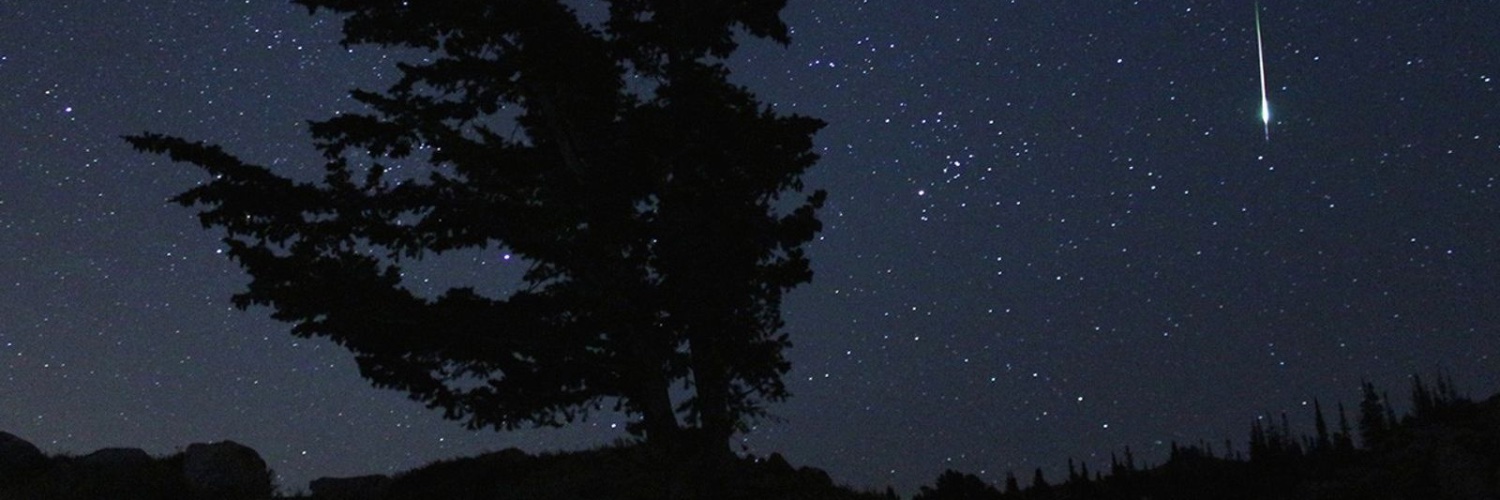
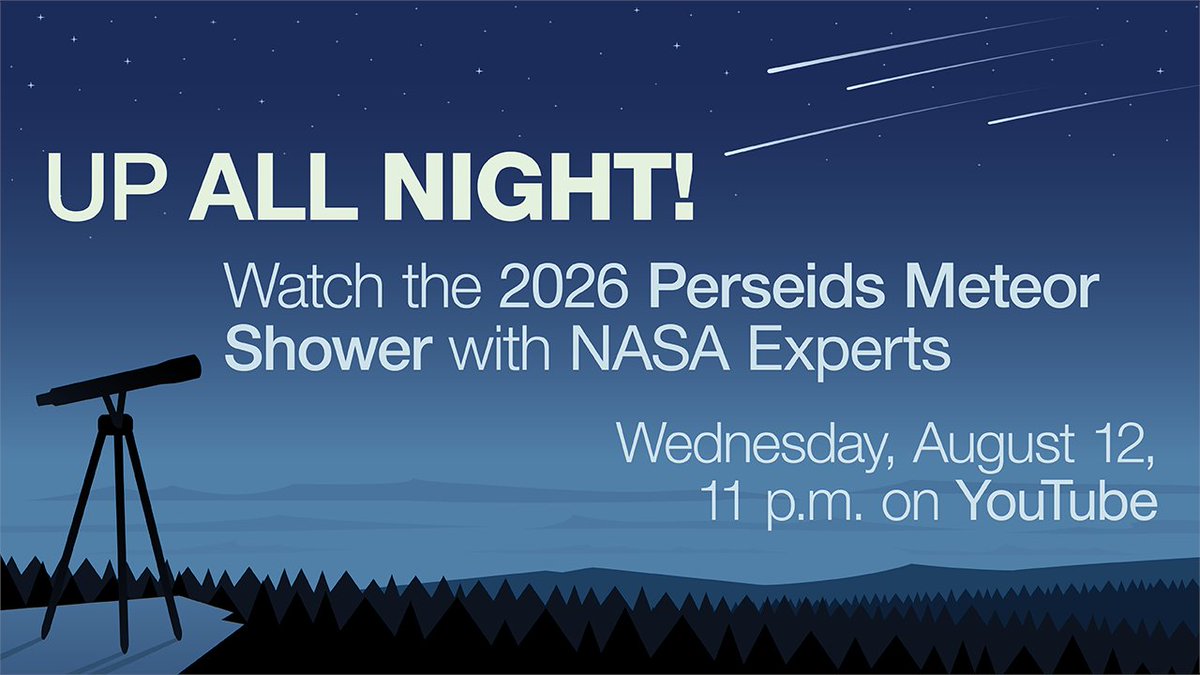
☄️ The Perseids is one of the best meteor showers of the year. During the peak, we will be hosting a watch party!
Stay up late and join us on YouTube at 11 p.m. CT on Aug. 12 to see real-time sky imagery from Marshall’s observatory and hear from meteor experts.
MORE INFO: https://t.co/GLRghGxd6r
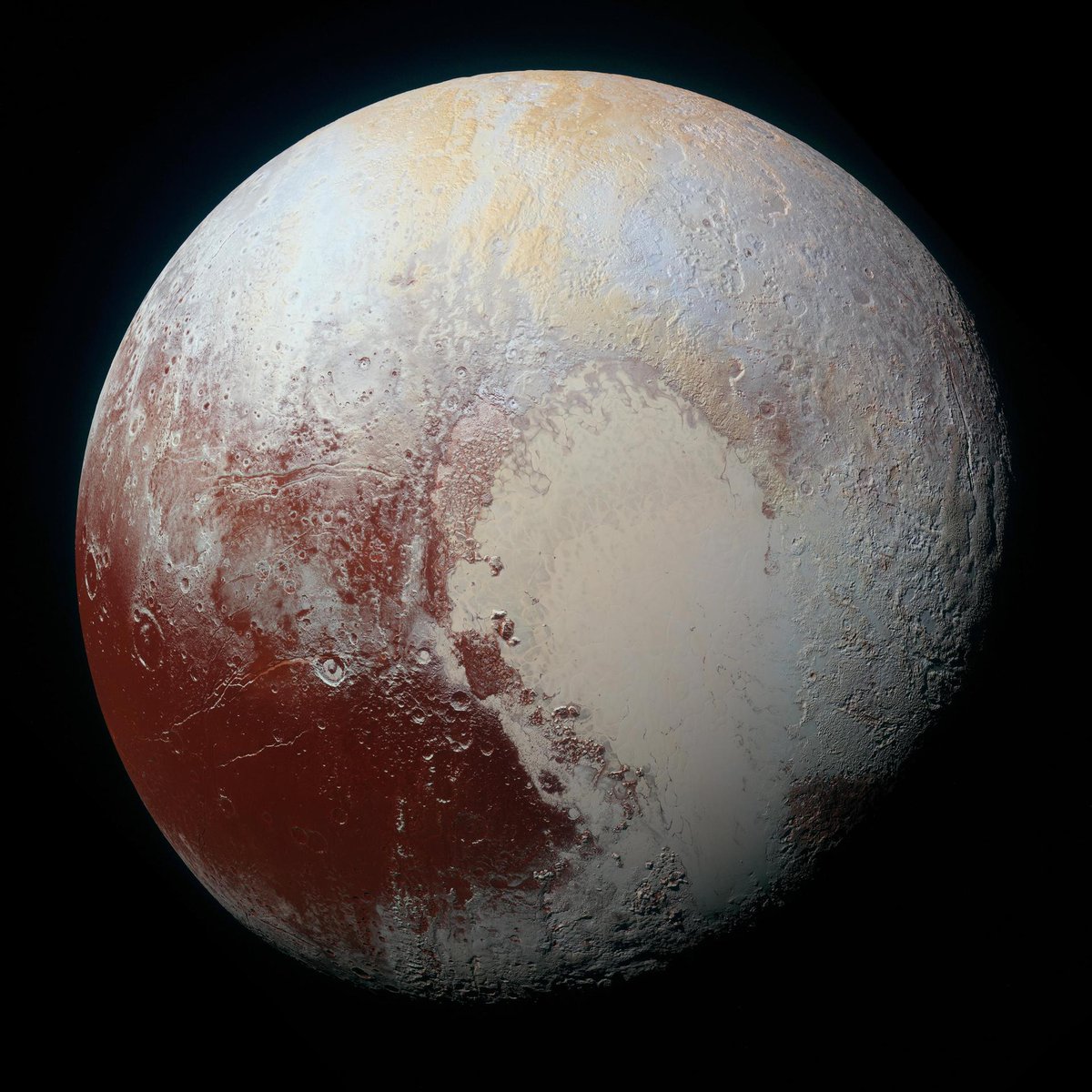
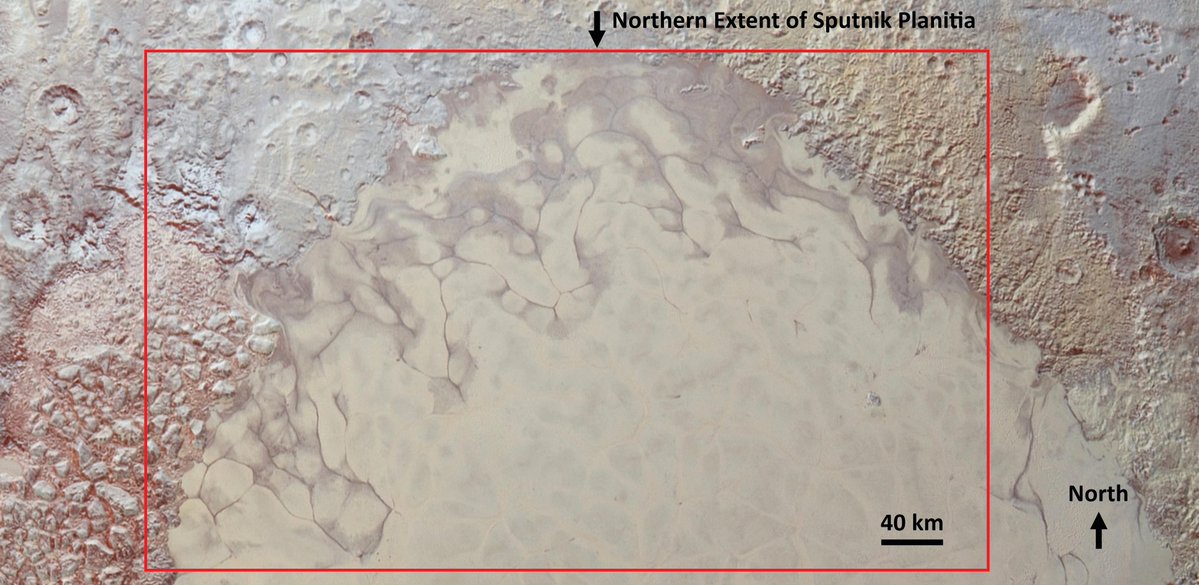
Pluto's heart is keeping a secret. 💗
NASA's New Horizons found the first evidence that liquid nitrogen recently reached Pluto's surface beneath Sputnik Planitia, the iconic heart-shaped glacier. The discovery suggests Pluto is more active than imagined. https://t.co/RtSZPSNofg
On Aug. 12, a total solar eclipse will cross Iceland and Spain. NASA will be there!
The U.S. won’t see totality this time, so we’re bringing the science to you. Follow along this week! ☀️
https://t.co/gWolno6fNN
Our spacecraft have been on the surface and in the skies of Mars for more than 50 years. What would you ask NASA Mars scientists about the past, present, and future of exploration?
Join us on Wednesday, Aug. 5, from 11:00am-12:30pm PT for a @Reddit AMA: https://t.co/woTzOvnR9G
Welcome online, DSS-23!
Deep Space Station 23 – the newest antenna in NASA's Deep Space Network – began operations today at the Goldstone complex in California. See all of the DSN stations and which spacecraft they're talking to at https://t.co/kZRImN1vvY
Over one million names will be traveling a million miles away in space in less than a month!
Roman’s Send Your Name campaign wrapped up with over 1.3 million names submitted. Make sure to tune in Aug 30 at 7:26 am ET to watch the observatory launch from @NASAKennedy.
https://t.co/5QN6usiDhB
No shade, but are you ready for the total solar eclipse on August 12?
In this Goddard Glossary, dive into the difference between umbra and penumbra — two parts of the same shadow you may see as the Moon passes in front of the Sun.
Check visibility: https://t.co/ugcneiBZbf
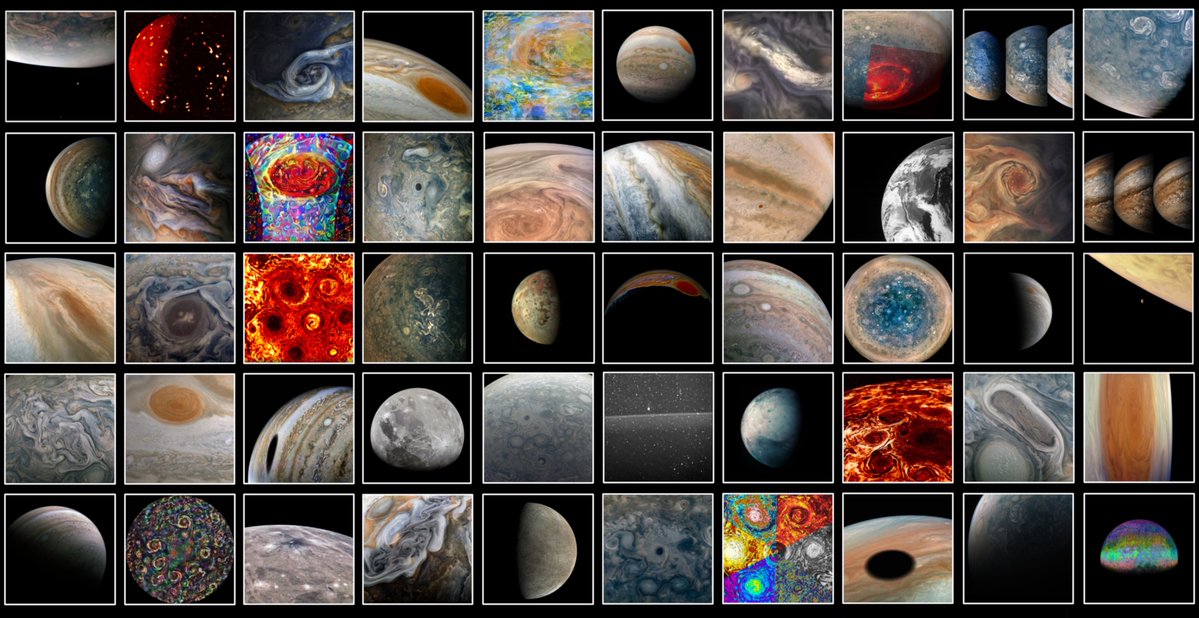
@NASAJPL@SwRI Join Juno on its ongoing journey at https://t.co/xTtwFe8R1y and https://t.co/EkED4b4KFs, where you can find the latest discoveries, images, and videos about this mission dedicated to the King of the Planets. 7/7 https://t.co/t3d1e9HrOW
It's been 10 years since NASA's Juno spacecraft entered orbit around Jupiter. We now see the planet as a whole new world, thanks to the insights that Juno has made possible into Jupiter's structure and family of planet-sized moons. A few highlights:🧵1/7 https://t.co/9DgmnJkBpi
@NASAJPL@SwRI The Juno mission pioneered the practice of involving members of the public to suggest targets for its main camera and to process the raw data into images that are both stunning and scientifically fruitful. 6/7
https://t.co/4M7UXIVcPg