The Cancer Immunoprevention Network (CIP-Net), established by the National Cancer Institute (NCI), advances the understanding of fundamental immunoprevention mechanisms, drives the discovery of novel strategies, and supports the preclinical development and testing of new interventions. More info: https://t.co/cB4HvgBEZw
Going from cold to hot.
How to get immunotherapy to work even better to treat cancer via the tumor microenvironment
@ScienceMagazine
https://t.co/O2OBRn0uDB
Congratulations to Dr. Philip E. Castle on his appointment as @theNCI Associate Director for Prevention!
In the role, Dr. Castle will convene and coordinate trans-NCI initiatives and activities to identify, evaluate, and translate strategies that prevent cancer or halt its progression.
https://t.co/386x8XreaN
At today’s Resource Sharing WG meeting, Dr. Dinler Amaral Antunes of @UHouston presented “Advancing Off-Target Toxicity Prediction for Immunotherapy and Immunoprevention.” A fascinating talk that sparked lively and engaging discussions!
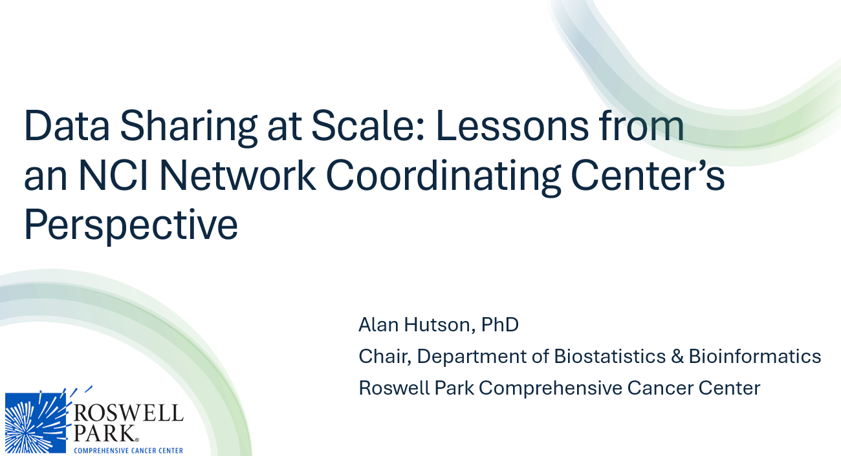
SC Co-Chair Dr. Alan Hutson @Amherst73 of @RoswellPark presented “Data Sharing at Scale: Lessons from an NCI Network Coordinating Center’s Perspective” at today’s NCI Office of Data Sharing Annual Symposium!
Learn more: https://t.co/pIFZmPKcx4
📢 Join the next NCI DCP Immunology Interest Group Seminar featuring Dr. Judith Agudo of @DanaFarber!
🧬 Topic: Immune Surveillance of Tissue Stem Cells in Steady State, Early Transformation and Beyond
📅 Dec 8 | 1 PM ET
🔗 Register: https://t.co/sQR8KjJgJy
🧬 Upcoming Joint @AACR CEWG-CPWG Webinar | Cancer Evolution Meets Cancer Prevention
How can we leverage cancer evolution to detect cancer earlier and develop more effective prevention strategies?
Join the AACR Cancer Evolution Working Group (CEWG) and Cancer Prevention Working Group (CPWG) on December 8, 2026, for an engaging joint webinar exploring how empirical and computational approaches can be combined to advance cancer interception and prevention.
🔬 Webinar Theme: Cancer Evolution Meets Cancer Prevention: Combining Empirical and Computational Techniques to Detect and Prevent Cancer
📅 Date: Tuesday, December 8, 2026
🕦 Time: 11:30 a.m.–1:00 p.m. ET
🔗 Register for the webinar: https://t.co/kb6D16Ej8L
🎙️ Moderator
E. Shelley Hwang, MD, MPH, MBA
Mary and Deryl Hart Distinguished Professor of Surgery; Director, Breast Oncology Program; Leader, PRELUDE Precancer Program, Duke University and Duke Cancer Institute
🧪 Featured Speakers
Kathleen (Kit) Curtius, PhD
Associate Professor, Division of Biomedical Informatics, Department of Medicine, University of California, San Diego; Research Health Scientist, VA San Diego Healthcare System
Kornelia Polyak, MD, PhD, FAACR
Professor of Medicine, Harvard Medical School; Department of Medical Oncology, Dana-Farber Cancer Institute
Discover how integrating empirical evidence with computational modeling can deepen our understanding of cancer development and inform innovative approaches to early detection, interception, and prevention.
We look forward to your participation!
https://t.co/PxqpIJDqHd
At today's #CIPNetSCMeeting, we thanked Dr. Haval Shirwan as he concluded his one-year term as rotating Chair. We are grateful for his inspiring leadership, dedication, and support of the network over the past year, and warmly welcome Dr. Shawn Demehri as the incoming Chair!
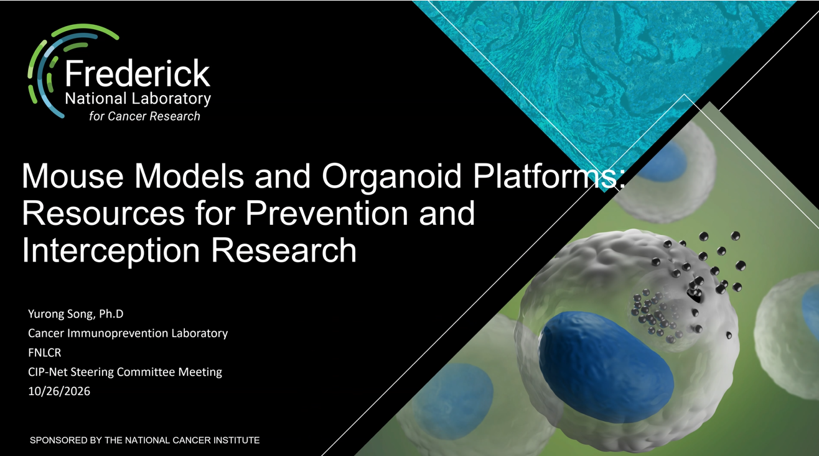
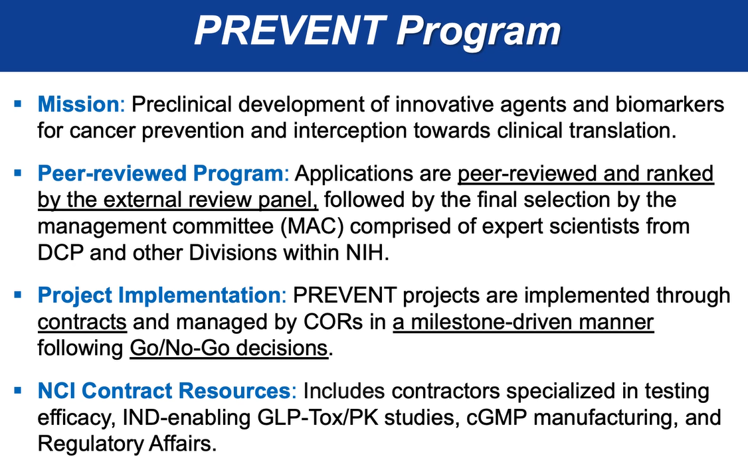
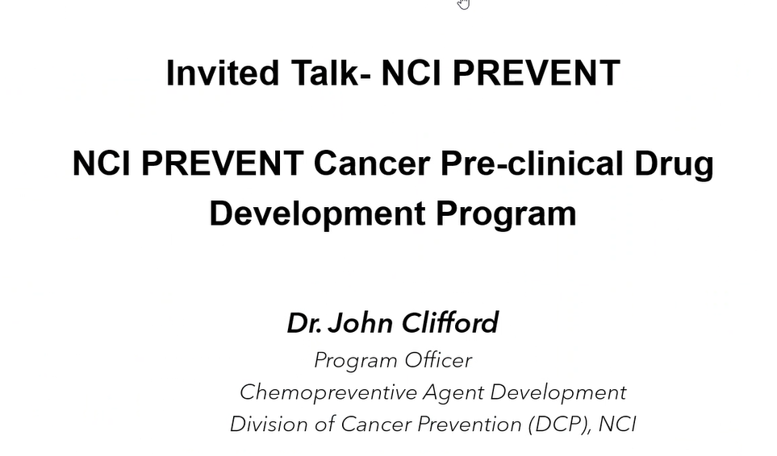
Co-Chair Dr. Alan Hutson @Amherst73 shared updates on network activities, followed by presentations from Dr. John Clifford of @theNCI, who introduced the PREVENT program, and Dr. Yurong Song of Frederick National Laboratory, who highlighted mouse model resources and the organoid platform available at the national laboratory.
Thank you to all our speakers and members for another engaging and productive meeting!
Explore systems immunology and T cell memory with #SITC! Join us Oct. 27 for the next webinar in the Computational IO Series and hear from experts about computational approaches advancing our understanding of immune responses. Register today! https://t.co/hZ2FCezItx
Excited to share the new MACS3 release (callpeak 41–64× faster) and paper from the @RoswellPark team led by @fooliu and Song Liu. MACS3 extends the widely used MACS peak caller to single-cell regulatory genomics, fully open source.
https://t.co/N9HSwNmNKJ
https://t.co/Dx8Bn1wT0Y
MACS 3.1.0 is released with a jaw-dropping 40-60x improvement in speed, thanks to @jmschreiber91's auto-optimize work! AI achieved in one weekend what I've been hoping for years! Now peak calling that once took minutes can be completed in seconds! https://t.co/xv3YWIjUCd 1/2
We are pleased to share the inaugural issue of the CIP-Net Newsletter!
This first issue highlights recent network activities, research initiatives, collaborative efforts, and key moments from our 2026 CIP-Net Annual Meeting in Buffalo. It also celebrates the contributions of our investigators, patient advocates, and the broader CIP-Net community.
Read the newsletter here: https://t.co/XdFhnjgdep
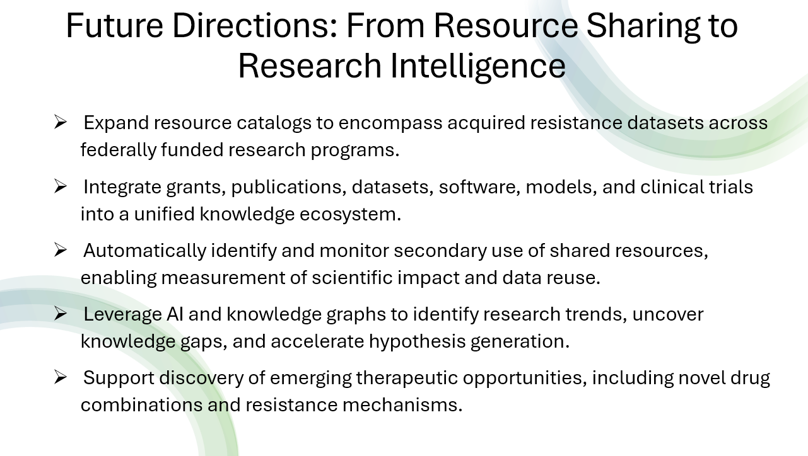
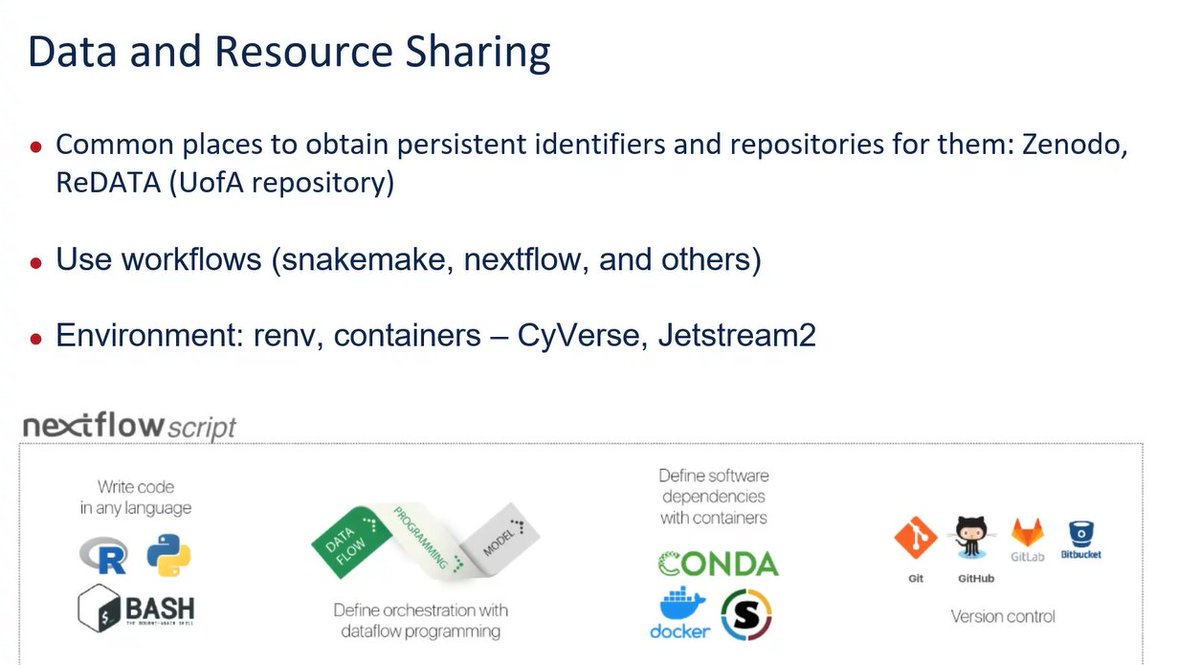
Today, the #CIPNet Resource Sharing Working Group, chaired by Dr. Anjana Bhardwaj and co-chaired by Dr. Henry Withers, met to advance resource sharing across the network, including lab-validated SOPs and other shareable resources.
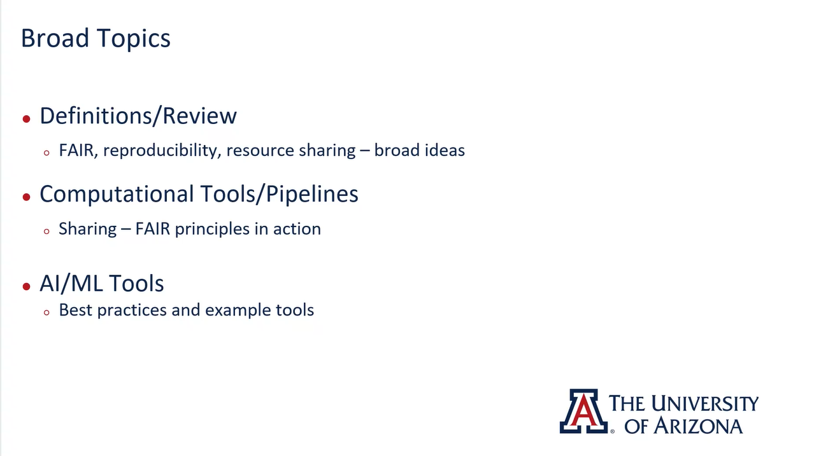
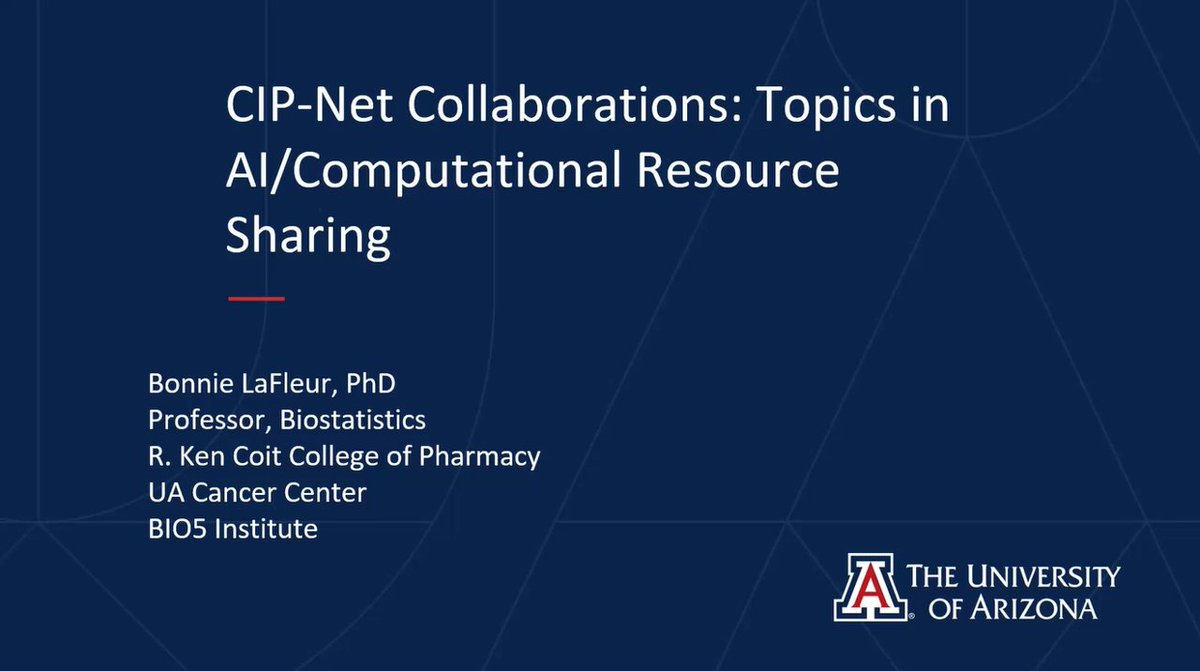
The meeting also featured a presentation by Dr. Bonnie LaFleur of @uarizona, fostering discussion and collaboration around computational and research resources across CIP-Net.
#CancerPrevention #CancerResearch #TeamScience
NEWS: NIH launches new resource accessible through PubMed to strengthen research replication and reproducibility.
Read the full story ➡️ https://t.co/eL7a5s4UN4
A new in vitro system can stimulate the production of cells that resemble human #GerminalCenter B cells, which could assist efforts to study immune responses to #vaccines. Learn more in Science #Immunology: https://t.co/pV6jWn4HHu