National Woodland Owners Association offers unbiased, research-based, factual information to inform, educate and advocate for US family forest landowners.
Check this out. A 20-year @UCBerkeley study finds forest management tools like prescribed burning and thinning reduce the risk of catastrophic wildfire & improve forest health without negatively impacting wildlife or plant biodiversity. #workingforests
https://t.co/nQBsnUNG9E
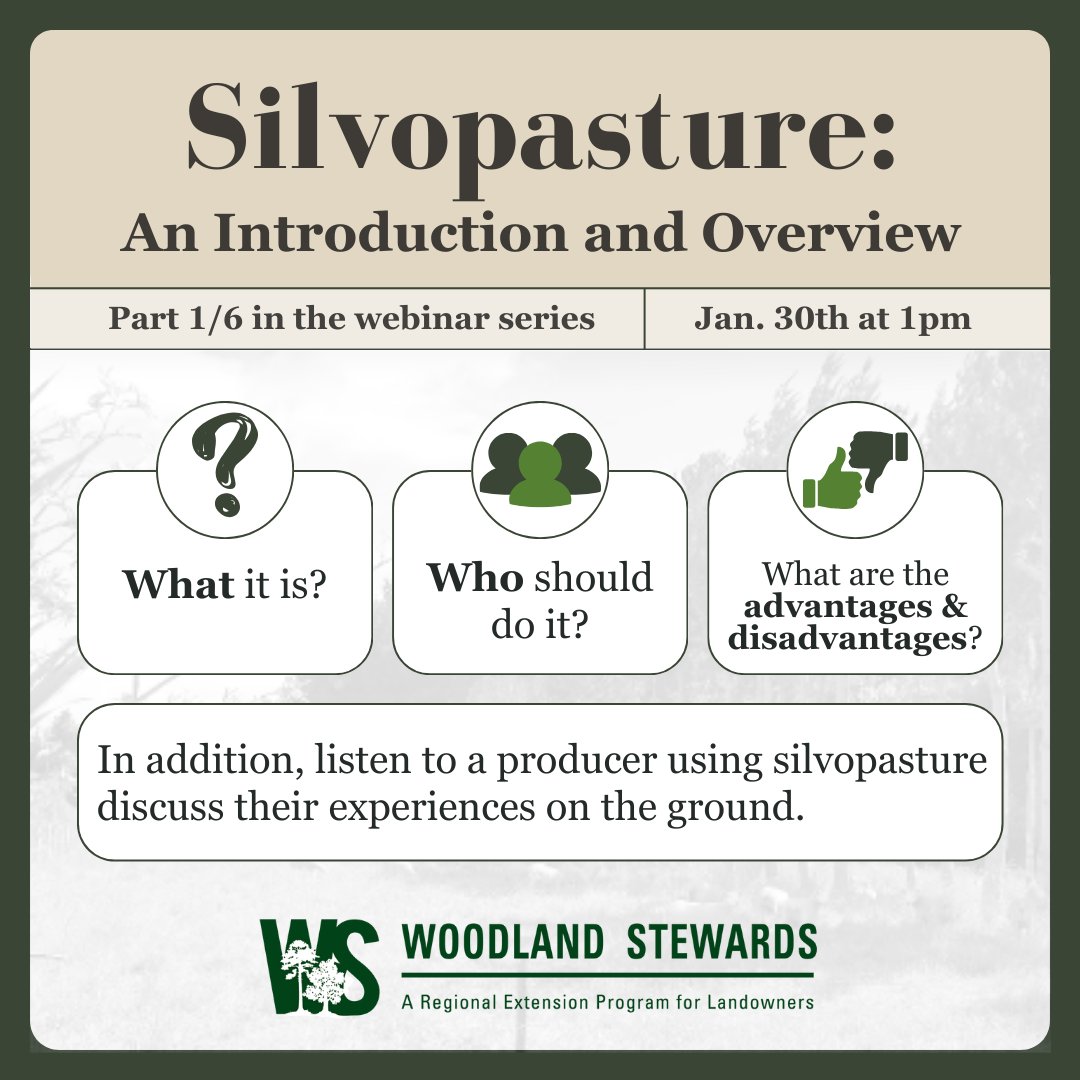
We are kicking off the Woodland Stewards Silvopasture Webinar Series on Jan 30 at 1 PM ET! Join us for the first session titled 'Silvopasture: An Introduction and Overview.'🌱
https://t.co/ewxwuWnZv5
Check out the forest sector's carbon blueprint for Washington, a plan to achieve the greatest level of climate mitigation from the working forests and forested landscapes we manage across the state. 🌲
https://t.co/pELfUgVIsw
As we roll into the weekend, for those on a last min #ChristmasTree hunt, don't forget to #KeepItReal. Our friends @nature_org made a list and checked it twice for why you should keep it real for a #climate-friendly holiday tree: https://t.co/JhsjjgjZG0 #ClimateAction#Christmas
Contrary to common beliefs, wood stands out as a renewable + energy-efficient choice. 🌲
Producing 1 kg of wood uses only 3-7 MJ, a fraction compared to plastic & steel.
Learn more on our website: https://t.co/kbLaGtQQjF.
#TruthAboutTrees#FactFriday#exTREEmelySmart
Did you know that less than 2% of working forest land is harvested each year? Responsibly managed working forests not only help us maintain a stable forest area but also support rural communities and increase forest carbon stocks. Learn more from the WFI: https://t.co/1gANC952se
More than 1,000 tons of carbon is captured every 24.7 minutes by Texas Forests. Every tree in Texas plays an important role in capturing carbon emissions and making our air and water cleaner.
👉https://t.co/nv4Q9EF7fk
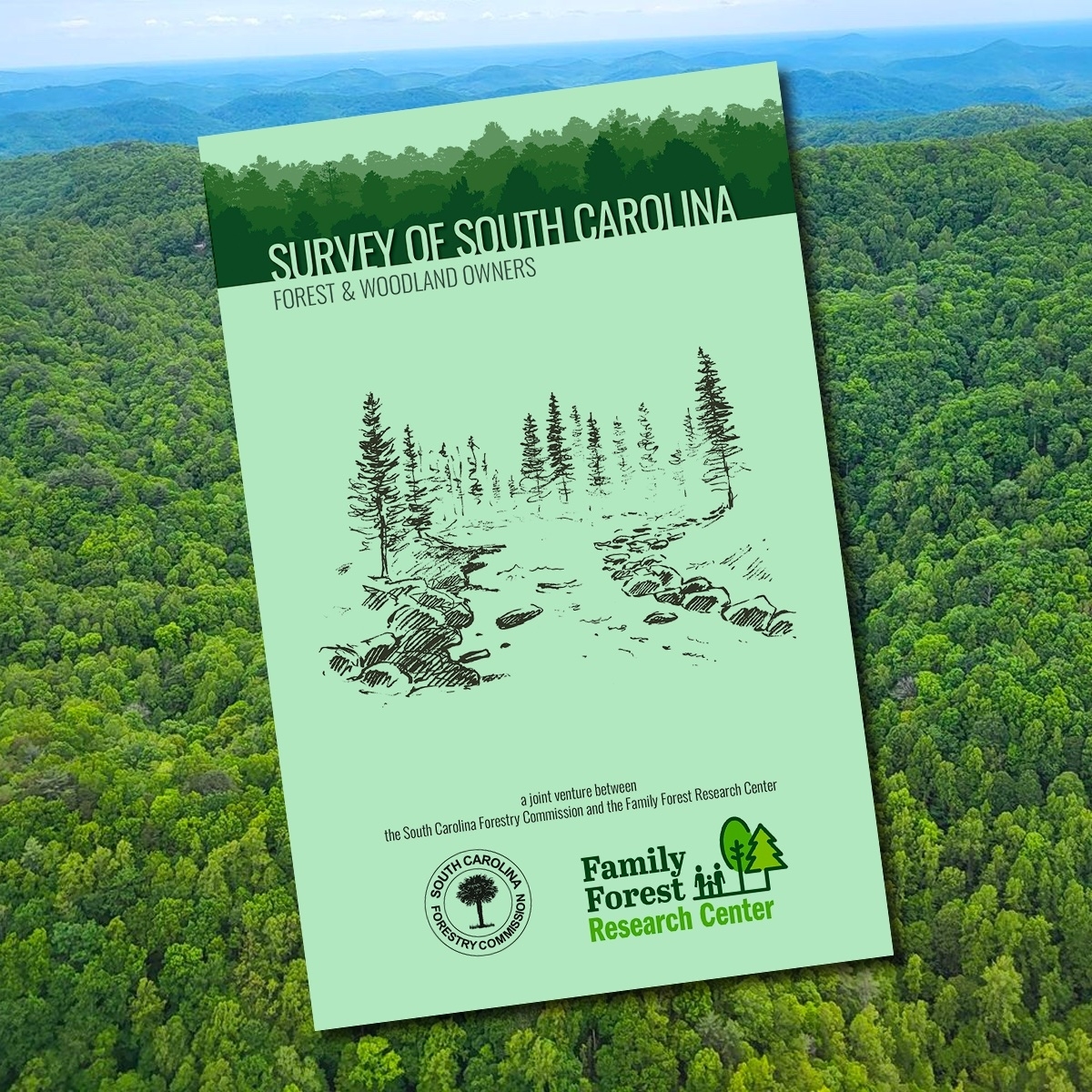
The SC Forestry Commission is conducting a statewide survey to get a better understanding of SC's forest landowners, the type of woodlands they own and how well we're serving the public. If you received the survey, please take just a few minutes to send us your responses.
Wood products make up 47 percent of all industrial raw material manufactured in the United States, yet consume only 4 percent of the energy needed to manufacture these industrial materials.
This is a key point that many armchair environmentalists miss. The owner of a working forest has a big incentive to replant after harvest, turning photons, rain, and CO2 into 2x4s and paper bags. If you use paper bags, you are incentivizing keeping more land as forest.
Every man, women and child in the US "consumes" about 74 cubic ft. of wood each year. That wood comes in many forms from construction lumber to furniture to tissue paper to packaging and energy. If the 74 cubic feet were dry Douglas-fir, it would weigh over 2300 lbs.!