Stargazing …or rather, Earthgazing… on Mars! 🌏🔭
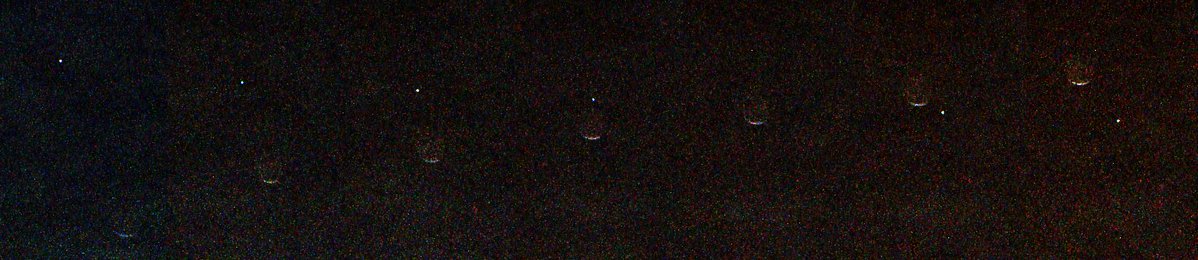
Perseverance watched as Earth vanished behind the moon Phobos in the evening sky. This is the first time humanity has made an observation from the surface of another planet showing Earth disappearing behind a celestial body.
A Mars helicopter with a tuxedo tail?
In this demo for SkyFall, a new, flexible antenna is put through its paces. This ground penetrating radar antenna will hunt for frozen water beneath the Martian surface ⏤ a critical resource for future astronauts.
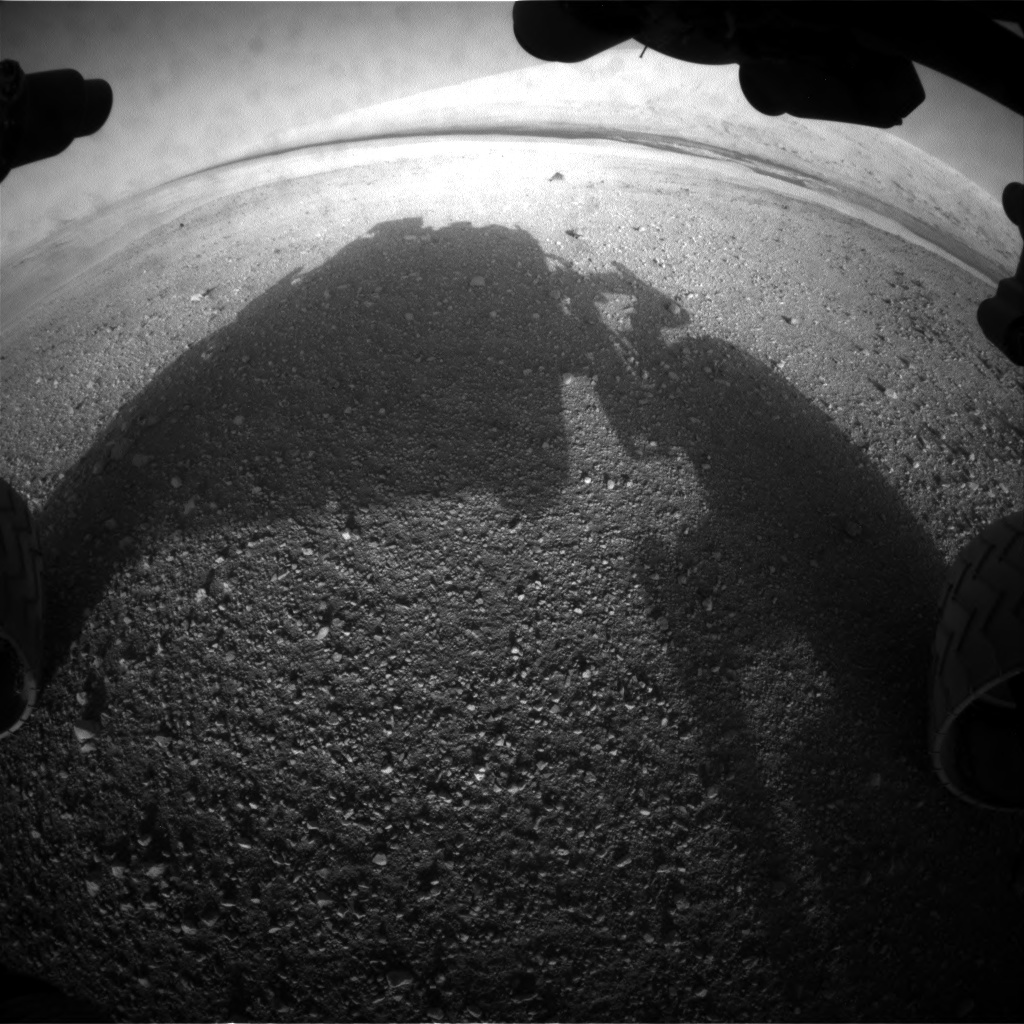
In its 14 years on Mars, the Curiosity rover has taken more than 700,000 images, but this one is special – because it was one of the first.
Happy landiversary, Curiosity!
Our spacecraft have been on the surface and in the skies of Mars for more than 50 years. What would you ask NASA Mars scientists about the past, present, and future of exploration?
Join us on Wednesday, Aug. 5, from 11:00am-12:30pm PT for a @Reddit AMA: https://t.co/woTzOvnR9G
What have we learned about Mars in the last fifty years? Our @Reddit AMA on Martian exploration is live — we'll be back to answer your questions at 2pm ET (1800 UTC): https://t.co/ksRiPBOFcN
Our spacecraft have been on the surface and in the skies of Mars for more than 50 years. What would you ask NASA Mars scientists about the past, present, and future of exploration?
Join us on Wednesday, Aug. 5, from 11:00am-12:30pm PT for a @Reddit AMA: https://t.co/woTzOvnR9G
50 years ago, Viking began a journey to answer one of humanity's biggest questions: Are we alone? It showed us that searching for life requires deep knowledge of life and the worlds we explore, shaping five decades of NASA discovery. Download new posters & wallpapers today: https://t.co/P5JO756DMz
On July 20, 1976, NASA’s Viking 1 lander broke ground on 50 years of Mars surface exploration.
From the first landing, to rovers crossing the desert, to helicopter flights, we’ve been digging into the secrets of Mars ever since.
50 years ago, Viking began a journey to answer one of humanity's biggest questions: Are we alone? It showed us that searching for life requires deep knowledge of life and the worlds we explore, shaping five decades of NASA discovery. Download new posters & wallpapers today: https://t.co/P5JO756DMz
What was once only visible from a distance, we could now reach out and grasp…
Throughout history, humanity dreamed of Mars – but it was never within reach. That changed 50 years ago when NASA's Viking 1 lander touched down on the surface of the Red Planet on July 20, 1976.
50 years ago, Viking began a journey to answer one of humanity's biggest questions: Are we alone? It showed us that searching for life requires deep knowledge of life and the worlds we explore, shaping five decades of NASA discovery. Download new posters & wallpapers today: https://t.co/P5JO756DMz
What happens if Martian astronauts lose communication with Earth? 🛰️
This week on #HWHAP, hear firsthand audio logs from NASA’s CHAPEA crew as they navigate a simulated two-week communications blackout, plus insights from NASA scientist Sarah Whiting on what it means for future Mars exploration. https://t.co/6USApI9WV5
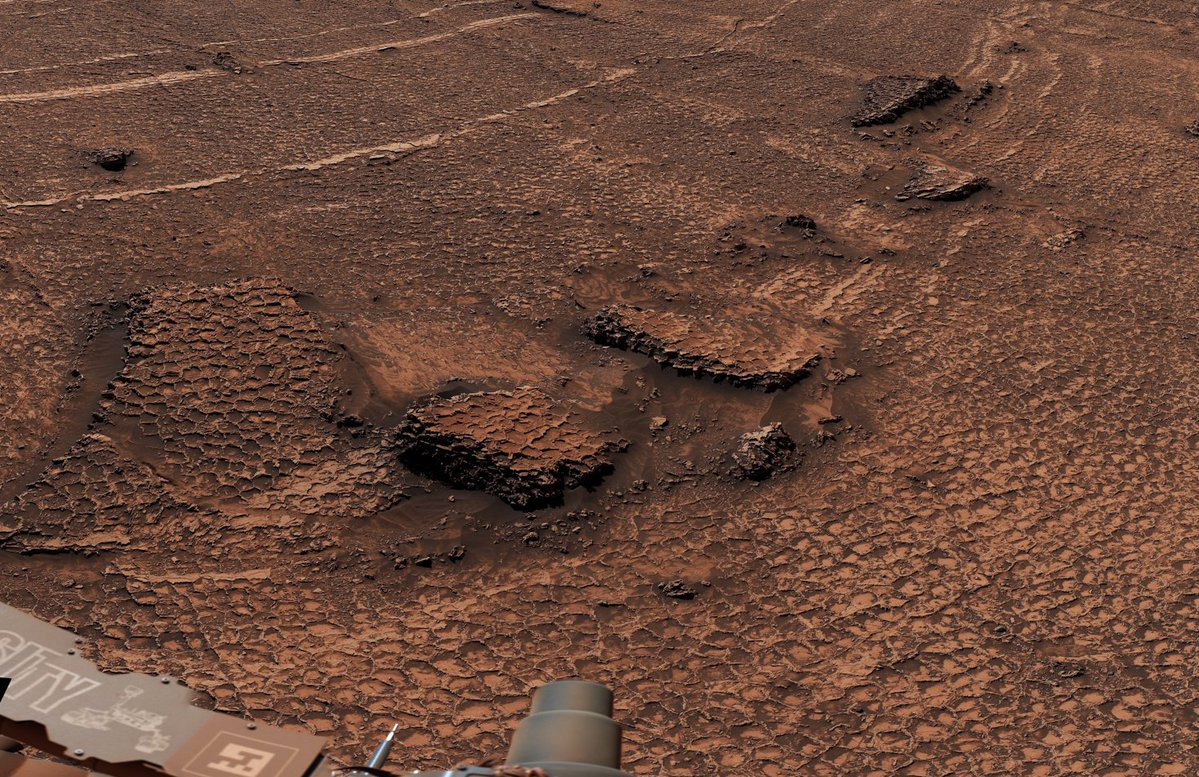
Curiosity has delivered a new 360-degree panorama from Mars. “We’ve seen a lot of fascinating landscapes through Curiosity’s eyes, but this sea of polygons took our breath away,” said the mission’s project scientist. 1/2
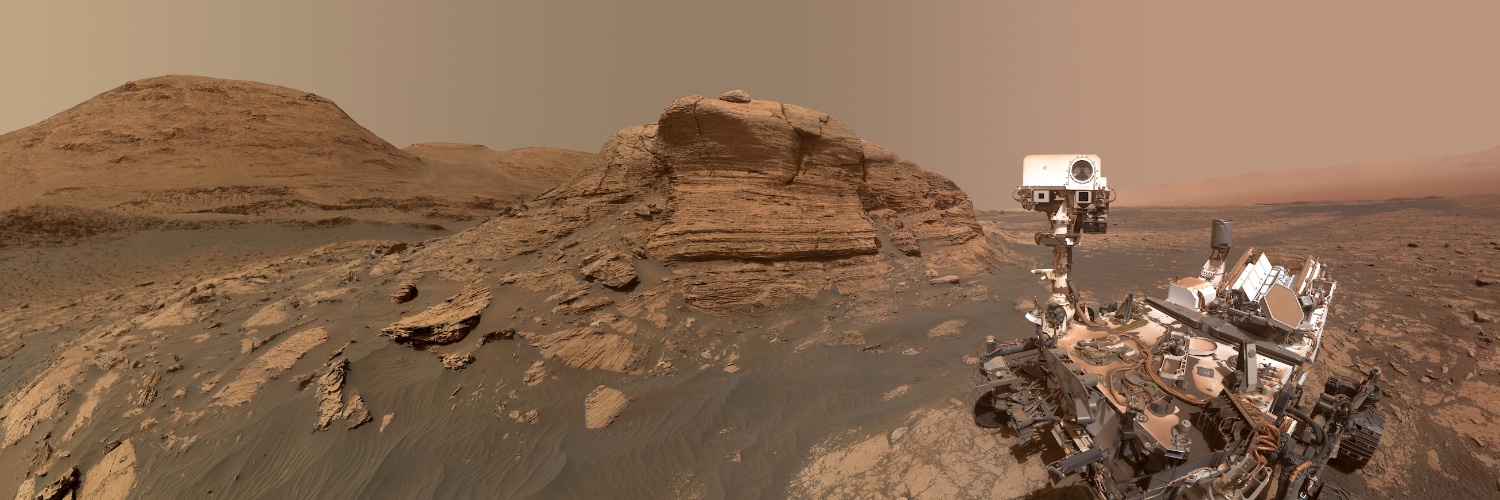
@yFactr@NASAJPL In the last image, the sand-capped butte nicknamed “Miraflores” is estimated to be about 20 feet (6 meters) tall. The wind-eroded formations on the horizon in the other image are more than a kilometer away.
When the twin ESCAPADE spacecraft arrive at Mars in September 2027, they will study how the solar wind interacts with the Martian environment and how that drives atmospheric loss at the Red Planet. https://t.co/ighZ4rnvCZ
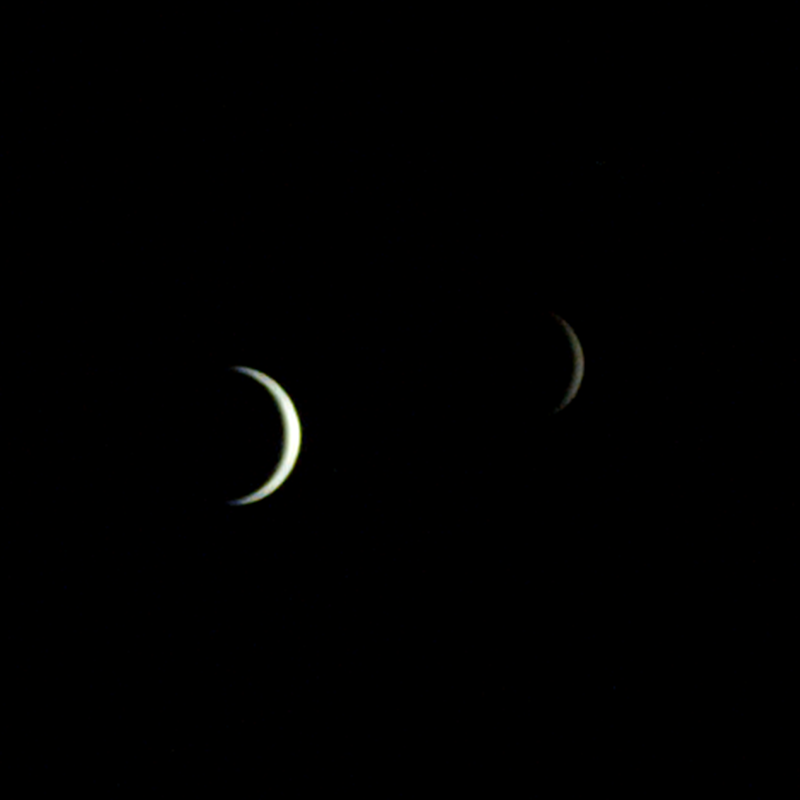
Say cheese, Earth and Moon! 📸
One of our two Mars-bound ESCAPADE spacecraft captured Earth and the Moon from 363,250 miles (584,600 kilometers) away. In visible light, both worlds appear as slim crescents.
But switch to thermal infrared and it’s a different picture 👇 🧵1/2
Although NASA's MAVEN mission recently ended, scientists are still making discoveries from 11+ years of spacecraft data. Just today, researchers reported signs that some kinds of auroras on Mars form in a similar way to Earth-based auroras. https://t.co/862dtzEUA9
50 years ago, @NASA's three-legged Viking spacecraft landed on Mars. It was our 1st ground-level glimpse of the Red Planet. 🤩
Today, analog missions on Earth are helping us prepare to send humans to Mars!