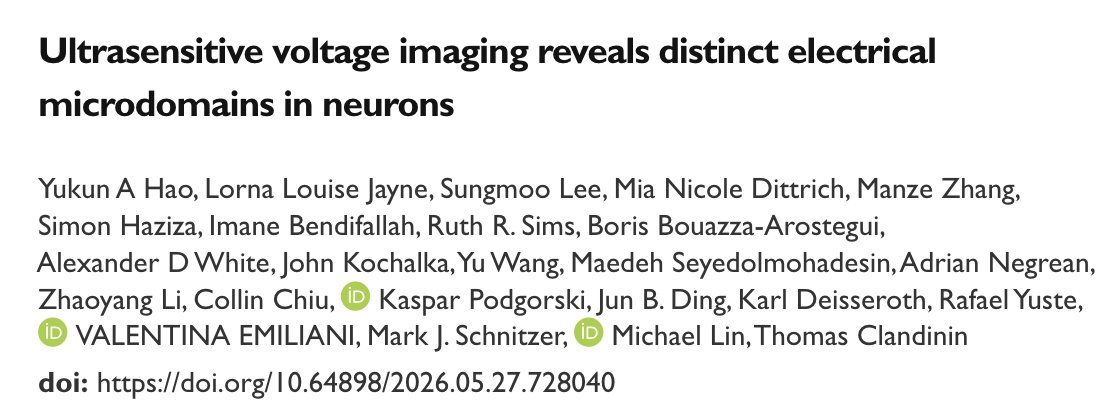
Excited to announce a powerful new one-two punch for voltage imaging from our lab and collaborators! In two new preprints, we introduce ASAP6c for high-throughput population spike-recording, and ASAP7yfor deep, subthreshold 2P imaging.
🧵 1/14
Where a signaling protein lives matters as much as what it does. Our new tool lets you interrogate this one compartment at a time.��We built TerminaTOR, a genetically encodable inhibitor that silences mTORC1 at subcellular locations.
🔬Publication - by Dr. Steven Lin @NatureComms
The newly established #genome-wide #CRISPR screening platform identified key regulators of #NK#cell functions, suggesting potential engineering targets for more potent NK #cancer#immunotherapy. https://t.co/Rl9yVCWiIm
#biochem
Excited to share that our AzoTag paper is now out in @NatureChemistry! 🥳
We demonstrate de novo chemo-optogenetics through the rational design of photoresponsive small molecules and selection of their artificial protein binding pairs.
https://t.co/Rtjc3irDS3
[Please RT]
Hiring: Research Technician II – Inoue Lab, WashU
We build new optical sensors AND apply them in vivo to study brain disorders.
Looking for someone excited about: stereotaxic surgery & mouse handling, neural circuit imaging
Great prep for PhD / MD-PhD applicants.
Took a break from science-posting for several months (will explain later), but excited to finally discuss some recent work from the lab.
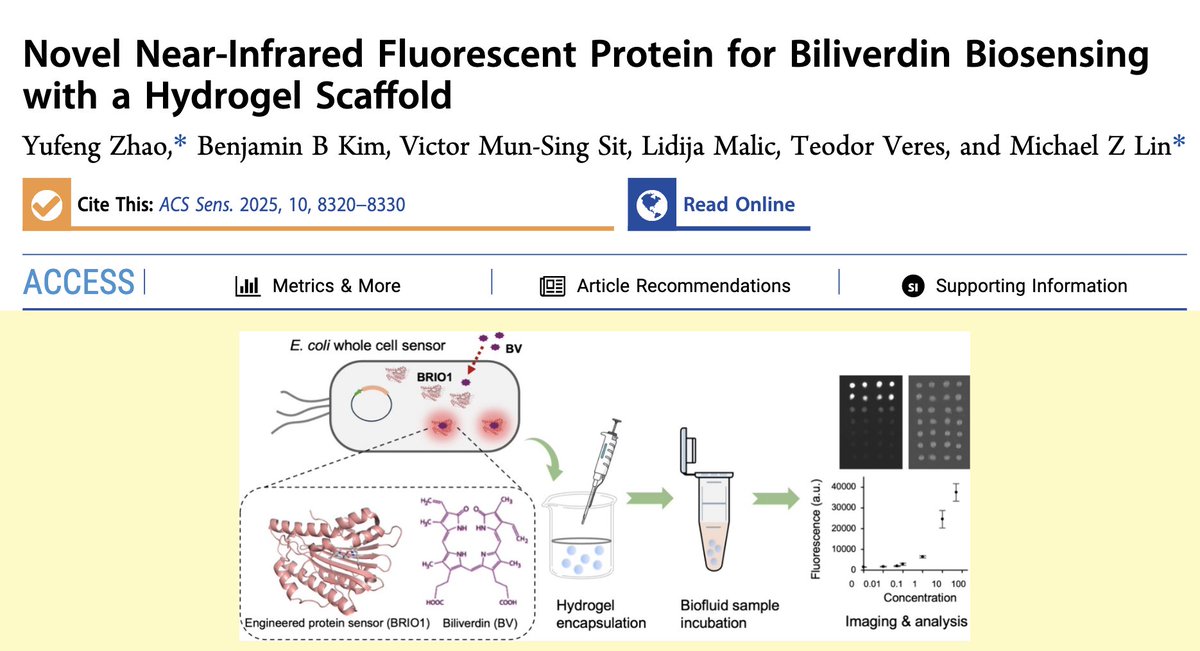
First up, a new solution to the old problem: How to engineer proteins to bind to a natural metabolite of interest, in this case biliverdin
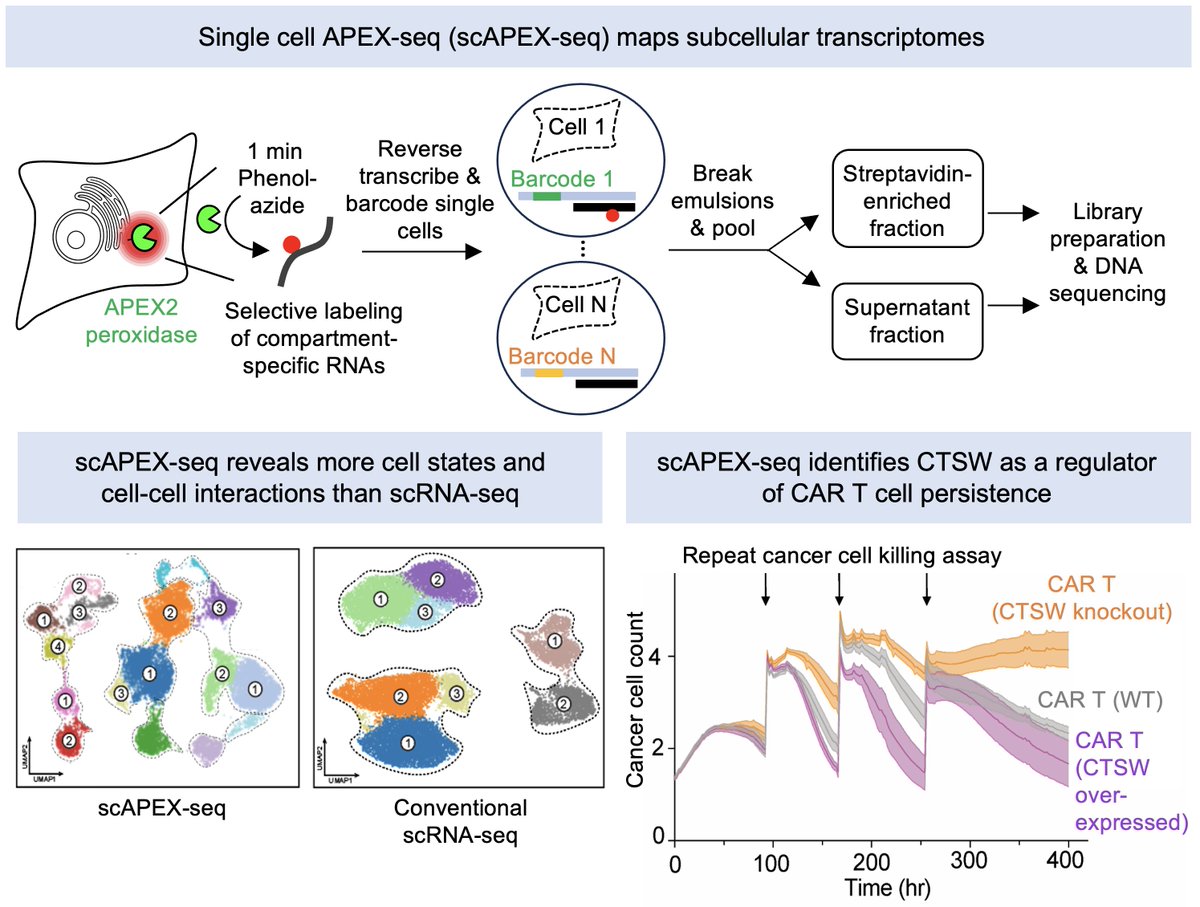
Today we report single-cell APEX-seq (scAPEX-seq) — a new method for unbiased mapping of *subcellular* transcriptomes at single-cell resolution. This approach reveals cell states that are not detectable by standard scRNA-seq, and enabled us to identify regulators of CAR T function that improve solid tumor killing.
https://t.co/iAJUj6jBQ4
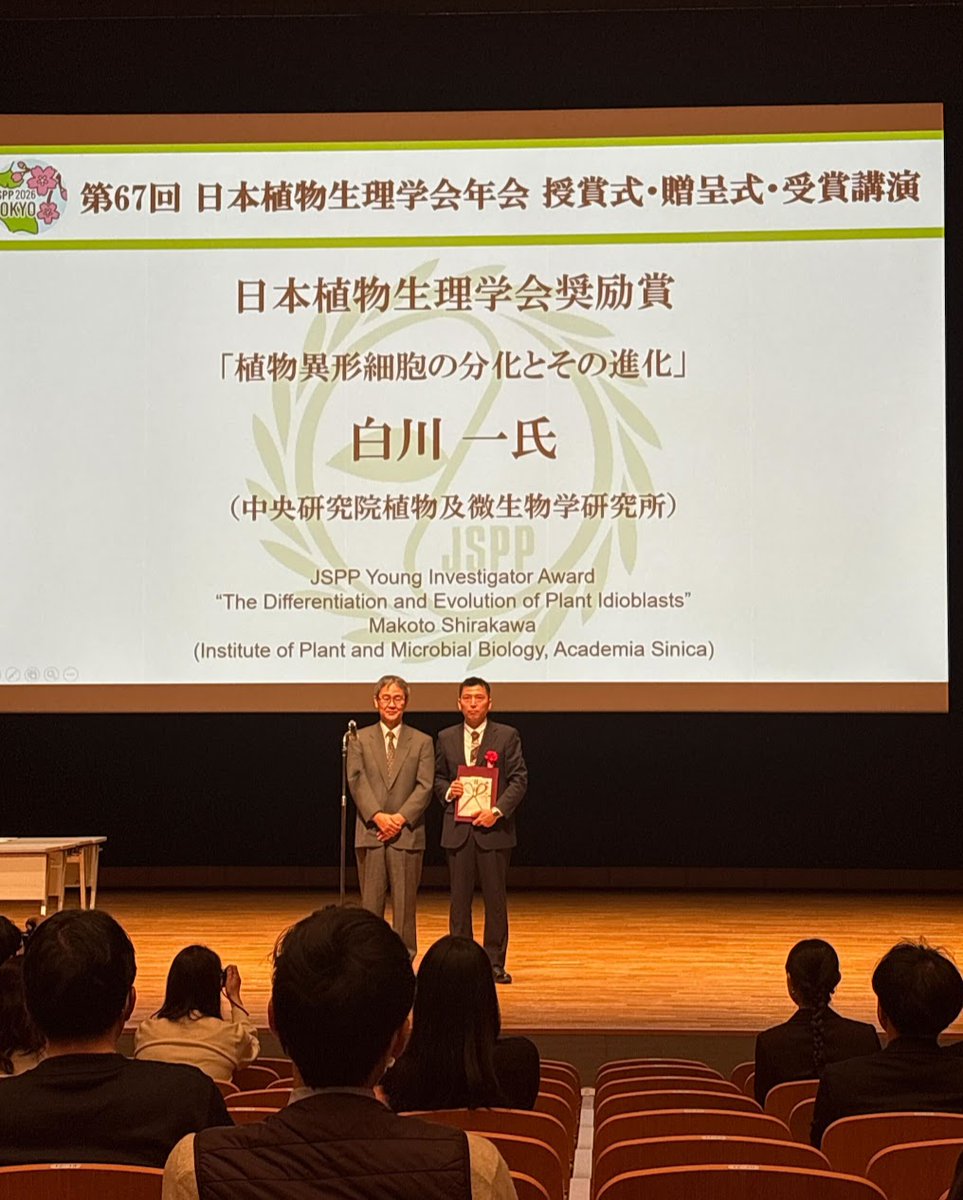
Congratulations to Dr. Makoto Shirakawa @MakotoShirakaw2 on receiving the JSPP Young Investigator Award! The award ceremony was held on March 14 in Tokyo.
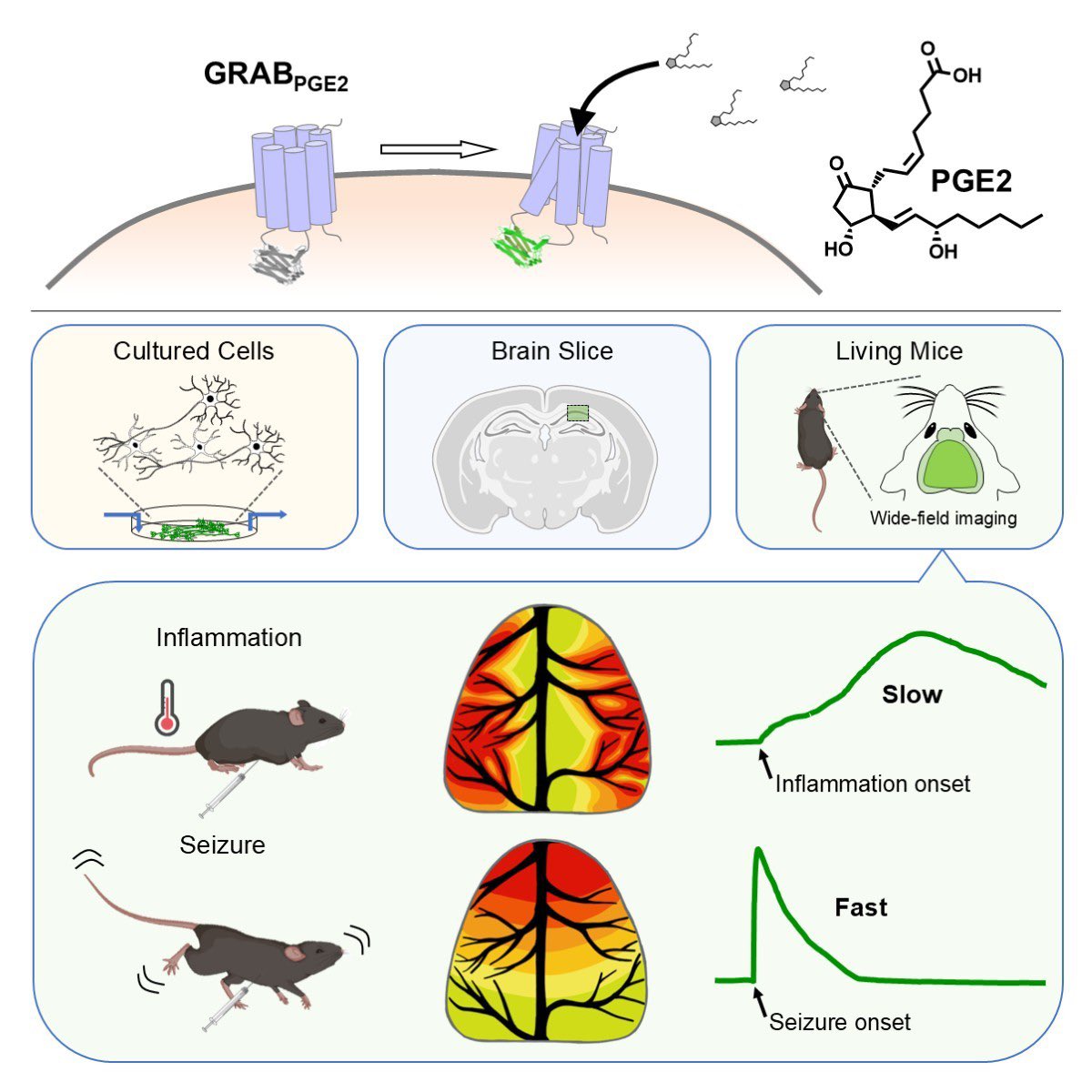
Excited to share our new paper on GRAB_PGE2-1.0, the first genetically encoded fluorescent sensor for monitoring spatiotemporal prostaglandin E2 (PGE2) dynamics in vivo! It enables real-time imaging in cultured cells, acute brain slices, and living mice.
Excited to share our new preprint with @fbayashi_T!
We developed a boosted PURE-based cell-free FADS platform for rapid protein evolution.
Using this platform, we evolved highly robust SP6 RNA polymerases and engineered split variants that sense diverse biomolecular interactions.
Our collaborative study with Yasui lab @sciencetokyo_ja is out in @ScienceAdvances ! With gRNA/GeNL tagging, we showed that cancer-derived small EVs can reach and be concentrated in urine via transcytosis, providing rationale for urinary liquid biopsy. https://t.co/4F23HMTuL7
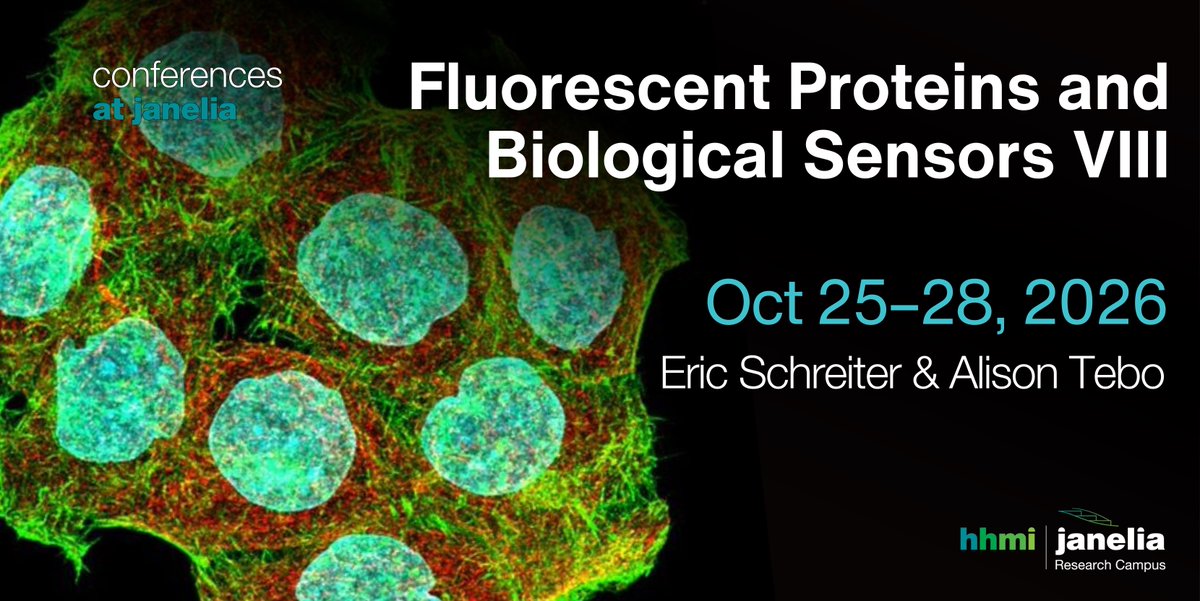
📢 Applications are open! Join us @HHMIJanelia to explore next-gen fluorescent proteins, biosensors, imaging advances + ML/computational approaches to accelerate design.
🛏️ Meals & lodging covered
Apply by May 21 ➡️ https://t.co/4dhTYdVmWg
@HHMIscience @ERSchreiter@agtebo
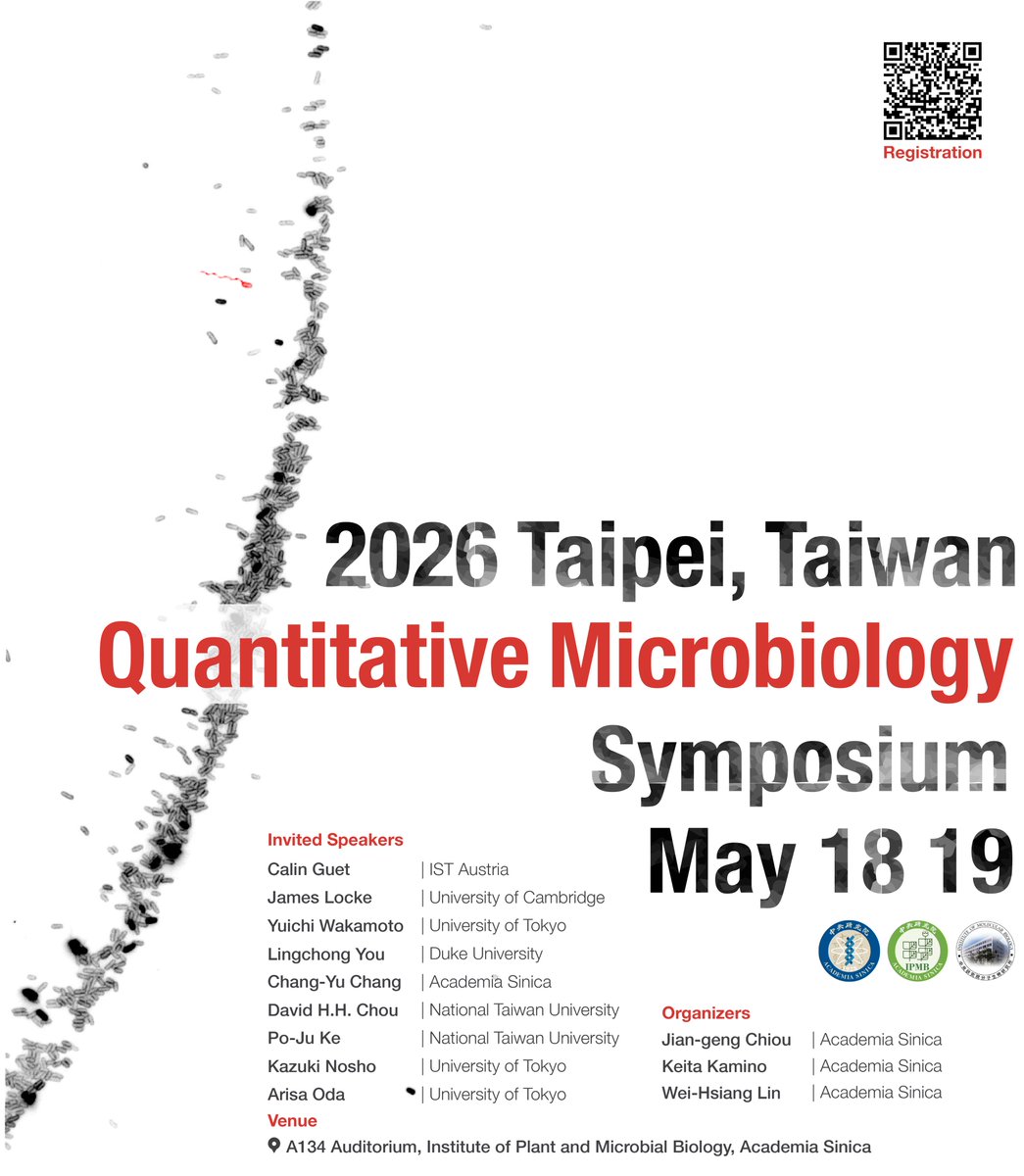
Come join us at the Quantitative Microbiology Symposium this May in Taipei!
We’ve invited outstanding researchers working at the interface of the mathematical sciences and microbiology.
For details and registration, see: https://t.co/TVwXgaxrTw
🧪🧬 New preprint!
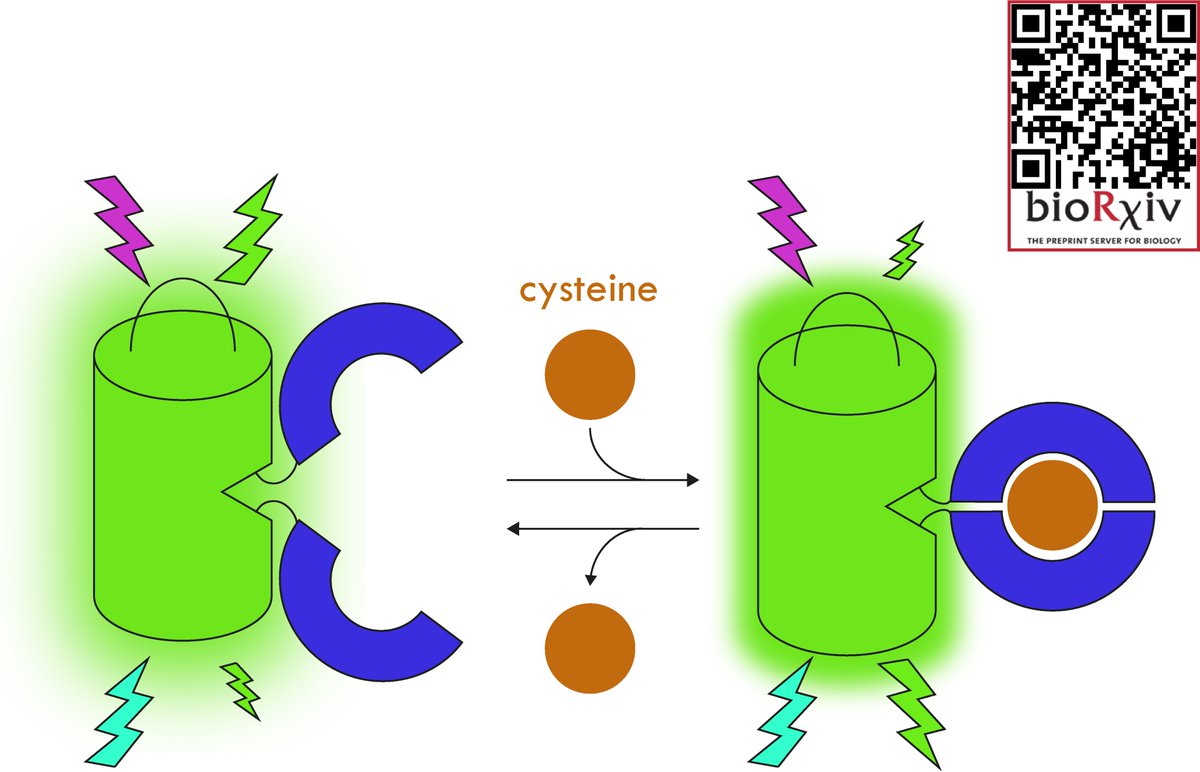
What if the same biosensor could reveal how cysteine is regulated across life domains?
We introduce Cystector, a genetically encoded fluorescent biosensor for real-time cysteine monitoring in living cells.
https://t.co/HEtzOkhrt6
🧵A thread ⬇️
A new kalium channelrhodopsin from our collaboration with Wan-Chen Lin's lab! @IBMS_AcadSinica Strong suppression of axonal excitation and glutamate release from the long-range CA3 input for the critical tests at our hands :-)
https://t.co/ZtAnHuqRHX









![feynman1104's tweet photo. [Please RT]
Hiring: Research Technician II – Inoue Lab, WashU
We build new optical sensors AND apply them in vivo to study brain disorders.
Looking for someone excited about: stereotaxic surgery & mouse handling, neural circuit imaging
Great prep for PhD / MD-PhD applicants. https://t.co/97UXQeCFND](https://pbs.twimg.com/media/HFZJr26a8AAYQbR.jpg)