Is brain circuit targeted TMS better at treating depression than scalp targeted TMS? New paper by Joe Taylor @Brain_Circuits out today in @JAMAPsych says yes!
Connectivity- vs Scalp-Based Targeting of Accelerated TMS for Depression https://t.co/F04CIP1y0q
Openly shared implementation of TMS targeting is still rare, so we are pleased to make ours freely available for research use: https://t.co/UpBrpkhZjJ
Let us know if you have any issue running it!
This whole thread is fucking fascinating and every technocratic liberal who scratches their chin about IQ, heritability, etc, needs to read it and get their shit rocked. It’s all SES. Always has been.
Can lesion network mapping predict survival in children with brain tumors? Collaboration with UCL and @Brain_Circuits in @Nature suggests the answer is yes. Cutting the tumor off from this network may confer survival benefit.
https://t.co/CiVAfkLiIv
We recently saw two people with lesions of the right mid to posterior insula.
What do you guess – they lost all desire to enjoy which of these guilty pleasures:
A. gambling
B. sex
C. eating junk food
D. getting massages
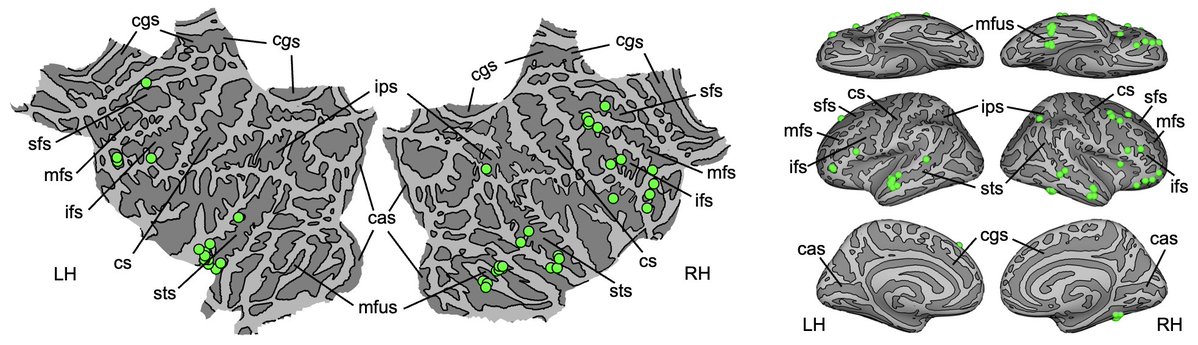
New preprint: "Monosynaptic connections link functionally similar regions in human cortex." We use electrical stimulation + fMRI in epilepsy patients to map whole-brain monosynaptic connectivity at 42 cortical sites. https://t.co/rSSSVsMWCQ 1/n
ROBUST Lesion Network Mapping
Very beautiful work showcasing the power of permutation to address potential LNM concerns
Testing LNM existence is a critical 1st step, and the findings indicate that migraine lacks an LNM signature
Nice work @hesheng3 and team!
Myself and @psalkovskis are looking for UK-based volunteers (18+) who identify as having OCD, panic disorder, or no current mental health difficulties.
Email: [email protected] to take part
Or learn more here: https://t.co/zzoJngLLfM .
New from us:
🗞️Special issue on secondary ("organic") psychosis just out in Schizophrenia Research edited by @_GrahamBlackman and me, but very much led by Graham:
https://t.co/GL2VvvW4QK
Excellent articles on pressing clinical and scientific issues from a host of authors👇
Polysynaptic routes in the WHITE MATTER CONNECTOME reveal neuroanatomical basis for TMS therapy
Shorter anatomical routes between stimulation site & deep brain target predict superior response
A step fwd for Network Neuroscience!
Out now: @NatureNeuro
https://t.co/iAhLrkuJAA
Categorization is ‘baked’ into the brain — a Perspective by Lisa Feldman Barrett & Earl K. Miller
@LFeldmanBarrett@MillerLabMIT
https://t.co/gDGnwN2Iom
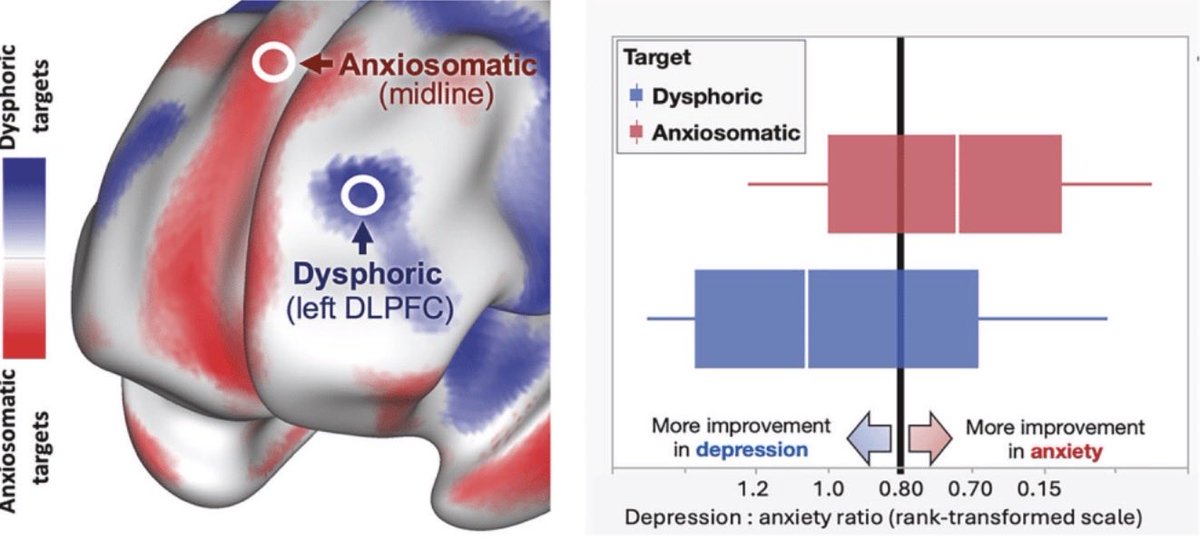
Our latest in @molpsychiatry: In patients with anxiety+depression, targeting a novel “anxiosomatic” circuit in dmPFC outperforms standard dlPFC target for anxiety, and equally effective for depression.
https://t.co/QhETO2V1Es
En 2019, la neurocientífica del MIT Nancy Kanwisher dio una conferencia de 1 hora sobre cómo tu cerebro da forma a tu mente.
Cambiará tu forma de pensar.
Sus ideas:
· Tu cerebro construye la realidad
· El daño puede borrar habilidades
· Por qué los niños se recuperan (pero los adultos no)
12 lecciones sobre el cerebro humano:
Does connectivity of a DBS site relate to beta oscillations and clinical response in Parkinson’s disease? New paper by @bahnebahners@Brain_Circuits says yes! “We identified a DBS response network that resembles the MRI network and operates in the high beta band.”
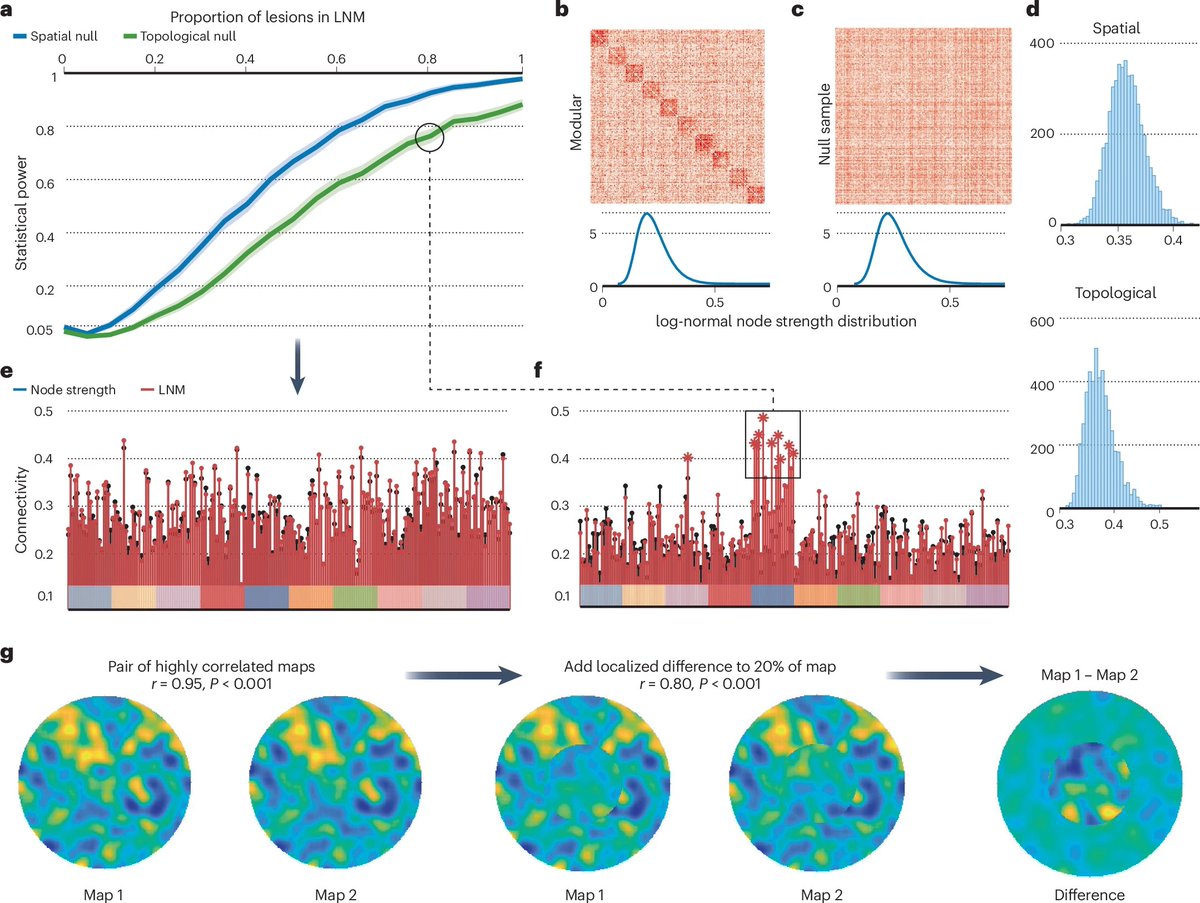
Our view on the LNM critique is out in @NatureNeuro
https://t.co/PvMGR8NGBF
In our view the critique exposes limitations in statistical inference for LNM maps rather than LNM methodology
Null models could address some of the important concerns, strengthening LNM’s value
1/9
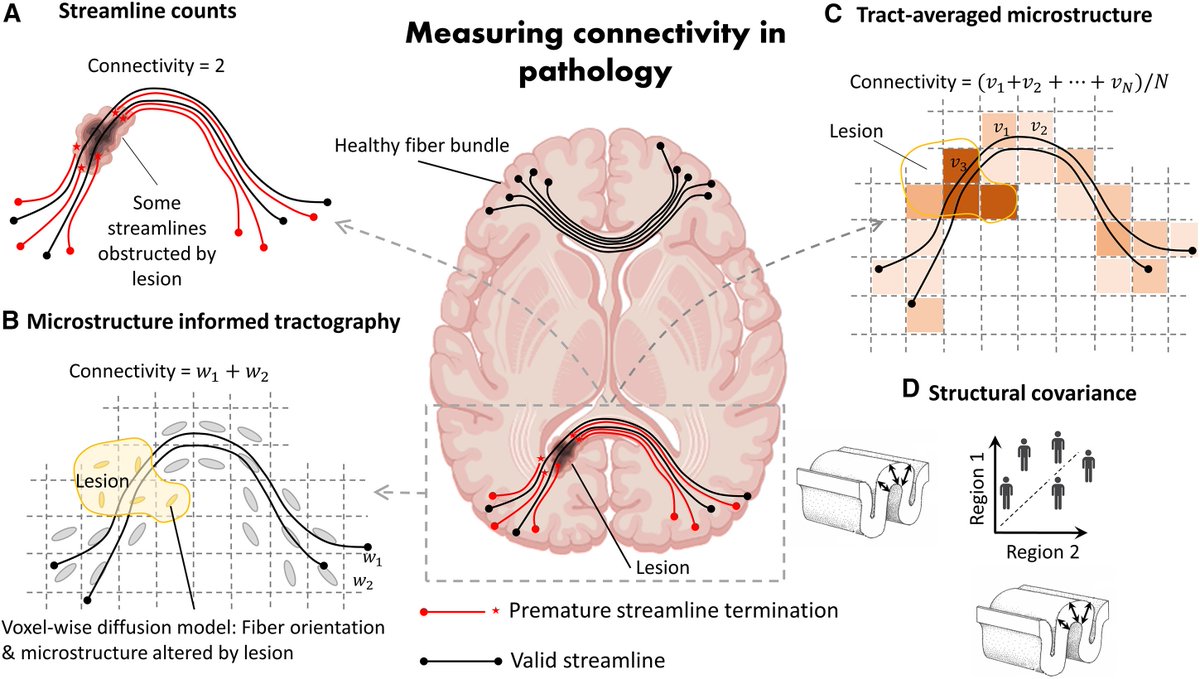
Mapping connectomes in disease?
Check out our article on clinical connectomics in @NeuroCellPress
- Tractography behavior in disease
- How to measure connectivity
- How pathology impacts each stage of connectome mapping
- Multiscale connectomics
https://t.co/u4CcFuPjPL
Meta-analysis: The effects of repetitive transcranial magnetic stimulation (rTMS) on the brain are much smaller than previously thought, and have been shown to diminish in newer, more sophisticated studies — providing yet another example of the infamous 'decline effect'.
Repetitive transcranial magnetic stimulation (rTMS) is extensively used in both clinical and research settings, yet the underlying neurophysiological mechanisms, particularly outside motor cortex, remain poorly understood. Here, we provide the first large-scale systematic review and meta-analysis to jointly evaluate high- and low-frequency rTMS and Theta-Burst-Stimulation (TBS) across primary motor cortex (M1), non-primary motor cortex, and cerebellar regions,
Our key findings reveal that the effects of both excitatory and inhibitory protocols on motor evoked potentials (MEPs) are substantially smaller than previously reported, and show considerable between-study heterogeneity and indications of potential publication bias, raising concerns about the stability and reproducibility of these estimates even within primary motor cortex.
Furthermore, inhibitory motor evoked potential effects fail to survive sham-normalization. Critically, across TMS-EEG measures that directly indexed cortical excitability particularly outside primary motor cortex, we found no consistent effects for any protocol.
Furthermore, meta-regression revealed decreasing effects over years, driven by greater methodological rigor and neuronavigation use. We noted consistent attenuation of effect sizes across all protocols in more recent, methodologically rigorous studies with larger sample sizes, neuronavigated, sham-controlled and test-retest designs indicating that earlier literature likely overestimated neurophysiological efficacy of single-session rTMS.
Collectively, these results suggest that rTMS-induced changes in cortical excitability are considerably more context-dependent, variable, and less robust than previously assumed, challenging the traditional binary model of “excitatory or inhibitory” neuromodulation dependent on stimulation protocols.
[The decline effect (“The Truth Wears Off”) is the phenomenon where the strength of scientific findings—particularly in psychology and medicine—diminishes over time, with subsequent replications showing smaller effect sizes than the original studies.]
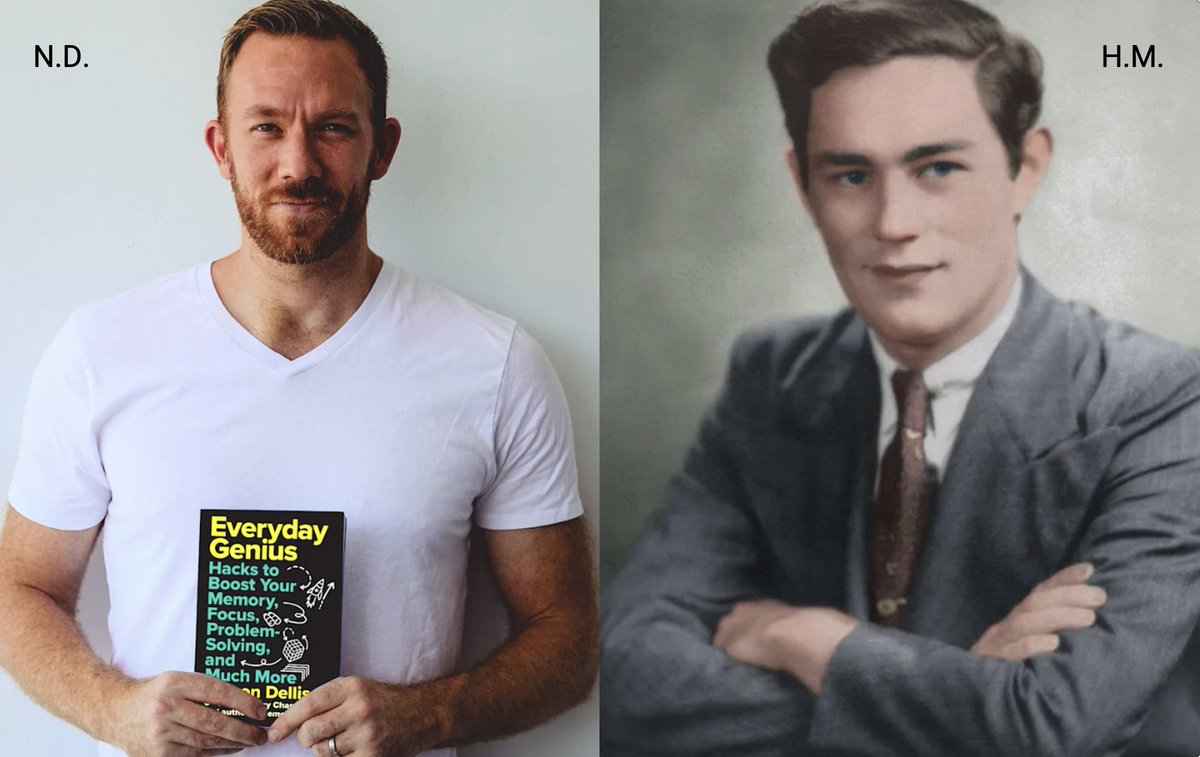
Most of what's known about human memory stems from H.M., who had his hippocampus removed bilaterally. So we studied memory champion Nelson Dellis with precision brain mapping. Everyone's memory is crap ... 10 digits. He's memorized 10,000, by making it a skill, more like juggling
Working memory is crappy and cannot be improved. Most of human memory capability is earmarked for specific tasks, … navigation, social interactions, skill learning. Use Method of Loci for 1,000x better ‘memory’ https://t.co/t8Nc8j5X37
With it, our team at the University of Iowa will seek to understand the cognitive and neurophysiological impacts of a new method of intracranial electrical stimulation.