Please @ me or DM me if you want your #neurometabolism related research retweeted. Include a direct link to the paper (Pubmed or publisher) and a sentence on “what’s new” or what the major take-home message is.
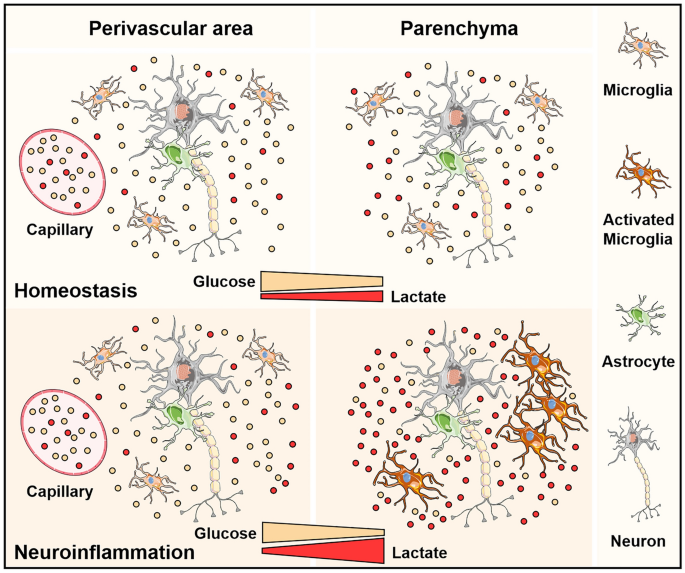
Inflammation and microglia impact brain energy metabolism causing local changes in metabolism. Metabolic flexibility protects neuronal network function against alterations in local substrate availability during moderate neuroinflammation. https://t.co/rHff1XWkFx
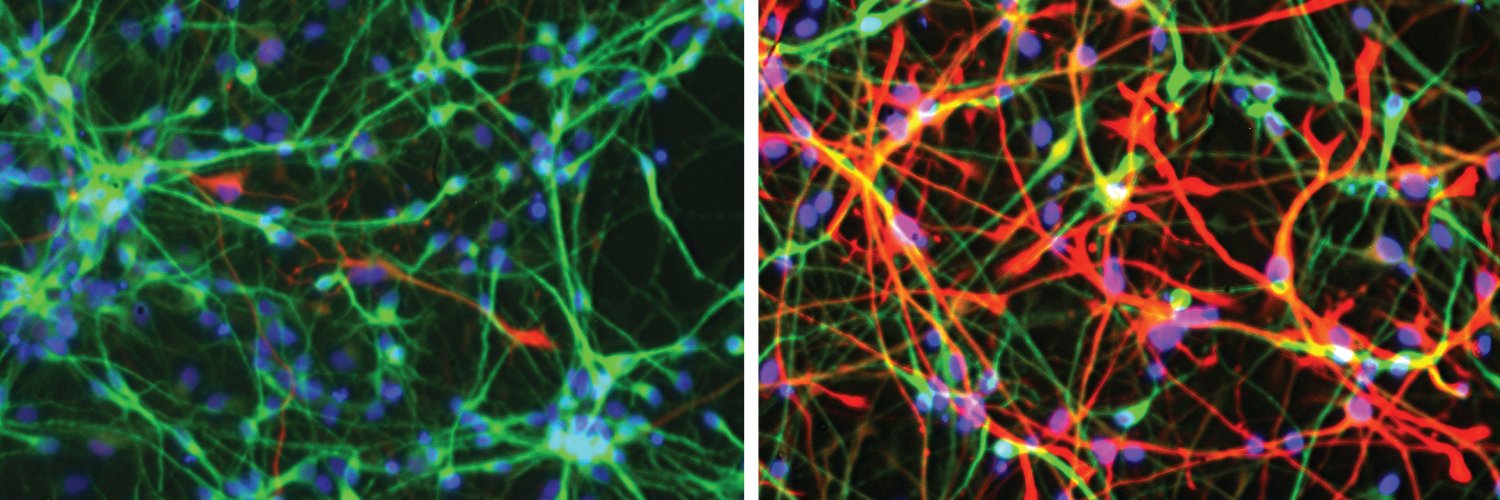
UIC researchers led by Subhash Pandey of @uiccom found that adolescent drinking can lead to adult anxiety. Now, they've found an epigenetic factor that could help break that link:
https://t.co/kALZOBrQDT
Our latest @Nature paper is out! We show that transplanting mitochondria into endothelial cells boosts their ability to form blood vessels in ischemic tissues, with mitophagy as the key mechanism. A potential game-changer for vascular cell therapies. https://t.co/ViscFIc9sv
RESEARCH | JT Hees, @HarbauerL et al. (@MPIforBI):
A new mechanism integrates #insulin signaling with distal mitochondrial quality control in neurons via AMPK/PINK1, with implications for insulin resistance in neurons.
https://t.co/EKt5JgGdvU
Congrats @rterao82025206 #mitsuyoshida and @ApteLab: uncovering the link between aging, cholesterol, NAD+ and immunosenescence in retinal neurodegeneration in AMD. @WustlDOVS @WUSTLdbbs @WUSTLmed #yosasaki https://t.co/islX3Bp5Zh
Obesity is associated with reduced cerebral blood flow:
🩳 Waist size +1cm associated with same reduction in cerebral blood flow as +1year age
🏃♀️ Higher levels of physical activity shown to potentially modify these associations
https://t.co/pr1NgOH0sI
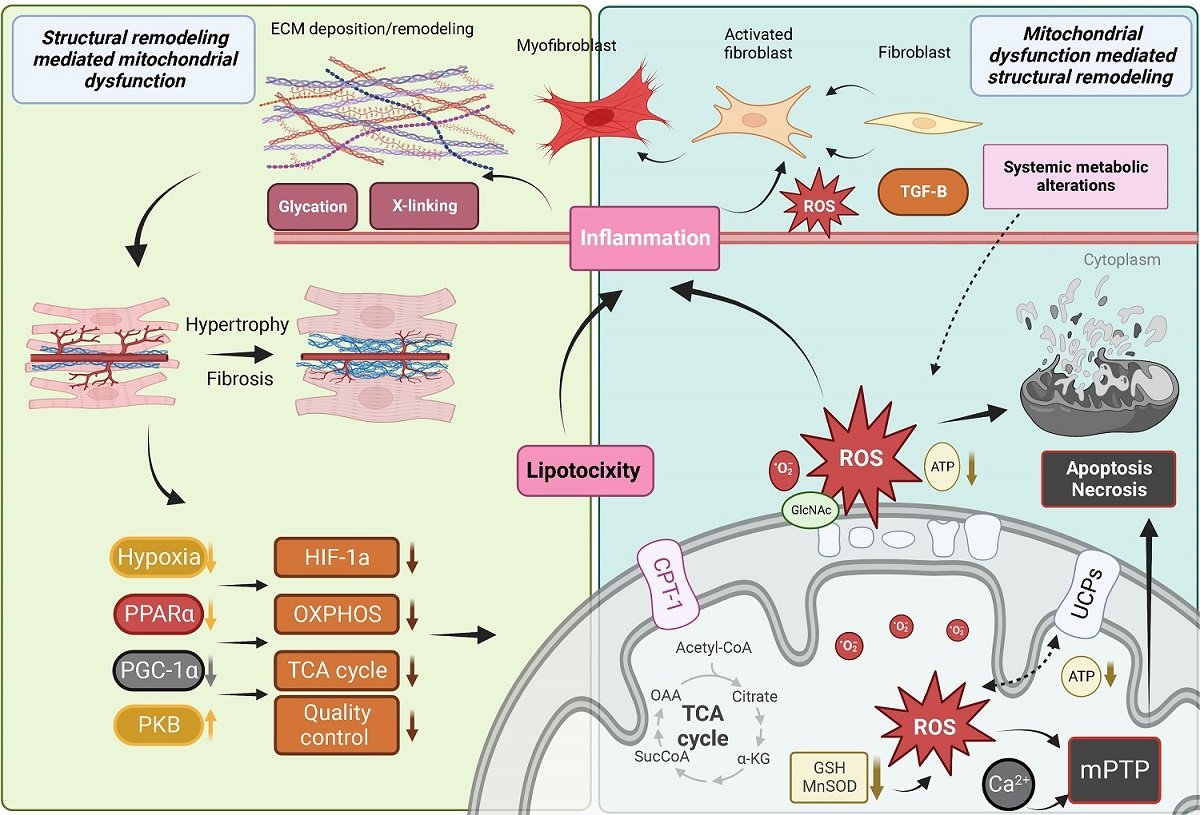
Review from Dr. @BoudinaSihem et al provided a perspective on the bi-directional relationship between cardiac mitochondrial dysfunction and myocardial structural remodeling in the context of metabolic heart disease, natural cardiac aging, and heart failure
https://t.co/oQhNJyO8HC
Registration open, abstracts until Mar 25 for both days. TRINS speakers include E Reynolds, A Stranahan, V VanLaar, @CamillaScheele, @psweigert, @DarleenSandoval, K Dungan, S Stanley, @DalmBrian, @D_Kroetz_UCSF KEYNOTE Michael Czech. Join us and pls RT!!
Fast food french fries are frying our brains.
A new study tested the effects of reheated sesame and mustard seed oil on first generation offspring of rats.
The reheated oils mimicked deep fried oils that are often used to cook foods like french fries at fast food restaurants.
These oils are known to lose their antioxidant value and accumulate peroxides, acrylamides, trans fats, and polycyclic aromatic hydrocarbons.
The study found that the reheated fries caused liver and colon damage in the rats, which lead to dysfunctional lipid metabolism.
Ultimately, the amount of DHA (An important omega 3 fatty acid) that the brain needs was decreased- which led to higher levels of neurodegeneration found in the female rats brains and their offspring.
Parents, please don't give your kids fries that have been cooked in reheated seed oils.
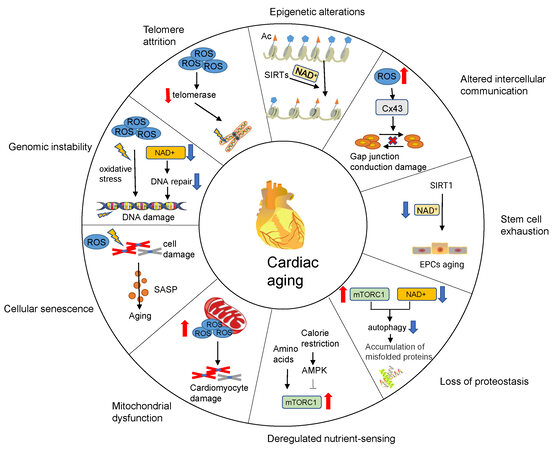
This review from Dr. Junjie Xiao et al. summarized recent findings concerning metabolic changes during cardiac aging and highlights the therapeutic approaches that target metabolic pathways in #cardiac#aging.
https://t.co/0aGN8h5zyY
"Homocysteine metabolites inhibit autophagy"
Elevated homocysteine levels have been associated with increased risk of cardiovascular disease, dementia, and several mental health conditions, including depression, bipolar disorder, and schizophrenia.
https://t.co/C8Yx00KnOL
Our lab's third paper is out @NatureComms
in collaboration with @Puthanveettil_S @UFScripps and @Ryohei_Neuro@MPFNeuro.
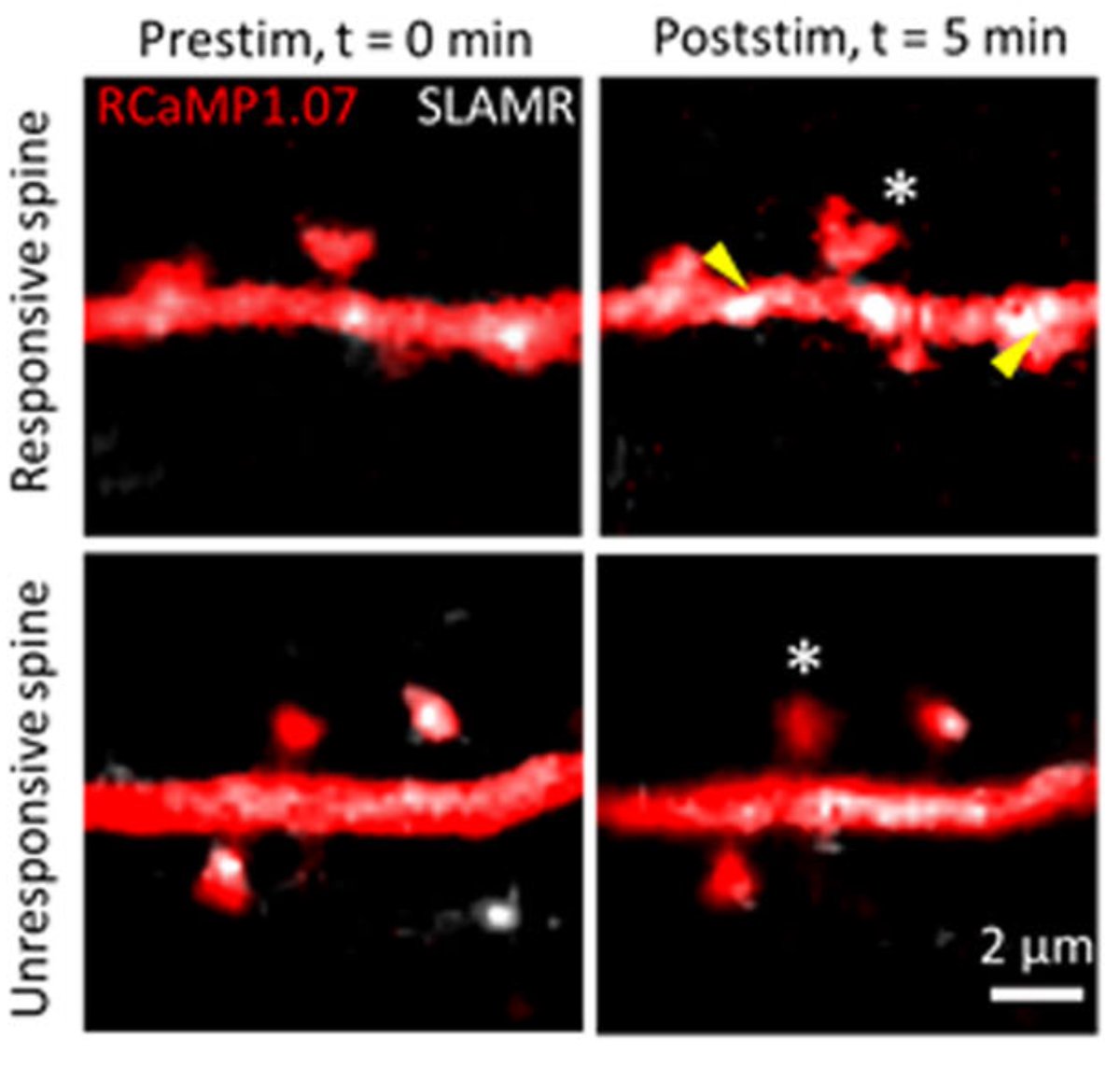
Our postdocs @WingfieldJenna and @ilikaghosh09 got together to trace the transport of the long non-coding RNA SLAMR into synapses during synaptic plasticity