🚨 REPORT: 82% of physicians are now employed by hospitals or corporate entities. Nearly two-thirds of practices are no longer physician-owned.
This outcome should not surprise anyone.
For more than a decade, Medicare payment cuts, mounting administrative burden, growing insurer oligopolies, and policies that disadvantage independent practices have made this outcome entirely predictable.
If lawmakers want more competition, lower costs, and better access to care, preserving independent practice must be part of the conversation.
No single reform will reverse decades of consolidation. But policymakers can start by fixing Medicare, fixing prior authorization, expanding physician-owned hospitals, and strengthening antitrust enforcement.
Dive into the full study 👉
https://t.co/FJ227IpoHa
@AANSNeuro@CNS_Update@spinesection@AANSCNStrauma@painsection@councilsns@physicianhosp
@elyasandkhoy He and his wife had another small business - retail, if I recall correctly - so they were able to live off that for the time being until they realized it just wasn't sustainable.
🚨 REPORT: 82% of physicians are now employed by hospitals or corporate entities. Nearly two-thirds of practices are no longer physician-owned.
This outcome should not surprise anyone.
For more than a decade, Medicare payment cuts, mounting administrative burden, growing insurer oligopolies, and policies that disadvantage independent practices have made this outcome entirely predictable.
If lawmakers want more competition, lower costs, and better access to care, preserving independent practice must be part of the conversation.
No single reform will reverse decades of consolidation. But policymakers can start by fixing Medicare, fixing prior authorization, expanding physician-owned hospitals, and strengthening antitrust enforcement.
Dive into the full study 👉
https://t.co/FJ227IpoHa
@AANSNeuro@CNS_Update@spinesection@AANSCNStrauma@painsection@councilsns@physicianhosp
Sadly, it's not the case for many of our members. Just a month or so ago, one of our neurosurgery practices in Texas closed due to chronic Medicare underpayments and insurance companies playing games with post-service denial payments and other payment delay tactics. The neurosurgeon running the practice didn't take a salary for a year to pay his nurses and administrative staff. He just started a new job at Ascension.
Thank you to #neurosurgeon Dr. Alex Valadka for volunteering to care for those injured in the war in #Ukraine. His (and others') remarkable work is featured in SIRKO, a documentary in production. Watch & support the film to help get it to @sundancefest!
https://t.co/fyHdZJ1w4J
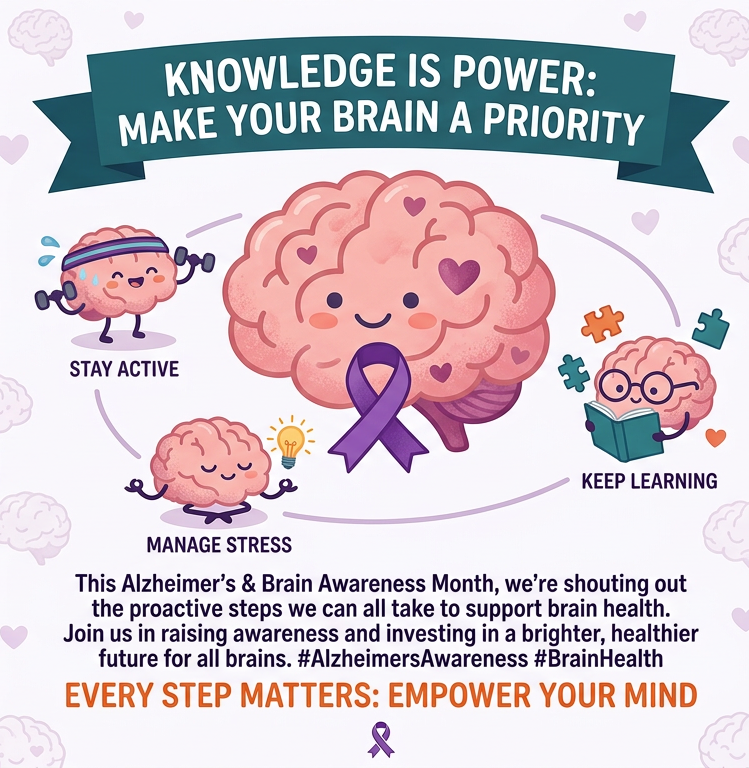
June is Alzheimer’s and Brain Health Month, a vital time to elevate the conversation around cognitive care, neurological research, and patient advocacy.
What does #brainhealth mean on the front lines of medicine?
Stay tuned throughout the month for quotes and clinical insights from Washington Committee #neurosurgeons nationwide.
@CNS_Update@AANSNeuro@councilsns
#AlzheimersAndBrainHealthMonth #EndALZ #AlzheimersAwareness
Taking a deep dive into the new Federal IDR final rule, but a few early highlights stand out 👇👇
✅ Health plans will now be required to identify claims eligible for the No Surprises Act dispute resolution process using standardized claim codes.
✅Requires health plans to provide clearer plan identification information and instructions on how physicians can initiate the No Surprises Act open negotiation process when claims are paid or denied.
✅ A new Federal IDR registry may improve accountability and oversight.
That said, transparency is only part of the solution. The real test will be whether insurers comply.
We'll continue reviewing the rule, but meaningful enforcement and accountability remain essential to ensuring the No Surprises Act works as Congress intended. Congress needs to build on the NSA and pass the NSA Enforcement Act (HR 4710 / S 2420).
@councilsns@spinesection@AANSNeuro@CNS_Update
In coordination with @USDOL and @USTreasury, CMS has announced a final rule to strengthen the No Surprises Act by making the Federal Independent Dispute Resolution (IDR) process faster, more transparent, and less costly for providers and payers. Learn more: https://t.co/d8R54rprzA
ICYMI: @WaysandMeansGOP@WaysMeansCmte advanced the bipartisan Provider Reimbursement Stability Act (H.R. 8163)!
THANK YOU to @RepGregMurphy, @RepSchneider, @RepTomSuozzi, @RepBobOnder, and the many other cosponsors for leading this important effort to #FixMedicareNow and strengthen long-term stability for independent medical practices and patient access.
H.R. 8163 would:
✅ Increase and index the budget neutrality threshold
👏 Address flawed CMS utilization assumptions
💰 Require routine updates to practice expense inputs
👉 Cap year-to-year conversion factor changes at 2.5%
Learn more about the legislation here👇
https://t.co/euhYMCRd6c
@AANSNeuro@CNS_Update@councilsns@spinesection
Are you ready for #2026CNS? Take advantage of our early-bird registration and save up to $300 when you register by May 31! Evolve your viewpoint, skills, and ideas and join us this fall in Washington, D.C.: https://t.co/EKTDHmiSKG
#CNSEvolution@CNSResidents
Preventing firearm-related injury and death is a critical public health priority.
We joined 410 organizations in urging Congress to provide robust FY27 funding for the Centers for Disease Control and Prevention, the National Institutes of Health, and the National Institute of Justice ➡️ with a research agenda focused on firearm morbidity and mortality prevention.
Read the coalition letter 👉 https://t.co/Tj8ZHfpor6
@AANSNeuro@CNS_Update@councilsns@PedsSection
ICYMI: Some insurers are denying implants commonly used in neck/spine surgery by labeling them “experimental” — despite decades of use and broad clinical support.
Washington Committee member Luis Manuel Tumialán, MD, and spine surgery leaders are calling for coverage policies grounded in evidence-based medicine and clinical expertise — not outdated insurer guidelines.
Read more 👇
https://t.co/5LWby8GNLv
@TUMI4L4N@spinesection@AANS_President@AANSNeuro@CNS_Update
Neo-feudalism?
Not just for your high school history course. Welcome to healthcare in 2026.
Physicians have been forced by regulatory crony capitalism to abandoned private property and become serfs to the feudal lords that are the expanding nonprofit healthcare systems. At best they will be granted a fiefdom. A title, a domain, but not ownership. And it’s a title that can quickly be taken away.
Modern healthcare has degraded to a medieval relic.
There are real changes that can fix this. My latest in @aier@AANSNeuro@CNS_Update@spineadvocacy@spinesection@councilsns@neurosurgery
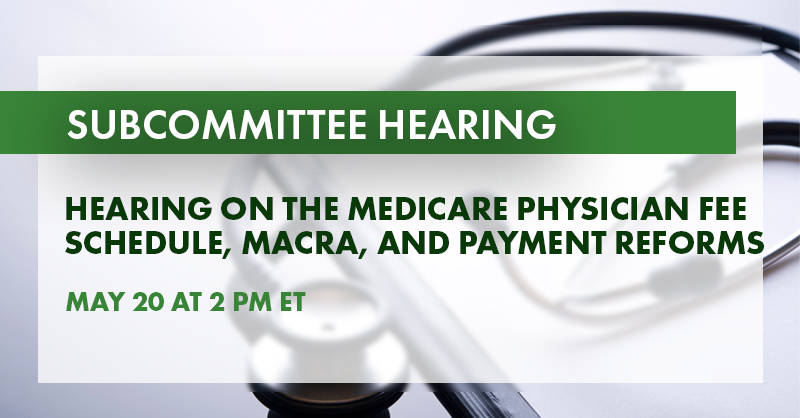
First major hearing on the Medicare Physician Fee Schedule in years! Thank you so much to @EnergyCommerce and @HouseCommerce for leading this effort, and especially the members of the @GOPDoctors and Democrat Doctors Caucus!
WATCH LIVE: Health hearing to examine the Medicare physician fee schedule, the Medicare Access and CHIP Reauthorization Act (MACRA), and opportunities for payment reform. ⬇️
🔗: https://t.co/IqB8fyPUjl
During #WomensHistoryMonth, we celebrate the trailblazing women in medicine who serve as vital pillars of care, innovation, and leadership in the neurosurgical field.
AANS/CNS Washington Committee member Laura Stone McGuire, MD - a neurosurgeon at UW Health - shared the following message in honor of this important month and the women shaping the future of healthcare:
Voluntary insurer promises? We’ve seen this movie before — and patients are still stuck waiting.
The Washington Committee joins the Regulatory Relief Coalition in calling for real accountability. Seniors, patients with disabilities, and veterans enrolled in Medicare Advantage deserve the full force of the law... not another pinky swear.
Read the @RegRelief press release and help us urge Congress to pass the Seniors Act (S 1816/HR 3514)! #FixPriorAuth👇
🔗 https://t.co/KAHdBREfw3
@AANSNeuro@CNS_Update@CouncilSNS@painsection@cvsection@spinesection@PedsSection@Neuro_Trauma
This National Hospital Week, real gratitude to the healthcare workers keeping Georgia’s hospitals running. From trauma bays to the rural and safety-net hospitals holding the line for communities like ours, you carry families through the hardest moments of their lives.
🧵🔽