If I were starting backend development today, heading into 2027:
Go + PostgreSQL + Redis + Docker + Kubernetes.
Then I'd go deeper into:
gRPC + Kafka + OpenTelemetry + ClickHouse + NATS
Just a solid stack + a deep understanding of systems, networking, databases & distributed systems.
I used Nginx for years in my Docker setup; it worked fine, but every time I added a new service, I had to edit configs, reload Nginx, and deal with SSL manually. It was getting annoying.
Then I tried Traefik, and honestly, it just made life easier. I can define routes right inside my docker-compose.yml using labels, and Traefik automatically picks them up. No manual config, no restarts. SSL is handled automatically with Let’s Encrypt.
Plus, it has a nice dashboard and makes scaling super simple.
If you’re tired of editing Nginx files every time you add a service, give Traefik a try. It’s made my setup cleaner and almost maintenance-free.
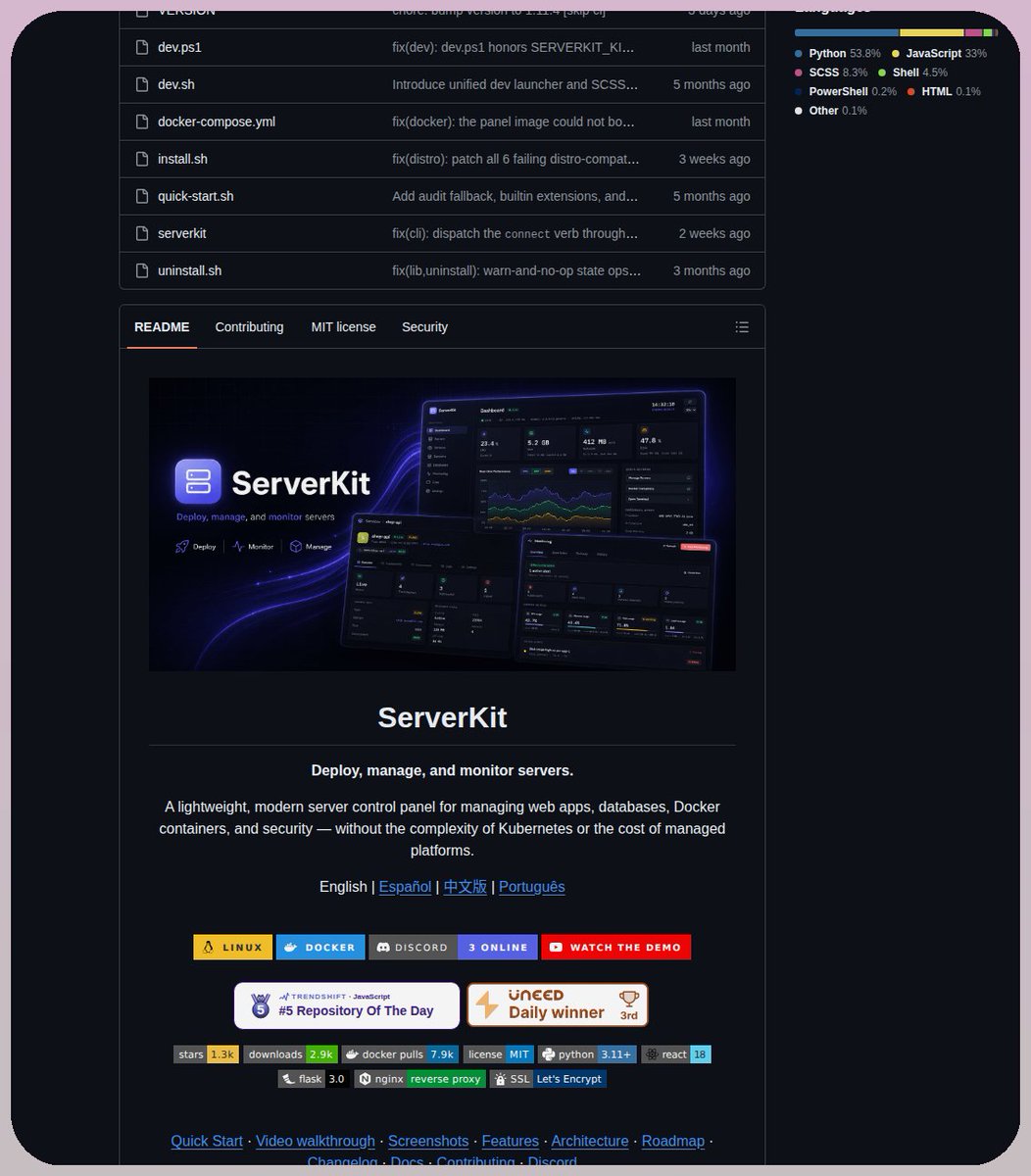
It’s been a few weeks since our last update, but we’ve been working on the next big step for OpenShip:
You could already deploy your product with OpenShip.
Now, you can scale it across servers as it grows.
OpenShip now handles:
> Automated cluster setup
> Private networking
> Application replicas (PostgreSQL & Redis)
> Shared storage
> Backups & recovery
- Your coding agent can now be your DevOps engineer.
Through MCP, Codex and Claude Code can set up clusters, deploy apps, scale instances, inspect logs, and manage backups.
- The new Services Canvas brings your infrastructure into one view.
See your apps, databases, running instances, and routes together. Open a service, inspect it, and make changes right there.
And meet Ship SDK...
We refactored the core so deployment can become part of your own code.
Build workflows in JavaScript or TypeScript, control an existing OpenShip instance, or embed the engine directly into your product.
- And finally, OpenShip Cloud is also live for beta testing.
Our goal is a smooth deployment experience with managed environments and fair pricing, for anyone who wants to focus on their product without maintaining servers.
This release also improves the everyday work: environment management, Compose migration, routing, backups, rollbacks, and deployment logs.
OpenShip remains open source and self-hostable.
Deploy with OpenShip. Scale with OpenShip.
مشروعات جديدة ضمن البرنامج الوطني للطاقة المتجددة، تسهم في تعزيز مساهمة مصادر الطاقة المتجددة وأنظمة تخزين الطاقة بتقنية البطاريات في مزيج الطاقة الأمثل، لترتفع إجمالي السعات المرتبطة بالشبكة الكهربائية من مشروعات الطاقة المتجددة وتخزين الطاقة إلى 24,800 ميجاواط حتى تاريخه.
السلام عليكم
كتاب الدليل السريع لمهندس كهرباء المشاريع
تأليف و إعداد المهندس / مجاهد الدمخى بارك الله فيه وجزاه عنا خير الجزاء
و الكتاب يعتبر واحد من أهم الكتب التى تساعد مهندس الكهرباء فى معرفة كيفية الاستلام والإشراف على تنفيذ جميع بنود الأعمال الكهربائية و المخططات و خلافه
Securo is an open-source personal finance manager designed for self-hosting on Docker, ensuring you retain full control over your account data without third-party involvement. It offers a comprehensive suite of tools including automated bank syncing via SimpleFIN, multi-currency support, and an optional integration for running self-hosted AI agents to analyze your financial history.
https://t.co/youhG1pkDW
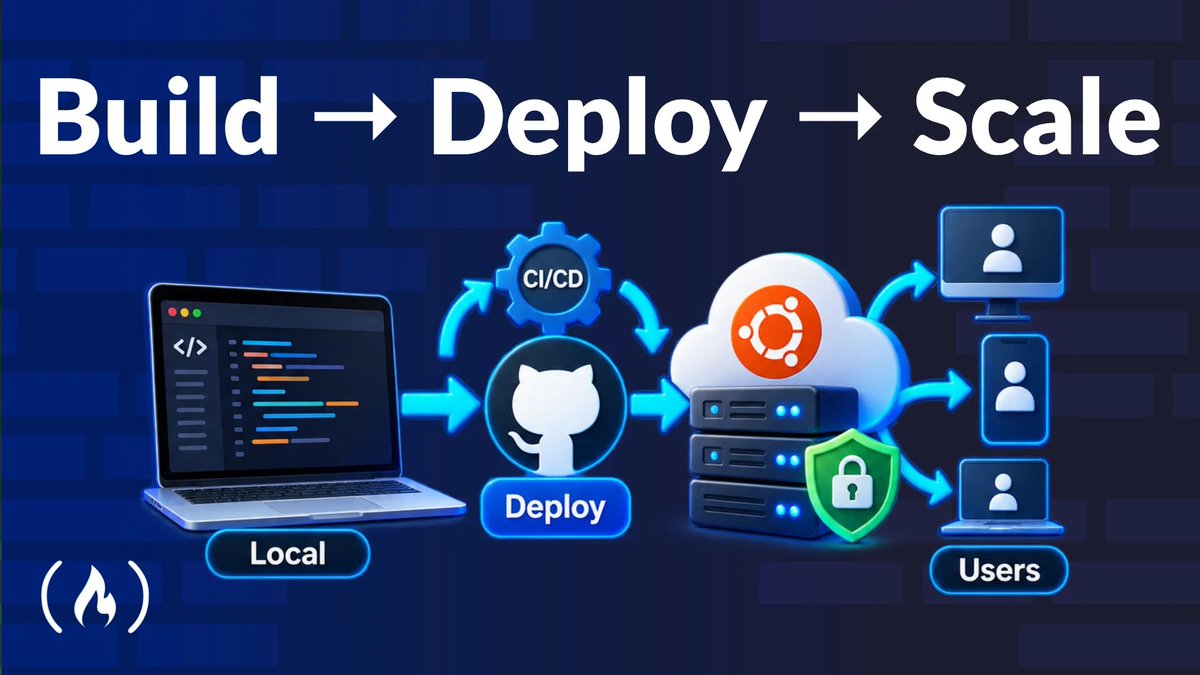
Taking a full-stack app from local dev to prod involves much more than just putting it on a server.
In this course, Imad explains how to deploy, secure, and automate a Vue.js and FastAPI app.
You'll learn how to set up an Ubuntu server plus all about Nginx, SSL, Cloudflare, CI/CD, security testing, and observability.
https://t.co/V1tXGtmSzZ
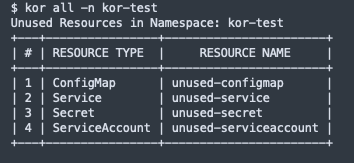
Kor is a CLI tool that scans your cluster and lists the unused resources nobody cleaned up, from forgotten ConfigMaps and Secrets to stale Services and PVCs
➜ https://t.co/zHk8FOKPF4
🔴تم تجهيز ملف التسريبات الأسبوعي لاختبار ستيب بالكامل
من 2026/8/16 إلى 2026/8/20
١٨٨ سؤال ل احدث التسريبات
الملف يشمل خلاصة أهم الأسئلة التي تم تجميعها خلال الأسبوع الماضي لضمان الاستعداد الفعال لـ اختبار ستيب، ✅
🔹 في قسم القواعد (Grammar)
🔹في قسم الاستماع
🔹في قسم الريدينق
https://t.co/gUJBE9SFXy
📍كل التوفيق للجميع
الهيئة الوطنية للأمن السيبراني تجدد دعوتها للشركات للتسجيل في مبادرة "تمكين المنشآت الصغيرة والمتوسطة في الأمن السيبراني"، بهدف رفع الجاهزية، وتعزيز الأمن السيبراني على المستوى الوطني.
تتضمن المبادرة:
- تقديم خدمة فحص وإدارة الثغرات السيبرانية على مدى 365 يوماً.
- أتمتة إجراء فحص الثغرات السيبرانية، ووضع التوصيات لمعالجة تلك الثغرات.
- توفير تقارير تنفيذية وتفصيلية من خلال شاشة تفاعلية مخصصة للخدمة.
شروط التقديم:
- تقدم المنشأة خدمات أو منتجات عبر موقع تجارة إلكترونية أو منصة رقمية.
- لديها موقع إلكتروني نشط ونطاق (Domain) مسجل رسمياً.
- أن تحمل شهادة من "منشآت".
يذكر أنه تم إطلاق المبادرة في 6 نوفمبر بالشراكة بين الهيئة الوطنية للأمن السيبراني @NCA_KSA والشركة السعودية لتقنية المعلومات @site_saudi، وبالتعاون مع الهيئة العامة للمنشآت الصغيرة والمتوسطة @MonshaatSA.
للتسجيل في المبادرة: https://t.co/mrvren64DJ
genuine question
AWS took Postgres and called it RDS
took Linux and called it EC2
took Redis and called it ElastiCache
took Kafka and called it MSK
took Kubernetes and called it EKS
$100 billion a year for the rename
am I missing something
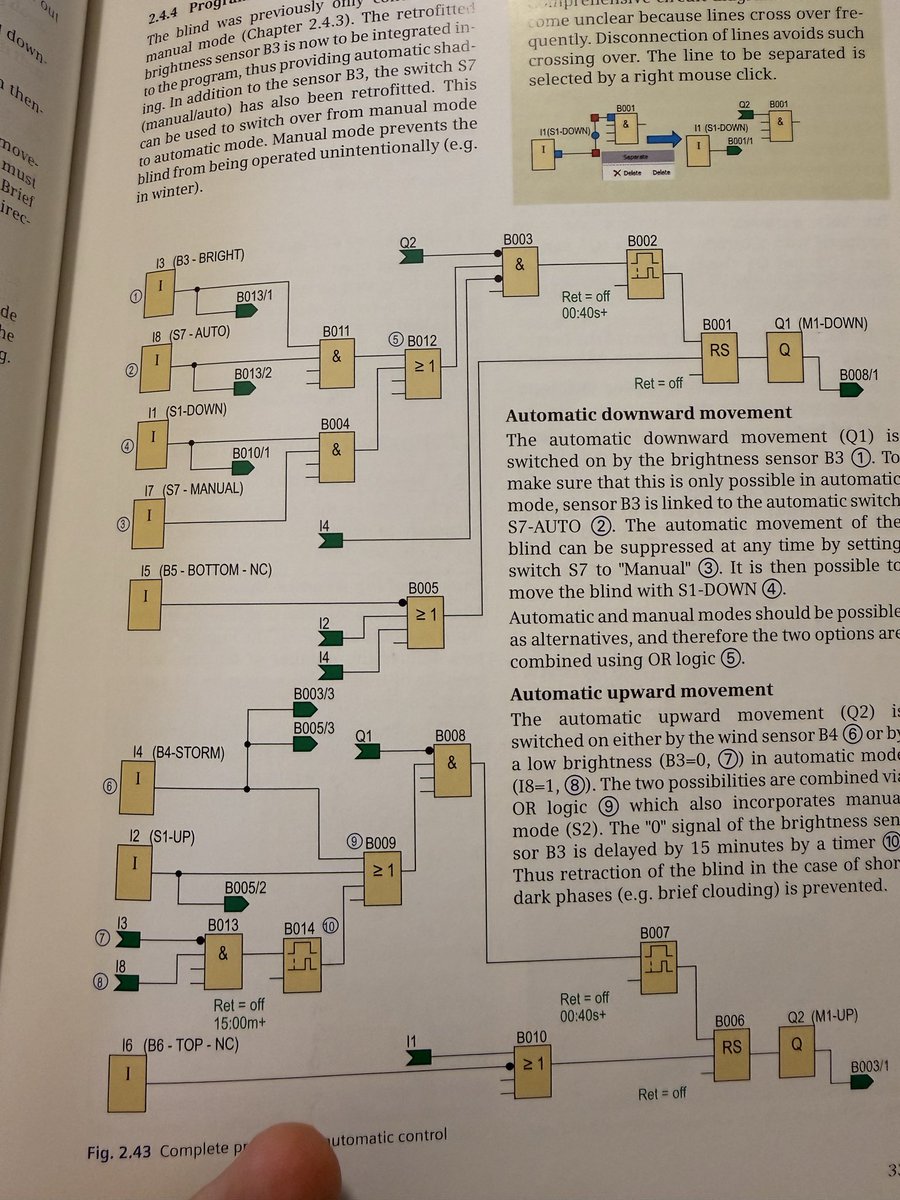
أجهزة الـPLC متوفرة في السوق ويمكن شراؤها، لكن بعض الأنظمة الصناعية تكون تكلفتها مرتفعة، خصوصًا إذا كنت تحتاج إلى PLC مع وحدات الإدخال والإخراج والاتصالات والملحقات الخاصة به.
ولهذا غالبًا تجدها في الجامعات والكليات والمعاهد والمختبرات التدريبية، بالإضافة إلى استخدامها بشكل واسع في المصانع والأنظمة الصناعية.
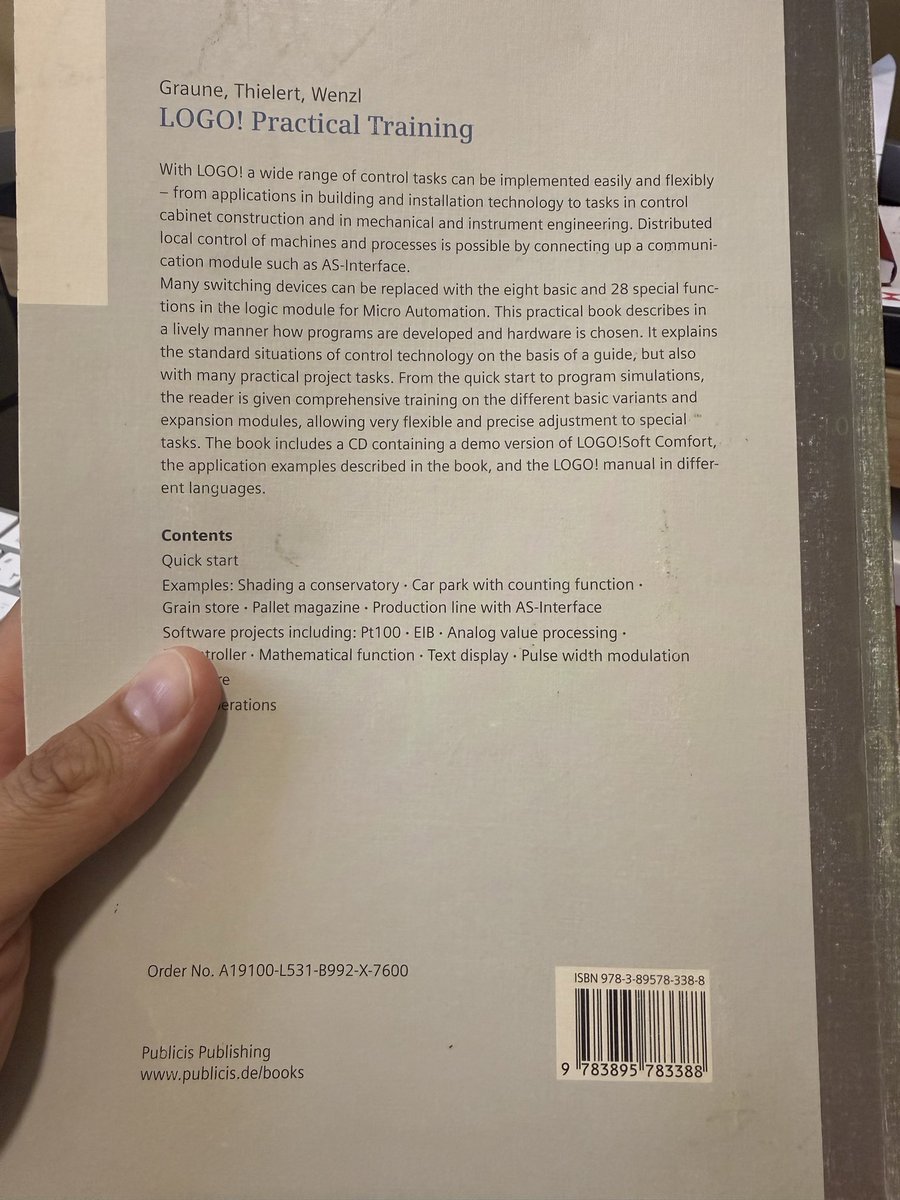
لكن إذا كنت مهتم بتعلّم أساسيات الـPLC وتبحث عن خيار أبسط وأقل تكلفة للتطبيق والتدريب، عندك أجهزة مثل Siemens LOGO!.
الـLOGO! تعتبر Smart Logic Module، وتناسب العديد من تطبيقات التحكم الصغيرة، وتقدر تبرمجها وتطبق عليها مفاهيم مهمة مثل الـTimers والـCounters والـDigital Inputs والـOutputs.
فهي خيار ممتاز كبداية لفهم أساسيات التحكم المبرمج قبل الانتقال إلى أنظمة PLC الصناعية الأكبر
الله يوفقكم ويسر امركم يارب العالمين 🌹❤️
I built this project while preparing for a job switch, and it taught me one important lesson:
Your current project will NOT expose you to every tool that’s being used in the market.
And honestly, it’s your responsibility not your employer’s to keep learning.
If you want to stay relevant, learn trending tools, build real projects, and increase your chances of getting a better paycheck.
I built this DevOps project specifically to practice tools I didn’t get enough exposure to at work.
It helped me a LOT during interviaws because I could explain:
- How the entire flow works
- How each tool connects with the others
- Why each tool is used
- How everything works together in production
If you’re preparing for a DevOps interview or don’t have hands-on exposure to the complete DevOps ecosystem, this project can be a great starting point.
- Build projects.
- Understand the flow.
- Know what happens in production.
Don’t wait for your job to teach you everything.
Project Link: https://t.co/AhOUB4qKF7
Our Docker image builds took 12 minutes in CI.
Developers complained. Every commit triggered a build. Pull requests were slow.
Checked the Dockerfile.
The problem: We copied the entire application directory before installing dependencies.
Dockerfile order:
1. COPY. /app
2. RUN pip install -r requirements.txt
3. RUN npm install
Every code change invalidated the cache. Dependencies reinstalled every time.
The fix: Reorder the Dockerfile.
New order:
1. COPY requirements.txt /app/
2. RUN pip install -r requirements.txt
3. COPY package.json package-lock.json /app/
4. RUN npm install
5. COPY. /app
Now dependencies only reinstall when requirements.txt or package.json change.
Build time dropped from 12 minutes to 2 minutes for code-only changes.
Dependency changes still take 12 minutes, but those are rare.
Docker layer caching is free performance. Order your Dockerfile correctly.