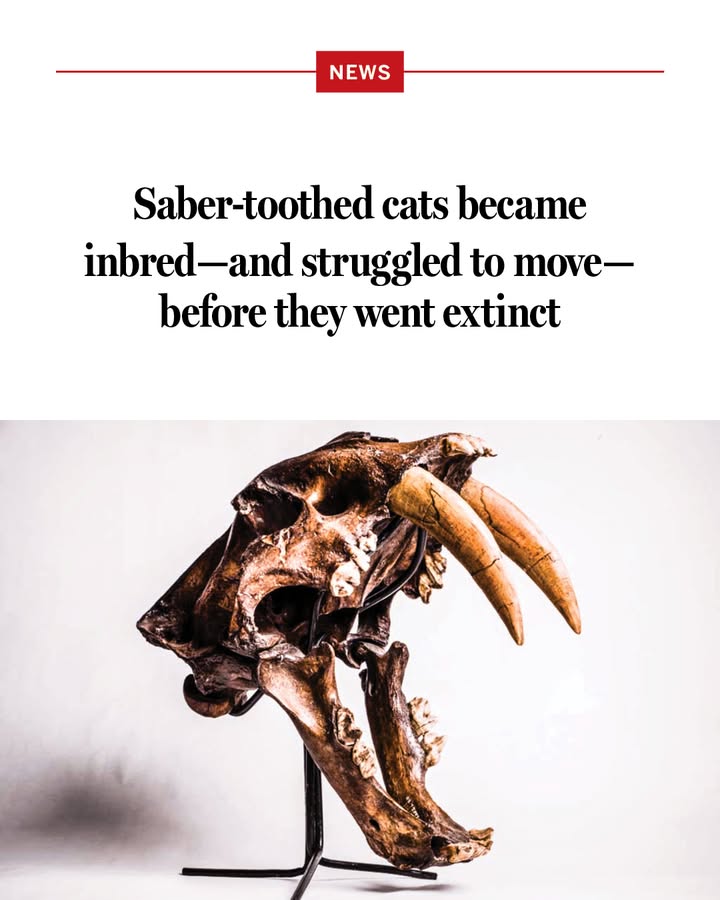
Ancient DNA from fossils found in Wyoming and Canada’s Yukon Territory suggests the wild cat more closely resembled modern pumas than modern cheetahs. https://t.co/8ZVzqcewON
A new species of cat has been identified for the first time in a century—and experts think that there may be even more to discover around the world: https://t.co/woOXXxJOXB
New cat alert! A call from a wildlife sanctuary about a "weird cat" has led to the first new cat species discovered in over 100 years in Bolivia’s Yungas forest ecoregion. Learn more about this feline surprise: https://t.co/crffXvPqH4
🐈 Happy International Cat Day!
A collection of Egyptian Bastet and Sekhmet figurines illustrating the importance of cat iconography in Egyptian culture.
Ashmolean Museum, Oxford.
📷 Photos by Kotomi Yamamura.
#InternationalCatDay#Cats#History#AncientHistory#AncientEgypt
About 14,700 years ago, a large cat hobbled through what is now the heart of Los Angeles, toward the panicked cries of a camel trapped in tar. But as the fearsome feline approached the hapless herbivore, it, too, became ensnared in the pit of burbling oil—condemning itself to a similar fate.
Why were these saber-toothed felines drawn to the pits? One reason, researchers now suggest, is that picking off trapped prey may have been the cats’ only reliable way to hunt: Many had hampered mobility, a side effect of heritable deformities and rare nerve tumors brought on by generations of inbreeding.
This research provides one of the first direct indicators of how North America’s megafauna suffered the consequences of population decline through the end of the last ice age.
Learn more: https://t.co/vukENYhHlV @NewsfromScience