We built the OpenGWAS resource to be a free and open platform to support work on GWAS summary data. Much of it is based on extensive feedback on @mrbase2 from both internal and external colleagues. Paper here: https://t.co/pyXRTuhynU, key points below:
12 month training fellowship with opportunities to develop research software engineering and/or drug discovery expertise working with @OpenGwas and @epigraphdb at @mrc_ieu https://t.co/CoISZ6d8Zn
We are recruiting two new posts to join the @OpenGwas team (@mrc_ieu): a research software engineer and a research data officer. https://t.co/DSXwwKW73R and https://t.co/rn0dCG7y7e
@Eric_Fauman @pietznerm Thanks Eric. Yes underflow is a problem for anything smaller than 1e-300. The smallest P value in the dataset is therefore unclear
@pietznerm Further details of the GWAS analysis can be found here https://t.co/yVWsm1Nzhi
Further details on the phenotype preparation can be found on the resources tab at this page on the UKB website, eg. https://t.co/6OsxKgB4z2
@pietznerm The metabolites were transformed using rank-based inverse normal transformation prior to analyses. We adjusted association analyses by sex, array and fasting time. We used BOLT-LMM (linear mixed model) to account for both relatedness and population
stratification
@NPirastu@uk_biobank Yes. You can click through to the downloads here https://t.co/EkBb2G61mf or use wget https://t.co/jOQ608Nyca
Alternatively, packages also available to run post GWAS analyses without downloading the bulk data https://t.co/jrJ3aGxFF0
We GWAS'd the metabolites released by @uk_biobank https://t.co/n8lJzj6wws and deposited the summary data in Open GWAS https://t.co/M3WhUqb9Gr. The summary data can be assessed via R (https://t.co/3asIXExU5O) or python (https://t.co/E026trYwAI)
#UKBiobank today releases the first tranche of data from a study by @NgaleHealth looking into metabolomic biomarkers in blood samples of 120,000 UK Biobank participants. This will enable research into the likelihood of experiencing some chronic diseases - https://t.co/CgI7xuD8rY
@jschwart37@uk_biobank Yes you can! You can click through to the metabolite download links here https://t.co/EkBb2G61mf programmatic access also possible via wget as you already found https://t.co/jOQ608Nyca
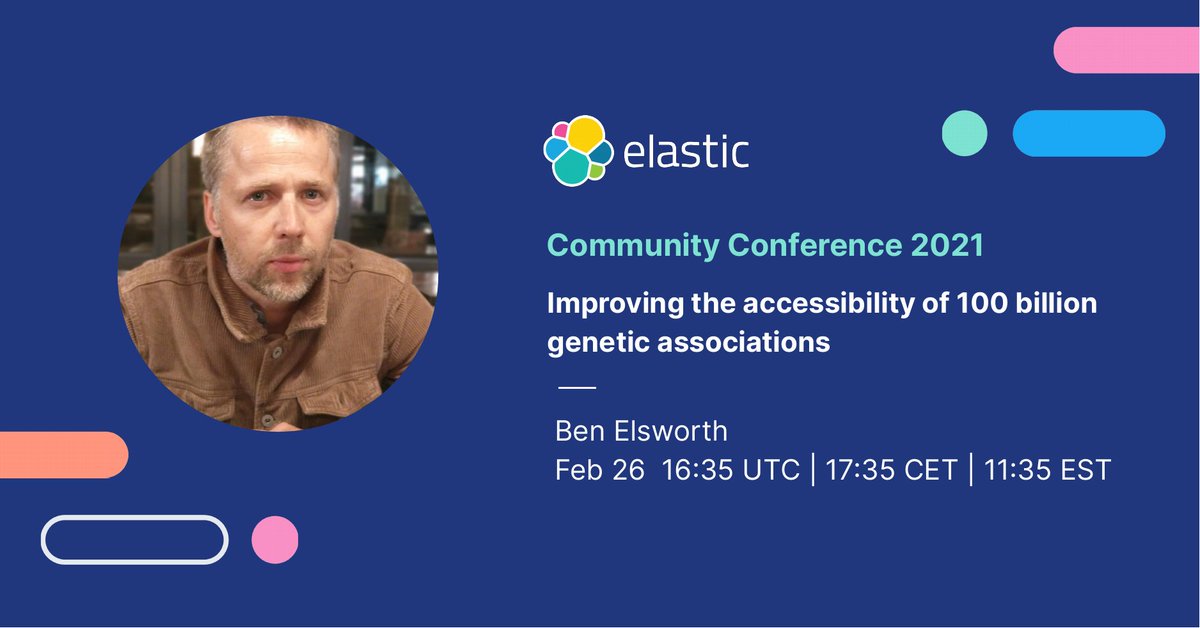
Join me at #ElasticCC where I'll be talking about how we use Elasticsearch for @OpenGwas. This is @Elastic’s free technical event from the community, for the community — happening from Feb 26 - 27 https://t.co/ifxbscFHMW
The OpenGWAS database, your one-stop-shop for complete #GWAS summary datasets & metadata for the scientific community. Open source, open access, & free for all!
Find out more about this phenomenal resource at:
https://t.co/K3qRXUaUZc
@mrc_ieu@BristolBRC
We built the OpenGWAS resource to be a free and open platform to support work on GWAS summary data. Much of it is based on extensive feedback on @mrbase2 from both internal and external colleagues. Paper here: https://t.co/pyXRTuhynU, key points below:
QC process - we align the non-effect allele to the human genome reference sequence; and annotate the positions with dbSNP identifiers. Example QC report: https://t.co/xgNMNFH44p
Continued data harvesting - for new GWAS results that are published, upload them to the EBI GWAS catalog and we will pull them in from there. For unpublished results, or large batches, we have pipelines to do that. Get in touch here: https://t.co/rMHgxN4sa9