🦠 A ‘triple mutant’ strain of net form net blotch resistant to three fungicide groups is reinforcing the need for integrated disease management in barley.
@SA_PIRSA@far_australia@HartFieldDay
🔗 Read more: https://t.co/B3B1KAdrvO
#GroundcoverOnline#NetFormNetBlotch #IntegratedDiseaseManagement #GRDCUpdate
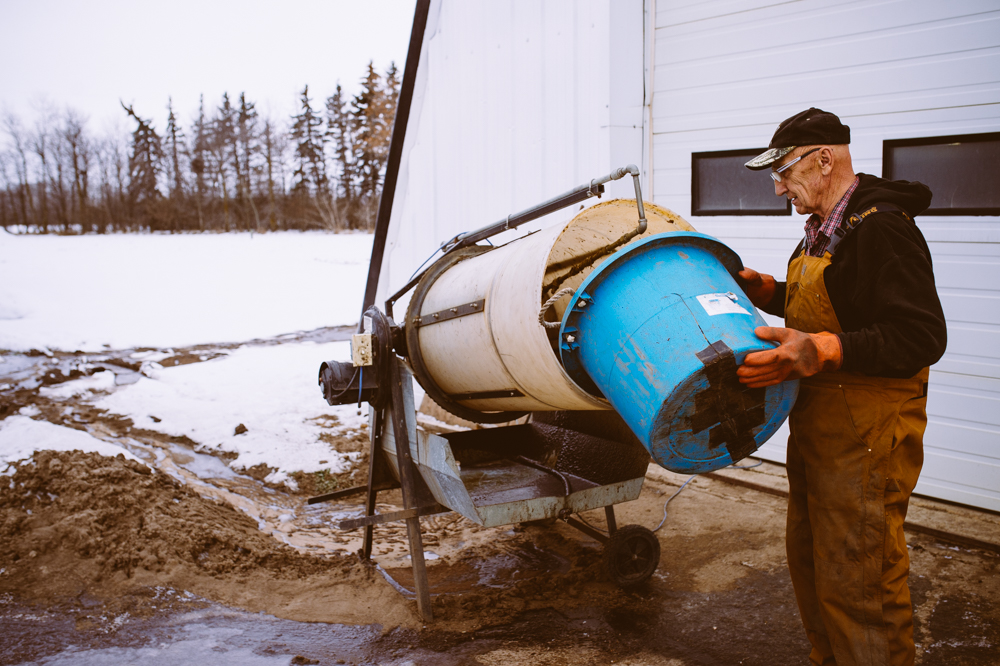
Thank you for joining us in recognizing #CanadianAgricultureSafetyWeek!
Remember, farm safety is everyone’s responsibility.
Explore the resources available to help make farms safe places to live, work and play: https://t.co/exMNyhfcKv
#abag#farmsafetyeveryday
Behind every field, every herd and every harvest is a person doing their best.
If you or someone you know is struggling, reach out.
The Farm Stress Line is here for the ag community.
Learn more: https://t.co/90mLqV2sDI
#SaskAG#FarmSafetyEveryday#FarmStressLine
Susceptible varieties face the greatest yield risk, particularly if infection occurs before or at flag leaf emergence.
Early scouting and timely fungicide decisions, supported by PCDMN rust forecasts starting mid‑May, will be critical in 2026.
Stripe rust is developing unusually early & severely in U.S. PNW winter wheat, and at the highest levels for this time of year since 2011.
Prairie wheat risk is elevated as inoculum is building in U.S. source regions & wind patterns can rapidly move spores into Western Canada.
@chinookag Great point Craig. Stripe rust was added as a Priority 1 disease by the Prairie Recommending Committee for Wheat, Rye and Triticale in around 2007 with a 10 year lag time before it was considered for merit by the PRCWRT Disease Evaluation Team. Consult your prov. variety guides.
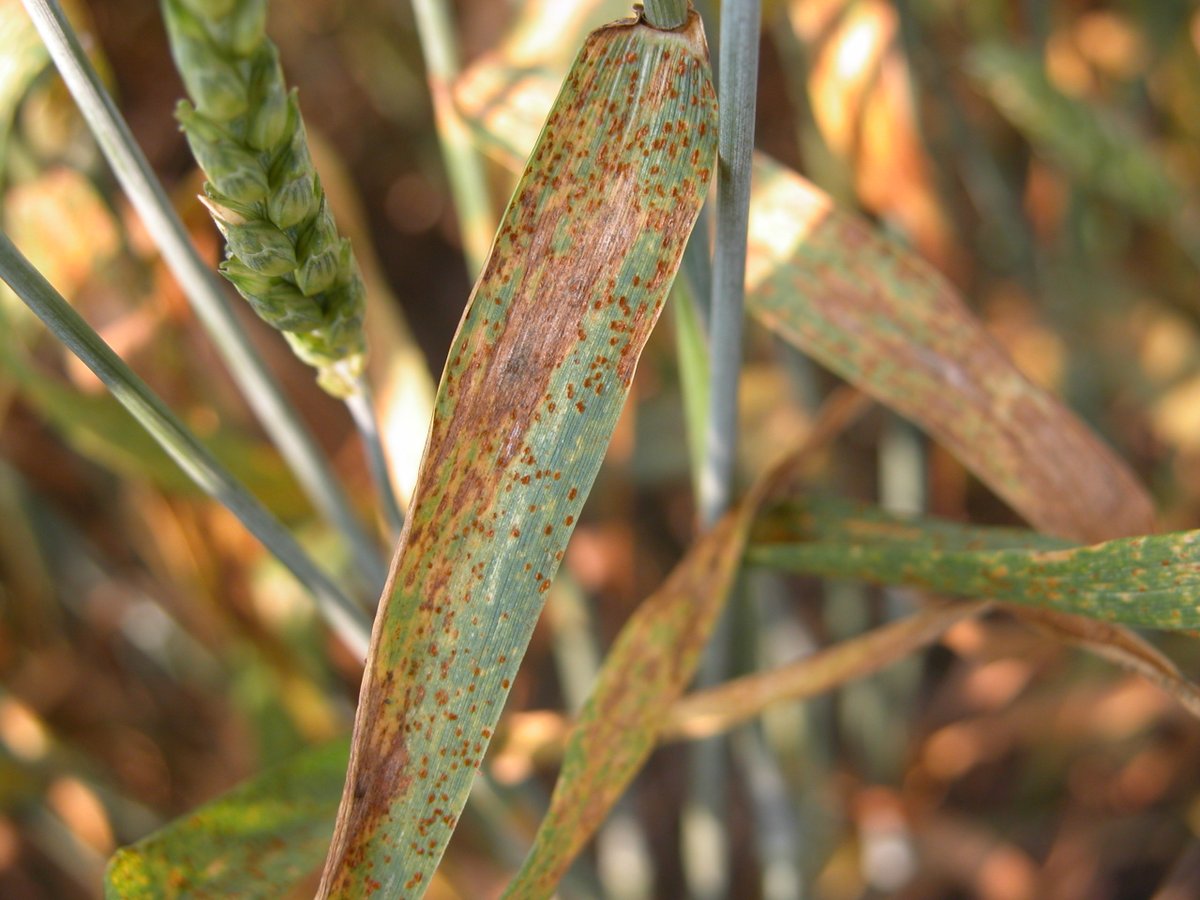
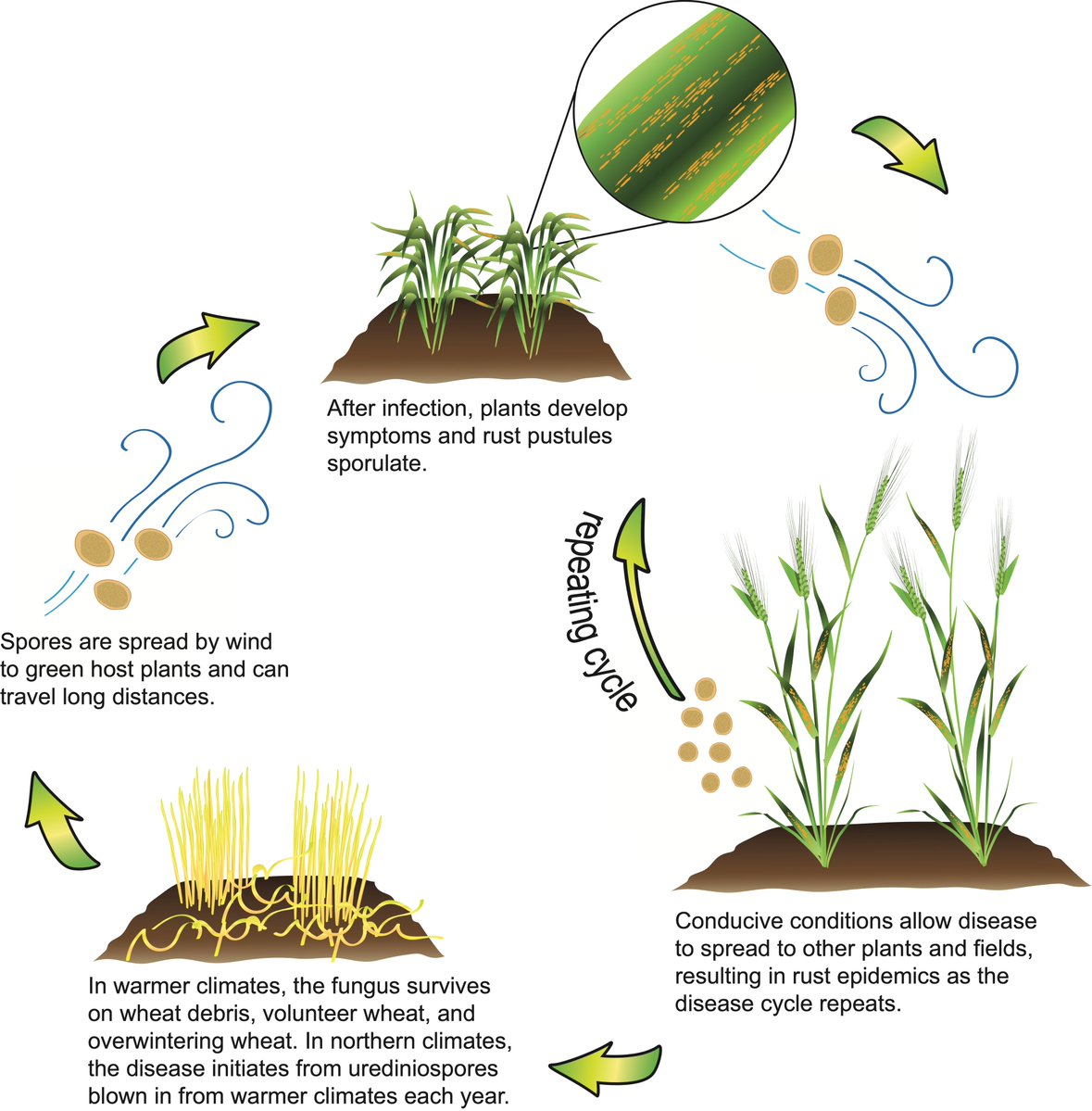
After tillering, stripe rust of wheat develops parallel to leaf veins, giving the foliage a distinct striped appearance. After infection, the fungus may produce new generations of spores in as few as 10 days under optimal conditions.
The primary means to manage stripe rust is to plant resistant varieties. Consider applying fungicides to susceptible varieties if stripe rust has been detected in the region and forecasted conditions are favorable for disease development and spread. Applications at flag leaf emergence help protect the flag leaf and reduce yield loss.
Read more in An Overview of Stripe Rust from Extension at https://t.co/0WSj4BAZwC.
@badgercropdoc@MartinChilvers1@cropdoc08@AlbertTenuta@travisfaske@SaskWheat@wheatgrowers@USWBSI@wheatsd@mnwheat #wheat @pcdmn@baldpathologist
Dr. Chen indicates that these early March 2026 observations are “the most widespread and severe stripe rust by this time of year in Washington since 2011.”
As of March 3, 2026, Dr. Chen, WSU/USDA Pullman, WA reports that there are widespread observations of actively sporulating stripe rust infections in multiple Washington State counties.
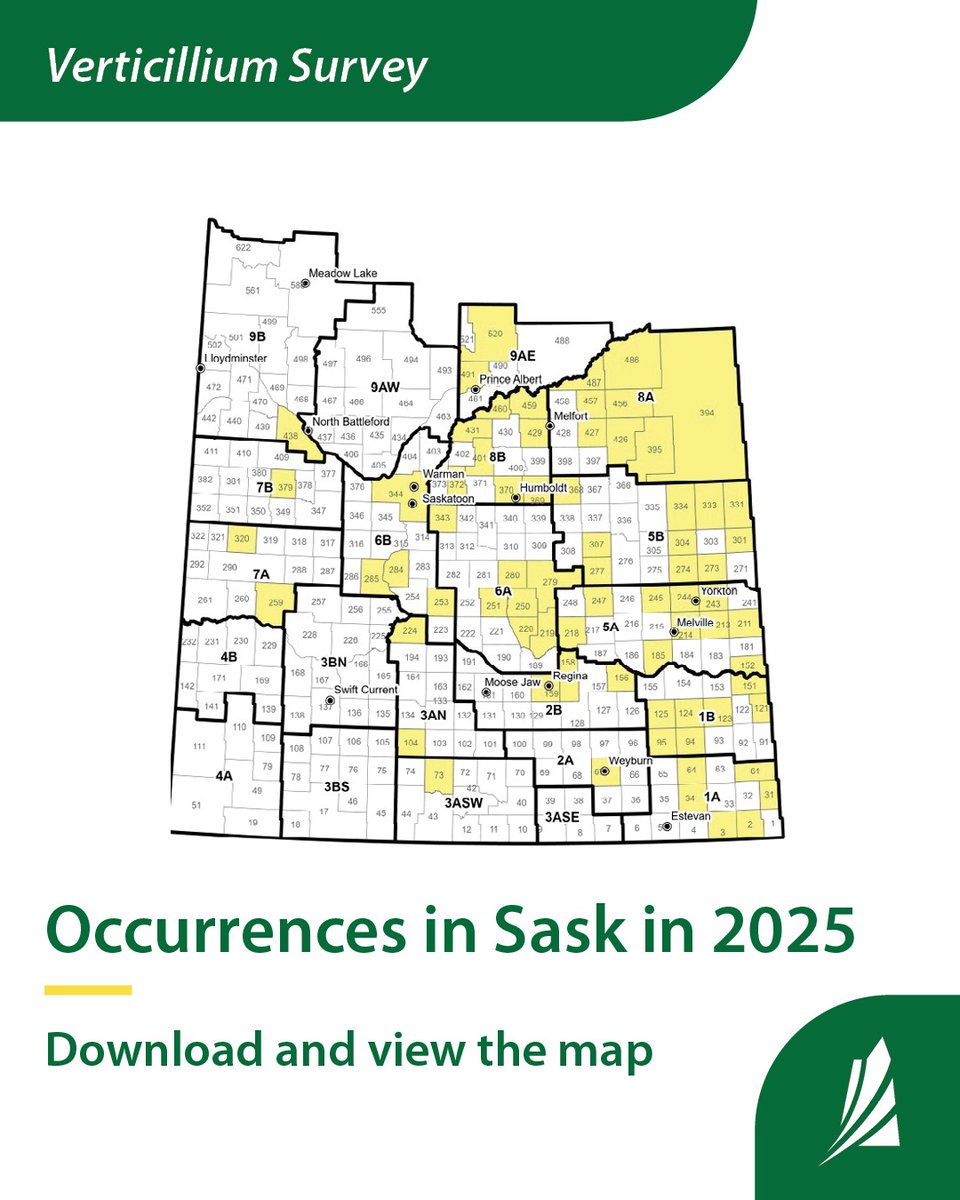
73 RMs were confirmed to have verticillium stripe in the 2025 season.
Visit our website for more information and to check out
the survey map:
https://t.co/ynewa2to3D
#SaskAG
Preorders for the 2026 #Bluebook are now being accepted at https://t.co/77kA9aQHBa. Get a jump on planning your growing season by ordering your copy today! #westcdnag