I’m so thrilled to join @INETOxford at @UniofOxford as Associate Fellow at the Economic Complexity Programme. Looking forward to expanding our research together 🤓. https://t.co/AL5sOdVOyV
¿Qué intereses están atrás de bajarse el concurso del MUNA (más allá de los gustos estéticos)?
Les recomiendo leer este artículo 👉 https://t.co/LjT8dz4Suo
Gracias por compartir el video.
Solo una aclaración: en mi presentación y en mi libro El Alfabeto Infinito utilizo Yachay como un caso de advertencia, no como una historia de éxito.
Allí la contrasto con Zhongguancun en Beijing para ilustrar por qué algunos ecosistemas de conocimiento prosperan y otros no.
Ojalá más personas en Ecuador puedan leer el capítulo con calma y discutir estas lecciones.
También incluyo un capítulo como se podrían haber hecho las cosas distinto.
https://t.co/atg8CIaqL0
Applications open for SFI’s 2026 Graduate Workshop in Computational Social Science.
This two-week workshop offers Ph.D. students and early-career scholars an opportunity to explore tools from complex systems and computation, collaborate on a hackathon-style challenge, and advance their independent research with support from SFI faculty and peers.
Deadline: February 4, 2026
Apply here: https://t.co/yJnlBaqJee
The simulation hypothesis — the idea that our universe might be an artificial construct running on some advanced alien computer — has long captured the public imagination. Yet most arguments rely on intuition rather than clear definitions, and few have formally defined what “simulation” even means.
A new paper by SFI Professor David Wolpert aims to change that — introducing the first mathematically precise framework for what it would mean for one universe to simulate another — and shows that several longstanding claims about simulations break down once the concept is defined rigorously. His results suggest a far stranger landscape than previous arguments suggest, including the possibility that a universe capable of simulating another could itself be perfectly reproduced inside that very simulation.
https://t.co/TRiNuT9NAM
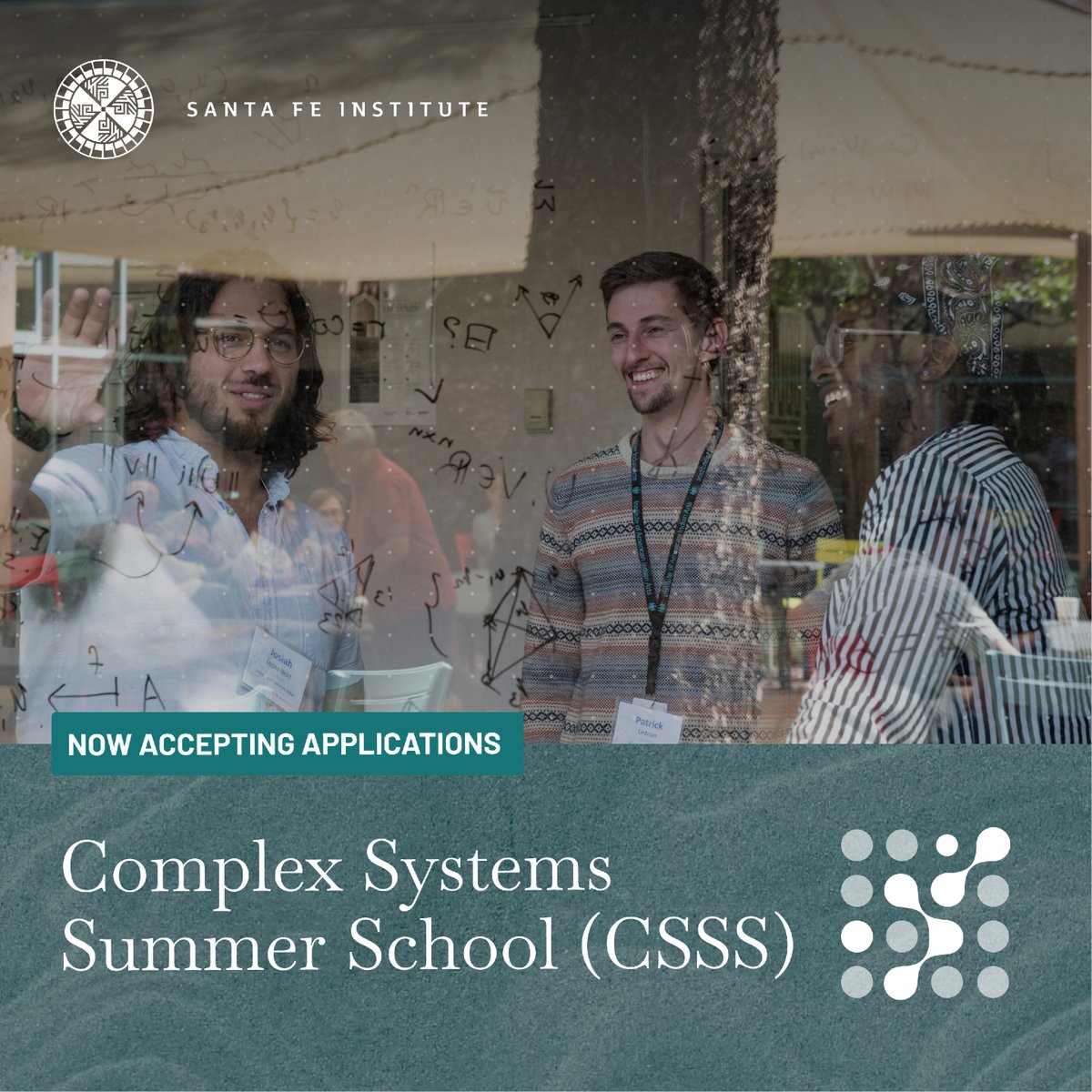
Are you an early-career researcher or research professional with a broad interest in complexity science?
Applications are open for SFI’s 2026 Complex Systems Summer School (CSSS), a three-week, in-residence program offering an intensive introduction to complex behavior in mathematical, physical, living, and social systems.
Deadline: February 4, 2026
Apply here: https://t.co/bOlHg7LSKa
Drumrolls, please! I’m thrilled to share the cover for my forthcoming #book from @doubledaybooks (Penguin Random House), #PROPHECY. This is the best book I’ve written: the boldest, the most innovative, the most personal. I have poured my soul into it like never before. 1/
A los 15 años que voto… y me siento orgulloso por los resultados.
¡El Ecuador le dijo NO al autoritarismo!
NO queremos otro Correa, ni un Bukele en el país.
El Índice Global de Delincuencia Organizada evidencia una mayor influencia de las redes del crimen en Ecuador. El país está en quinto puesto, detrás de Myanmar, Colombia, México y Paraguay. https://t.co/LHdABTIy5S
📅 Today's the day! My latest book - Shared Wisdom: Cultural Evolution in the Age of AI - is now available from @mitpress.
➡️ Available now: https://t.co/NKysoDoGeL
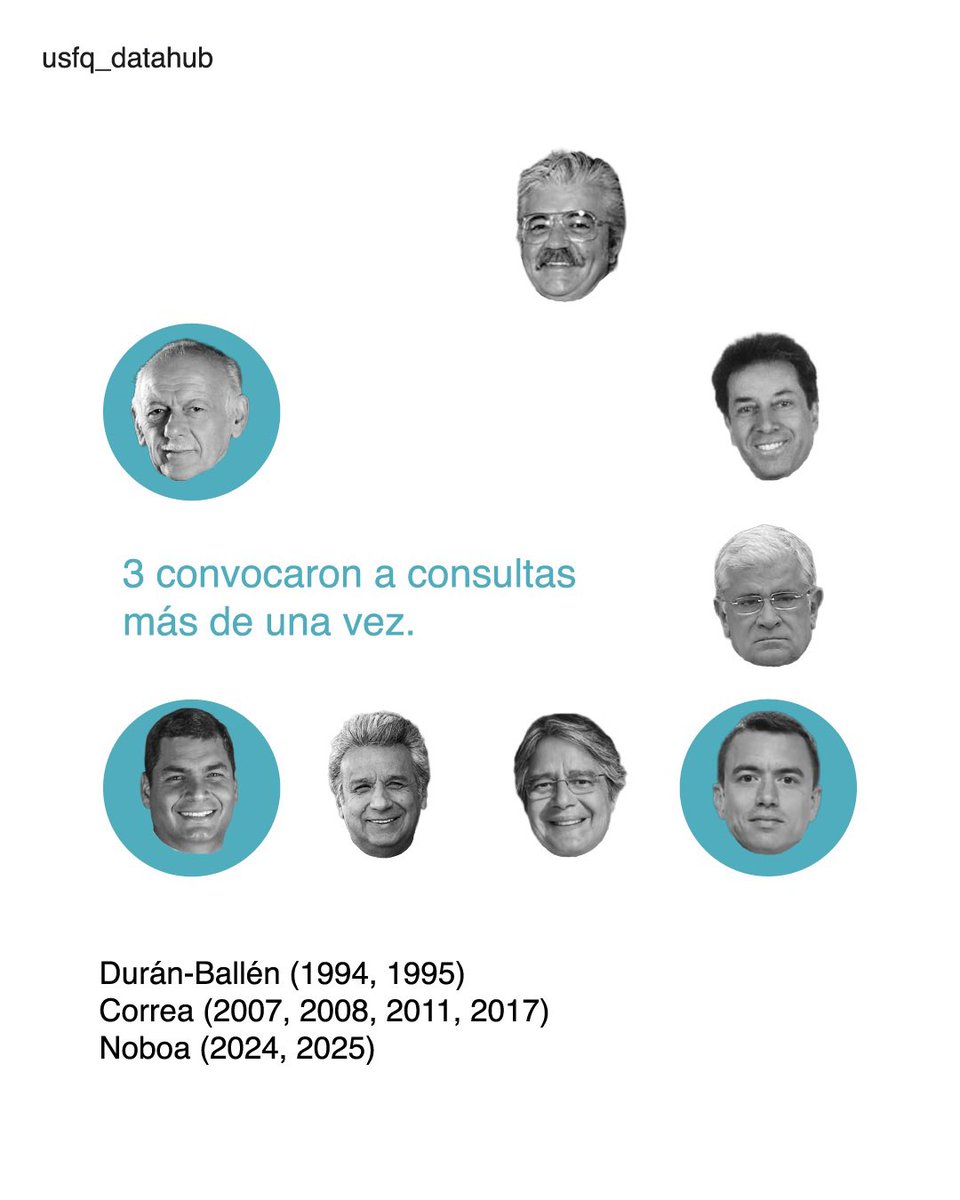
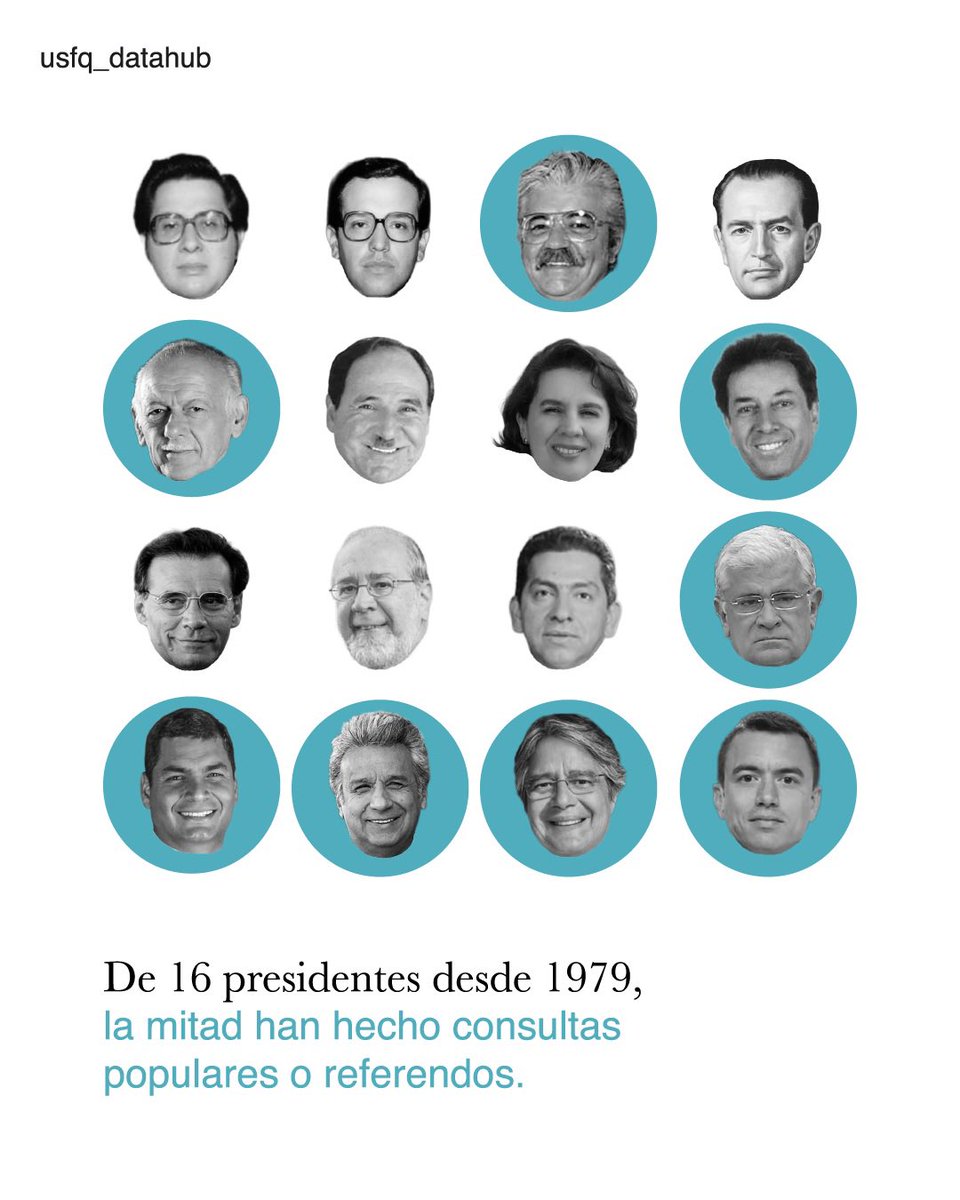
Les comparto este proyecto de investigación sobre el funcionamiento de la @CorteNacional en el que estamos involucrados con estudiantes de @USFQ_Ecuador y el equipo de genios del @USFQ_DataHub , también de USFQ
@pablovelascoec Había muchas advertencias sobre el tema… y se ignoraron. Era más importante construir un monumento al ególatra que la razón y el conocimiento.