THIS IS THE BEST PAPER OF 2026 SO FAR, A MONUMENTAL BREAKTHROUGH, A REVOLUTION IN THE FIELD OF INFLAMMATORY CONDITIONS:
Interleukin-10 Autoantibodies and HLA-DRB1*01:03 in Inflammatory Bowel Disease | New England Journal of Medicine https://t.co/4fKMgPMd4y
Liston, the cofounder of Cambridge spin-out Aila Biotech, is developing a Treg therapy for multiple sclerosis, a disease caused by immune cells attacking the nervous system by mistake. The therapy aims to boost Tregs in the brain to call the attack off.
https://t.co/hVULpoh2Ve
PIEZO1 may be the missing mechanoinflammatory switch linking tissue stiffness to sterile inflammation and fibrosis.
For years, fibrosis research treated mechanotransduction and innate immunity as largely separate systems:
• Mechanical stress → ion channels / Ca²⁺ signaling
• mtDNA release → cGAS–STING inflammation
But recent studies are beginning to connect these pathways into a unified model of “mechanoinflammation.”
The strongest direct evidence so far comes from osteoarthritis.
A 2025 study in Osteoarthritis & Cartilage demonstrated a full molecular cascade in chondrocytes:
Mechanical stress
→ PIEZO1 activation
→ mitochondrial Ca²⁺ overload
→ mtDNA cytosolic release
→ cGAS–STING activation
→ inflammatory cartilage degeneration
Importantly, the study combined:
mechanical loading models,
Piezo1 genetic inhibition,
mitochondrial assays,
and STING blockade rescue experiments.
This is one of the clearest demonstrations that a mechanosensitive ion channel can directly trigger innate immune DNA sensing through mitochondrial damage.
📄 Reference
Sun et al. Mechanical stress induces mtDNA release via Piezo1 activation, which triggers the cGAS-STING pathway in osteoarthritis.
Osteoarthritis & Cartilage (2025)
DOI: 10.1016/j.joca.2025.02.778
What makes this especially interesting is that parallel evidence already exists across fibrosis biology.
In heart, lung, and kidney disease:
PIEZO1 is increasingly implicated in fibroblast activation, Ca²⁺ dysregulation, YAP/TAZ signaling, and ECM remodeling.
Meanwhile, mtDNA-mediated cGAS–STING activation is emerging as a central driver of sterile inflammation and fibrosis progression.
But in most tissues, these findings still exist as separate mechanistic “threads.”
That is why the OA paper matters:
it experimentally bridges mechanotransduction and innate immune sensing in one continuous biochemical axis.
The emerging framework now looks something like this:
Tissue stiffness / mechanical overload
→ PIEZO1 activation
→ mitochondrial stress
→ mtDNA leakage
→ cGAS–STING signaling
→ chronic sterile inflammation
→ fibroblast activation and fibrosis
This may help explain why aging tissues — which progressively stiffen mechanically — often develop persistent low-grade inflammatory remodeling even without infection.
The implication is substantial:
PIEZO1 may not simply be a mechanosensor.
It may function upstream of mitochondrial danger signaling itself.
And that positions the PIEZO1–mtDNA–cGAS/STING axis as a potentially targetable convergence point across:
osteoarthritis,
pulmonary fibrosis,
cardiac remodeling,
renal fibrosis,
and broader aging-associated inflammatory degeneration.
Additional fibrosis/STING references:
📄 Guo et al. The role of cGAS-STING signaling in fibrosis.
Theranostics (2023)
DOI: 10.7150/thno.84049
📄 Solis et al. The Piezol ion channel promotes kidney fibrosis through macrophage mechanotransduction.
JCI Insight (2022)
DOI: 10.1172/jci.insight.152330
OBS Neuroimmunology Webinar — Monthly on the 3rd Thu at 12 PM ET
PAPER HIGHLIGHT
Phosphorylated tau exhibits antimicrobial activity capable of neutralizing herpes simplex virus 1 infectivity in human neurons @NatureNeuro
https://t.co/Sb9XN37ylU
*Zoom: https://t.co/HUh9eGl74q
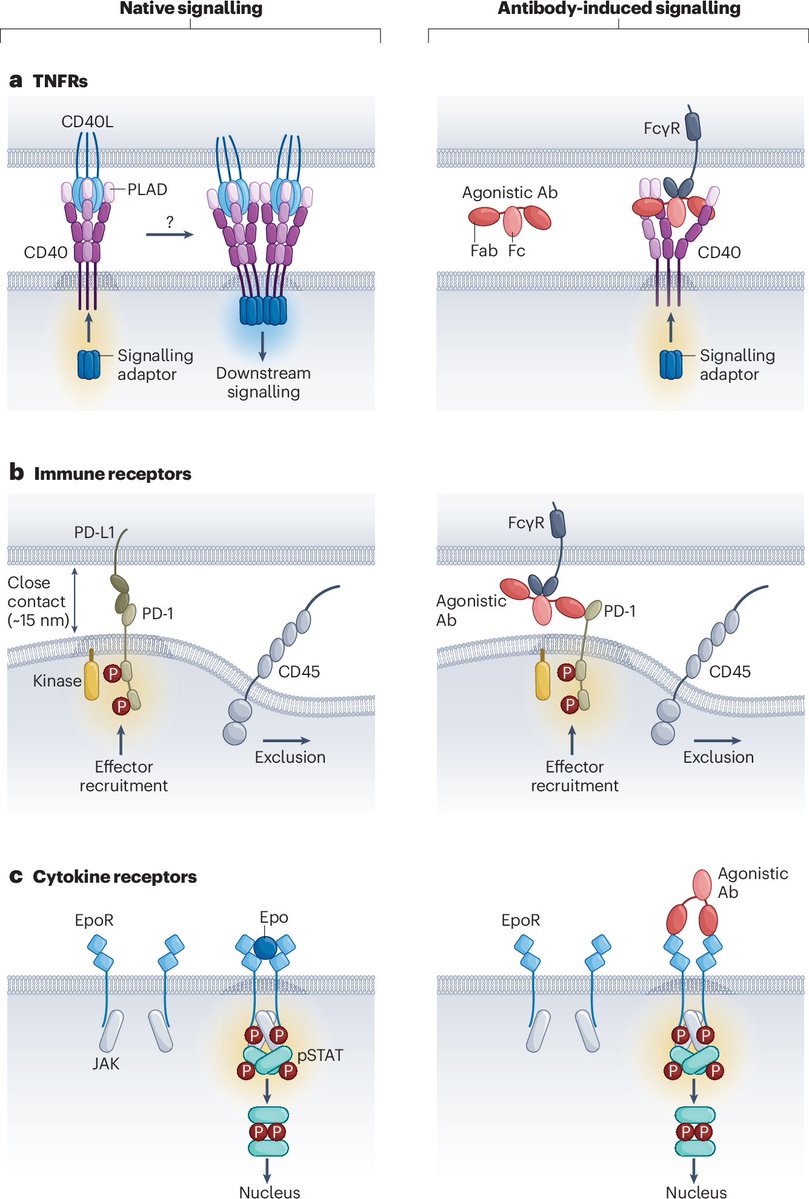
Realizing the potential of agonistic antibody immunotherapy
https://t.co/Qp8iL1kZZk
https://t.co/mmS3P22wLm
This new Review discusses progress with agonist antibodies to treat autoimmune diseases and cancer, as well as approaches to addressing challenges in their development
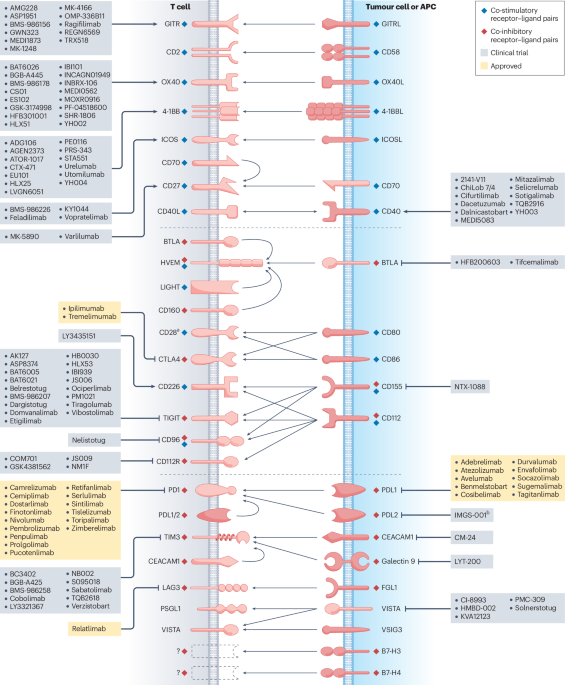
Inhibitory receptor agonists: Emerging strategies in immune modulation. Review from Kieran R. Adam, Aamir Suhail, Vijay K. Kuchroo, and Dario A.A. Vignali: https://t.co/mIotEN9VaA
📘 From #Inflammation Resolution 2026: https://t.co/pi4UCNFduI
#KSInflammation26
Foxp3 drives context-dependent epigenetic programs that define regulatory T cell molecular identity and function | Science Immunology https://t.co/NRdAqMfvOq
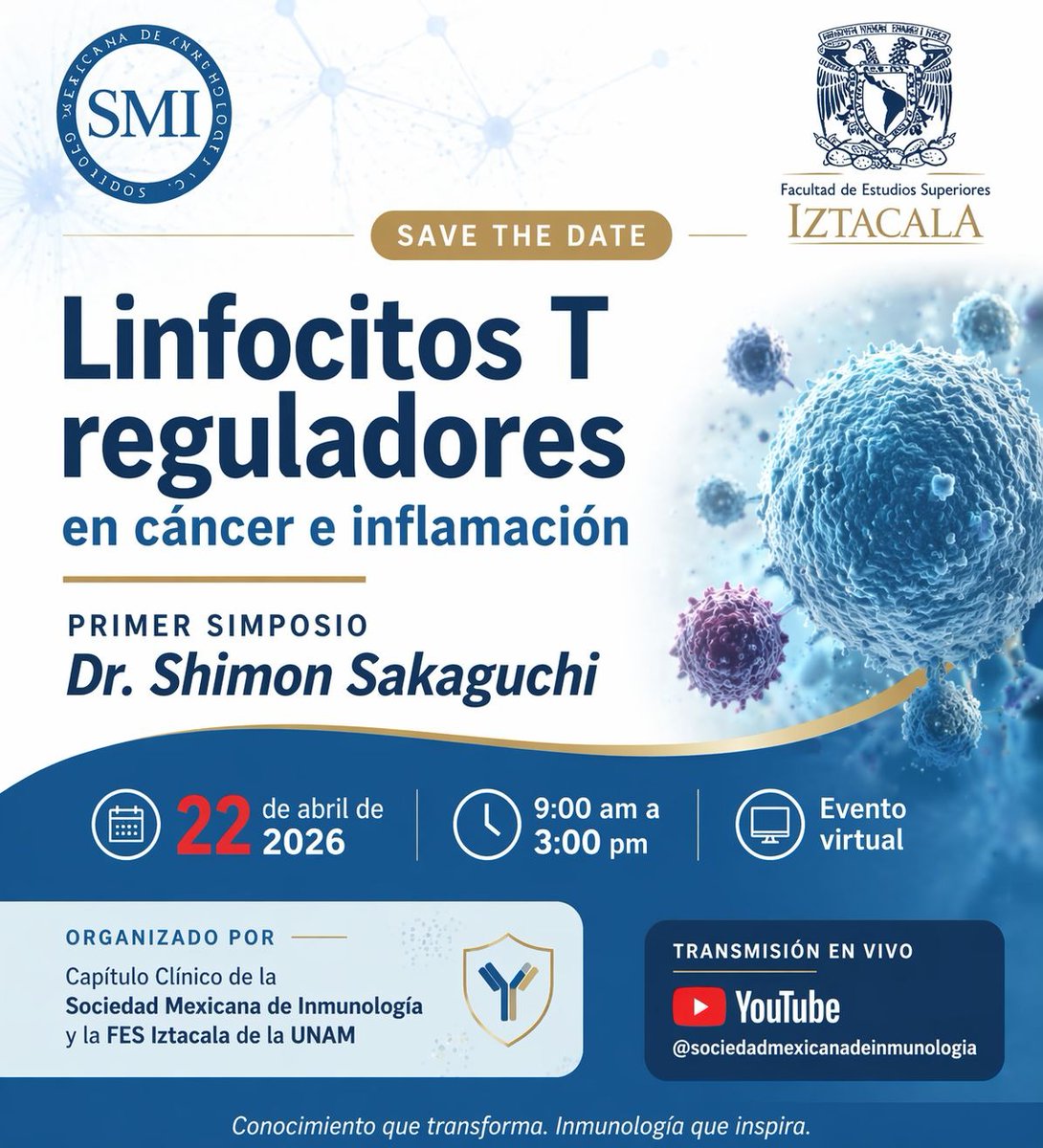
📢 Save the date
Primer simposio
“Dr. Shimon Sakaguchi”
Linfocitos T reguladores en cáncer e inflamación
📅 22 de abril de 2026
🕘 9:00 am – 3:00 pm
💻 Evento virtual
Más información sobre el programa y registro próximamente.
🔴 Transmisión en vivo:
https://t.co/NqFu4vi9SB
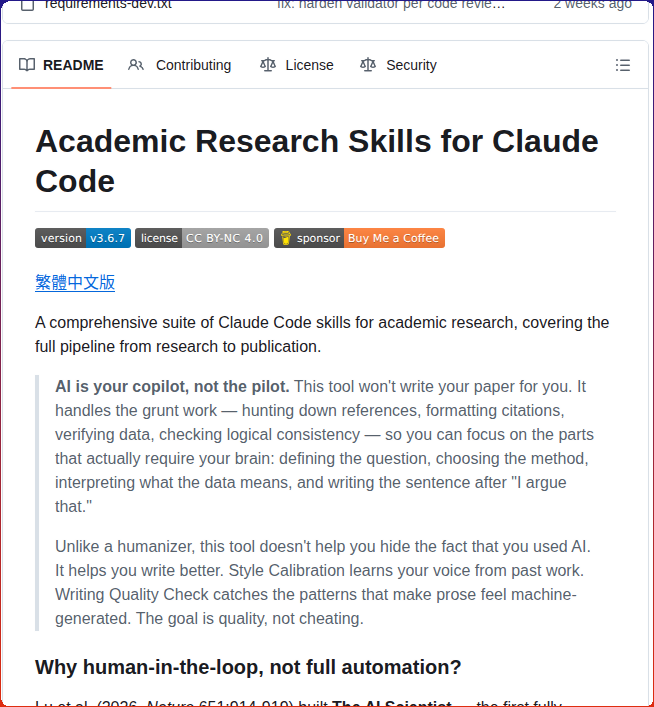
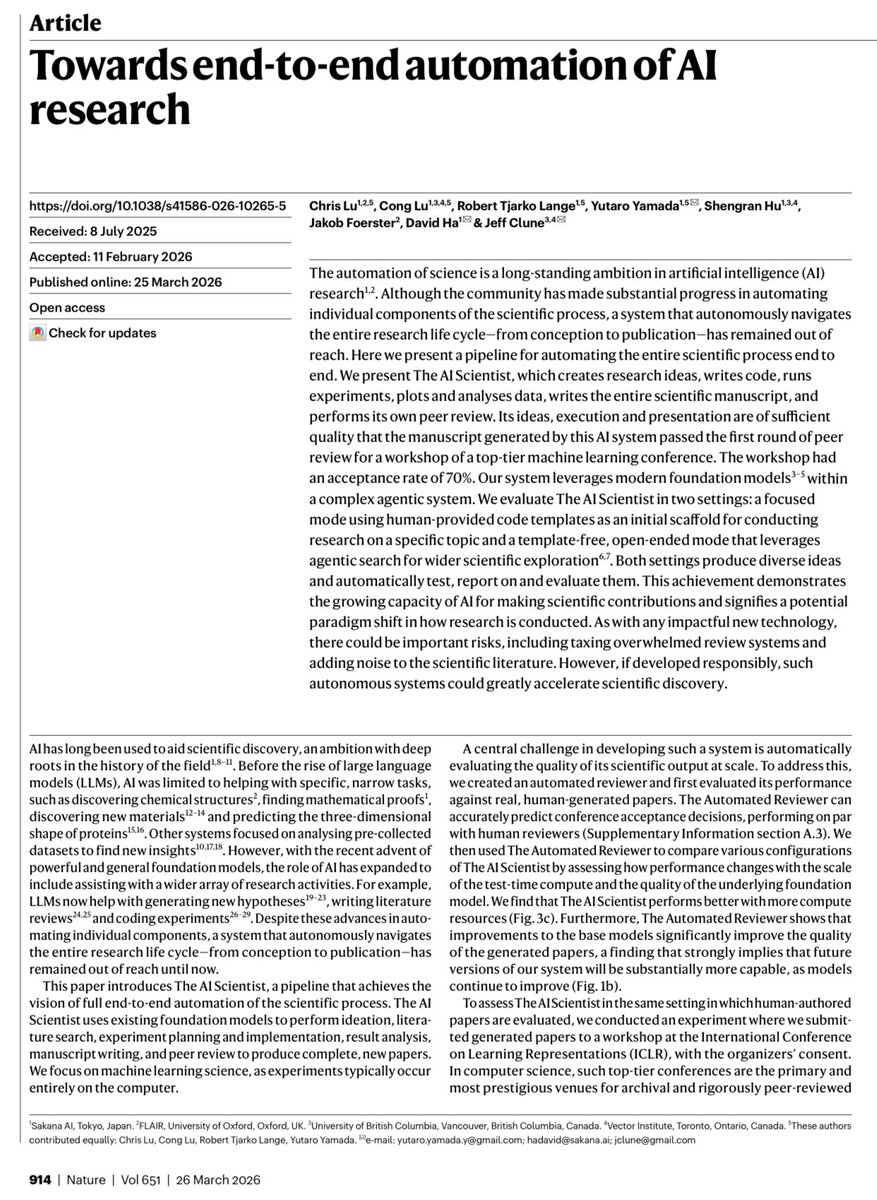
A pipeline for automating the entire scientific process end to end. @Nature
The authors present The AI Scientist, which creates research ideas, writes code, runs experiments, plots and analyses data, writes the entire scientific manuscript, and performs its own peer review.