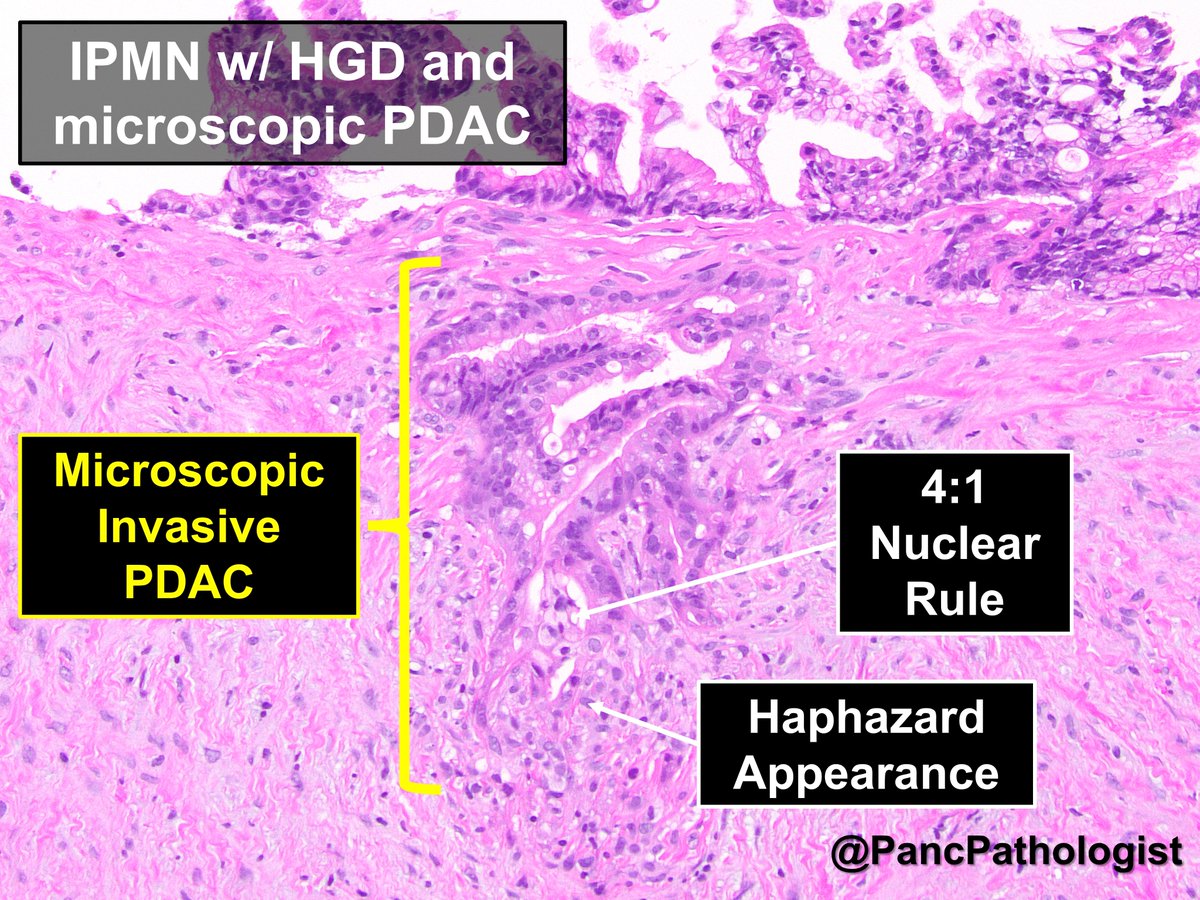
A tweetorial on our study (https://t.co/OCqCRJEMdx). But, first a case: Young female w/ a 1.9 cm incidental pancreatic cyst. No concerning features, but KRAS, TP53 and SMAD4 mutations on molecular testing. Surgical resection: #IPMN w/ a small #PancreaticCancer. #Pathology#GIPath
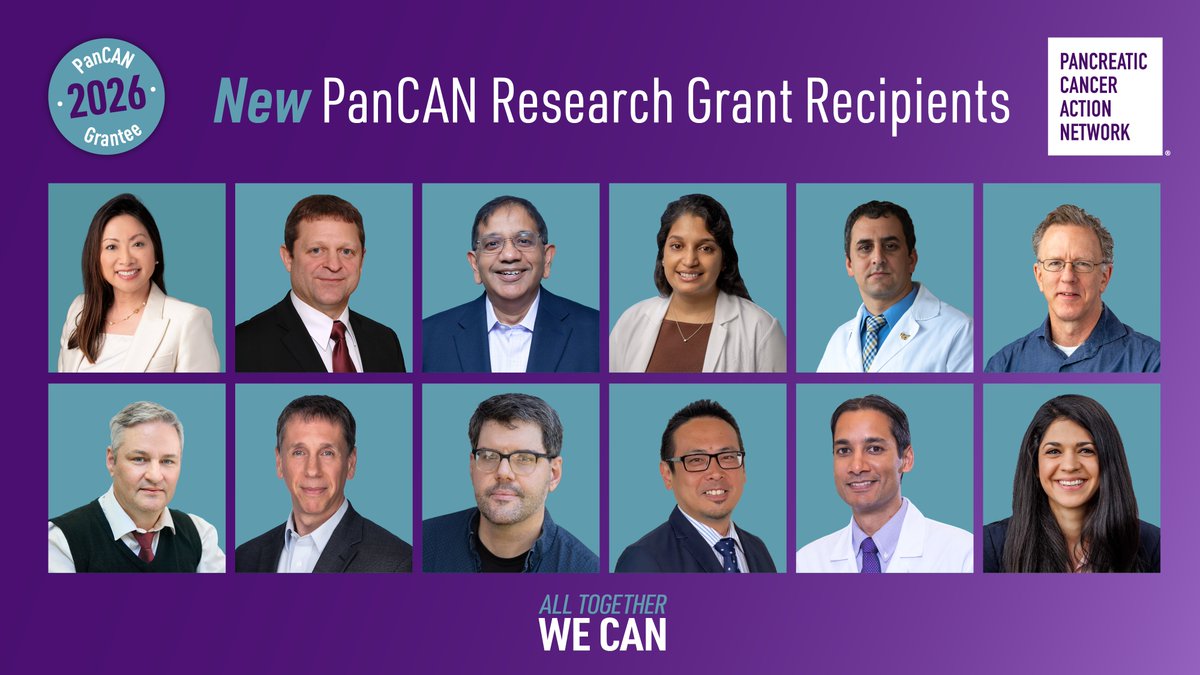
As part of our commitment to accelerate breakthrough research through the All Together We Can campaign, PanCAN announces nearly $3 million in grants that support cutting-edge science and fill critical gaps in the pancreatic cancer funding landscape. 🔬
The four Catalyst Research Awards, totaling nearly $2 million, are aimed at harnessing the power of tumor tissue, blood samples and patient data to accelerate the development of new treatments for patients with metastatic pancreatic cancer. This unparalleled resource — collected from participants in the PanCAN Precision Promise adaptive clinical trial platform — fills a critical gap in the research landscape. We’re providing researchers the materials they need to identify biomarkers of treatment response and resistance that can be targeted for more effective therapies. The goal is to drive discovery, inform trial design and bring us closer to a future where precision medicine is a reality for every person faced with this disease.
Data generated from the awards will be integrated into PanCAN’s SPARK Research Data Platform and made available for future use by the pancreatic cancer research community, multiplying the value of these projects.
Our eight Research Recovery Grants, totaling $1 million, fill the gap to rescue science that was otherwise going to go unfunded due to federal funding uncertainties. We are strategically targeting a breadth of topics and scientists at various career stages.
These grants support researchers as the field reaches a critical turning point: With more RAS-targeting therapies in the pipeline than ever before, our goal is to keep the momentum we need to deliver breakthroughs as soon as possible for patients and families facing this disease.
Meet this year’s Catalyst Research Award and Research Recovery Grant recipients at 🔗 https://t.co/u6fmGfj2RR.
Getting tricks for safe implementation from over a decade of experience & education with @HoggNDMD as 🇨🇦 expands 🤖 surgery at #CSF2026
▶️Be systematic in approach
▶️Train before getting on patients
▶️When you start, don’t stop
▶️Build team around you
🧵 1/10 The arc: POLAR - MDF – TIE
Pancreatic cancer is profoundly resistant to immune checkpoint inhibitors.
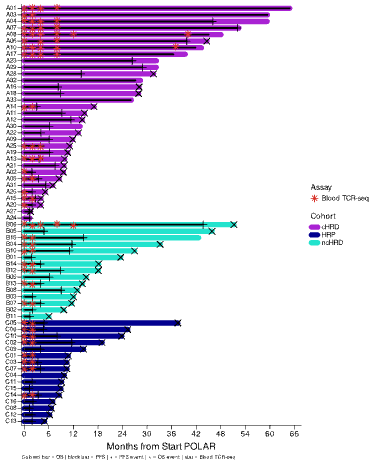
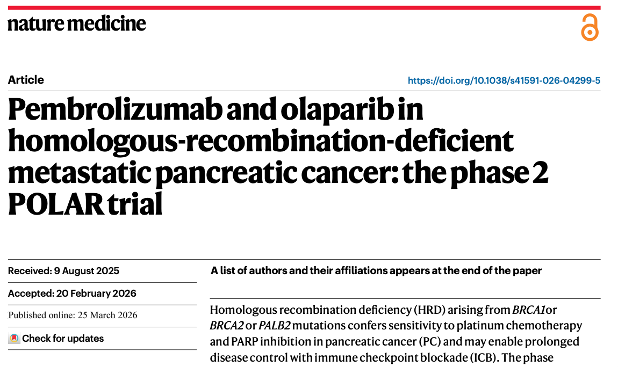
Yet, POLAR (pembrolizumab plus olaparib) trial showed that a subset of patients, especially with HRD (gBRCA2/1m or gPALB2m) tumors, can achieve remarkably durable control.
That led us to two questions:
#1 👆🏼what makes these tumors immunogenic?
#2 ✌️what makes that immunity actually work?
👑 #2. POLAR TIE @biorxivpreprint
https://t.co/IAQpmSzBE0
#1. MDF https://t.co/9vqCZF8Z6i
#0. POLAR @NatureMedicine https://t.co/UtCD1C7i4R
#cancer #immunotherapy #PancreaticCancer #ICI #BRCA #HRD #3episodes @MSKCancerCenter@MSK_DeptOfMed@CpcrMsk@ldiaz1971@debschrag@PanCAN@oncodaily@OncoDailyGI@OncoAlert@OncBrothers@brunolarvol
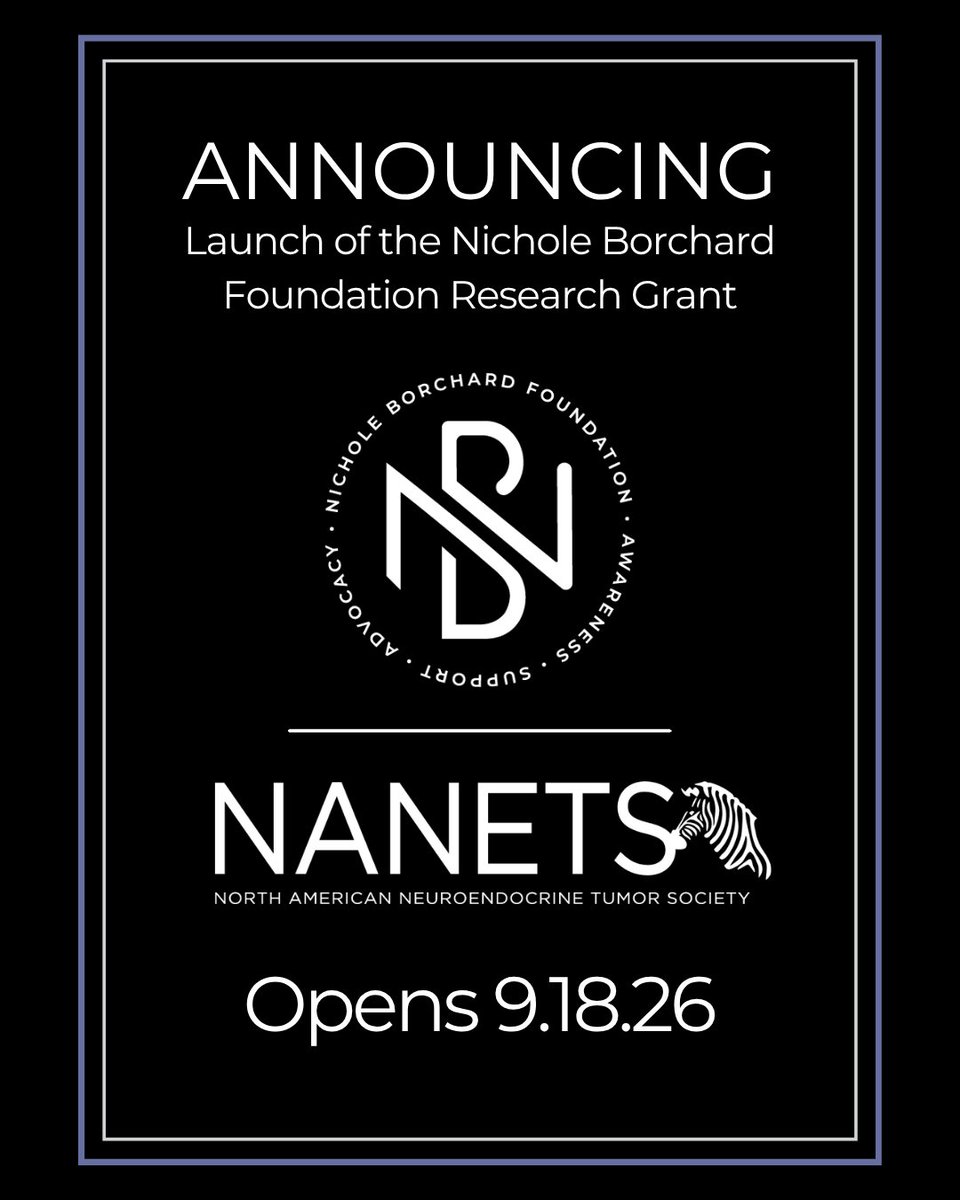
Nichole Borchard faced one of the rarest cancer diagnoses a woman can receive. The Nichole Borchard Foundation - created to change the narrative for patients - is now partnering with NANETS to fund new research into high-grade NEC. Up to $100K, applications open tomorrow. Details at https://t.co/ijLrhRs5g7
Excited to share our NCI working group paper, “Pre-analytical Best Practices for RNA Sequencing from Small Biopsies and Cytologic Specimens,” now published open access in Molecular Diagnosis & Therapy.
https://t.co/FcZpWUw1a3
#PrecisionOncology#Cytopathology#MolecularPathology
Robotic vs. Laparoscopic Cholecystectomy: What Our New Multihospital Study Reveals
At PittSurgery, we're always asking the same question before every operation: what's actually best for this patient? A new study led by @AmerZureikatMD
analyzing 1,828 patients across 8 hospitals (2020–2021), offers some of the clearest evidence yet on when robotic surgery adds real value in gallbladder removal — and when it doesn't.
Key findings:
-Robotic cholecystectomy (RC) showed lower rates of adverse outcomes overall (3.3% vs. 8.7% for laparoscopic) and shorter hospital stays.
-The advantage was concentrated in high-risk cases (Nassar score ≥7) and patients with elevated BMI — in these groups, laparoscopic surgery carried significantly higher odds of complications or conversion to open surgery.
-For low/intermediate-risk patients with lower BMI, both approaches performed comparably.
-The catch: RC cost roughly $2,200–$2,400 more per case than LC, regardless of risk level.
Dr. Zureikat's team also validated a preoperative risk calculator (AUC ~0.74–0.75) to help surgeons match the right approach to the right patient.
Robotic surgery isn't universally "better" — its clinical edge shows up specifically in technically complex or higher-risk cases. For most routine cholecystectomies, laparoscopic surgery remains equally safe and far more cost-effective. Smarter patient selection — not blanket adoption of new technology — may be the real path to better outcomes and resource stewardship.
What's your take: should risk-stratified guidelines like this shape hospital purchasing and OR scheduling decisions?
JAMA Surgery: Published today
Published Online: September 16, 2026. doi:10.1001/jamasurg.2026.4128
#PittSurgery #JAMASurgery #RoboticSurgery#LaparoscopicSurgery #Cholecystectomy#SurgicalInnovation #PatientSafety#ClinicalResearch #EvidenceBasedMedicine#SurgicalOutcomes
Pancreatic tumors are highly heterogeneous and immunosuppressive. But is immune resistance imposed across the whole tumor - or built locally by distinct cancer-cell states?
I’m incredibly excited to share our new paper, now out in @Nature! 🎉
https://t.co/jtEUKKFrBu
(1/7)
📣Join CGA-IGC and the @AmCollegeGastro for an expert-led webinar with Fay Kastrinos, MD, on the evolving management of hereditary pancreatic cancer risk. 🩺
📅 Thursday, September 24
⏰ Noon ET / 9:00 am PT or 8:00 pm ET / 5:00 pm PT
This session will provide an updated overview of:
🔹 Surveillance strategies for high-risk individuals
🔹 Findings encountered during pancreatic cancer screening
🔹 Interpretation of pancreatic abnormalities
🔹 When closer follow-up or intervention should be considered
🔹 Practical, case-based approaches to risk stratification and clinical decision-making
➡️Gain valuable insights into this rapidly advancing area of hereditary GI cancer care. 🔬💡
📍CGA-IGC members, check your inbox for registration details. Not a member? Join at https://t.co/1P2qaojxKq
#HereditaryCancer #PancreaticCancer #CancerSurveillance #CancerGenetics #Gastroenterology #HereditaryGICancer #MedicalEducation
All of the negative comments about daraxonrasib center around how it’s not a “cure” for pancreatic cancer. For the longest time, we’ve dealt with a substandard therapy-chemotherapy; and watched our patients succumb to this awful disease. On RASolute302- not only did patients live longer and tolerate the therapy better than 2L chemo- they were also more likely to receive subsequent line therapy. That is indeed something to celebrate.
Most importantly- this isn’t THE cure we’ve been looking for but this is certainly the dawn of a new era that we’ve all been anticipating for so long. Every therapy has AEs and will need fine tuning and real world experience before it becomes more tolerable for the not-so-fit patients in clinic. Drug pricing is also not an issue unique to this drug-it is a systemic issue that needs addressing on multiple levels.
It’s so easy to be an “expert critic” for likes and engagement on social media and so hard to work towards moving the needle forward for patients.
New paper from @BiffiGiulia in @NatureCellBio comparing fibroblast diversity and epithelial–stromal interactions between #pancreatitis and #PancreaticCancer using a plethora of sample types across species. Congratulations Giulia!
https://t.co/t7ndKcsar6
Preprint on @10xGenomics Atera single cell whole transcriptome analyses (WTA) platform
https://t.co/OkR2IfvSRd
One demonstrated advantage is single cell resolution inferred CNV that can be mapped with co-occurring tumor microenvironmental alterations. Great for precursor lesions.
Amazing news today, culmination of years of research & clinical trials in #PancreaticCancer.
The @RevMedicines approval for Rasonque (Daraxonrasib) will open many doors, including other inhibitors in this space & combinations. @OncoAlert@KRASKickers
https://t.co/07rvyKVQpy
Pancreatic cancer is notoriously hard to treat, but we are making progress. Recent @theNCI -funded work that sheds light on mechanisms behind #daraxonrasib resistance and could help clinicians choose treatment combos that outsmart pancreatic tumors. https://t.co/mkz4CxaeBs
Some hepatic adenomas are easy - this one is beta catenin activated and thus should be resected. An endothelial cell (negative internal control, arrow) shows no nuclear staining. Note the unpaired artery. However, Mod Pathol offers some tips!
https://t.co/tuPIPko1QU
ESMO Clinical Practice Guideline Express Update on daraxonrasib in the treatment of metastatic pancreatic cancer
@Annals_Oncology
https://t.co/YzKDr6M392
👉pan-RAS(ON) inhibitor daraxonrasib included in second-line therapy
@myESMO
Unexpected opening! Surgical Pathology Fellowship at @UPMCPathology / University of Pittsburgh for AY 2027–2028. 9 months of core surgical pathology (~50,000 specimens/year), plus tailored electives and department-funded research.
📧 [email protected] | [email protected]
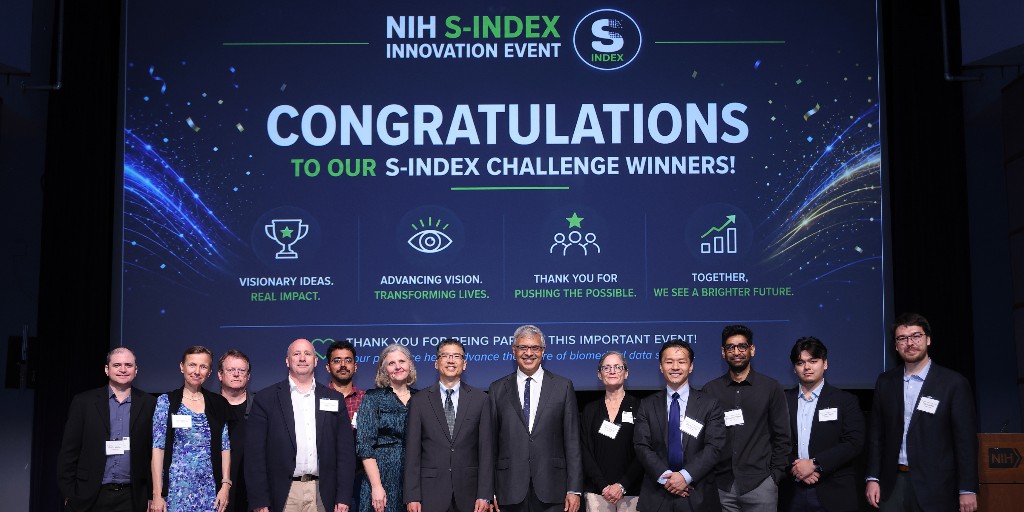
The future of biomedical research depends on sharing high-quality data. The NIH S-index aims to recognize and reward researchers whose shared datasets drive new discoveries and advance science beyond publications alone.
Congratulations to the winners of the NIH S-index Challenge, whose innovative approaches are helping shape this new metric for data sharing!
Learn more about the winning teams: https://t.co/5Uo0rRxoPD.
Are you interested in knowing the outcomes of the different subgroups participating in the NETTER-2 trial of PRRT with Lu-177 DOTATATE vs. octreotide LAR? If so, wait no longer. It is available online now.
In short, PRRT is effective in this population.
-- PFS in G2: 29 months
-- PFS in G3: 22.2 months
-- PFS in pNETs: 19.4 months
-- PFS in sbNETs: Not reached
Response rates are quite high:
-- G2: 40.4%
-- G3: 48.1%
-- pNETs: 51.2%
-- GI/sbNETs: 33.3%
More details below...
https://t.co/gqXNBd2d9F
Important changes coming to how @NIH reports scores on reviewed grants - while individual reviewers will still provide an overall impact score, the investigators will only receive information on which of three broader categories their grant falls under:
https://t.co/OSHzIMR5cn