Paul Winters is the Keough-Hesburgh Professor of Global Affairs & Associate Dean for Academic Affairs at the University of Notre Dame, South Bend, Indiana, USA
Join us 11/16 in Washington, DC for our next policy conversation, “The Road to @COP28_UAE: Agricultural Innovations to Address #ClimateChange and #FoodSecurity.” https://t.co/4HTMZikEIY
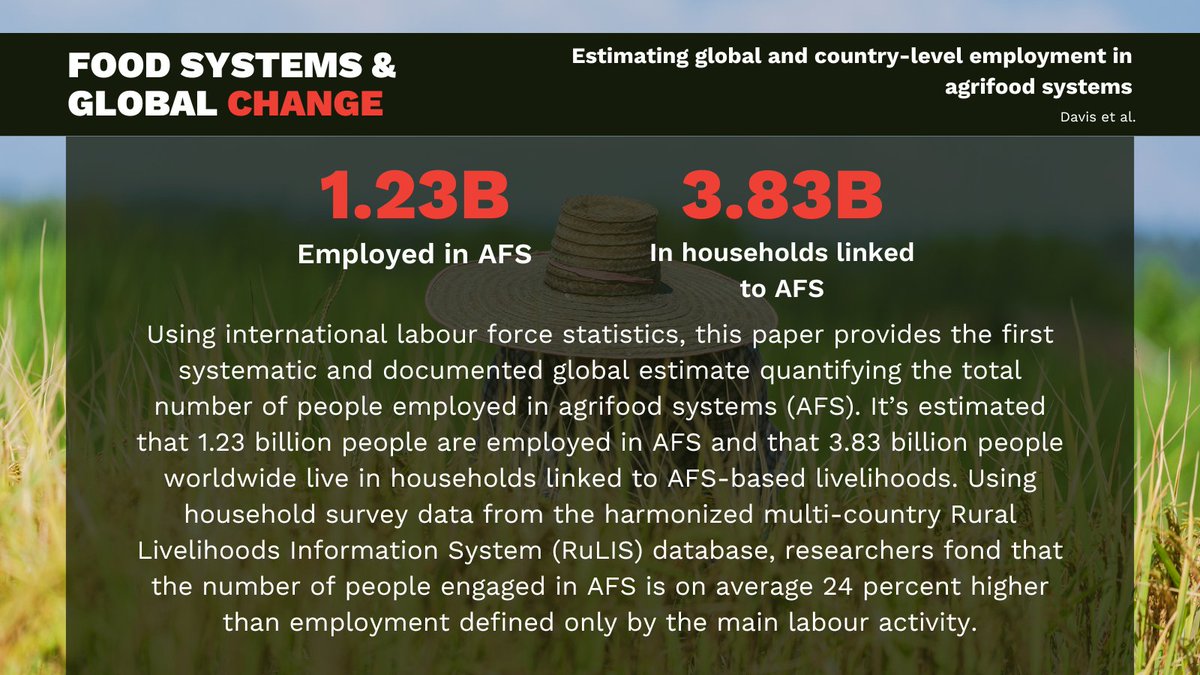
Policymakers must address challenges facing agrifood systems in an integrated way now that almost half the world’s population lives in households linked to agrifood systems. Insights from @FAOnews study featuring Keough School faculty member @PaulCWinters: https://t.co/JRuYz8nQ7M
Did you know that half of the world's population is reliant on food systems employment? New @FAO research by @Benkdavisroma, @iamramyaambi, @DrKateSchneider, @PaulCWinters, @ErdginMane & @yonciggs estimates the global and country-level employment in AFS ➡️ https://t.co/iLrLfKxL9l
As global food shifts create more affordable diets, rural economies still fall short in nutrition, sustainability, and equity. I am happy to present a co-authored paper addressing this concern:
https://t.co/PlVBBaYWL4
Fans in the stadium just met this week's featured member of the 2022 All-Faculty Team: Paul Winters, the Keough-Hesburgh Professor of Global Affairs in @KeoughGlobalND. Learn more about professor Winters and the rest of the All-Faculty Team at https://t.co/LsFsrEjnZA.
Happy to present this Policy Brief for a paper co-authored with @Benkdavisrom and Leslie Lipper:
Do Not Transform Food Systems on the Backs of the Rural Poor: https://t.co/eYBaYSOhTx
#SpringerNature#RuralPoverty#FoodSystems
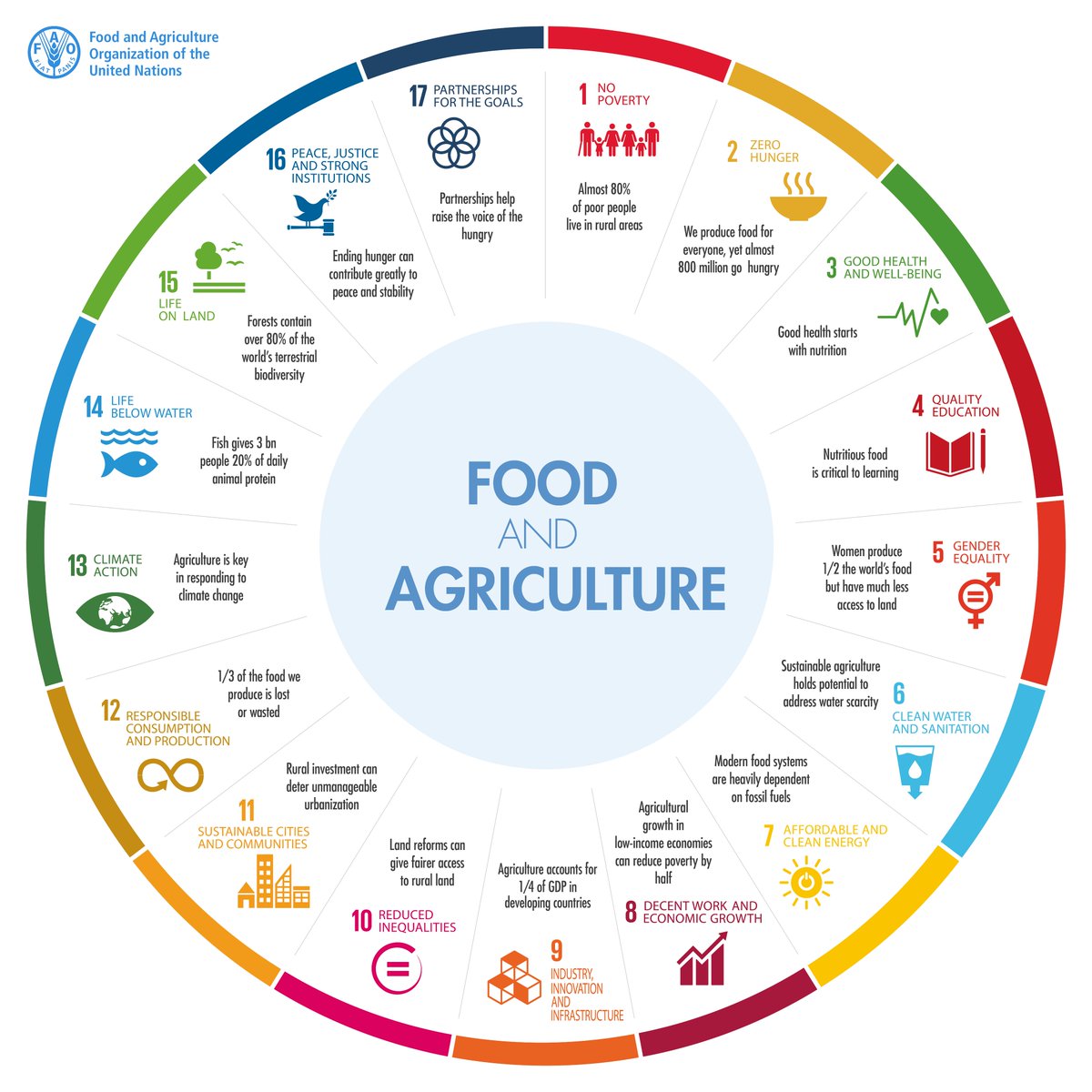
Progress towards SDG2: Zero Hunger was stalling prior to COVID-19 and the trends are worsening.
Our @CHGlobalHealth report proposes reforms to leadership, governance and coordination for Rome-based 🇺🇳 agencies:
▪️ @FAO
▪️ @IFAD
▪️ @WFP
Read in full:
https://t.co/dIPEcRvTmS
Happy to present this article co-authored with Leslie Lipper and Paul Winters
Do not transform food systems on the backs of the rural poor 👉https://t.co/eWTsbKpvEx
#SpringerNature#RuralPoverty#FoodSystems
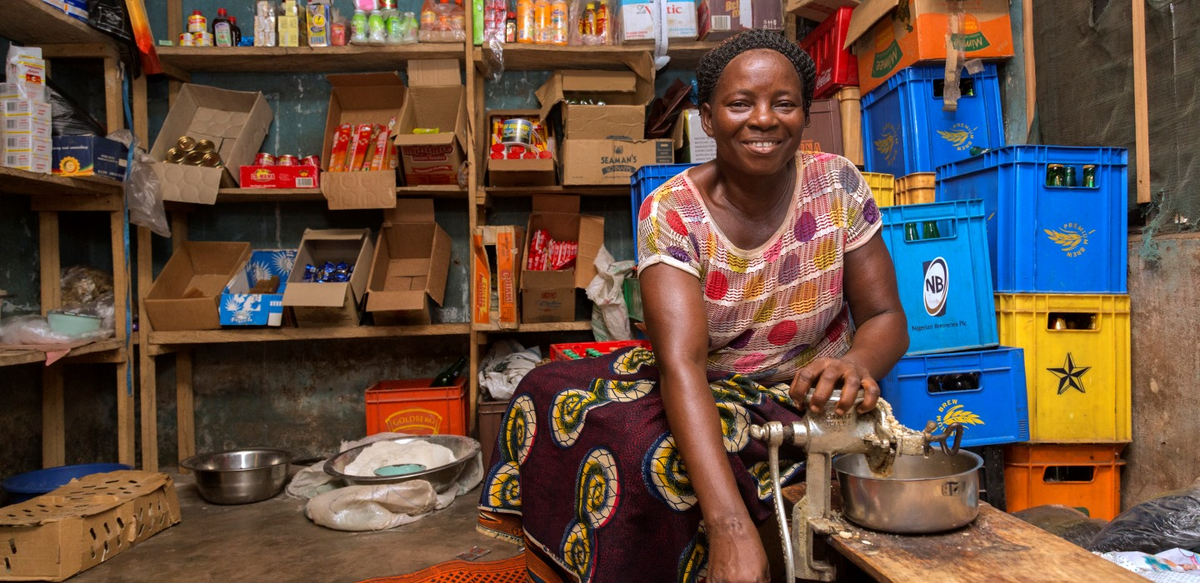
Farmers struggle with financial aspects of running a business, while other agribusinesses don’t get financial support being too small for bank loans or too large for microfinance.
How can farmers access capital for sustainable agriculture?
🌱https://t.co/VSr3QRIBfu
📣 NOW ONLINE: new IFAD research series
The paper focuses on identifying and promoting agricultural practices aimed at enhancing productivity and resilience.
➡️ https://t.co/dNF2YnK7TJ
As the United Nations warns of famine on a scale not seen in 50 years, researchers must help to build agile, inclusive data collection and analysis to inform agricultural policy.
https://t.co/CsOR0tbqbn
These young rural people are showing that they are not only the future, but also the present.
Here 👇 we share a glimpse of their stories.
https://t.co/c8L3mQJJ4H
In partnership with @IFAD, we are creating the #HungerClock. Using over 3 million data points, we will provide the international community with the most accurate and granular hunger estimates to date. Forecasts will run until 2030, the end of the #SDG period. Coming soon.
In remote rural areas, small producers lack the basic infrastructure — banks, roads, power, and Internet — needed to run a business.
Find out how we work towards vibrant, inclusive and sustainable rural economies.
➡️https://t.co/A50HsJEyT6
In this month’s IFAD podcast, we’re keeping farmers in focus.
Listen to find how farming communities are coping with the COVID-19 crisis.
https://t.co/pgNTFZrdWx
340 million full-time jobs could be lost with a second wave of #COVID19.
A #TemporaryBasicIncome can be a tipping point to protect the most vulnerable & sustain local economies.
More in @UNDP’s new report: https://t.co/xzugIukIbU
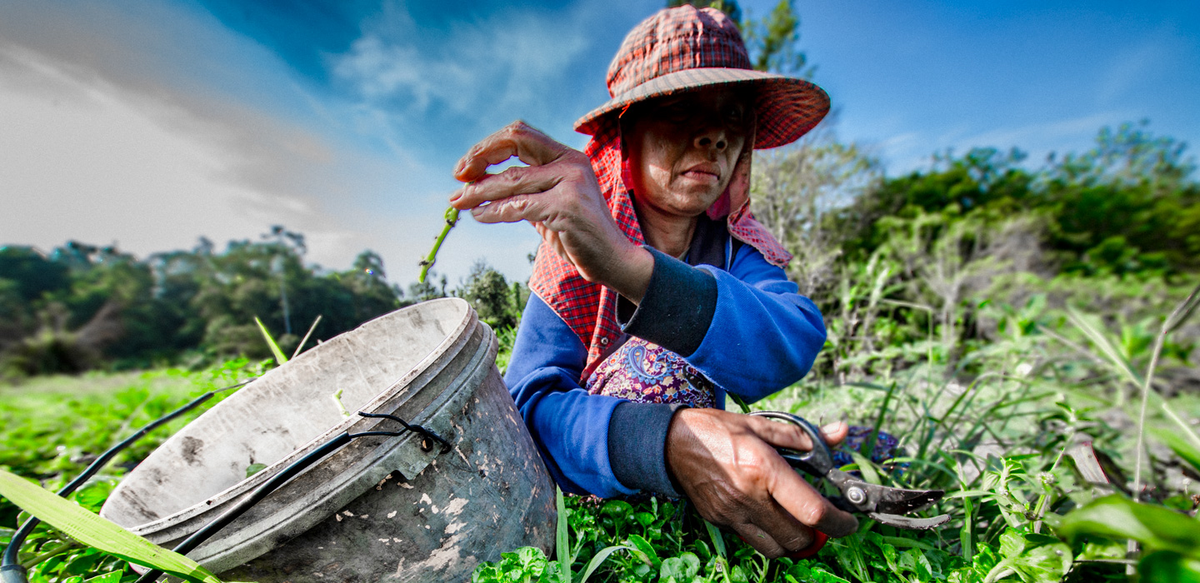
Most of the poorest, hungriest and most marginalized people live in rural areas.
IFAD has initiated a response fund with US$40 million of seed funding and we expect to mobilize at least US$200 million from other donors to scale up support.
Find out more https://t.co/MkhdjwgYqK