In @nytimes, Professor @Lee_BenjaminC (@ESEatPenn, @cis_penn) explains how AI training workloads are distributed across thousands of chips working in parallel, and why the growing scale of generative AI is making models increasingly expensive to train. https://t.co/1Qt7k7FNuS
Penn Engineering researchers used AI to analyze @Reddit posts about gray-market formulations of the unapproved GLP-1 drug retatrutide, identifying self-reported symptoms that may warrant further study. https://t.co/lZ6kwrfMP2 #GLP1
Penn Engineering and Penn Medicine researchers developed an AI platform that lets patients communicate with medical devices in real time, receive personalized alerts and help improve seizure detection. https://t.co/c1FP53d5XG #AIResearch#HealthcareInnovation
Penn Engineering researchers are using Betty, a supercomputer built on @NVIDIA DGX SuperPOD technology, to train larger AI models, accelerate robotics experiments and support research across disciplines. https://t.co/klRz7mlKLz #AIResearch#PennEngineeringProud
For Cybersecurity Awareness Month, Linh Thi Xuan Phan, @PennEngineers professor in @cis_penn, explains how AI and other emerging technologies could reshape cybersecurity for spacecraft and satellite networks. https://t.co/MQPpbRaDyl #AIResearch#CybersecurityAwarenessMonth
Alexandra Oh, a graduate of Penn Engineering's inaugural B.S.E. in AI program, returned to campus for an Alumni Spotlight, sharing insights on her academic journey, internships and career opportunities. #PennEngineeringProud#AIStudents
As AI moves into robots, cybersecurity is key. A new @IEEESpectrum feature outlines three layers of risk and highlights @PennEngineers research on RoboPAIR. https://t.co/85roL3JwiA #PhysicalAI#AIRobotics
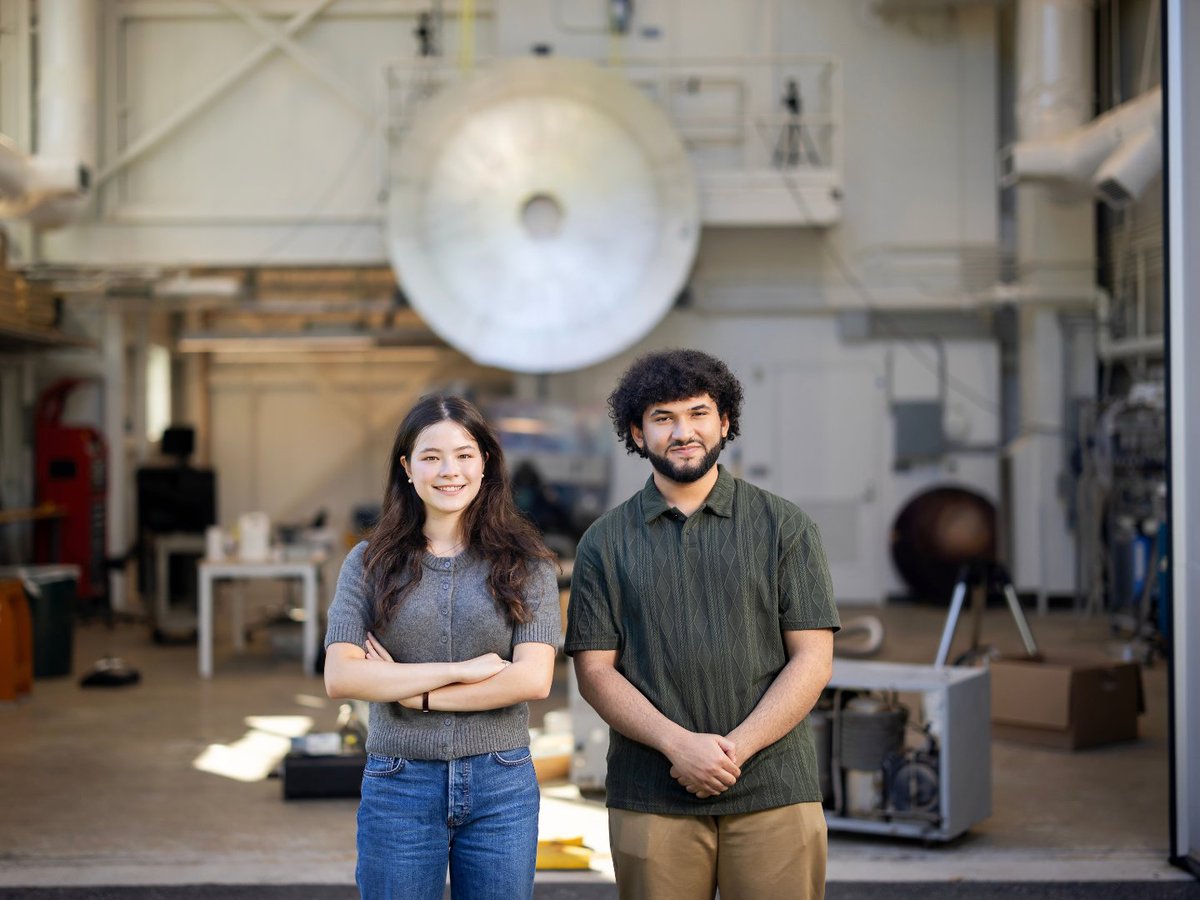
Penn students Naomi Blau (ENG'29) and Moaz Elgeziry (C'29) spent the summer researching the Green Bank Telescope through Penn’s Undergraduate Research Mentoring (PURM) program, using AI to help modernize its software. https://t.co/YuBoVIHpWm Photo credit: Eric Sucar. #AIResearch
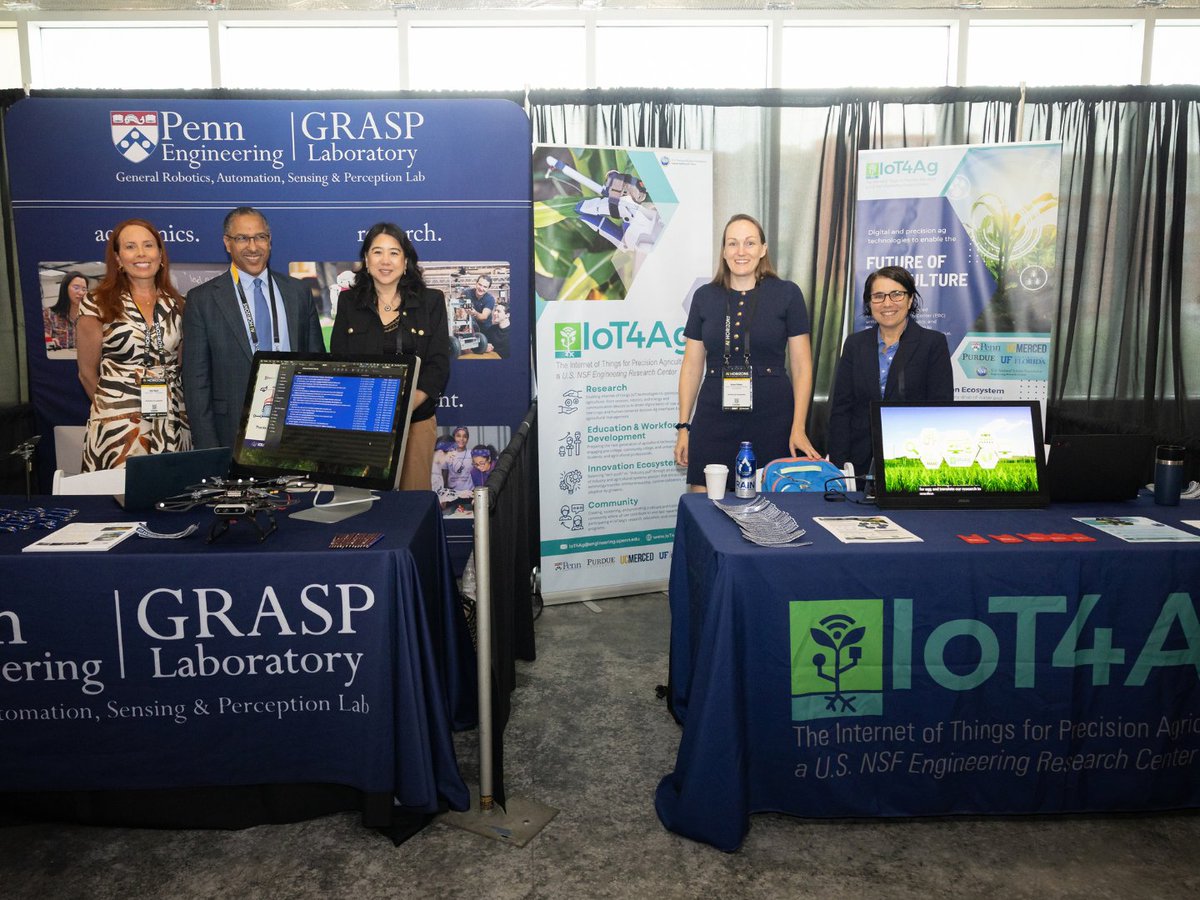
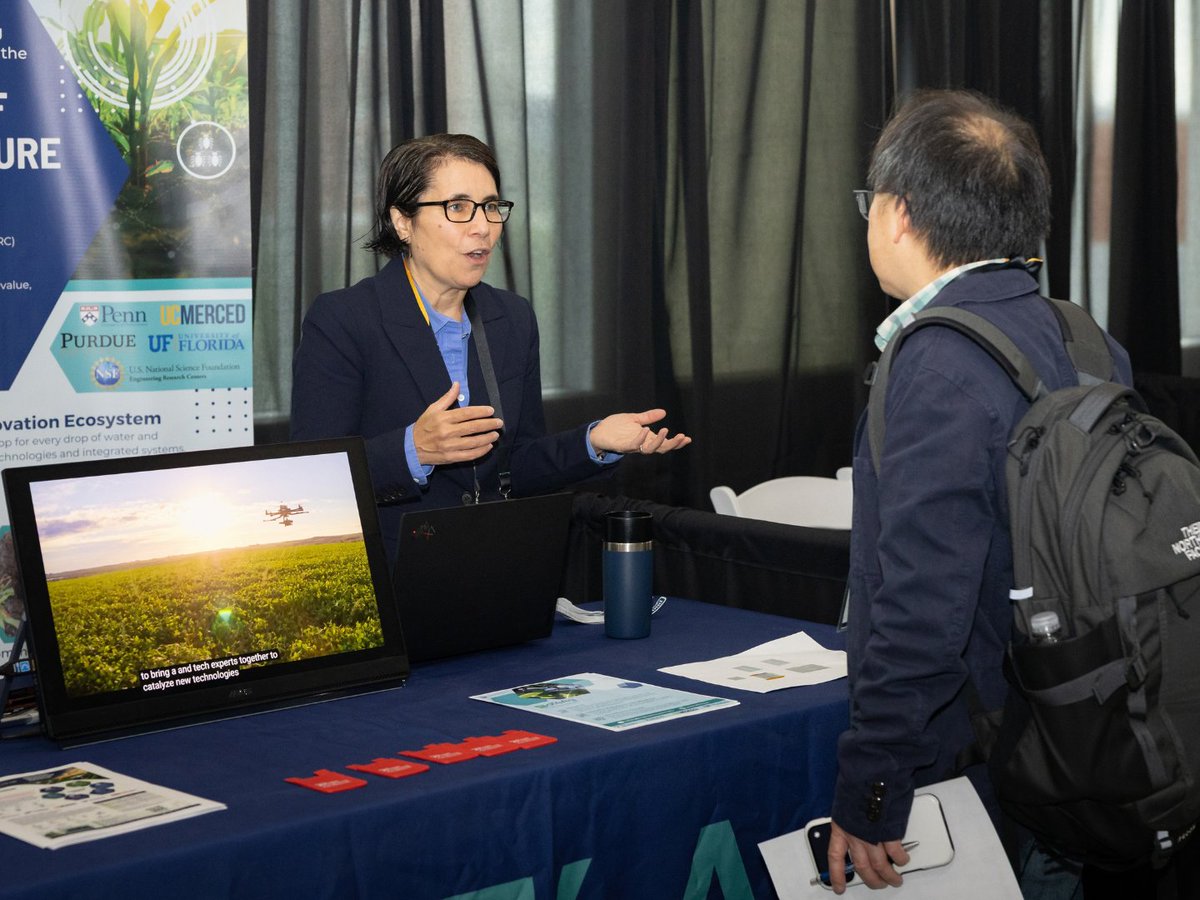
@PennEngineers was at #AIHorizons2026 in Pittsburgh, with @GRASPlab and IoT4Ag showcasing research at the expo and Penn's Vice Provost for Research David Meaney joining the “Who Gets to Build AI?” panel on access to the resources and infrastructure needed to advance AI.
@Meta’s new AI agent, Muse, can manage tasks across email, calendars and more. @PennEngineers Professor @RICEric22 (@cis_penn) spoke with @NBCPhiladelphia about what users should consider when deciding how much access to give an AI agent. https://t.co/2VcMz5sX5j #AIAgents
Penn Engineering doctoral students and researchers at the AWS ASSET Center Symposium take on a 10-second challenge: explaining what their research can help accomplish.
#ArtificialIntelligence#LLMs
@XueSherryGao, Associate Professor in @CBE_Penn and @pennbioeng at @PennEngineers, and her team developed EvoMax, a machine-learning approach that uses limited experimental data to help identify promising ways to improve a compact gene-editing tool. https://t.co/vJYoXeMp99
A new study examines how ChatGPT, Gemini and Claude respond to political and public policy questions. @PennEngineers@cis_penn Professor Chris Callison-Burch spoke with @6abc about the findings and how personalization can shape AI responses. https://t.co/kGkV4wfAkP
Melanie Herbert (EE’25, GEng’26), founder of AI health startup Sync Labs, is featured by @CBSNews in a story on Gen Z entrepreneurship. https://t.co/gTHjuO5rJE #PennEngineeringProud#AIEntrepreneurship
Researchers at @PennEngineers and @KennedyKrieger developed CAMI-2DNet, an AI-powered computer vision system that uses ordinary video to assess motor imitation, helping make autism screening more accessible. https://t.co/16rvFc9LcM #AIResearch#AutismResearch
Penn Engineering researchers have developed PeptiVerse, an open-source AI platform that could help identify promising peptide drug candidates earlier in the discovery process.
Published in @NatureComms, the platform predicts key drug properties before lab testing, helping researchers focus on the most promising candidates.
https://t.co/s1JassE3Zw
@PennEngAI@CIS_Penn@pennbioeng
Penn researchers developed a low-cost AI system to help Sierra Leone forecast demand for essential medicines. Following a pilot, the government expanded the system nationwide, where it now supports allocation decisions for more than 70 medical products. https://t.co/Ho5GKjHZcW