When students smashed the windows of philosopher Johann Gottlieb Fichte—who claimed the outside world "is just a product of our own mind"—Goethe couldn't resist the remark: "A rather unpleasant way to be convinced of the existence of the Non-Self."
“A verdade é contrária à nossa natureza; não assim o erro, e isto por uma razão muito simples: a verdade exige que reconheçamos a nós mesmos como limitados; o erro nos lisonjeia de que, de um modo ou de outro, somos ilimitados.”
— J. W. Goethe
“Todo dia, devíamos, ao menos, ouvir uma breve canção, ler uma boa poesia, ver um quadro genuíno, e, se possível, dizer algumas palavras sensatas.”
-Johann Wolfgang von Goethe
But everyone says they are suffering... But they live normal lives, nonetheless. These days everyone uses the word "suffer" in excuses they make for themselves.
Yukio Mishima, 'The Lighthouse'
Many people wonder whether, when faced with a temptation of an evil thought, they consented sufficiently for it to be a sin. And even whether it would have been a mortal sin.
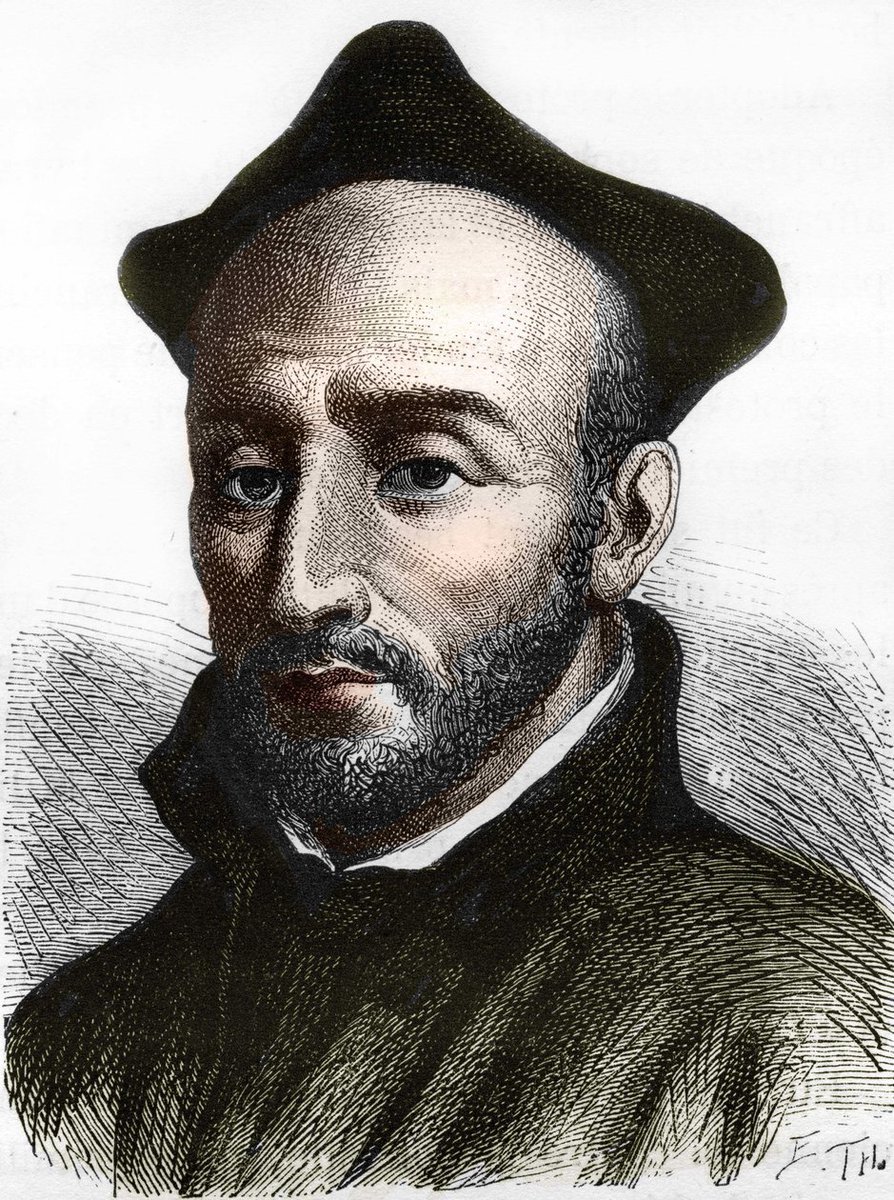
In the Spiritual Exercises, Saint Ignatius of Loyola teaches us to make a General Examination of Conscience of our thoughts in order to perceive whether we have sinned, and what the gravity of that sin is.
The founder of the Society of Jesus begins by explaining that there are two ways of gaining merit when we are confronted with a temptation:
“The first is, for example, when a thought of committing a mortal sin comes. I resist it promptly, and it is overcome.
The second way of meriting occurs when that same evil thought comes to me and I resist it, and it returns again and again, and I always resist, until the thought is overcome. This second way is of greater merit than the first.”
He then explains that whoever nourishes thoughts about a temptation to commit a mortal sin may sin venially or mortally:
“One sins venially when the same thought of sinning mortally comes, and the person gives it attention, lingering a little in it, or receiving some sensual delight, or being somewhat negligent in rejecting such a thought.
There are two ways of sinning mortally:
The first is when consent is given to the evil thought, so as to put it into practice at once according as one has consented, or to carry it out if one could.
The second way of sinning mortally is when that sin is put into act; and it is greater for three reasons: the first, because of the greater length of time; the second, because of the greater intensity; the third, because of the greater harm to the two persons.”
« Ne rien vouloir et ne rien chercher d'autre, sinon, en toutes choses et par tous les moyens, une plus grande louange et gloire de Dieu Notre Seigneur. » Ignace de Loyola
“Why then do I delay? Why do I not abandon my hopes of this world and devote myself entirely to the search for God and for the happy life?”
—Saint Augustine of Hippo
"As long as one lives in this life, no one is justified before God. And you will see that, in comparison with that righteousness, the righteousness of this present life is nothing but loss and dung."
— St. Augustine, Sermo 170, n. 6-7