@arcadegalactic When you get the programmable PS2 memcard looking key you can combo that with the ide-simulator or equivalent to run any 246/256 game compatible with your 2x6
2016 - PlayStation moved global HQ from Tokyo to California, abandoning Japan-first values
2019 - Senran Kagura producer Kenichiro Takaki resigned from Marvelous over PlayStation’s censorship demands.
These two points stood out to me as someone who primarily plays Japanese games, since to me once PlayStation moved global HQ from Tokyo to California, That's when the woke era of gaming really started to ramp up. Particularly in the West, though honestly as someone who prefers Japanese gaming, I wouldn't even have cared as much for woke ideology existing in gaming as long as devs who don't believe in that nonsense were allowed to make what they want, and not FORCING their woke agenda on Japanese devs, but that's not what happened unfortunately.
I'll never forgive Sony HQ in California after the transition for disrespecting and pressuring Kenichiro Takaki to self censor his art in order to appeal to a small handful or radical activists. This and the combination of shutting down the Sony Japanese studio meant we are most likely NEVER going to get a proper sequel to Gravity Rush 2, despite one of the original creators of the series at one point saying he had interest in making said sequel.
Imagine and alternate timeline where Japanese game devs aren't being pressured or encouraged to censor their games like with Capcom, Namco and Square Enix.
Imagine an alternate timeline with a brand new uncensored Senran Kagura and Gravity Rush 3.
What could have been...
Splitgate is implementing P2P servers as an end of life plan and even citing #StopKillingGames as part of the motivation for doing so. That's excellent and in a sane world would be standard practice.
https://t.co/HlD8kEcY69
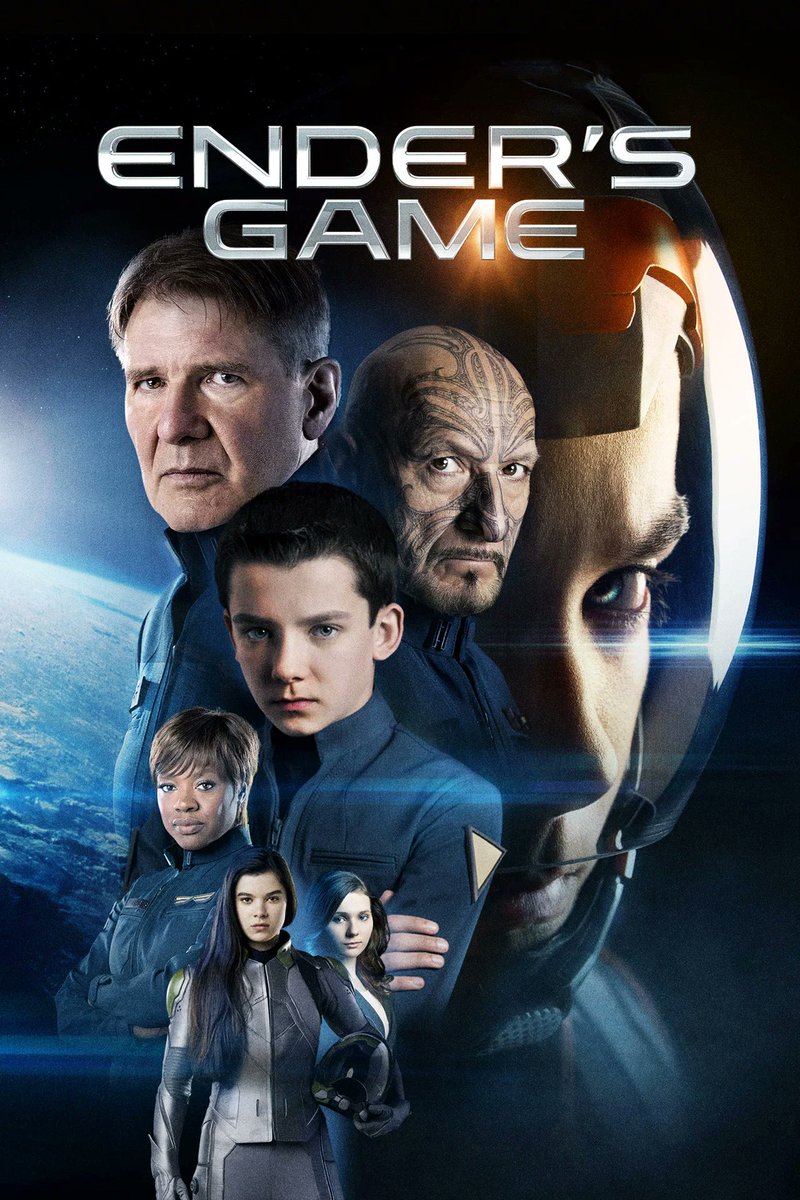
Ender's Game author Orson Scott Card on the problems with how religion is portrayed in current fantasy and science fiction:
"In our culture, intellectuals have become so uniformly a-religious or anti-religious that our fiction, with few exceptions, depicts religious people in only two ways: the followers are ignorant and stupid and easily fooled, and the leaders are exploitative and cynical, manipulating others' faith for their private benefit.
I know some people who fit those descriptions. But they are in a tiny minority. Most religious people I know are smart, well-educated, independent-minded, stubborn, honest, and generous -- at least as much so as the average intellectual, and usually more.
The hostility toward religion among American intellectuals arises, I think, from a clear awareness that it was against a publicly religious culture that their own culture rebelled. Now that rebellion is completely successful in terms of capturing control of all the public instruments of transmission of culture -- the universities, the media, and the literature and art -- but it has become such a shibboleth of intellectual life to snipe at religion that, like the aging "revolutionaries" of the old Soviet Union, they mindlessly continue to "rebel" in order to defend their tight grip on the establishment. Indeed, those intellectuals are the establishment. And what was once a daring and rebellious stance is now just another example of lockstep conformists mindlessly echoing ideas that they haven't examined.
That's when contemporary fiction mentions religion at all. Most of the time, in and out of speculative fiction, religion simply doesn't exist. Characters don't believe in God or even think about believing in God. Nobody talks about religion. Nobody belongs to any kind of church. Religion simply doesn't exist. ...
This is, I think, a serious lapse, a dishonesty in our contemporary literature. It is most seriously dishonest because in fact, even the supposedly a-religious intellectuals behave exactly as religious people always have. That is, the behavioral and cultural patterns that we have always associated with religions are indistinguishable, except by vocabulary, from the behavioral and cultural patterns of the a-religious intellectuals. They band together with fellow believers, feel sorry for or hostile toward unbelievers, immediately punish heretics -- intellectuals who, having once been accepted in the 'faith,' dare to question its premises -- anoint their priests and theologians (psychologists and therapists being their ministers, scientists and, more usually, science popularizers being their doctors of atheology), and insist on their absolute right to put forth their religious ideas with public funding and the authority of the state behind them, while doing their utmost to silence or marginalize the beliefs of others.
Most fiction has become, in short, an instrument of propaganda for the established religion of our time, which differs from other religions only in the particular content of the faith and the vocabulary used to describe it. Naturally, the true believers are sure that the real difference is that their beliefs are objectively true. But then, true believers have always believed that. This is not what distinguishes them from other established religions, but rather what makes them fundamentally identical to them.
The honest depicter of human life will include the religious aspect of that life. This is not to say that stories need to be about religion, any more than stories about our contemporary culture need to be about cars. But the cars need to be present, at least by implication, and if a character doesn't know how to drive, we'd need to know why."
Is this why Hollywood stopped adapting his books into films?