The Latest Block began as a crypto and fintech news aggregator.
Power & Markets is a more focused publication for readers who want analysis of how sanctions, energy, trade, shipping, information operations and digital assets shape geopolitical power.
This account stays active under the new name.
Tokenized assets are critical to digital markets, but are often locked in separate systems that can't work together.
A new member of @lfdecentralized, Sui joins @OpenAssetsInc to extend the Open Tokenized Asset Standard (OTAS) to the Sui ecosystem, helping define shared standards across institutions and markets.
🧵
OpenAssets is collaborating with @SuiFoundation to advance the development of OTAS under @lfdecentralized Trust, extending a neutral framework for identity, compliance, asset representation, and reporting for the Sui ecosystem.
The goal is simple: make tokenized assets easier to verify and move across networks while preserving a trusted record of their ownership, history, and compliance status.
https://t.co/M51xVa5ESk
On @CNBC’s @ETFEdgeCNBC, @GaborGurbacs discussed how ownership records, settlement and the infrastructure behind capital markets could evolve in what he calls the “post-ETF world.”
Listen to the full conversation: https://t.co/fGJfqNhOhY
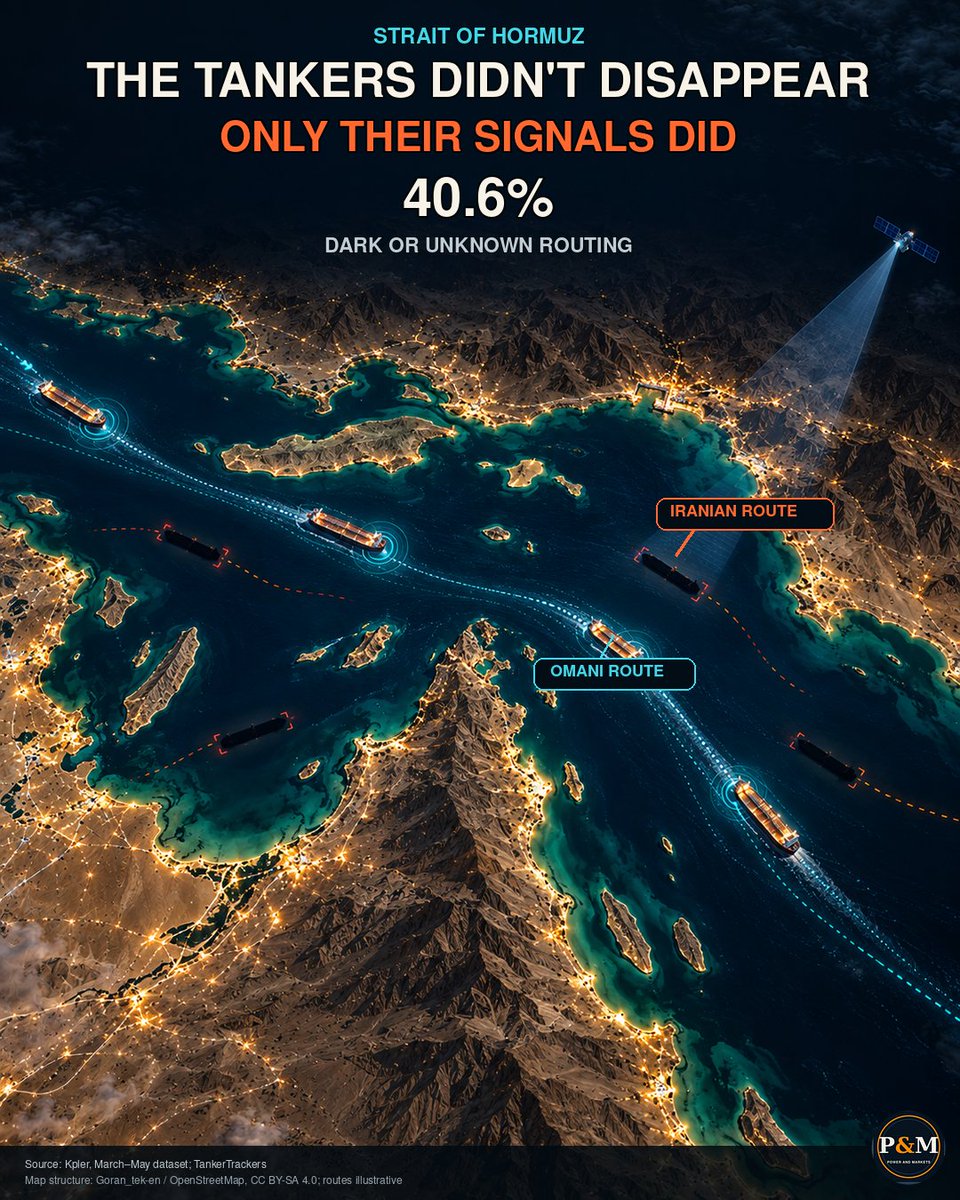
Oil traffic through the Strait of Hormuz is higher than standard ship trackers show.
Kpler found 40.6% of crossings in its March–May dataset were “dark” or used unknown routing, often with AIS switched off.
The tankers did not disappear. Only their signals did. Satellite imagery finds what conventional tracking misses.
OpenAssets has launched Sentinel, an AI-enabled OpenCompliance platform and the evidence layer for tokenized markets.
Sentinel turns written obligations into machine-readable controls. Every action is written once and can't be edited or deleted afterward, not even by an administrator.
That's what audit-ready compliance should look like for modern financial markets.
Full announcement: https://t.co/779xbs1Mcq
One dollar now costs a record 2.45 million rials on Iran’s open market, 57% more than in late March.
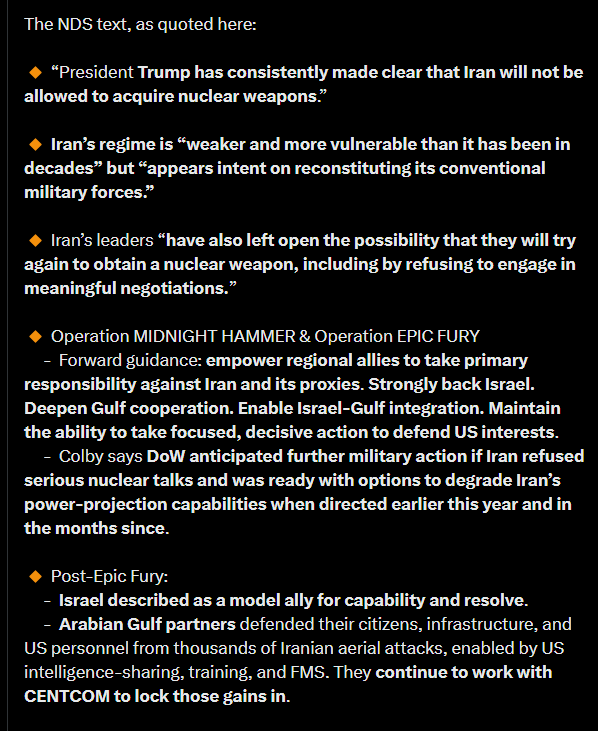
Flights are being restricted across the region as Operation Economic Outcast presses countries to close the Islamic Republic of Iran’s outside channels.
Sanctions don't topple a regime on their own. They strip away what a regime needs to survive a shock. This is the difference between announcing sanctions and actually using the groundwork they lay:
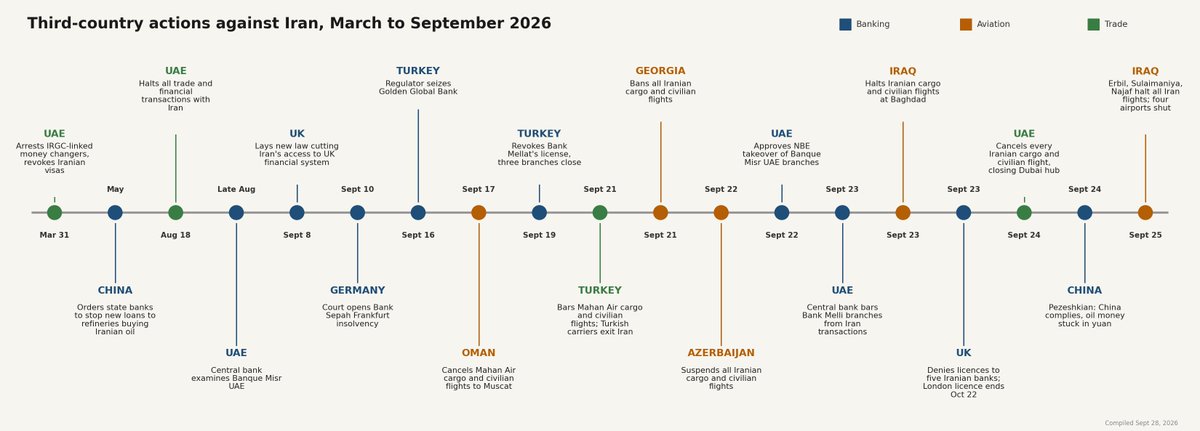
🇦🇪 Mar 31: UAE arrests dozens of IRGC-linked money changers in Dubai and revokes Iranian visas
🇨🇳 May: China tells its state banks to stop new loans to refineries sanctioned for buying Iranian crude
🇦🇪 Aug 18: UAE halts all trade, commercial exchange and financial transactions with Iran, the day two Iranian missiles are fired toward the Emirates
🇦🇪 Late Aug: UAE's financial regulator starts examination of Banque Misr UAE following sanctions
🇬🇧 Sept 8: UK lays legislation tightening Iran financial sanctions
🇩🇪 Sept 10: Frankfurt court opens insolvency of Bank Sepah Frankfurt, ending a branch open since 1978
🇹🇷 Sept 16: Turkey's banking regulator seizes Golden Global Bank after sanctions, ending the bank as an independent institution
🇴🇲 Sept 17: Oman cancels Mahan Air's Tehran-Muscat route
🇹🇷 Sept 19: Turkey revokes Bank Mellat's license, closing its three branches after 44 years
🇹🇷 Sept 21: Turkey bars Mahan Air, and Turkish Airlines, AJet and Pegasus pull every Iran flight through at least March 2027
🇬🇪 Sept 21: Georgia bans all Iranian carriers
🇦🇿 Sept 22: Azerbaijan suspends all Iranian airline flights
🇦🇪 Sept 22: UAE clears National Bank of Egypt takeover of Banque Misr UAE, ending it as an independent entity
🇦🇪 Sept 23: UAE's central bank halts Bank Melli branches in the country from all transactions with Iran
🇮🇶 Sept 23: Iraq halts Iranian flights at Baghdad
🇬🇧 Sept 23: UK applies presumption of denial to all five Iranian banks in London and lets their operating licence expire Oct 22
🇦🇪 Sept 24: UAE cancels every Iranian airline flight into the country
🇨🇳 Sept 24: Pezeshkian confirms to Fox News that China complies with US sanctions and Iran's oil money is stuck in yuan, unusable in the crisis
🇮🇶 Sept 25: Erbil, Sulaimaniya and Najaf follow Baghdad, closing all four Iraqi airports that served Iran
These aren't just headlines. Every item hits something the regime cannot function without: cash to pay salaries and proxies, trustees who hold its assets abroad, supply lines to rebuild weapons, and critically, the loyalty of the non-true believers. Those are the people who show up only because they think the regime will last and the paycheck will keep coming. Every item on this list tells them they may be betting on the wrong horse.
What makes Operation Economic Outcast different from IRGC/Iran sanctions in the past is the degree of enforcement.
I have never seen this level of coordinated enforcement across banking, aviation, trade and third countries. The sanctions are actually being utilized to their fullest extent.
Give Kerri a follow if you want accurate, sourced information on Iran sanctions instead of biased hot takes.
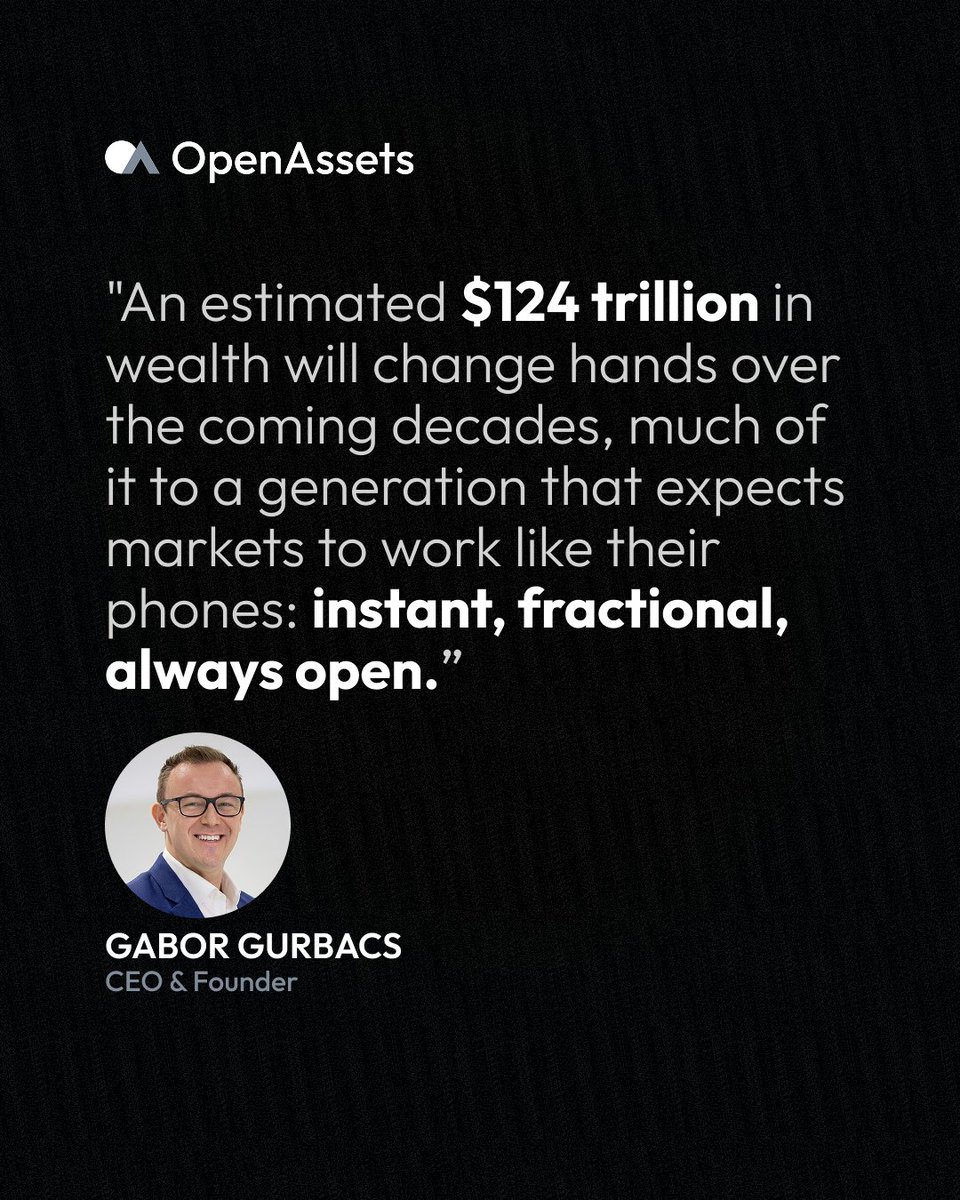
Investors already live in an instant, fractional, always-on digital world.
Markets were not built that way.
Closing that gap requires more than a better interface. It requires infrastructure built for real-time settlement, interoperable ownership, and continuous compliance.
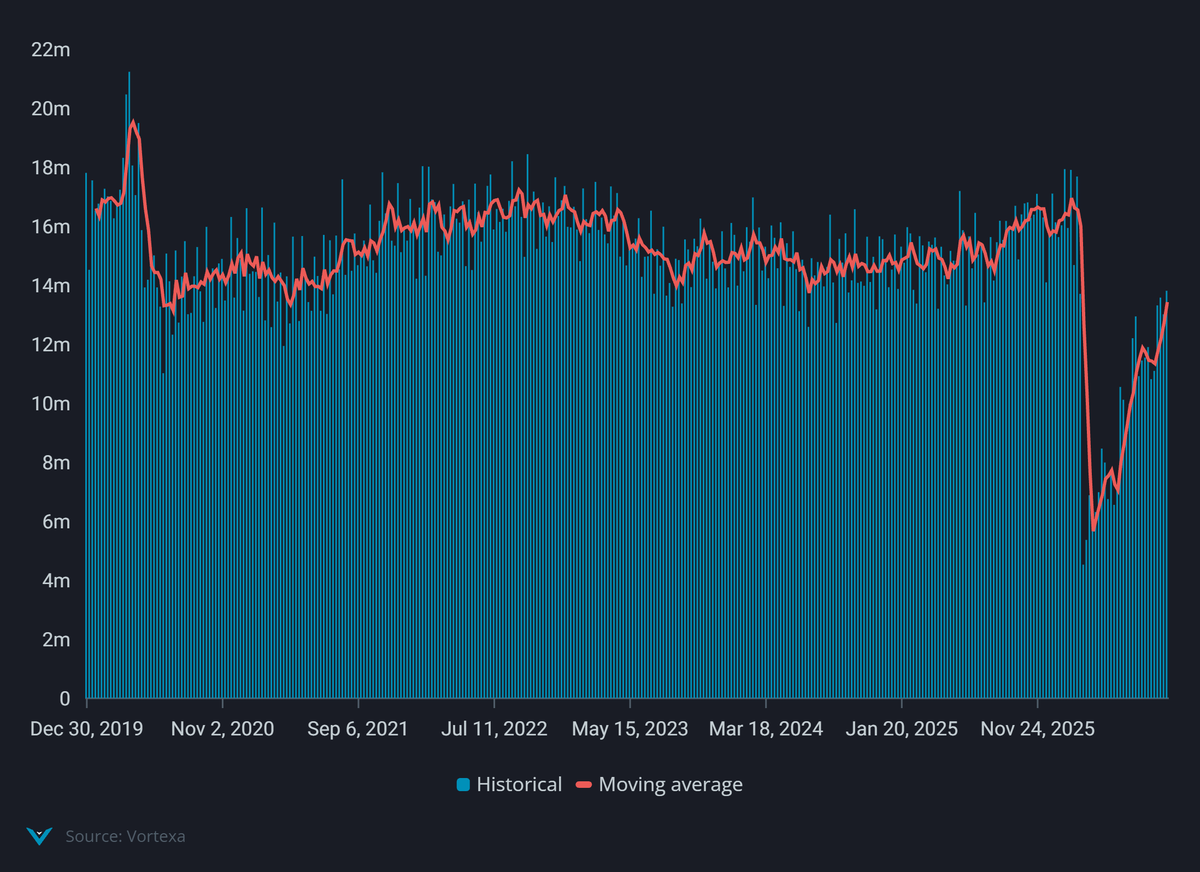
CHART OF THE DAY: Crude oil exports from Saudi Arabia, Iraq, Kuwait, United Arab Emirates, Bahrain, and Qatar (via all routes). At a huge costs and with the help of the US Navy, the group has lifted oil exports to nearly 80% of pre-war levels (Important to note is only *crude*).
Student protests have broken out at Allameh Tabataba’i University in Tehran.
They are protesting everything from rising costs and terrible dorm conditions to unemployment and mandatory hijab, while confronting Basij and security forces on campus.
Operation Economic Outcast has caused the rial to hit record lows.
The dollar now trades at roughly 2.44 million rials on Iran’s open market.
In March: $1 = ~1.53 million rials
Today: $1 = ~2.44 million rials
Why are ship trackers missing some Hormuz oil traffic?
Many tankers are making “dark” crossings with AIS switched off, so they disappear from normal tracking systems while transiting the strait. @Kpler found that 40.6% of Hormuz crossings in its March–May dataset used dark or unknown routing patterns with AIS off, while @TankerTrackers uses satellite imagery specifically to find vessels that conventional AIS tracking misses.
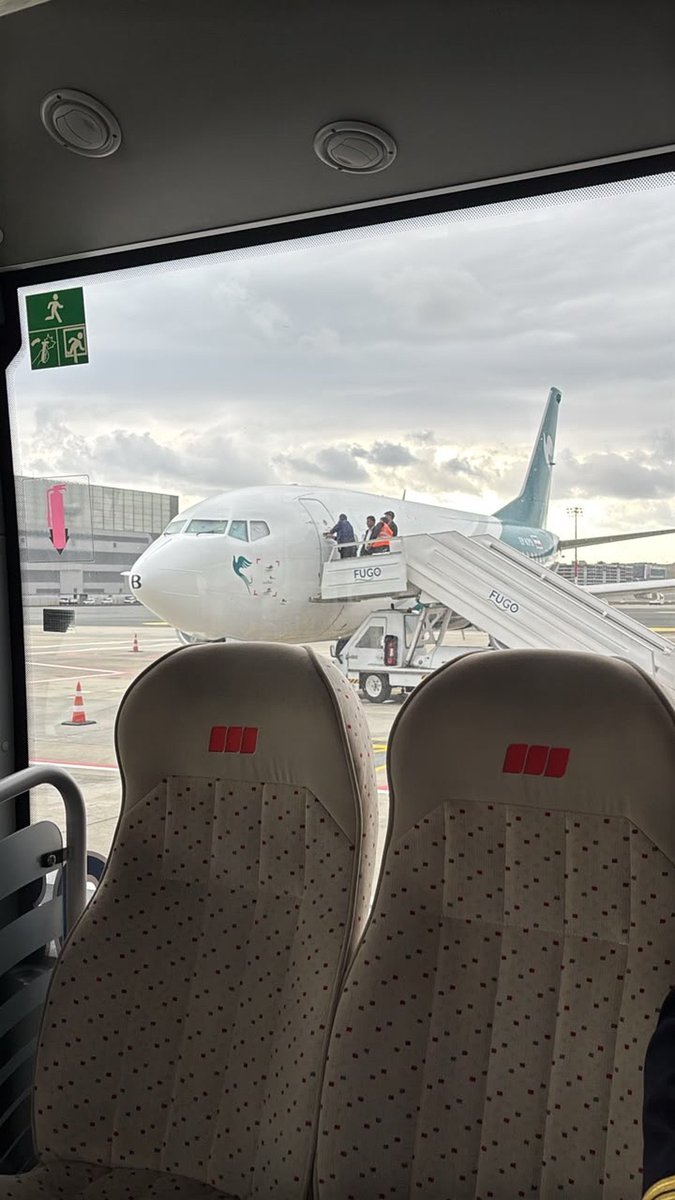
Another Iranian aircraft has been grounded abroad.
A Caspian Airlines Boeing 737 was seized at Istanbul Airport today over an approximately €3 million unpaid debt.
Passengers were already onboard when Turkish enforcement officers stopped the flight and removed them.
This seizure is a commercial debt case, not a U.S. sanctions action, but it comes as Iranian aviation is already losing access to foreign airports and services.
Sources: @hey_itsmyturn, https://t.co/VKglzQZAZu
THE U.S. ECONOMY IS NOT FRAGILE
Weekly jobless claims are near 57-year lows. Unemployment is steady. GDP is growing. Business investment is rising.
The economy is still hiring, spending, and building. 🇺🇸🇺🇸🇺🇸🇺🇸