In the first of Proto’s new four-episode podcast series, Diagnosis: Exploring the 100-year history and continued influence of the Case Records of the @massgeneralnews. https://t.co/QdhLB80u6r
@nejmcpc@mghpathology
Gene editing has come quite a way since Proto’s 2010 story about zinc fingers. CRISPR expert Keith Joung offers a clear, compelling overview in a recent lecture at MGH’s Russell Museum: https://t.co/lcVbHDK9t4 @JKeithJoung@slodoena
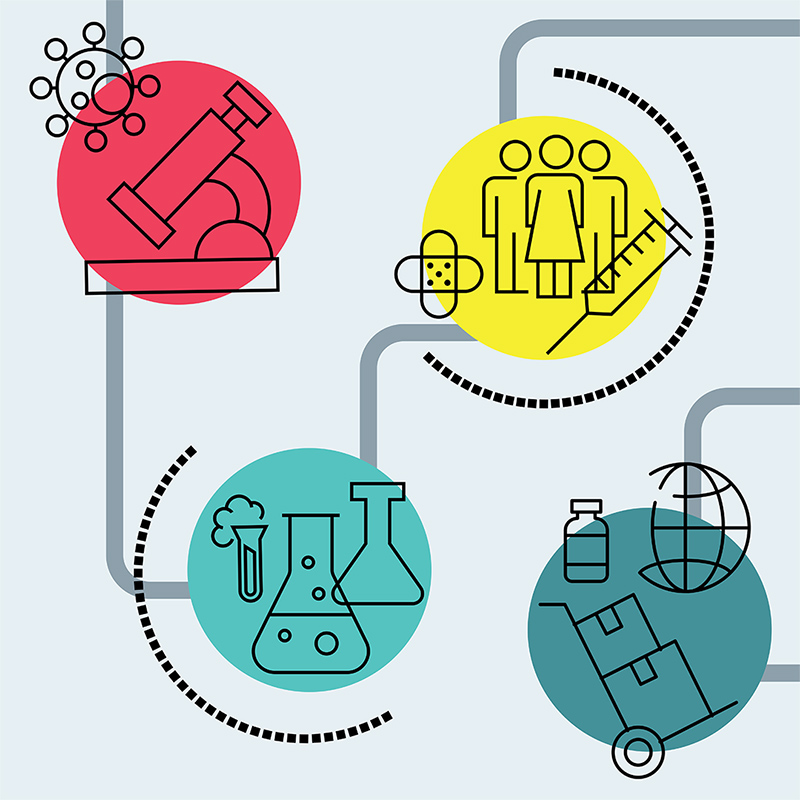
COVID-19 vaccines were in arms in less than a year. Could vaccines for the next pandemic vaccine arrive in as little as 100 days? @CEPIvaccines https://t.co/rdImqR54o8
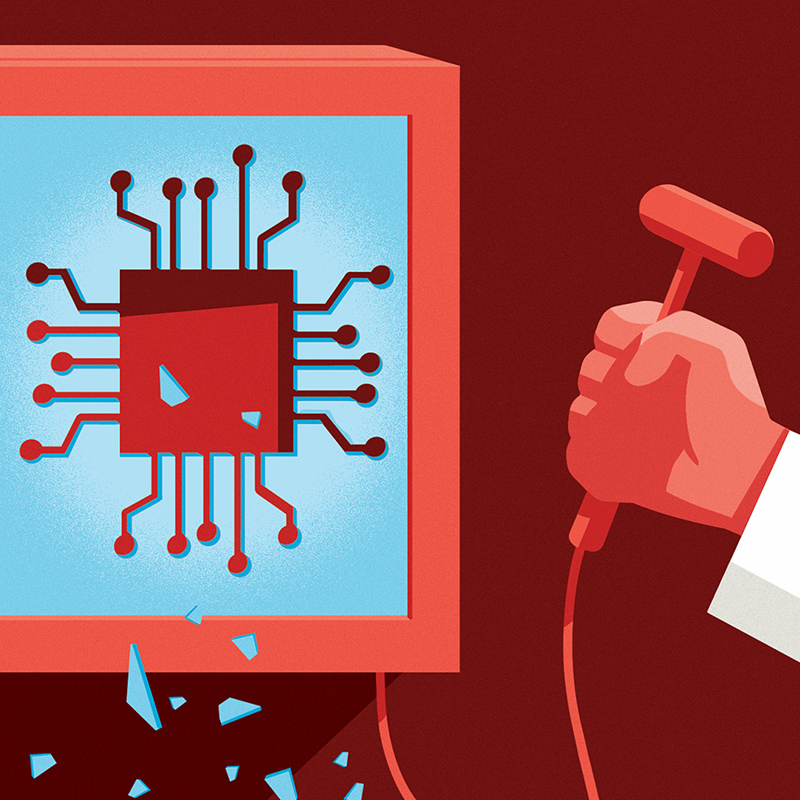
Machine learning can now create fake brain scans and patient records that even experts can’t distinguish. Their role in medical research could be transformative. @prpayne5@UnlearnAI@AI4Pathology https://t.co/uwfzOuDJHY
The U.S. military is working on a completely autonomous tool for medical triage on the battlefield. The challenges— ethical as well as medical — are many. https://t.co/Wk8Tctnewp
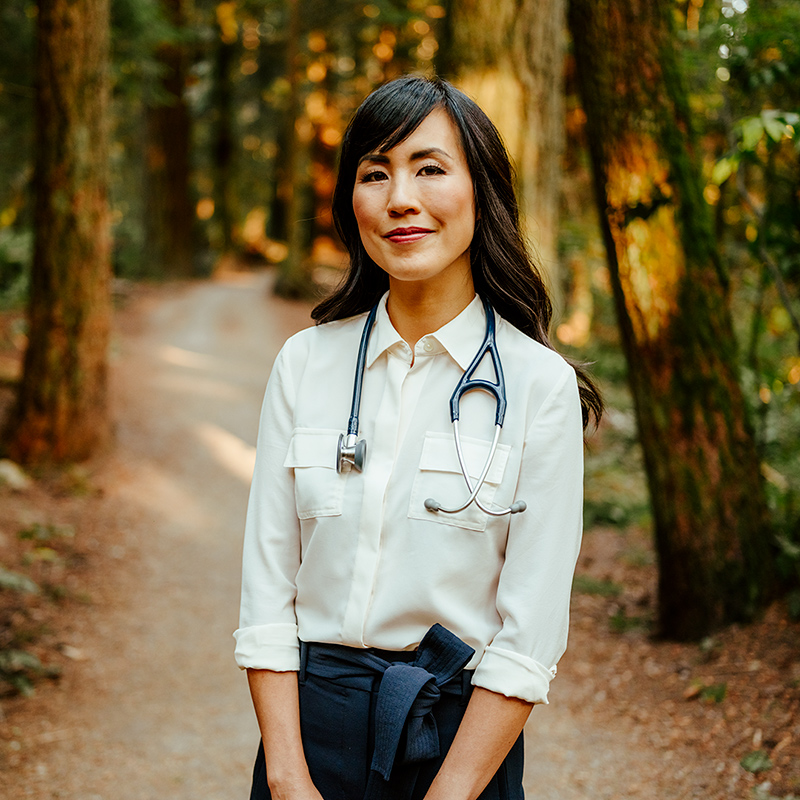
Both Canada and the United States have national programs to prescribe encounters with green spaces. Do “nature prescriptions” really work? Proto asked @Melissa_Lem. https://t.co/kAKI0XgPN4
If a doctor or nurse is rude to colleagues, what happens next? Historically, not much. A new crusade for medical workplace civility is preparing for a “nice” revolution. @aorn@JoShapiro3@PorathC@StevePaskoff@pamelasdouglas https://t.co/RXWHuT1p5n
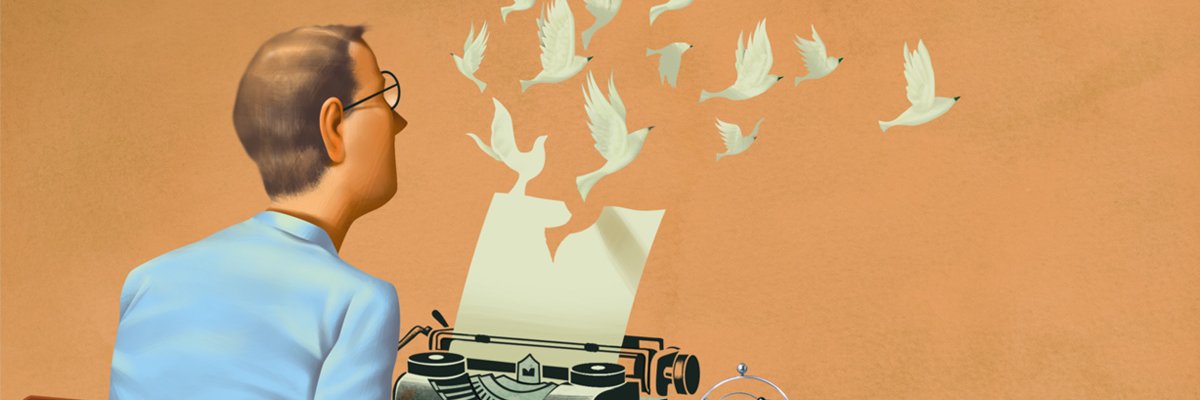
What good is science journalism? Writer @cragcrest
ponders the question in light of its successes—and failures—during the COVID-19 pandemic. https://t.co/xK5KRaDTxg
If a nurse or physician is rude to colleagues, should it affect their medical career? Plus stories about synthetic data, new obesity drugs and why science writing matters. Proto Fall 2022: https://t.co/7zOz8hkcMb
The human reference genome still has blind spots. Geneticist Ting Wang describes an ambitious five-year project to fill the gaps. https://t.co/dQX5IV6ec3
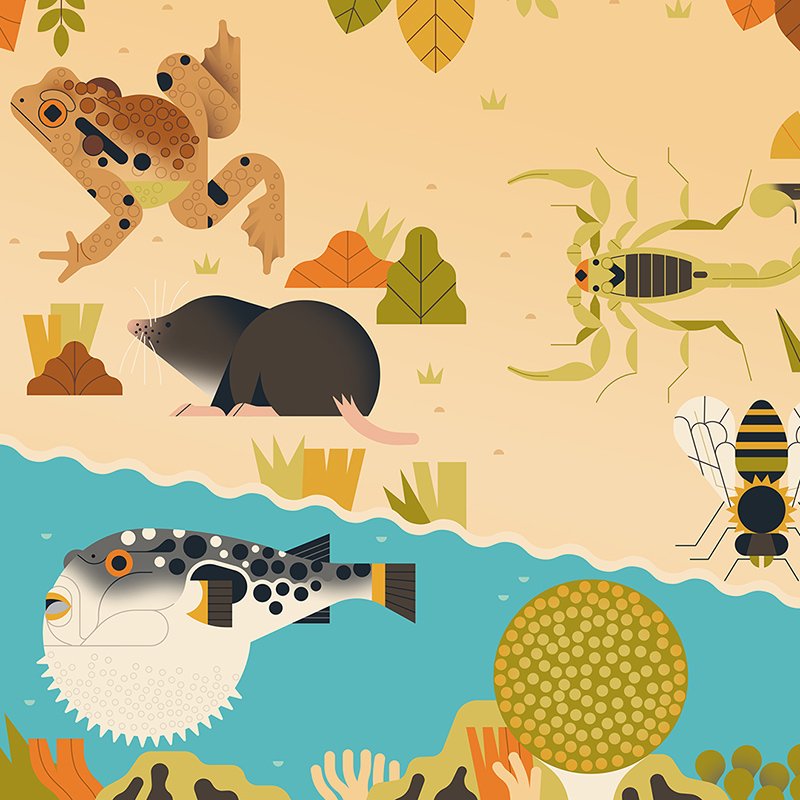
Scorpion venom for a glioblastoma? The sting of the pufferfish to treat neuropathies? A new wave of therapies from venomous animals emerges. https://t.co/pJRd3fgteN
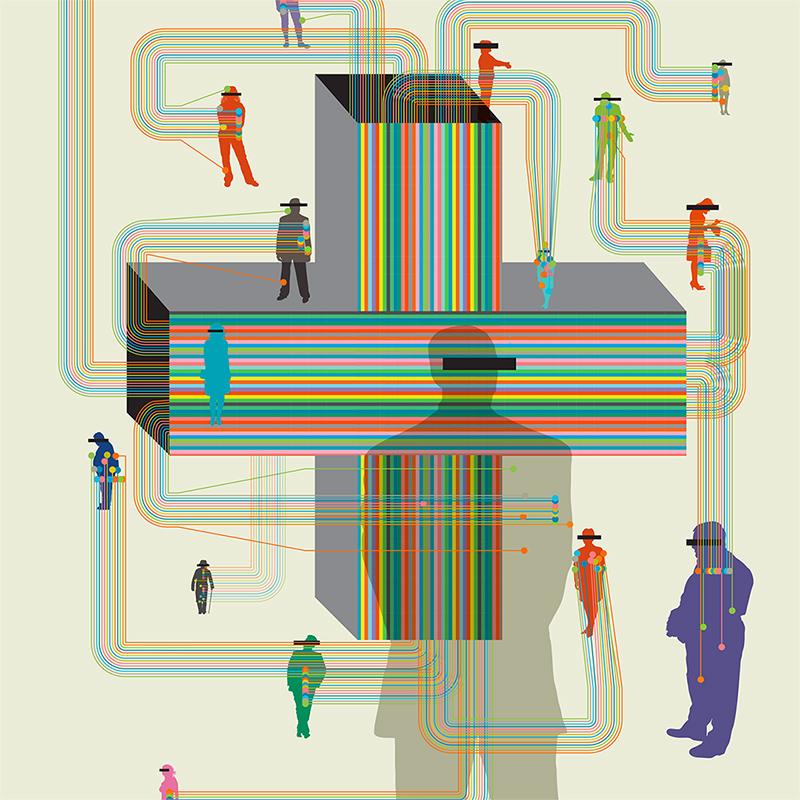
Is data altruism—a model where people give their data to science, in the same way they might donate their organs after death—a way to solve the needs of both research and data privacy? https://t.co/6eCiVihBuj