There is one week left to receive the InCCA Room Block Rate! Reservations must be made by NOVEMBER 24th, 2026 to receive the Conference Rate. To learn more, please visit: https://t.co/PPslxNFbQz #InCCA2026#IndianaCCA#CertifiedCropAdvisers
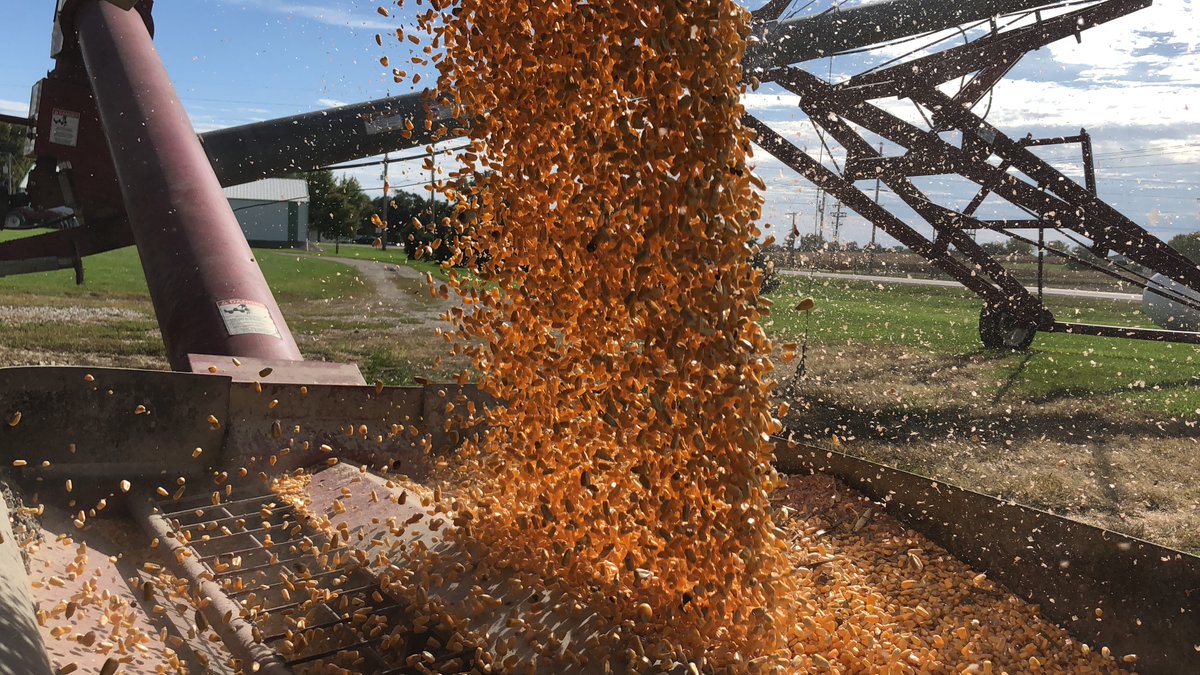
Upcoming DTC Workshop Announced: 12/10/26 Purdue ABE + Purdue Agronomy will host a Grain Post-Harvest & Fumigation Recertification Workshop. CCH credits are applied for, join us now by registering at: https://t.co/NtG9p7yU9w @PurdueABE@PurdueAgronomy@PurdueAg@PurdueExtension
Reports of soybean seed quality issues are increasing across the U.S. in 2026, including purple seed stain, seed discoloration, and seed decay. Identifying the differences can help farmers better understand how their soybeans are graded at the elevator: https://t.co/uFX6mNJuWK #SoyCheckoff #ScienceForSuccess
Only two weeks left to receive the 2026 InCCA Room Block Rate! Reserve your room today at the Renaissance Indianapolis North in Carmel, IN for the 2026 InCCA. Reservations must be made by NOVEMBER 24th, 2026.
https://t.co/PPslxNEE11 #InCCA2026#IndianaCCA#CertifiedCropAdvisers
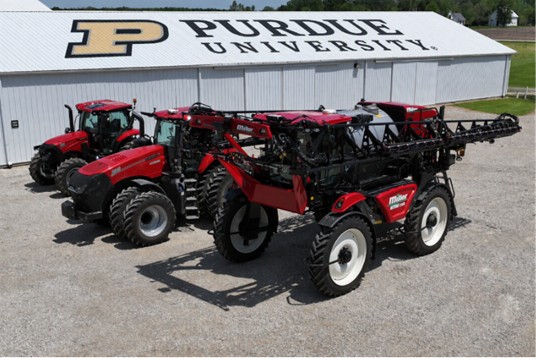
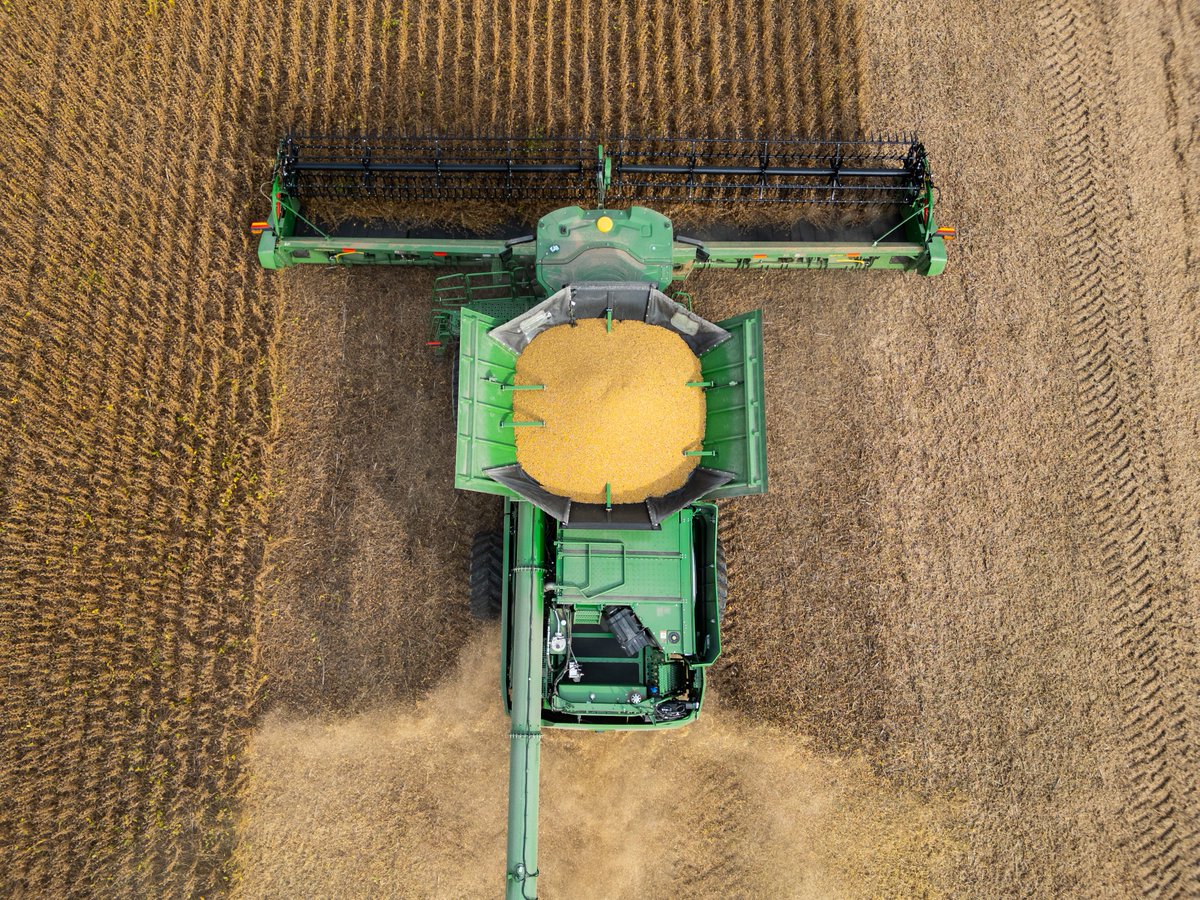
Purdue University researchers are finding new ways to put modern agricultural equipment and technology to work. Through a partnership with @CNHIndustrial, researchers have access to tractors, precision spraying equipment and other machinery used in production agriculture. This access helps support research in agronomy and agricultural engineering while giving researchers the tools to study practices and technologies relevant to today's farms.
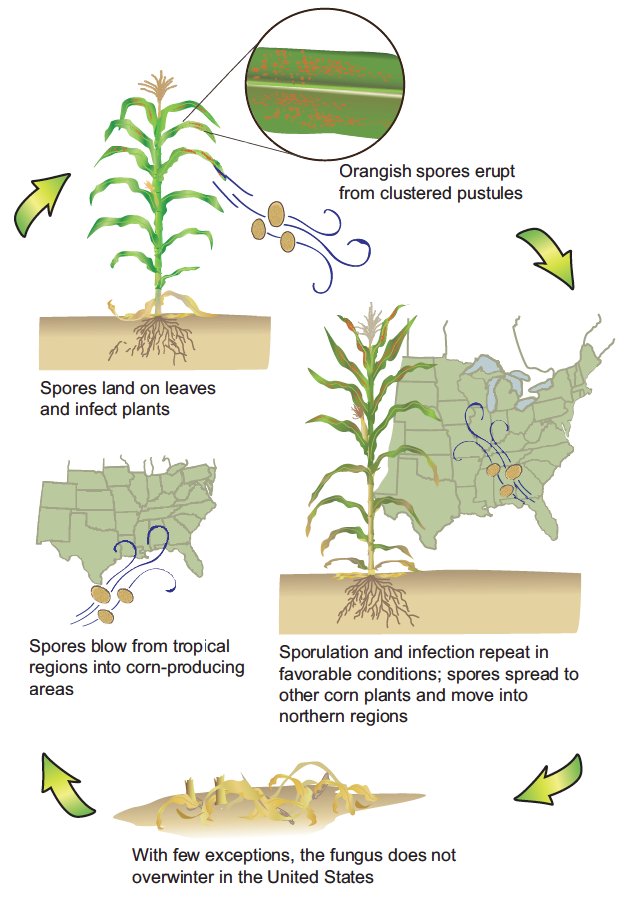
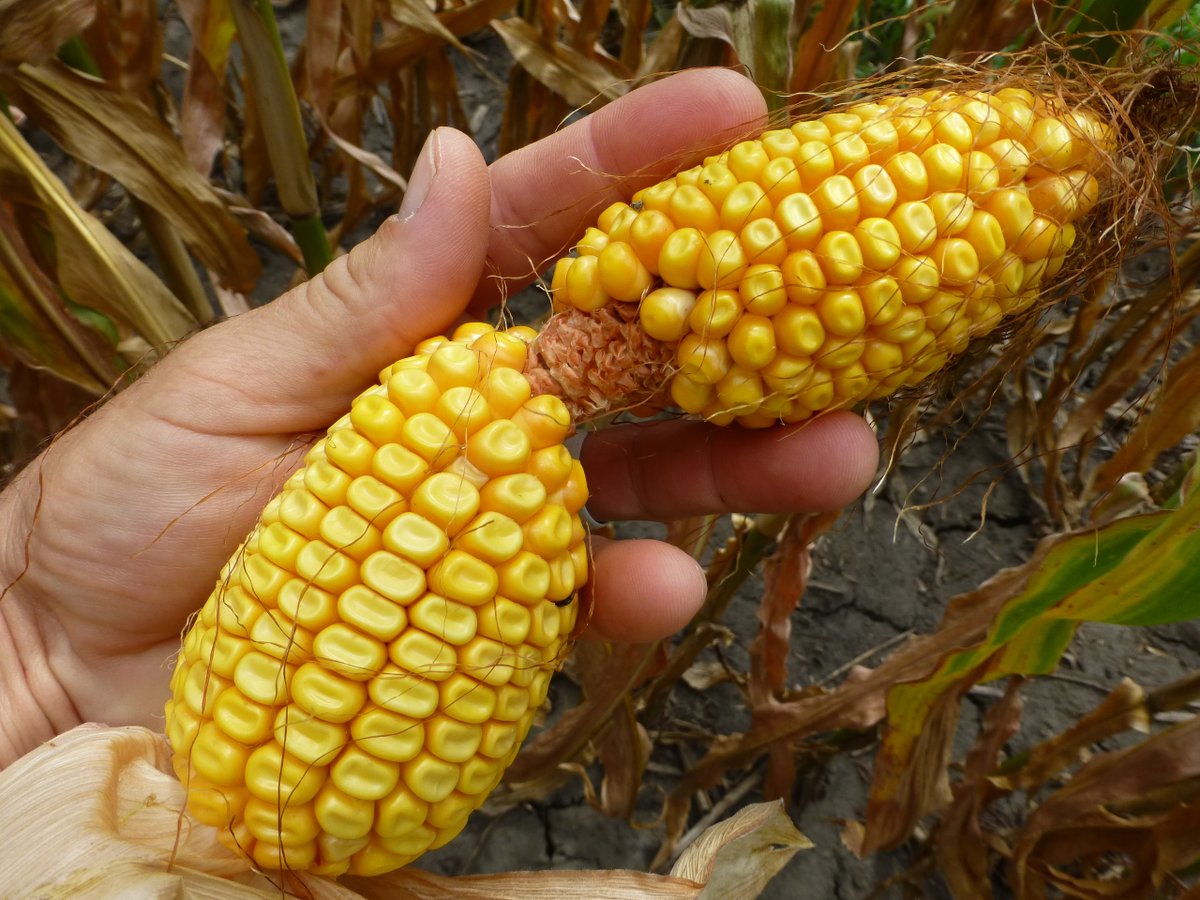
Most corn hybrids are susceptible to southern rust, but a few resistant hybrids may be available. Resistant hybrids may contain a specific type of gene (known as an Rpp gene) that confers resistance to southern rust.
Some moderately-susceptible hybrids may be available that do not contain specific Rpp genes. Such hybrids may use multiple genes that slow down southern rust development.
Selecting disease-resistant hybrids is the cornerstone of corn disease management. Ask local Extension for more information.
@DTelenko@alisonrISU@tjcksn@alabamaED@baldpathologist@YuanZeng3@MahDuffeck@ppp_trey@travisfaske @cropdoc08 @NationalCorn@MandyBish1@maddishires@NeCGA@ilcorn #corn
Brown or discolored soybeans showing up in this year's harvest? Purdue Extension's Shaun Casteel says growers shouldn't be alarmed.
The discoloration doesn't affect protein or oil content.
Here's what farmers need to know: https://t.co/3fPj5fuNa1
🌽REGISTRATION IS OPEN - Join us for a 1-day workshop focused on grain handling, fumigation, and pest management. Applied for Indiana CCH credits. Use the QR code below for more info + how to attend. @PurdueAg@PurdueExtension@PurdueABE@PurdueAgronomy
Our recent WISH-TV interview with Dr. Dan Quinn is now available! 🎥
He discussed corn research at Purdue University and how it helps address crop management questions for Indiana farmers. 🌽
Watch the story: https://t.co/lOrlUPsV9L
@CCSI_IN / @PurdueOnTheFarm's Bryan Overstreet and Adam Shanks were setting up early yesterday morning at Fair Oaks Farms in prep for the 99th @NationalFFA Convention
Adam is demonstrating UAV tech
Bryan is manning a #SoilHealth booth Demos and full scale #CoverCrop banners.
Last week, @PurdueCorn, assistant professor of corn production in @PurdueAgronomy, spoke with @WISHNews8 about @LifeatPurdue's innovative corn research and how it helps identify the needs of Indiana’s farming community. 🌽
Thank you WISH-TV for visiting our fields, harvesting plots and labs to get a behind-the-scenes look at how our faculty and students are turning research into meaningful insights for farmers.
Image provided by @TheKernelLab.
Soybean harvest is nearly complete at the Pinney Purdue Ag Center, with corn harvest next on the horizon. PPAC's unique sandy soils and irrigation resources help support research on agronomic, vegetable, and specialty crops that benefit Indiana agriculture. 🌱🚜🌽
@PurdueAg
Helping farmers find answers to the challenges they face takes teamwork. Last month, eight Extension educators teamed up with Purdue University specialists, researchers and agricultural partners for the Davis Purdue Ag Center Field Day. The event welcomed 147 participants from 14 Indiana counties and two states, who had the chance to see research in the field, ask questions and learn about topics they can put to use on their farms.
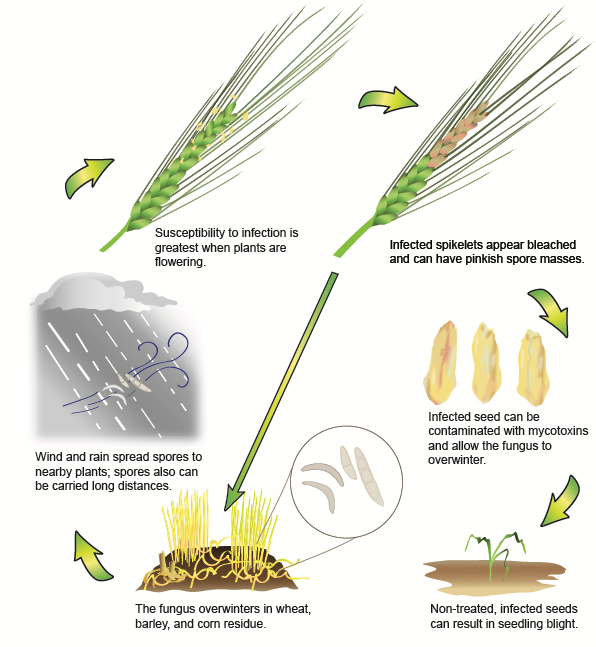
Many diseases survive in crop residue like tar spot, northern corn leaf blight, red crown rot, sudden death syndrome, and Fusarium head blight.
Knowing the risks for your field can help inform future management decisions, like choosing disease-resistant hybrids or varieties for next season.
@alisonrISU@baldpathologist@DTelenko@badgercropdoc@MartinChilvers1@DylanMangel@BisonBeanDoc #corn #soybean #wheat