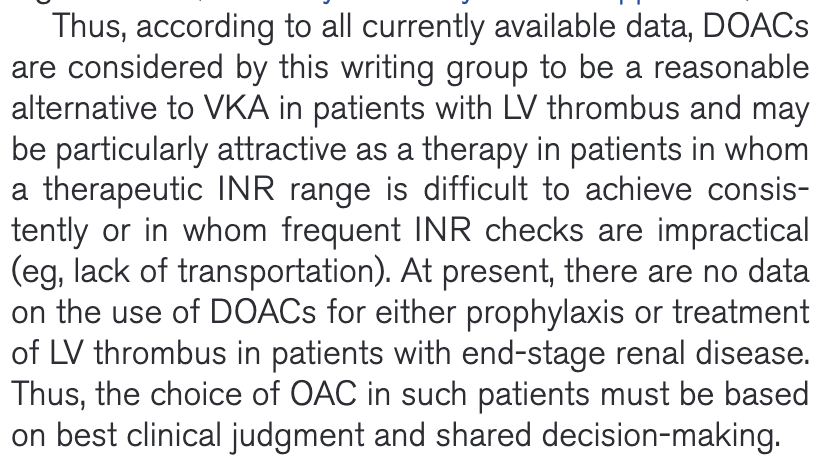
In ☀️brighter☀️ news for our DOACs, latest AHA scientific statement on LV thrombus officially endorses DOACs as a "reasonable" alternative to VKAs!
https://t.co/275pHIFGzD
Proud to announce @SanfordHealth will be starting a PGY-2 Pharmacy Residency in Thrombosis and Hemostasis in collaboration with @AnticoagForum and accredited by @ASHPOfficial. Thank you to everyone who made this possible! If you have a good PGY-1, send them my way!
🚨New #TeachingTuesday! 🚨 In these 4 infographics created by pharmacy student @Sama_Rahimi (and mentor @rachaeleaton02) you'll get a comprehensive review of Peripheral Artery Disease (PAD)! What is your antithrombotic practice in PAD? Let us know in the comments!
If you ever have questions about what oral chemotherapy you can crush, make into solution, etc. this article is a MUST SAVE. Just used it for a quick reference to tretinoin via NG tube. Hats off to @CWagnerPharmD for summarizing all the lit. #oncopharm
https://t.co/yHMQvaE274
In case you're wondering, the incidence of beta-lactam neurotoxicity isn't 7-23% as some papers cite IMO...it's 2-3% (if that)...this much more closely matches my clinical perspective...Congrats @nataliehaddadrx on the great work!! #TwitteRx#PharmICU
https://t.co/2pC72KDYDb
COVID-19 Vaccine Algorithm: The latest practice tool designed for #pharmacists and their teams to determine patient eligibility, timing, and use of #COVID19 vaccines for primary, additional, and/or booster doses. https://t.co/FMGo7OV9JL
A new study assessed apixaban versus warfarin in patients with a HM3 LVAD. Although a small number of patients, thrombosis/death were similar between groups with ⬇️ bleeding 🩸 for patients on apixaban 💊 Thoughts? Go! #WhatsNewWednesday@asaiojournal https://t.co/6a8UjrwmEd
‼️Attention interested residency candidates‼️
Come join our open house events at the dates/times listed below to learn more about our PGY1 & PGY2 programs! Sign up links are located on our website: https://t.co/OQC9aagEUt. We look forward to seeing you!
This week's #TeachingTuesday is brought to you by @SarahWong26! What questions have you encountered from providers about switching between oral anticoagulants? Have you ever seen an INR level be misinterpreted for a patient on a DOAC? Comment below!
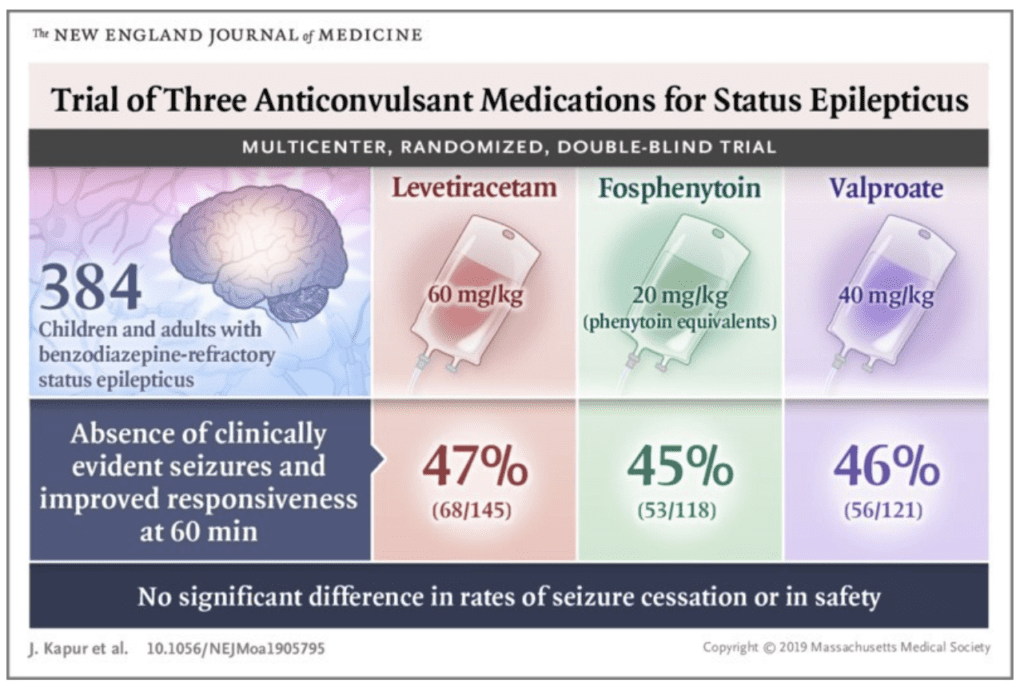
Meds for Status Epilepticus: 20/40/60 mg/kg of fosphenytoin, valproate, or Keppra. You might save yourself lots of avoidable questions by knowing the max loading doses of 1.5/3/4.5g and asking for these amounts if your patient weighs >75kg. #FOAMed@UMichiganEM
The ECMO circuit causes a number of changes to how medications distribute throughout the body - here's a quick guide to some of the most common clinically relevant considerations!