Our work on mammalian sperm heterogeneity and sperm-level natural selection is now out in @ScienceMagazine:
https://t.co/up54qi1iPg
We've added lots of new data and analysis since the @biorxivpreprint came out last year. I'll highlight the new findings here! (1/n)
Our work on a new source of sperm heterogeneity is finally up on biorxiv:
https://t.co/LNBEwcBOya
Bottom line, we think we've found a set of mammalian genes enabling natural selection between sperm that is far more prominent than we guessed.
Tweet summary to follow:
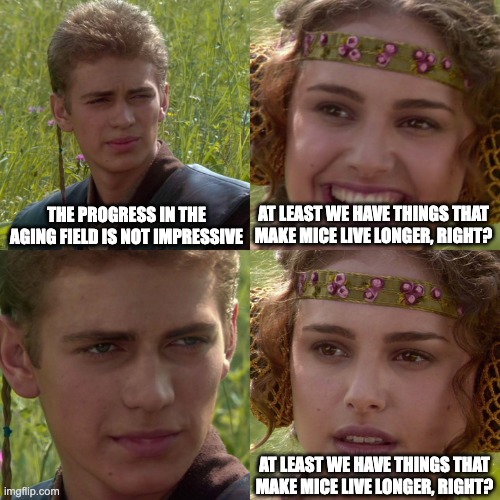
🧵 (1/6) Two years ago, when I only started digging into the current state of aging research, I was much more optimistic about our progress. I read articles like Laura Deming's Longevity FAQ, which lists "95 things that make mice live longer", and thought: "Well, at least we have something that works for mice, right?" Boy, I was naive! Well, below is a list of findings that made me think we have almost nothing that reliably works on mice.
The Longevity FAQ post: https://t.co/u3jtQQZGwD.
In this preprint https://t.co/IYUCt8DScv with @sindri_e we compared seven widely used methods for batch correction of single cell RNA-seq data. We found that all but one of the methods introduce batch effects when there are none. 1/N
Today #CZCellxGene is releasing the R package cellxgene.census — it gives access from R to Census, the largest standardized aggregation of single-cell data, composed of 33M+ cells and 60K genes. You can easily export slices to Seurat or @Bioconductor. 🧵⬇️
https://t.co/Wcirm7C2ZY
Major, fatal errors found in the data and methods of a 2020 paper in @Nature, including millions of reads mis-identified as bacteria. The "cancer microbiome" in this study was simply not there. @abrahamgihawi@elapertea@YuchenGe1@JenniferLu717 https://t.co/z5Aja84kiR
Ever analyze a scRNAseq dataset and wonder if a specific cell state has been seen before? And if so, where in the human body? Under what conditions? Well, now you can use our lightning fast SCimilarity search and foundational model for that! ⚡️🔎🧬 https://t.co/t8L1xFOffd (1/11)
We are happy to share our latest work on #ambientRNA in single-cell and single-nucleus RNA-seq experiments, out now in @GenomeBiology! (1/7)
https://t.co/KaMn2y0nxt
(1/5)
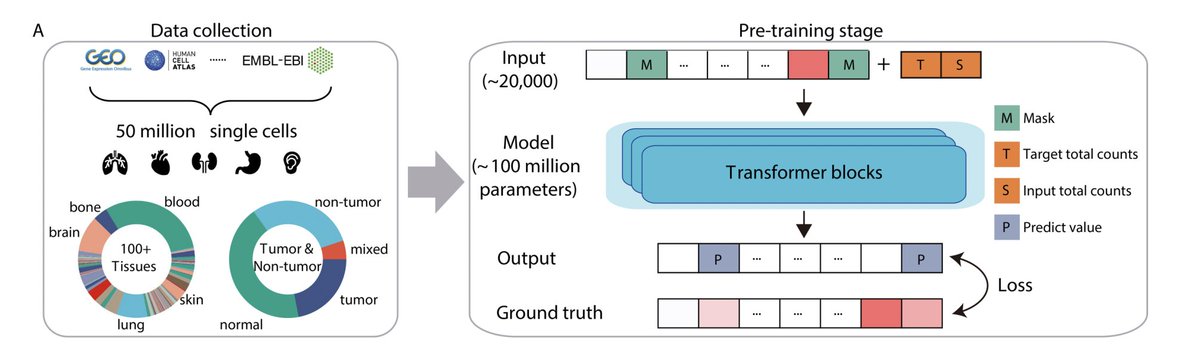
scfoundation, another single-cell foundation model https://t.co/fxRE2eJ4aT
1- trained on 50M cells (biggest out there)
2- introduced read depth pretraining task (subsample counts and the predict the difference), more robust pretraining task imo compared to prev ones imo
Mind blown 🤯:
It turns out that somatic cells turn *on* a regulator that increases mutation. This complex is turned off in the germline. WTF evolution.
It's frustrating reading comp bio articles these days because many keep falling into the same pitfalls. Hard to know if the method actually works, or whether they messed up the evaluation. Here are some issues I've seen recently (w/o names):
What a revolution in a very few yrs for cystic fibrosis patients! Such great news for those who made it to today, albeit tempered with regret for those who didn't.
A genetic disease but the revolution isn't gene therapy. Pursuing gene therapy still worthwhile, maybe less urgent
Cancer #immunotherapy#DataScience resource of the week: #scRNAseq & #scTCRseq atlas of 400,000‼️T cells from 316 patients of 21 cancer types, derived from tumors, adjacent normal tissue, and peripheral blood.Half of data newly sequenced, half gathered from literature. 🧵(1/4)
"Why don't biotech co's open source their SW?" a.k.a.
"Tech co's open source; let's be more like them" a.k.a. "Why is everyone I know rebuilding the same shit, over and over, instead of sharing?" 🧵
Our review (with co-first authors Natalie Wolf and Djem Kissiov) of the roles of NK cells in immunity to cancer, and applications to immunotherapy of cancer, is out in Nature Reviews Immunology!
https://t.co/HbCMdu0ZSL
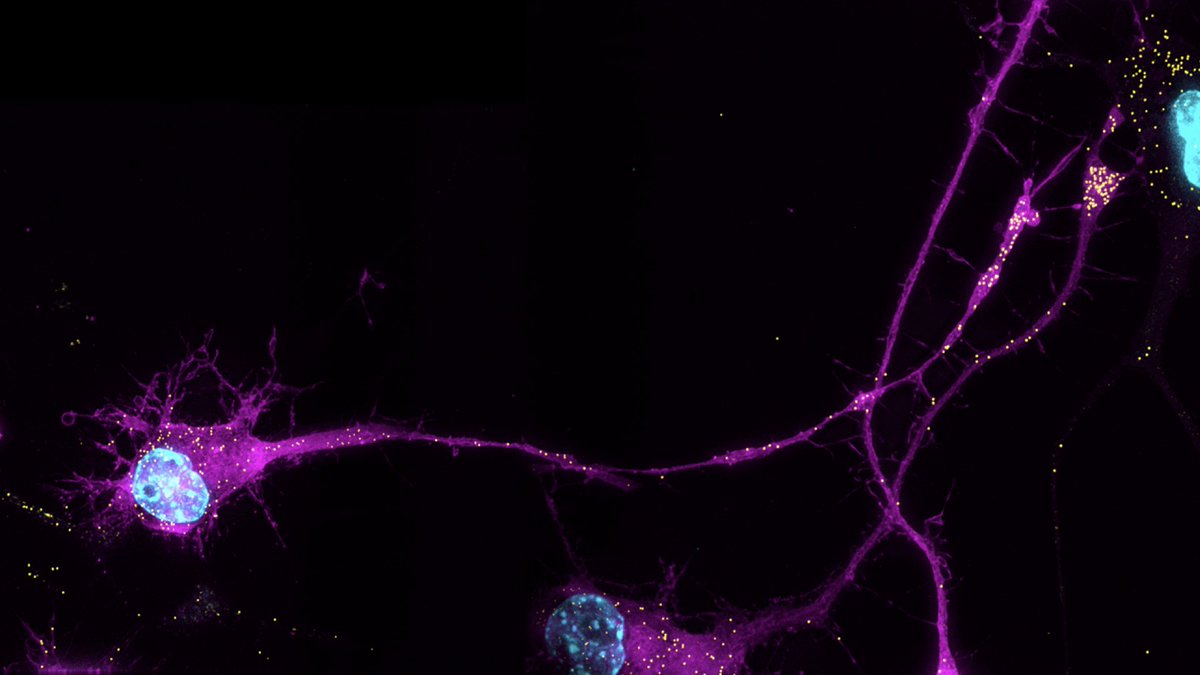
Excited to share our newest manuscript! We find that RNA localization mechanisms that send RNAs to a given subcellular structure in one cell type can *predictably* traffic RNAs in other cell types, even if they don't have that subcellular structure. https://t.co/YKTVI1w2Cs
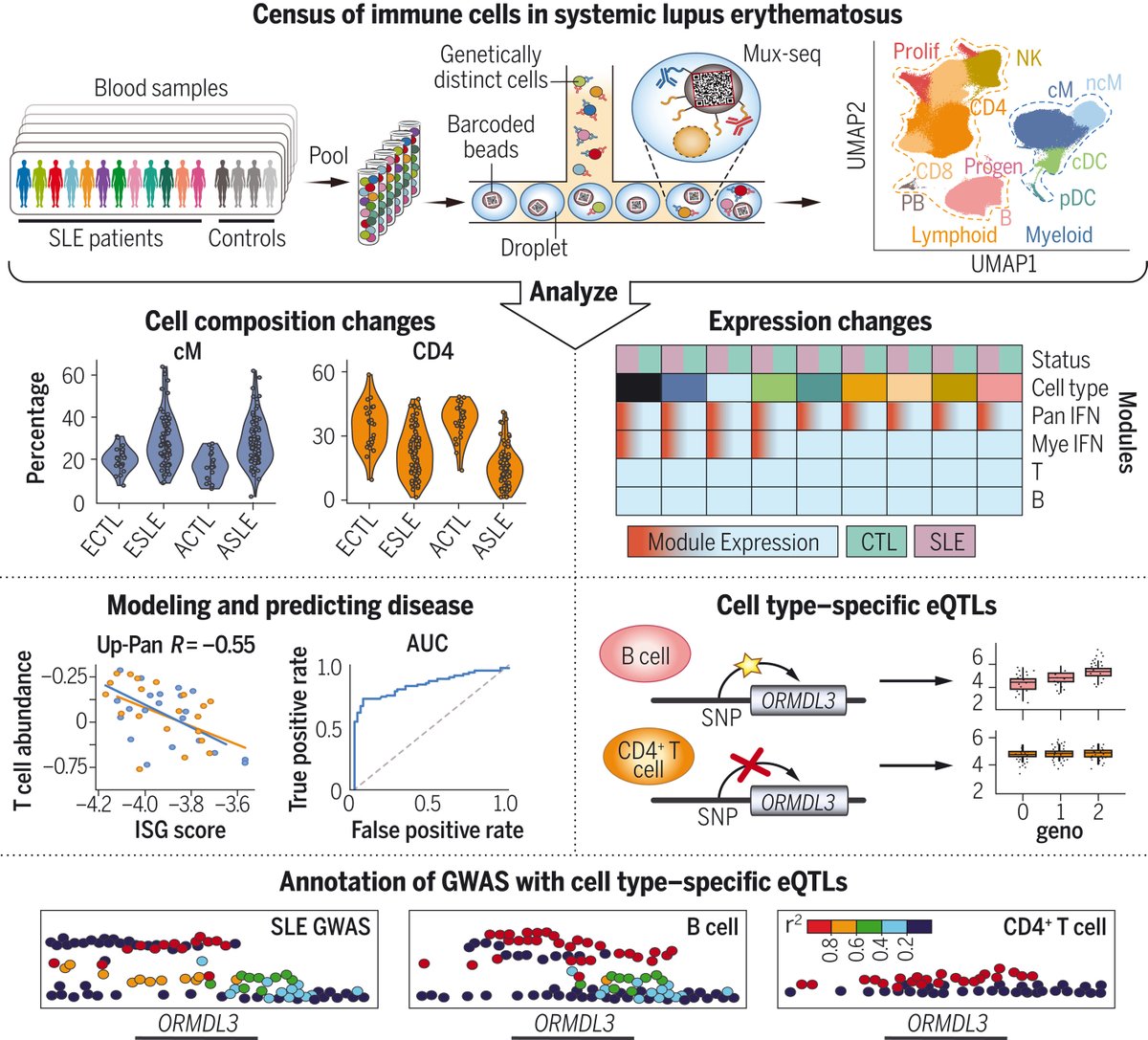
In 2018, we developed mux-seq and demuxlet to enable population-scale single-cell sequencing. Today, excited to share our paper in @ScienceMagazine where we deployed mux-seq to profile 1.2M immune cells from 162 lupus patients and 99 healthy controls: https://t.co/ITKGnuEsBl. 1/n