Weizmann Institute study, led by @BShenhar from the lab of Prof. @UriAlonWeizmann and published today in @ScienceMagazine, finds genetic contribution to human lifespan is about 50 percent – more than double previous estimates >> https://t.co/33AveIHnyz
Cleared for publication:
A few days ago, an Iranian missile destroyed the cancer research facility at the Weizmann Institute. The newly built chemistry building, which was just about to be inaugurated, was also leveled.
Beyond the estimated 2 billion shekels in physical damage, the true loss is immeasurable. Years of groundbreaking research, wiped out. Irreplaceable progress in the fight against cancer, gone in seconds.
This is what the Iranian terror regime is targeting: civilian homes, hospitals, and institutions dedicated to saving lives.
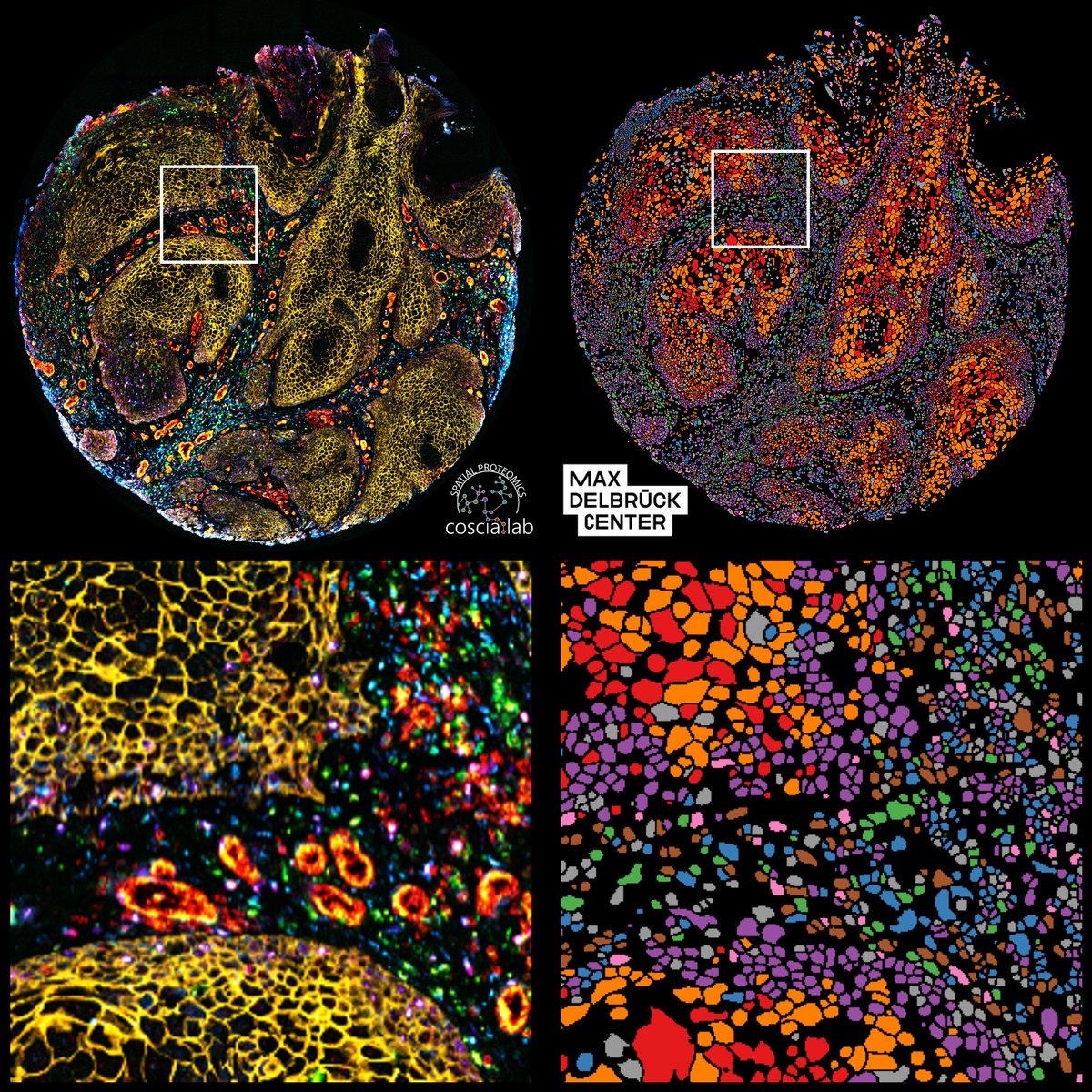
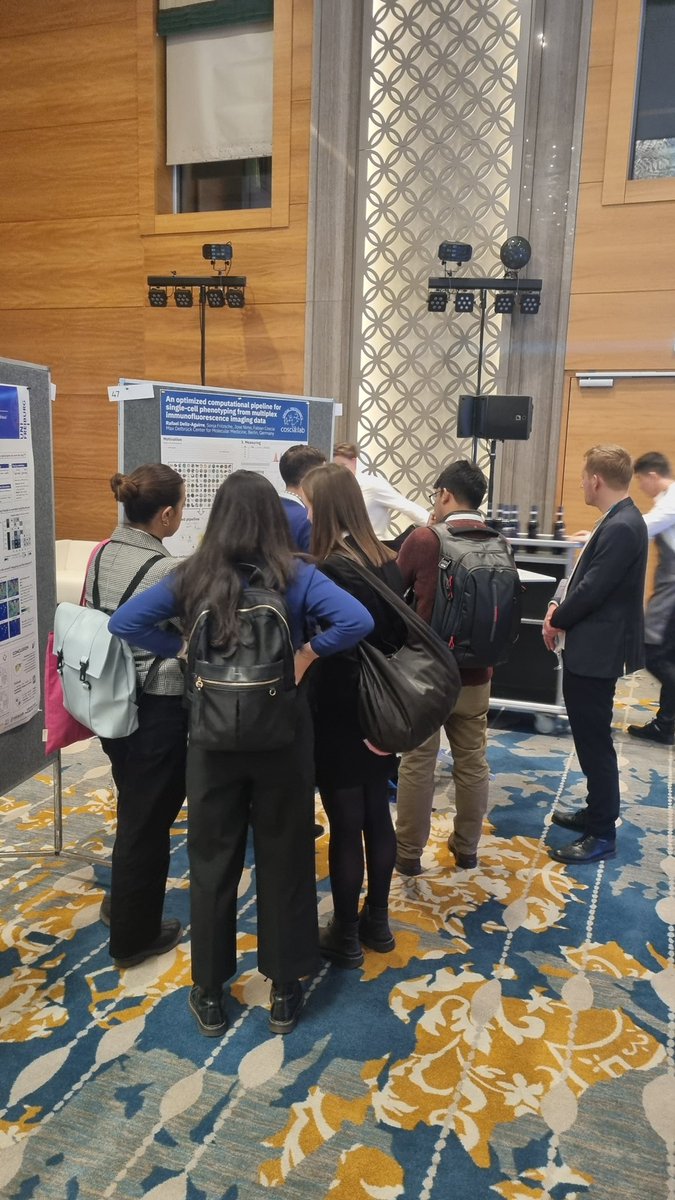
As part of our mission to transform tomorrow’s medicine, I’m proud to share insights from the @CosciaLab of the Max Delbrück Center (@MDC_Berlin, Germany), where we leverage cutting-edge #AI to improve patient lives worldwide.
#Science#Innovation#DigitalMedicine
Congrats to @CosciaLab and his colleagues! Their Deep Visual Proteomics pipeline is one of the highlighted @naturemethods Spatial Proteomics approaches! He says "making DVP broadly accessible and advancing it to the multiomics space is a key mission in his lab at the #mdcBerlin."
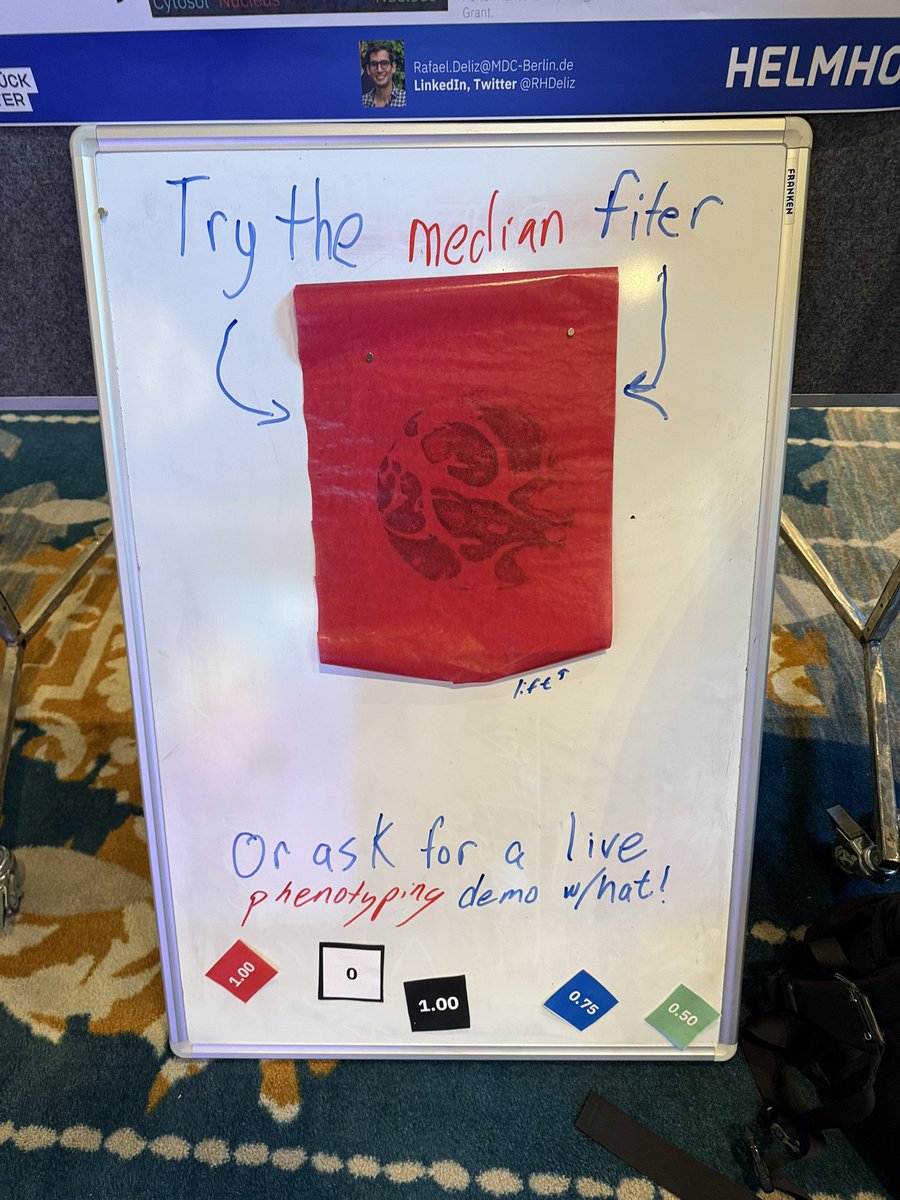
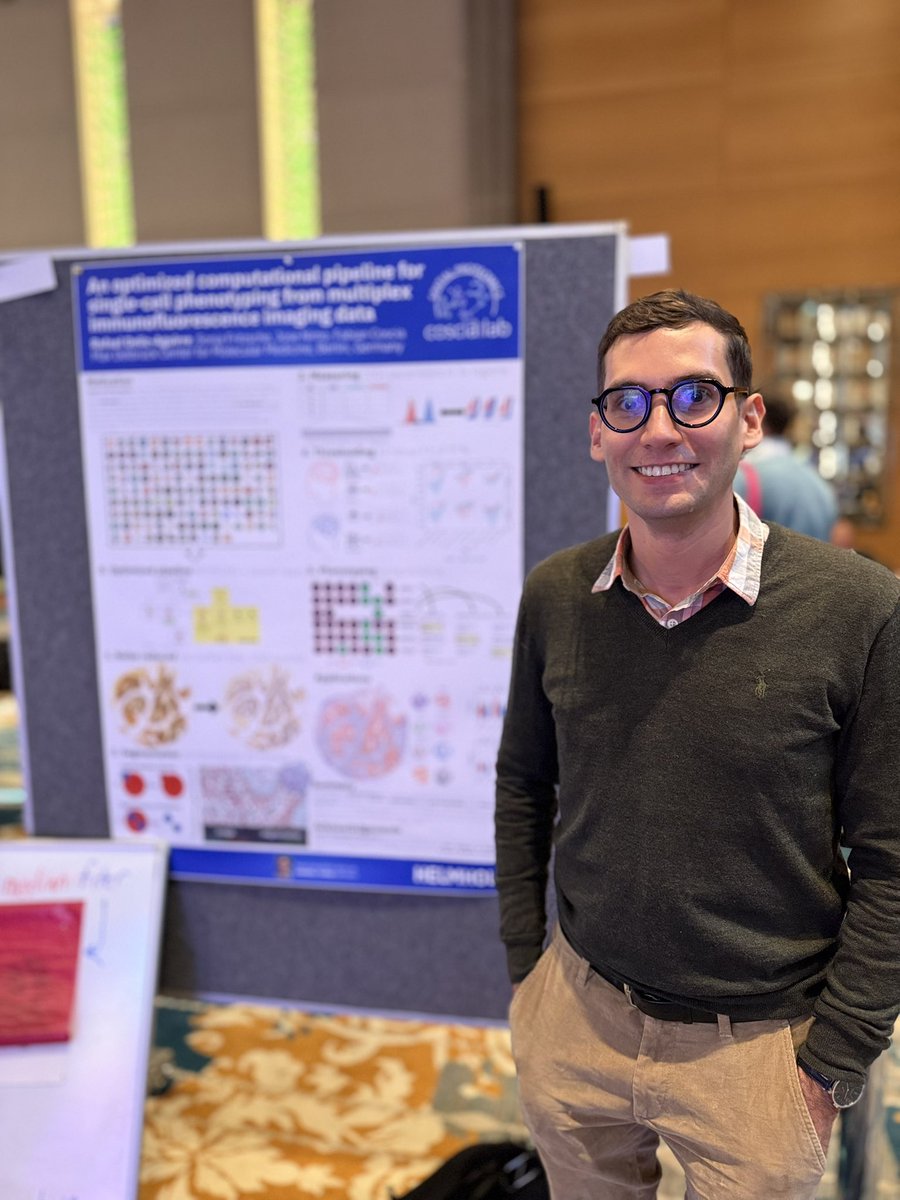
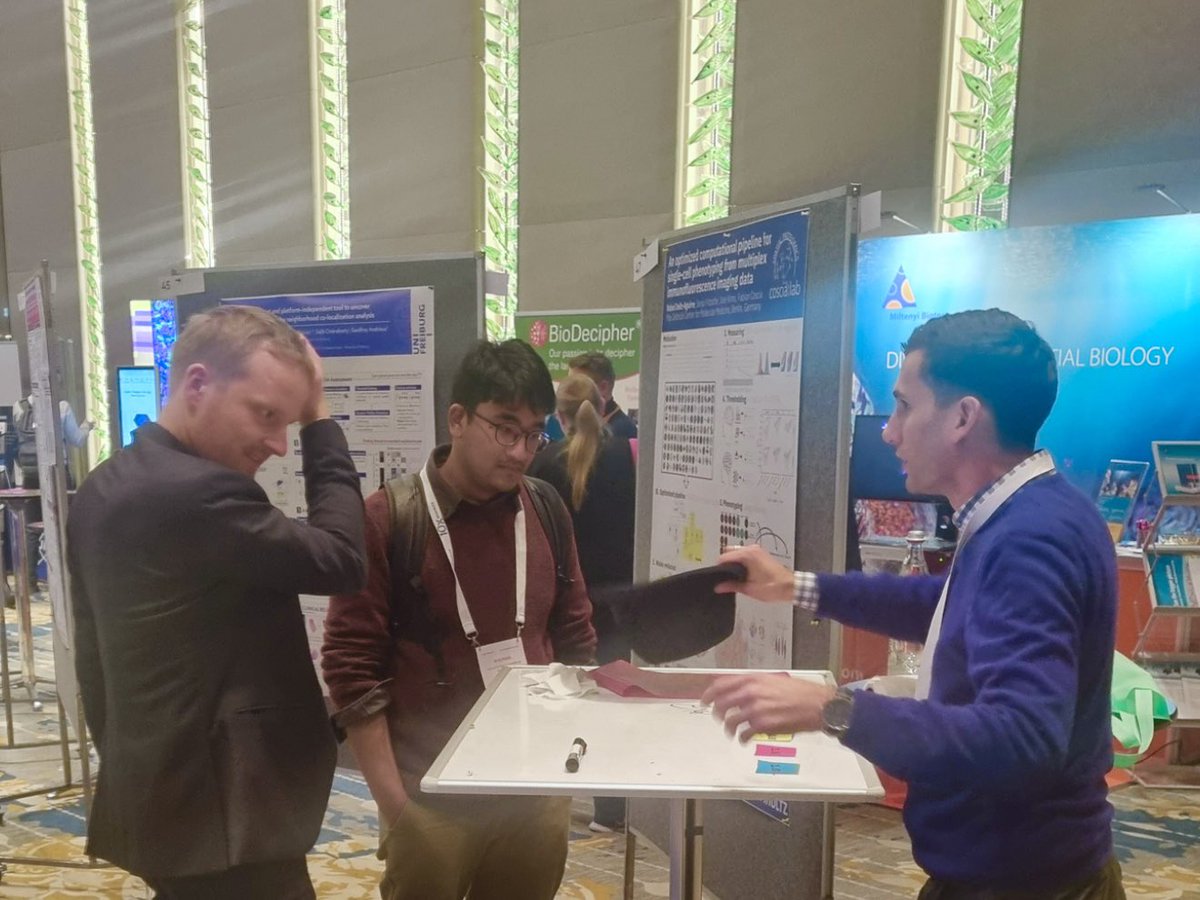
@SpatialBio was fantastic! I left full of ideas—from efficient data annotation to discovering the latest validation databases. 💡 Many thanks to all poster visitors for the feedback. It made my day! 🙌
Shoutout to the organizers for running such a smooth, talent-packed event. 👏
So exciting to see our spatial proteomics community on the spotlight! Great momentum for the tool that lets us see all the colors of the fundamental blocks of life on site 🔬🧪
The wait is over!! We are thrilled to announce that we have chosen Spatial Proteomics as 2024’s Method of the Year! 🥳
For more on Spatial Proteomics and a road map to this special issue, please see this month’s Editorial or read on in this thread.
https://t.co/phXooJzJda
So excited to share our work: We combined expts and sims to figure out how oligomerization can drive condensate immiscibility! Surprisingly which IDR is oligomerized matters i.e. asymmetric! Only possible thanks to our interdisciplinary super team, glad to have been a part of it!
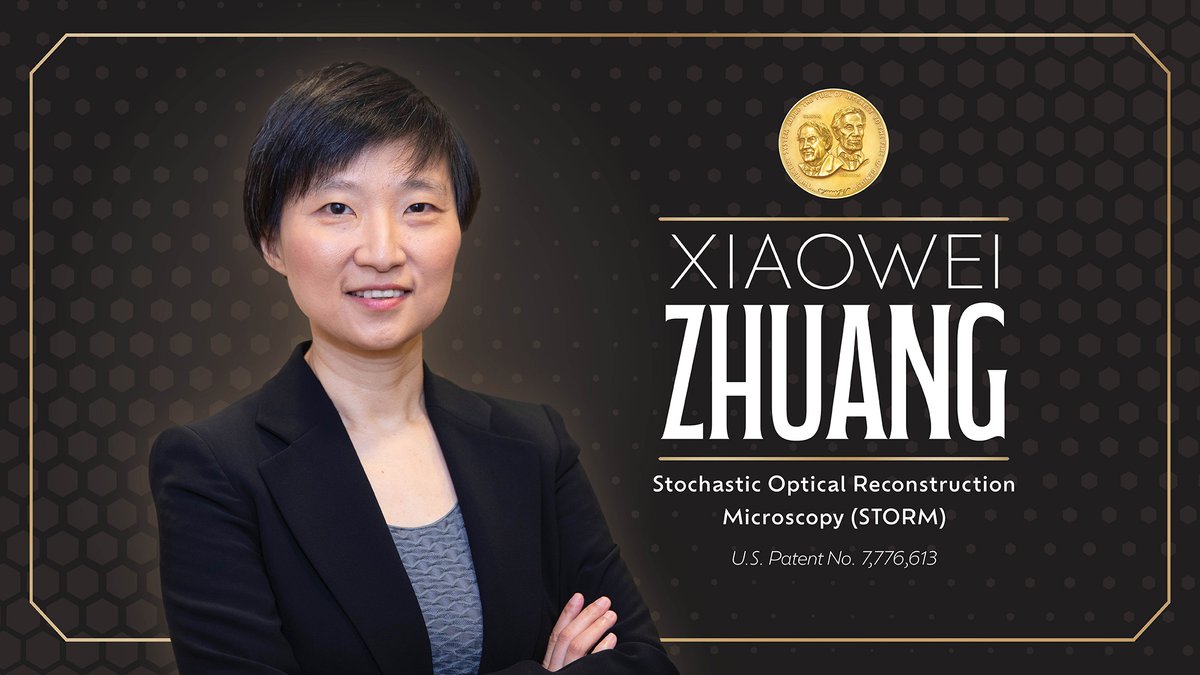
Congratulations to HHMI Investigator Xiaowei Zhuang, Investigator Emeritus James Allison, Investigator & @HHMIJanelia Sr. Fellow @Eric_Betzig, & Janelia Sr. Group Leader Harald Hess on induction into the National Inventors Hall of Fame Class of 2024!
🔗 https://t.co/xk1Uv4yjaf
🎉Excited to share our first piece of work from the Majer Lab @MajerOlivia! 📢We describe how #BORC complex regulates #TLR7 degradation and prevents human #lupus. Grateful to all the authors for their contribution! https://t.co/gEszfeA8eZ
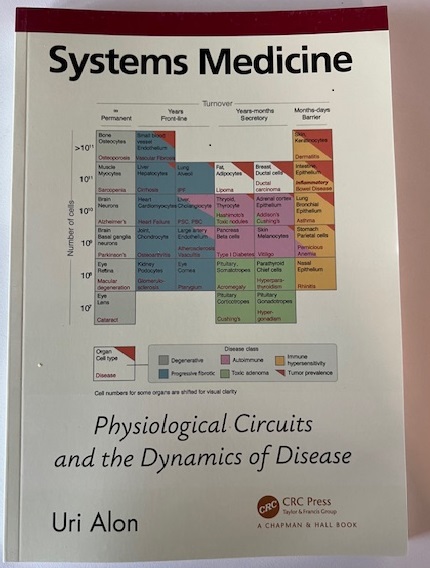
Why do we get certain diseases whereas others do not exist?
This new book builds a foundation for systems medicine. Starting from basic laws, it derives why hormone, immune and aging circuits are built the way the are, culminating in a periodic table of diseases.
I am actively recruiting students for my lab at UMass Dartmouth!
Are you interested in a project on actin, amoebae, cell migration, and/or pathogenesis? Send me an email & apply to the Integrative Biology PhD program by Jan 15!
Please RT
More info: https://t.co/w0BYk0JeWv