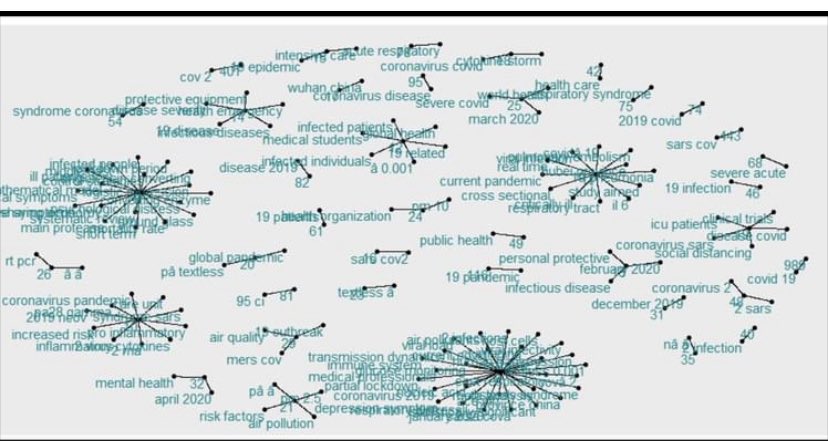
I just uploaded part 11 of my “biomedical literature text analyses and supervised text classification“ tutorials. Subscribe to the channel, more videos tutorials are coming up.
#RStats#textmining#SystematicReviews#MachineLearning
https://t.co/K5fH9E5asI
This 1-hour MIT lecture by Jim Simons is like getting a masterclass from Kasparov - except the board is financial market.
Quant King reveals more about quant trading than most Wall Street players pick up in an entire career.
Bookmark it. Watch it. Then read the article below.
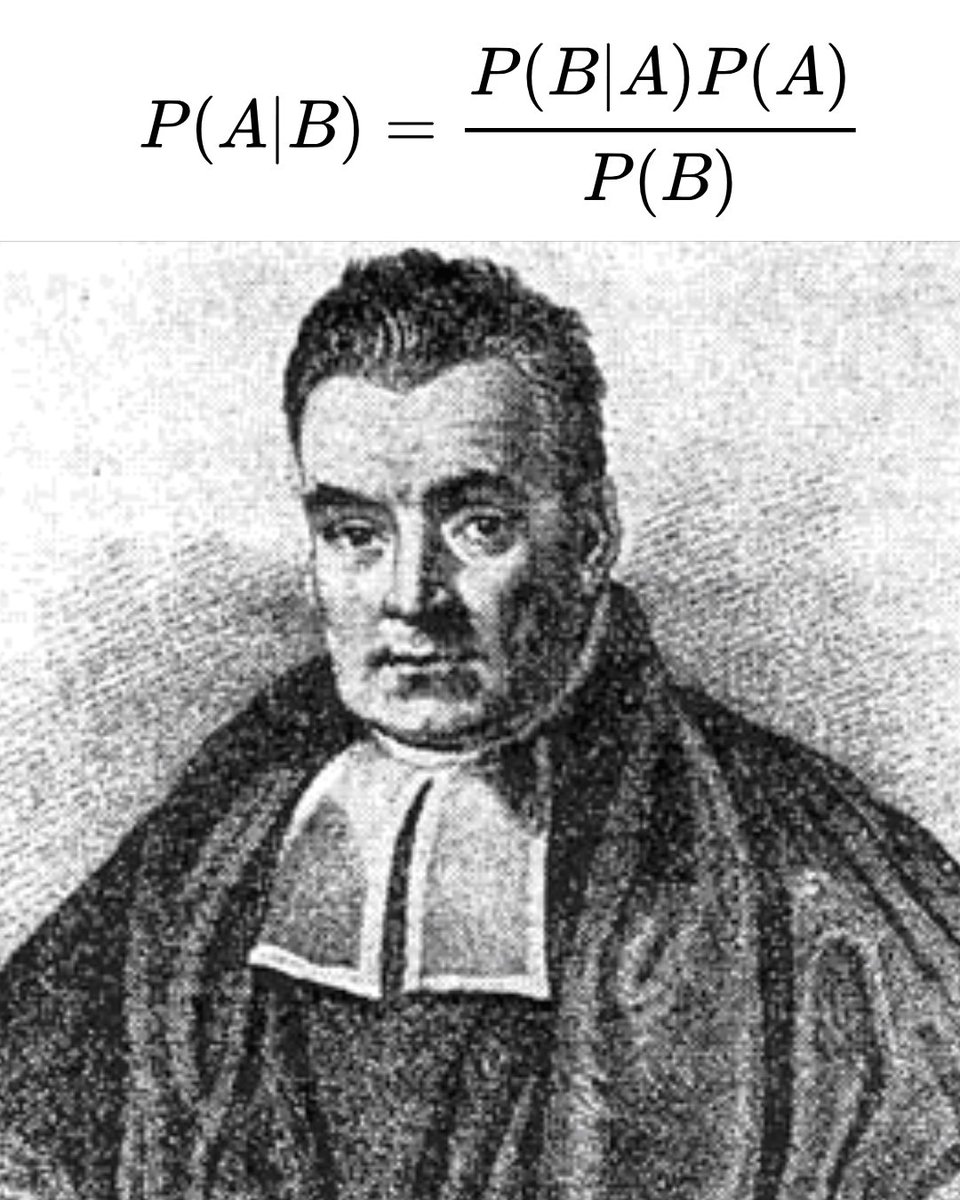
Literally everything we do everyday is guided by this equation. Our brain is terrible at calculating probabilities. It simply approximates the probabilities by its preconceived assumptions. And it constantly updates them as new evidence kicks in.
Bayes’ theorem is probably the single most important thing any rational person can learn.
So many of our debates and disagreements that we shout about are because we don’t understand Bayes’ theorem or how human rationality often works.
Bayes’ theorem is named after the 18th-century Thomas Bayes, and essentially it’s a formula that asks: when you are presented with all of the evidence for something, how much should you believe it?
Bayes’ theorem teaches us that our beliefs are not fixed; they are probabilities. Our beliefs change as we weigh new evidence against our assumptions, or our priors. In other words, we all carry certain ideas about how the world works, and new evidence can challenge them.
For example, somebody might believe that smoking is safe, that stress causes mouth ulcers, or that human activity is unrelated to climate change. These are their priors, their starting points. They can be formed by our culture, our biases, or even incomplete information.
Now imagine a new study comes along that challenges one of your priors. A single study might not carry enough weight to overturn your existing beliefs. But as studies accumulate, eventually the scales may tip. At some point, your prior will become less and less plausible.
Bayes’ theorem argues that being rational is not about black and white. It’s not even about true or false. It’s about what is most reasonable based on the best available evidence. But for this to work, we need to be presented with as much high-quality data as possible. Without evidence—without belief-forming data—we are left only with our priors and biases. And those aren’t all that rational.
This must be a joke. @Nature
J = W ÷ Y
“Where W is the total weight (in kilograms) of all books a scientist has authored, and Y is the number of years since the author earned their doctorate.”
https://t.co/DUErpum3hk
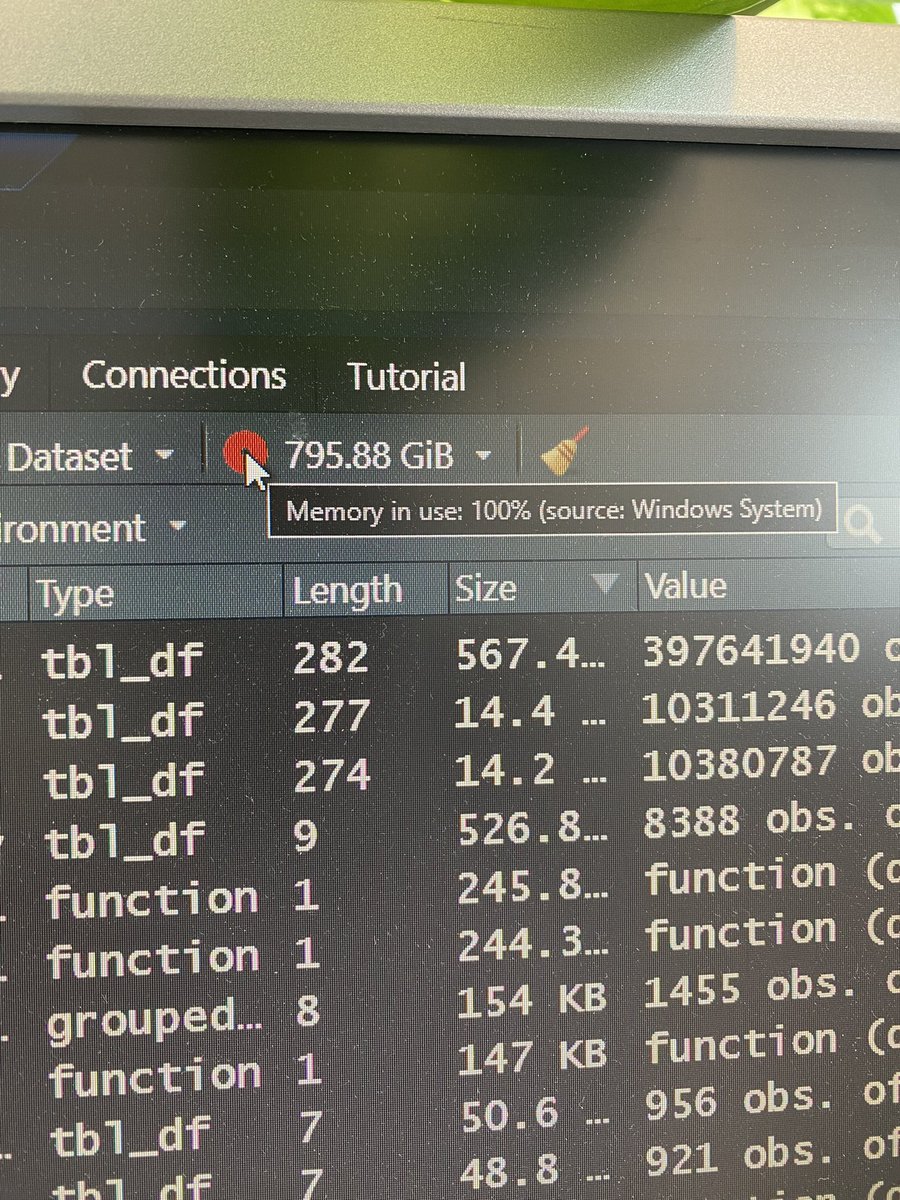
I hope you #Rastats are still here. How do you prevent crashes when you are processing extremely large data files? I am working with a terrifyingly large data (400 million rows). I have a 560GB RAM machine to run this.
Hey #RStats,
Looking for an exciting opportunity to apply your prediction modeling, machine learning skills? Here is an excellent #DataScientist position at the #InfectiousDisease and tropical medicine department in Heidelberg. The position is led by Prof Dr Claudia Denkinger.
We have an exciting position to fill for an epidemiologist/data scientist in our team at the University of Heidelberg, Germany for work in Global Health diagnostics.
Please share widely
https://t.co/aoUh9DMJat
Here the team website:
https://t.co/E5swwMOIV6
800 subscribers and counting – a huge thanks to all of you! 🎉 I'm excited to announce that I'll be returning to regular posting. Apologies for the recent silence; my current project demanded all my attention.
Subscribe if you didn't. #rstats#phdchat
https://t.co/h36Mgb0IF5