Burnout & moral injury in medicine have affected so many health care workers. As a mid-career physician, here’s what I’ve learned to combat it - I hope others find it to be helpful.
In Search of Joy and Meaning in Modern Medicine @JCOOP_ASCO https://t.co/NnR5cSbtPT
🚀 Virtual Grand Round in Radiation Oncology
Latest results of the EXTEND trial
🎤 Dr. Chad Tang
Addition of MTD to SoC for Oligometastatic Solid Tumors: Primary Analysis of EXTEND
📅 2. June 2026, 17:00–17:30 CEST
💻 Join us virtually here: https://t.co/8N7ysfum0s
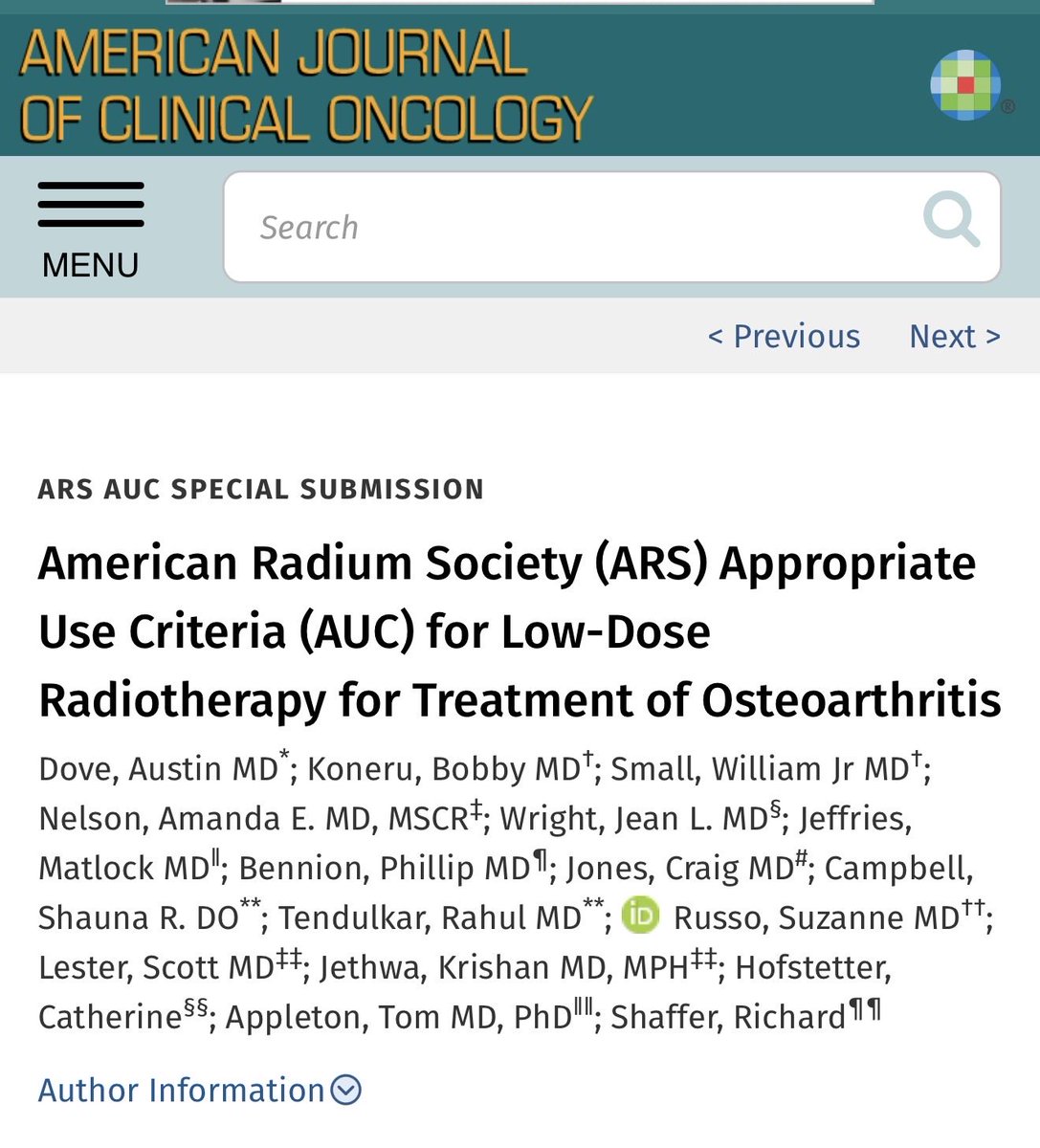
🚨The first American guidelines for low-dose radiotherapy in osteoarthritis were just published.
That’s not a small thing.
For decades, European centers have been treating OA with low-dose RT. American patients largely couldn’t access it. No formal guidance. No insurer framework. No roadmap for referring providers.
That changes today.
The American Radium Society Appropriate Use Criteria, published in the American Journal of Clinical Oncology, define exactly when and how to use LDRT for OA. Radiation oncologists, rheumatologists, physiatrists, and orthopedic surgeons built this together.
For insurers, this is the clinical framework they’ve been waiting for.
Honored to be a co-author alongside the global experts who made this possible.
The medical clinic I've been visiting the last 10 years was bought out by private equity.
They cut costs so aggressively that they could not even keep a full time doctor on staff.
Then they cut the staff. They replaced experienced nurses with cheaper workers.
The place fell apart in under a year.
Labor is the highest cost in any healthcare practice. Cut it, and the margins improve on paper.
It is wild how fast a successful business gets destroyed by this model.
PE acquisitions often use leveraged buyouts — meaning the debt used to buy the practice gets loaded onto the practice itself. It services that debt from operating revenue while also generating investor returns.
Healthcare is a goldmine for private equity. In 2024, private equity completed 1,136 healthcare deals in the US. People get sick no matter what the economy is doing. It's guaranteed cash flow.
The business model is simple. Buy a clinic. Load it up with debt. Cut costs to make the profit margin look amazing. Sell it to someone else in about 5 years.
If the clinic goes bankrupt from all that debt later on? The investors don't care. They already made their money.
Why is this happening? Greed.
Lets bring #MedTwitter back!
Introducing #HemeOncHeroes ➡️ a series about the pioneers, rebels, and visionaries who changed hematology and oncology forever!
Lets dive in 👇 #HemeOncHeroes series. Story #1
In 1994, his own institutions fired him in a single week.
He was 76 years old.
The University of Pittsburgh fired him. The NCI fired him.
He had spent forty years proving that almost every breast cancer surgery for a century had been pointless.
He was right.
🧵 1/15
Critique of the IRRADIaTE Study:
Disclaimer: I am a pediatric cancer survivor and now radiation oncologist. All cancer treatments cause side effects. I strongly believe we should be looking for ways to rationally combine treatments rather than undercutting other modalities.
1/
Interesting read! All radical treatments for pca have toxicities. The key issue for pts is not simply if toxicity occurs, but which toxicities persist and how they affect long-term QOL. Transient GU symptoms are not equivalent to permanent incontinence or impotence
If insurance companies can deny care and call it "medically unnecessary", why aren't they required to have malpractice insurance doe when they get it wrong and someone gets sicker or tragically dies ?
Powerful editorial on corporitization of medicine.
1. Trainees are not cheap labor
2. Margin focus threatens trust.
3. Leaders need to stay in touch with clinical care
https://t.co/YXqvVVggxe
In 458 BC, Rome was on the brink of collapse.
An invading army had trapped the Roman consul and his legion in a mountain pass. Panic spread through the city. The Senate did the only thing they could think of:
They sent messengers to find a 60-year-old farmer plowing his field.
His name was Lucius Quinctius Cincinnatus. He had once been a senator, then lost his fortune paying his son's bail. Now he worked his own four-acre plot just to feed his family.
When the Senate's envoys arrived, they found him sweating behind a plow. They asked him to put on his toga so they could deliver an official message.
The message: Rome was making him dictator. Absolute power. Total command of the army. No checks. No oversight. No term limit.
He accepted.
Within 16 days, Cincinnatus had raised an army, marched out, surrounded the enemy, and forced their surrender. The republic was saved.
He had legal authority to rule for six months. He could have stayed. He could have expanded his power. He could have done what every other ruler in human history did when handed unlimited control.
Instead, he resigned on day 16.
He took off the toga, walked back to his farm, and finished plowing the field he'd left half-done.
Twenty years later, when Rome faced another crisis, they called him back. He was 80 years old. He took command, crushed the conspiracy, and resigned again, this time after just 21 days.
He died poor. On his farm.
2,200 years later, when George Washington was offered a kingship after winning the American Revolution, he refused and went home to Mount Vernon. The reason he was hailed as "the American Cincinnatus" is because Europeans literally could not believe a man who had won would willingly give up power.
King George III, on hearing Washington would resign rather than rule, said: "If he does that, he will be the greatest man in the world."
The lesson isn't that Cincinnatus was humble.
The lesson is that for most of human history, the people most qualified to lead were the ones who didn't want to. And the moment a society starts rewarding those who chase power instead of those who flee from it is the moment the republic begins to die.
Cincinnati, Ohio is named after him.
Most people who live there have no idea why.
Becoming a physician is not good for your health.
- High stress
- Sleep disruption
- Intense workload
- Feelings of isolation
- Putting your life on hold
- Limited time for exercise
- Exposure to traumatic cases
- Not having time for family and friends
- Always having to be perfect because the stakes are so high
https://t.co/88TiBA8tBA
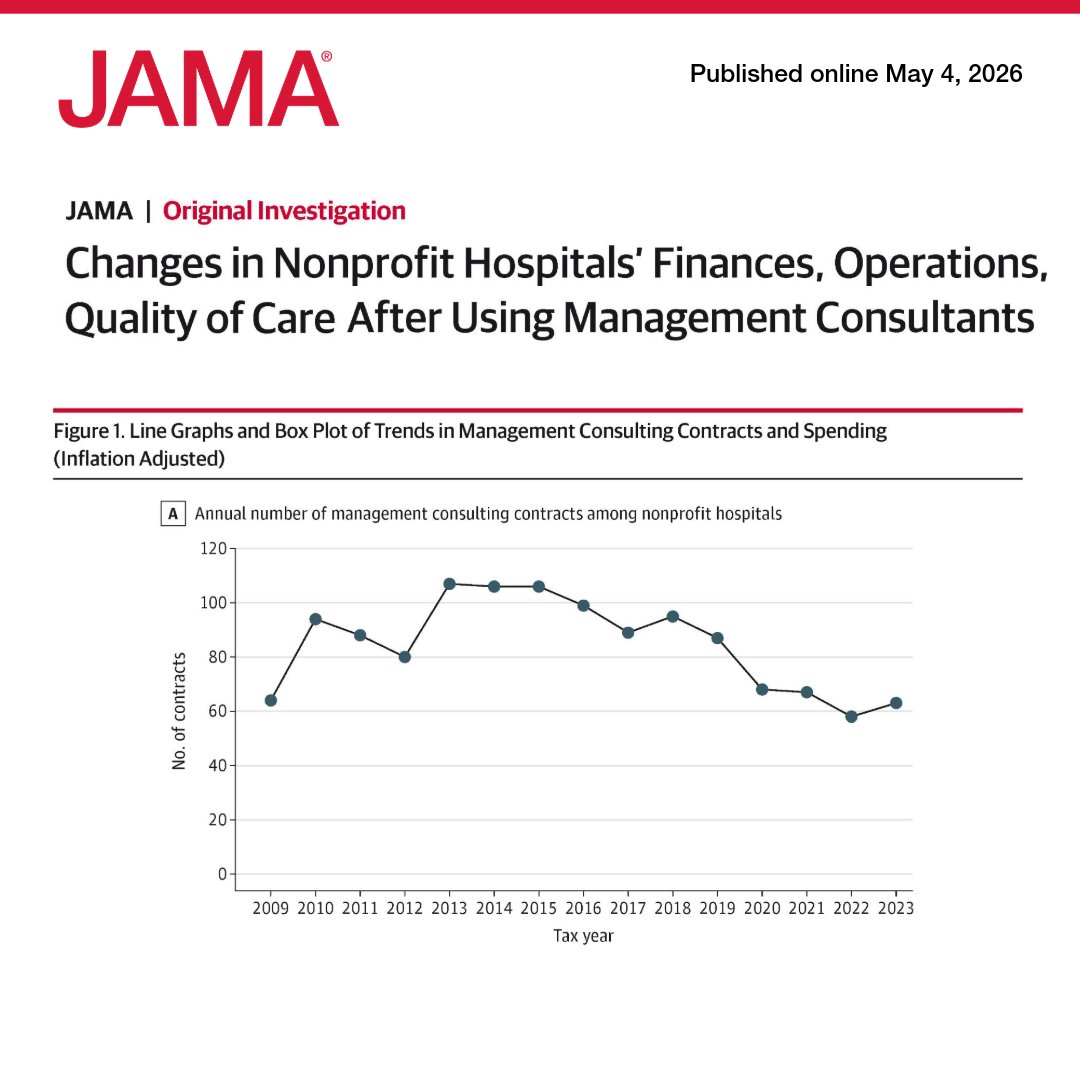
US nonprofit hospitals spent $7.8 billion on management consultants from 2009 to 2023, but contracts were not associated with meaningful changes in finance, operations, or quality of care. 🧵
https://t.co/QQswMYxrG8
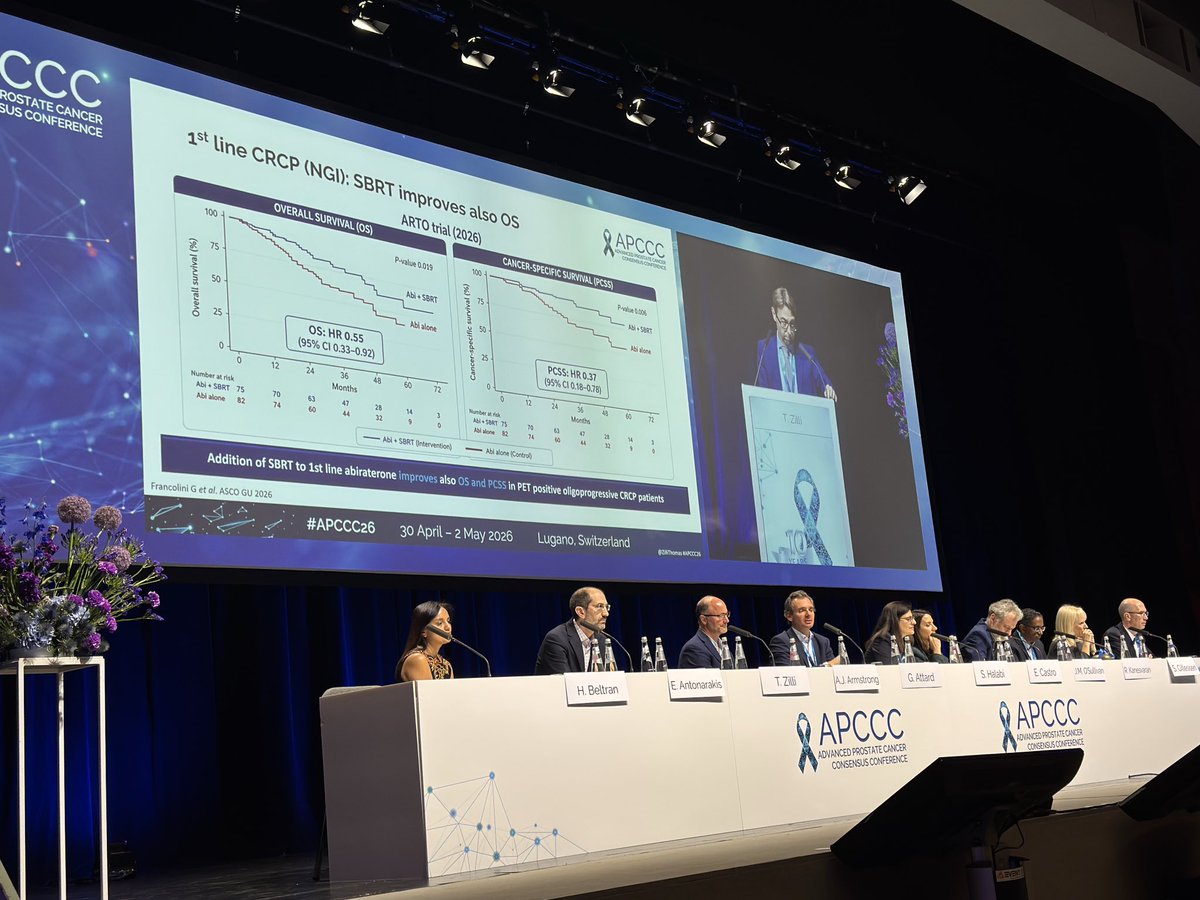
@ZilliThomas highlights the progress made with SBRT in mCRPC. The OS benefit in ARTO by @GiulioFrancoli1 is very encouraging. All trials in this setting point in the same direction: benefit on all endpoints! #APCCC26
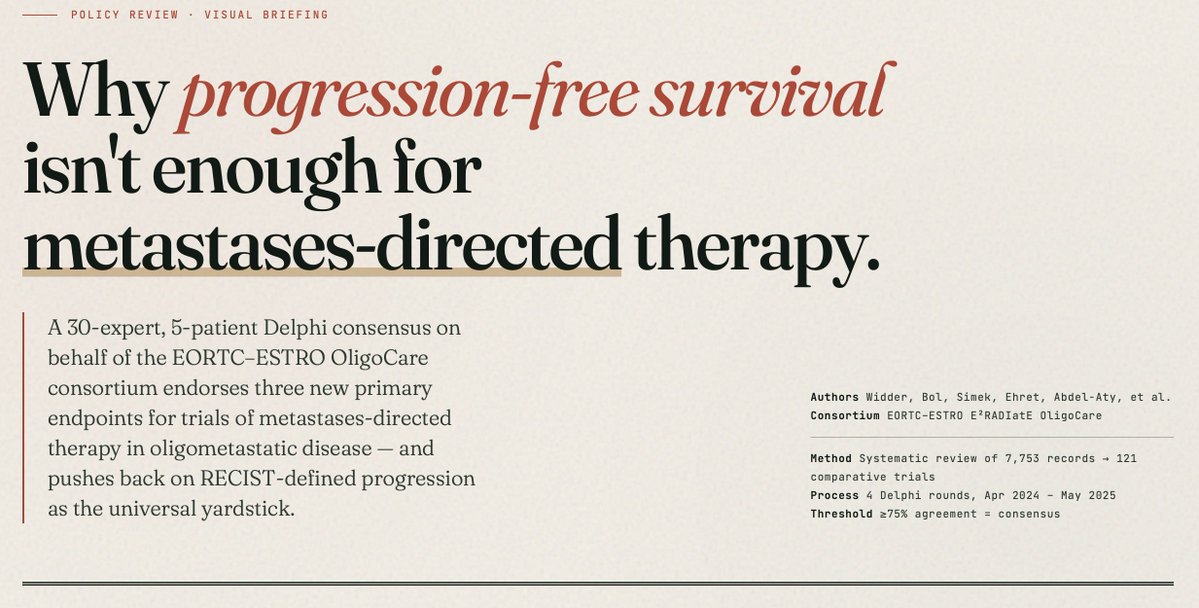
1/7 🧵 New in @LancetOncology: we built a Delphi consensus on primary endpoints for MDT trials in oligometastatic cancer — because the endpoints we've been using were designed for drugs, not for ablation.
On behalf of the EORTC–ESTRO OligoCare consortium.
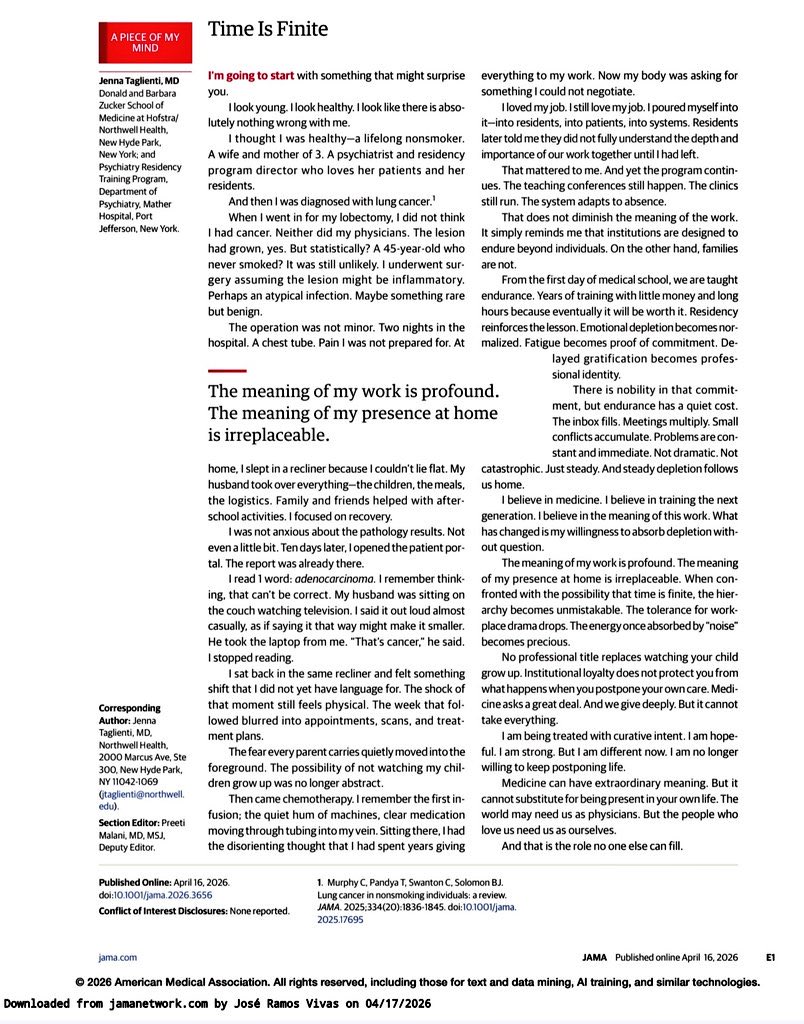
In healthcare, no amount of personal wellness practices can substitute for appropriate staffing, humane scheduling, efficient clinical workflows, adequate administrative support, or a culture of psychological safety.
I wrote this in a moment I never would have chosen. A sudden pause that made me see my life clearly.
The meaning of our work is profound. This experience simply helped me see more clearly what matters most.
“Time is Finite” JAMA
https://t.co/IwkKdyeEWx
Here is Version 2.0 of when to hold systemic tx during RT. Updated & w 3 additional drug categories (ADCs, CDK4/6 inhibitors, PARPi).
More details on newer drugs in 🧵 below.
Please use this version as reference & thanks for all input/experience crowdsourcing! (1/3)
Hate to think of how many students have suffered and job applications have been ignored because the software that does stuff like this basically doesn’t work.