@TamarHaspel@JrWannamaker So you aren’t convinced that the processing, per se, causes food to be less healthy/contributes to overconsumption?
If not, what do you make of the findings from Kevin Hall’s study (https://t.co/cuBAqI8Atw)?
@TamarHaspel@hbottemiller Why do you think so many people are against such a change? And what would be your response to their arguments (e.g., loss of autonomy)?
Lots of comments about whether BMI, self-reported or otherwise, is useful...
I give a lecture on this, and can share a few slides.
Monitoring population level trends is *exactly* what BMI does best.
Here's why...
Check out our new publication on the use of galactagogues (ie, foods, beverages, herbal supplements, pharmaceuticals) to increase breast milk production!
https://t.co/4CMBWrq2a0
A🧵
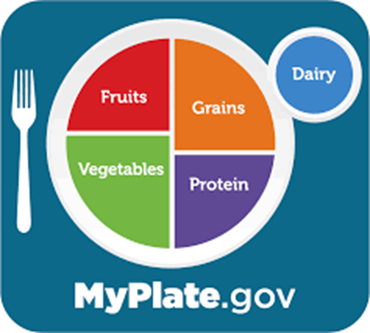
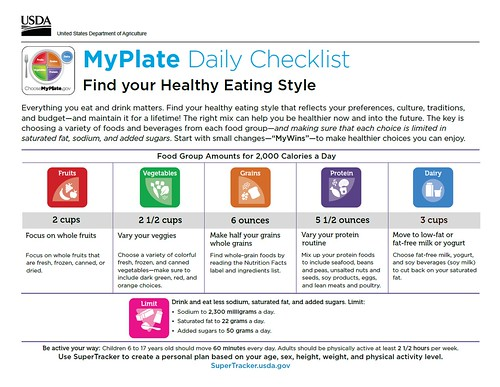
The @usda MyPlate serves as the primary educational tool for the Dietary Guidelines for Americans.
📊New CDC report: how many Americans have even heard of MyPlate? And how many tried to follow its guidance?
💣Are you ready for this?
🍽️1
"Multiple Metrics of Carbohydrate Quality Place Starchy Vegetables Alongside Non-starchy Vegetables, Legumes, and Whole Fruit"
Potatoes are nutritious
https://t.co/07Ro4G2qEO
My co-authors and I (@JBihuniak & @hopelappen) conducted a qualitative systematic review to identify and describe women's perceived barriers and facilitators to healthy eating and exercise in the postpartum period.
https://t.co/NGe8FUOqNw
Our findings...
1/
Perceived barriers to physical activity included time constraints, lack of energy or fatigue, and childcare needs. Social support (in particular, an exercise partner) and the availability of childcare were identified as facilitators.
5/