Please join me in welcoming @PennGlomCTR to #NephTwitter — a part of @PennKidney offering comprehensive care to patients with #glomerular diseases, and opportunities to participate in clinical trials of novel therapies.
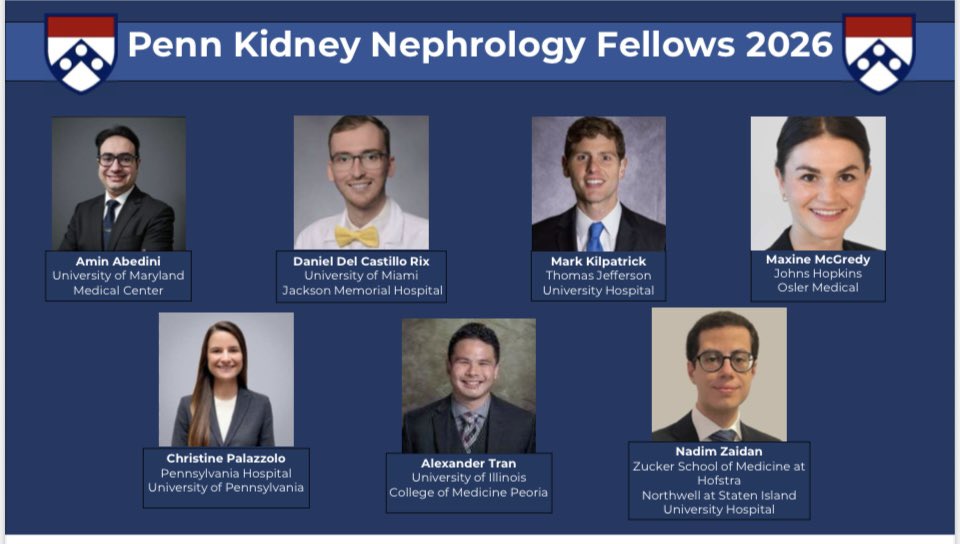
Congratulations to everyone in the fellowship match! We are thrilled to welcome these wonderful physicians to the @PennKidney family for #Nephrology#Fellowship in 2026!
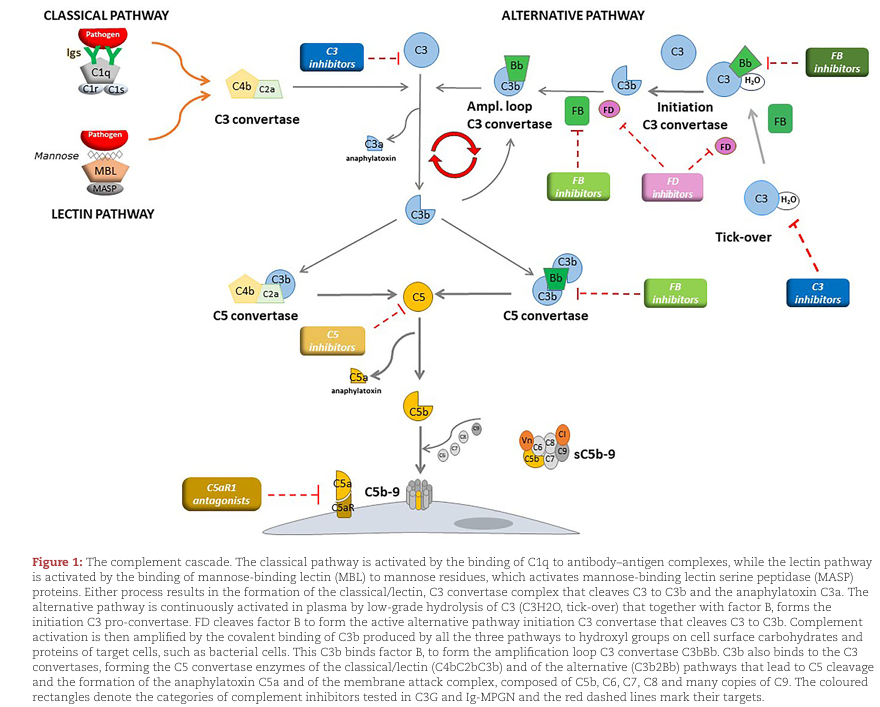
Complement-
Kidney biopsy is grossly inadequate when it comes to complement: we stain for only C3/C1q!
LMD/MS can:
-determine complement pathways
-determine burden of complement
-Activated vs entrapped complement
-Assess complement regulating proteins
https://t.co/aGD0K0i1Dt
Now online in @NDTsocial
Nephrotoxicity of Non-Platinum Agents and Miscellaneous Nephrotoxic Drugs
🧐Knowing these kidney toxicity profiles is critical to maximize the oncologic benefit while preserving kidney function.
▶️https://t.co/tO8m2hZ8hH
Great win for AUB Med!🚀🎉A record-breaking 85% match rate in #Match2025—the highest in 8 years! With 122 applicants and 104 matches, both hitting all-time highs, our grads are proving that excellence knows no limits! The future of medicine is brighter than ever! 🔥👩⚕️👨⚕️
#WhyScience Today, I am launching a 100-day Twitter/X campaign highlighting the importance of science, academia, and academic research in the U.S., with one tweet per day. Please help to increase visibility by liking, retweeting and adding to it.
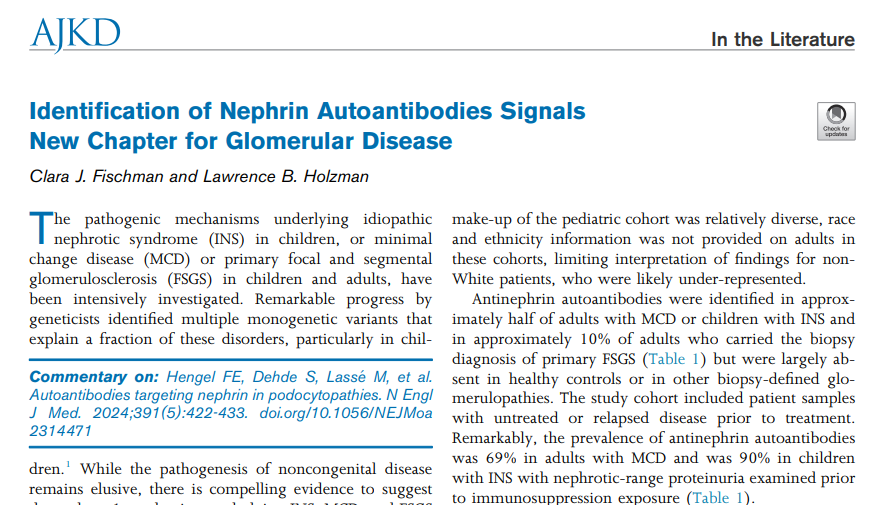
In the Literature by @ClaraFischman and Lawrence B. Holzman:
Identification of Nephrin Autoantibodies Signals New Chapter for Glomerular Disease
https://t.co/HstnekoKi1 (FREE)
@PennMedicine
Original article in @NEJM ⬇️
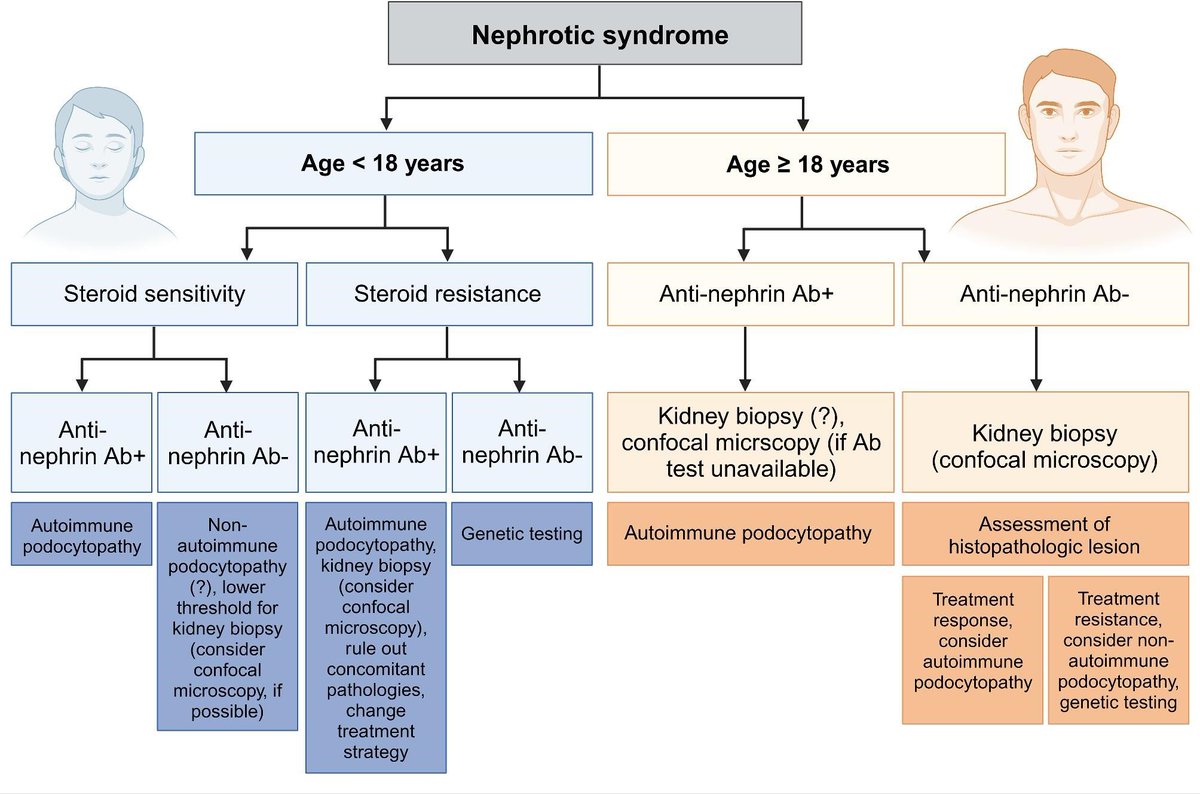
Antibody-mediated podocytopathies: a disease entity that implies immunotherapy
🆓https://t.co/i9j2mR7t4T
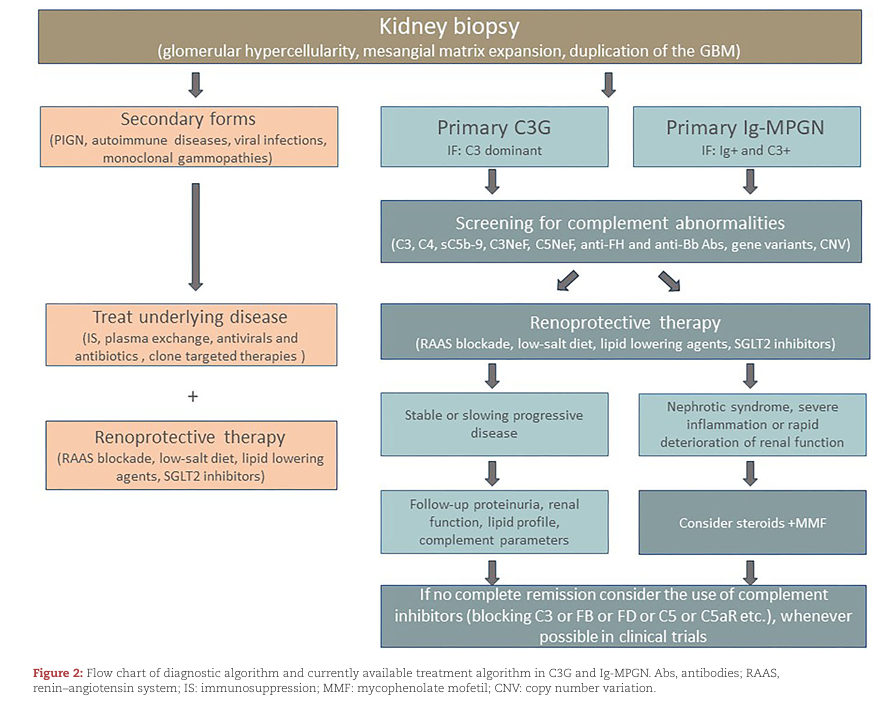
📸A proposed diagnostic algorithm in patients with nephrotic syndrome and suspected podocytopathy
🎇Our new paper in @ScienceMagazine: Kidney Multiome-Based Genetic Scorecard Reveals Convergent Coding and Regulatory Variants.
@Hongbo919Liu
https://t.co/t9IdHiPcsF
1. Full spectrum of genetic variants related to kidney function (1,000 loci). 2. Comprehensive annotation of discovered genetic variants using 32 new omics datasets and tools (QTLs, single cell data), uncovering 600+ genes for kidney function. 3. 161 genes previously believed to contribute only to rare monogenic diseases, which harbor common variants affecting CKD in the general population. 4. Discovered a large number of new druggable targets for kidney disease. 5. Developed a Kidney Genetics Scorecard for integration and interpretation
🚨 Breaking down the REGENCY trial 🚨
A Phase 3 RCT evaluating obinutuzumab (Obi) in lupus nephritis (LN). Let's dive into the study design, key findings, and the dosing regimens! 🧵⬇️
Presented at #ISNWCN:
In the REGENCY trial, obinutuzumab, a humanized type II anti-CD20 monoclonal antibody, plus standard therapy provided significantly better renal responses than standard therapy alone in patients with lupus nephritis. Full trial results: https://t.co/sRfh55IvDW
Now open access in @NDTsocial
Obinutuzumab for the management of immune-mediated glomerular diseases
🧐Obinutuzumab holds significant potential as a novel first-line therapeutic option for various immune-mediated glomerular diseases
▶️https://t.co/LRJACeZoLC
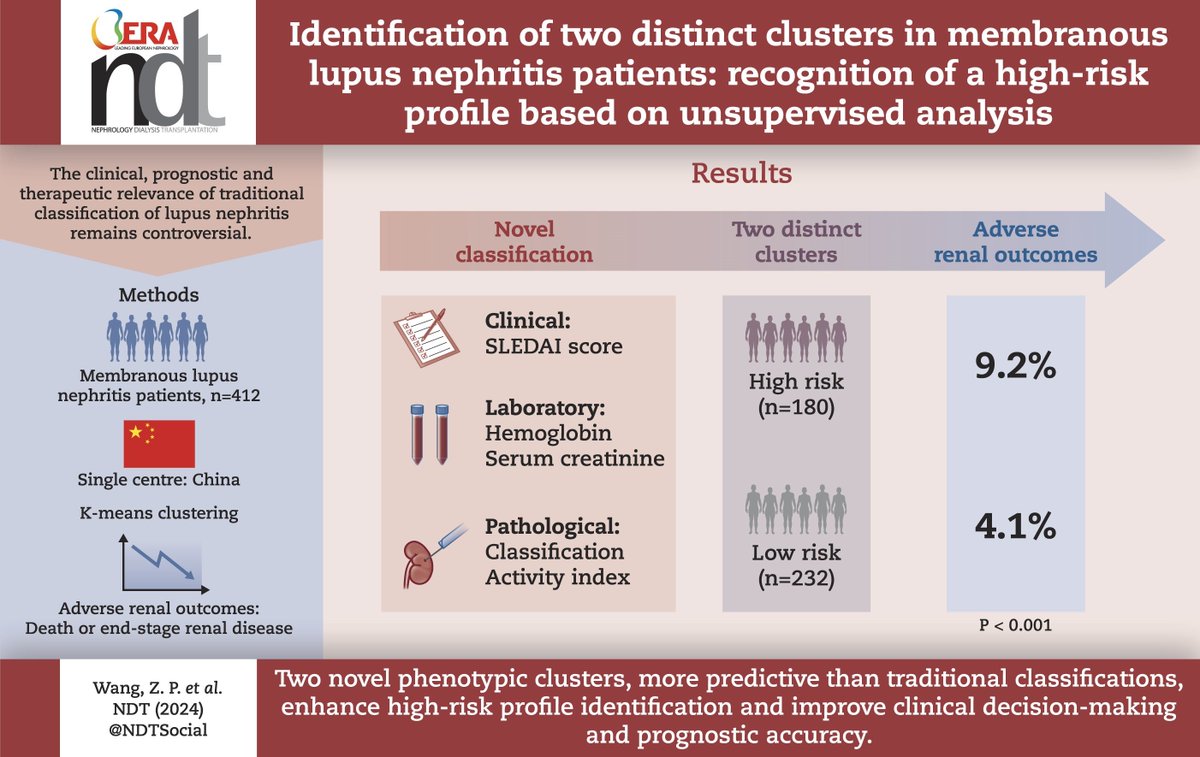
Identification of two distinct clusters in membranous lupus nephritis patients: recognition of a high-risk profile based on unsupervised analysis
https://t.co/6W9nq7BinG