@RestIsFootball@GaryLineker@alanshearer Hi all,
Listening to the last episode was, as usual, wonderful.
This season EPL will lose Pep, Salah, Bernardo Silva, etc.
I wonder was there another season where so many legends was lost from the Premier League?
New blog: Fresh dueling guidelines about post-arrest care from the AHA & ESICM
💔 BP & O2 targets
💔 Who needs emergent cath?
💔 pan-CT scans
💔 temp targets
💔 neuroprognostication
Which guideline do I love? 😍 You'll have to read the post to see
https://t.co/pvURD9zg53
🧵 Why it’s so hard for the body to get rid of IV fluid
1️⃣ Hook:
We talk endlessly about “fluid resuscitation” – but far less about how the body gets rid of excess fluid once we’ve given too much.
Here’s the physiological problem 👇
#MedX#Physiology#Fluids
1/
Most people think the heart drives circulation.
But what if that’s backwards?
Anderson’s model flips the whole idea of cardiac output on its head — and it changes how you think about fluid, flow, and failure.
🧵👇
#physiology#FOAMed#MedTwitter#criticalCare#cardiacOutput
1/
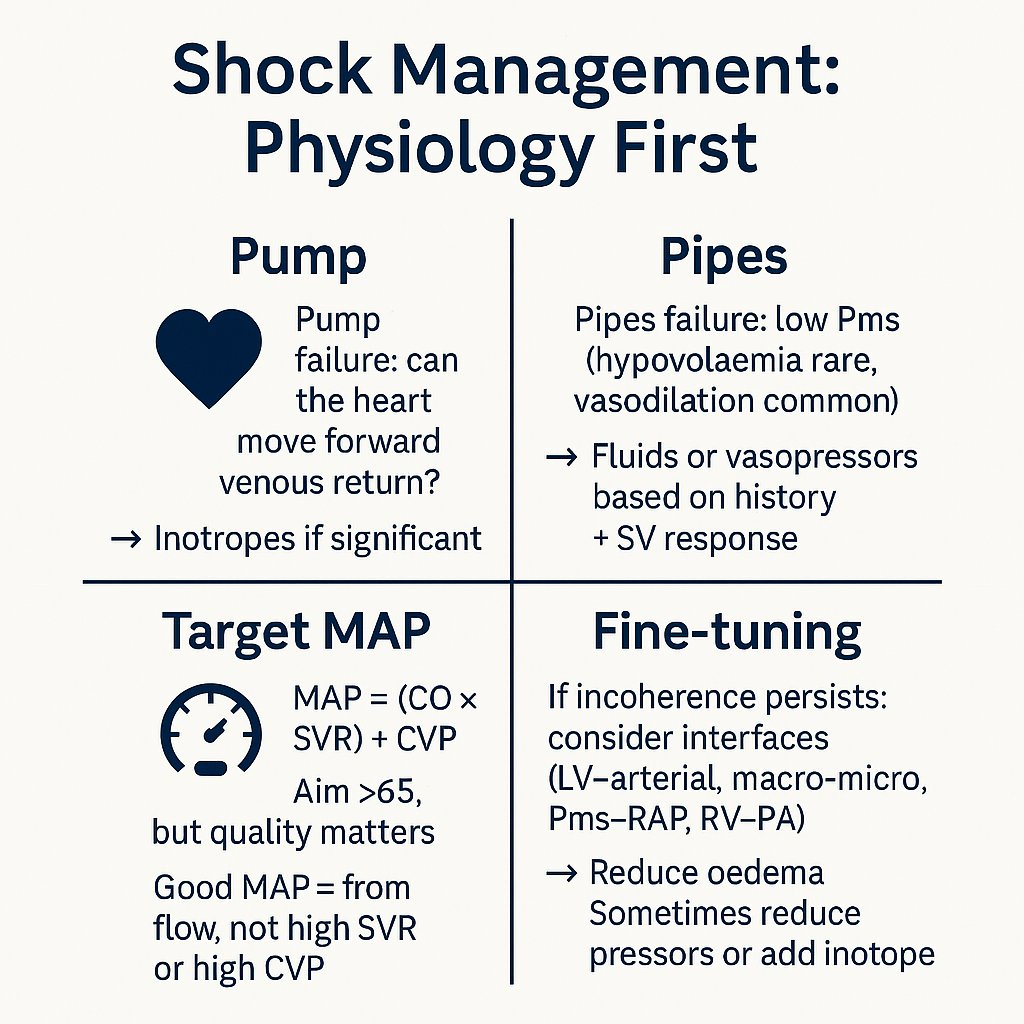
Shock isn’t “give fluids, then pressors, then inotropes.”
That recipe misses the physiology.
Here’s how to manage shock properly: 🧵
#MedX#haemodynamics
🧵 "What really determines tissue perfusion?"
– and why most explanations get it wrong.
Let’s sort out MAP, CVP, CCP, autoregulation, vasopressors, and the flow that actually reaches your organs.
👇
Trinity College Dublin has awarded an honorary degree to Prof Moira O’Brien, a sports medicine pioneer still working at 91.
She shaped Olympic teams, founded Ireland’s first Human Performance Lab, and fought for women in sport.
A lifetime of impact. 🏅 #Trinity#STEM#Olympics
Ever since I arrived here years ago, @GaryLineker has graced my tele with MOTD.
I'm sad he's leaving the show.
But thanks to @RestIsFootball, Gary will still grace the footballing world.
Many thanks to @alanshearer and @MicahRichards - chain him to the pod seat, guys!
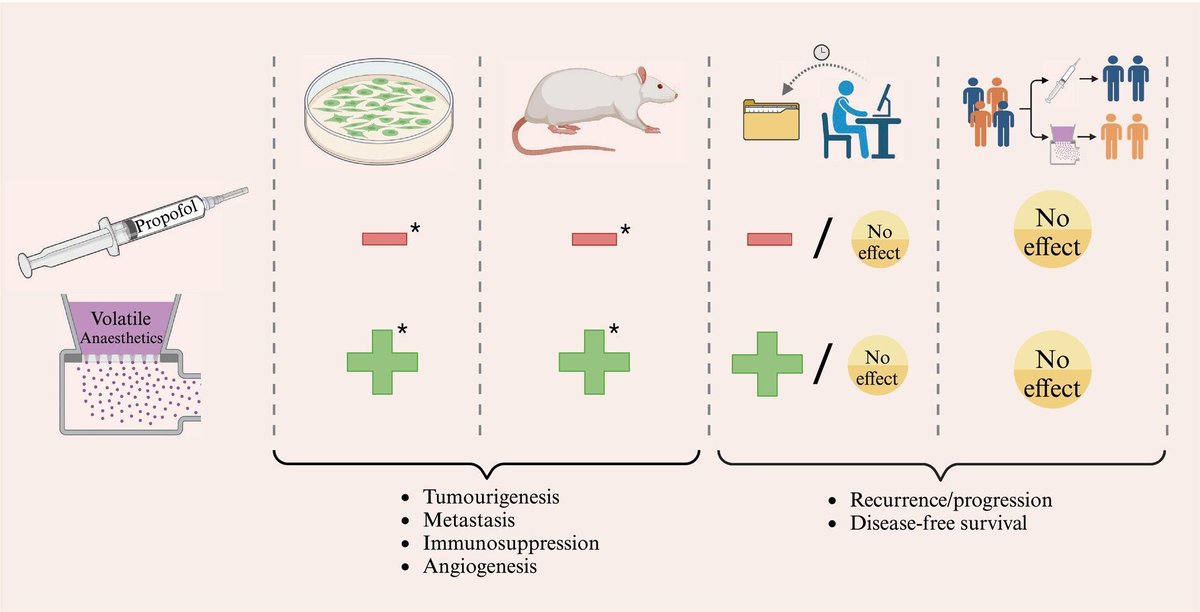
Propofol vs inhalational anaesthesia and cancer-related outcomes
Preclinical investigation & retrospective studies suggest propofol:
• inhibits tumourigenesis & metastasis
• is not immunosuppressive
• blocks angiogenesis
• ⬇️ recurrence
BUT no large RCT supports this #AnSky
https://t.co/Puqysi7UUm
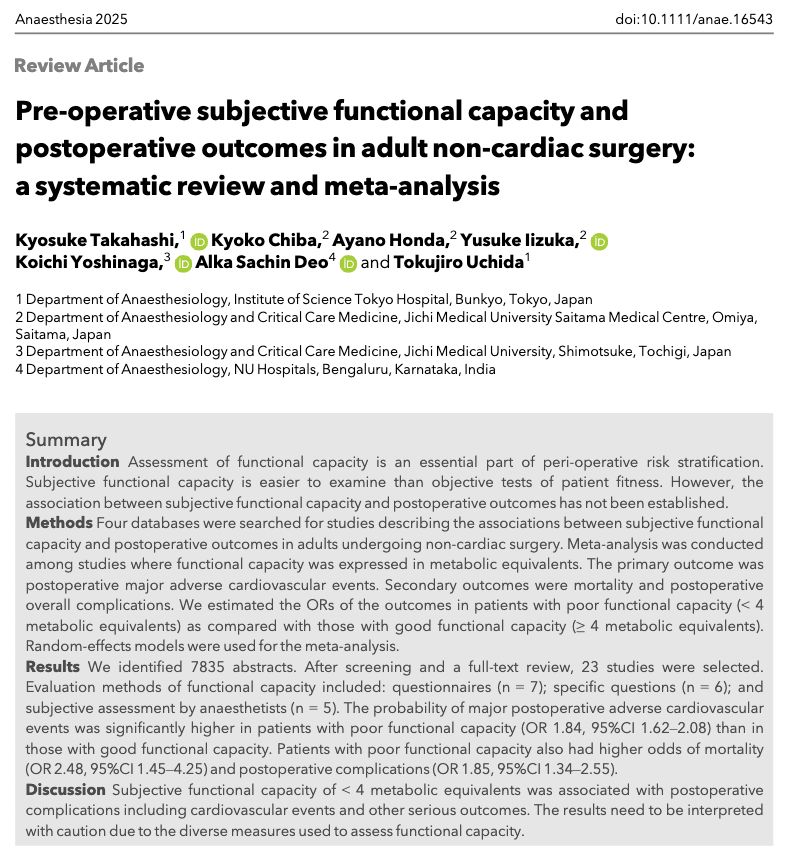
Review Article: Pre-operative subjective functional capacity and postoperative outcomes in adult non-cardiac surgery: a systematic review and meta-analysis
#anaesthesia#surgery#medicine
https://t.co/EeUAMMztib
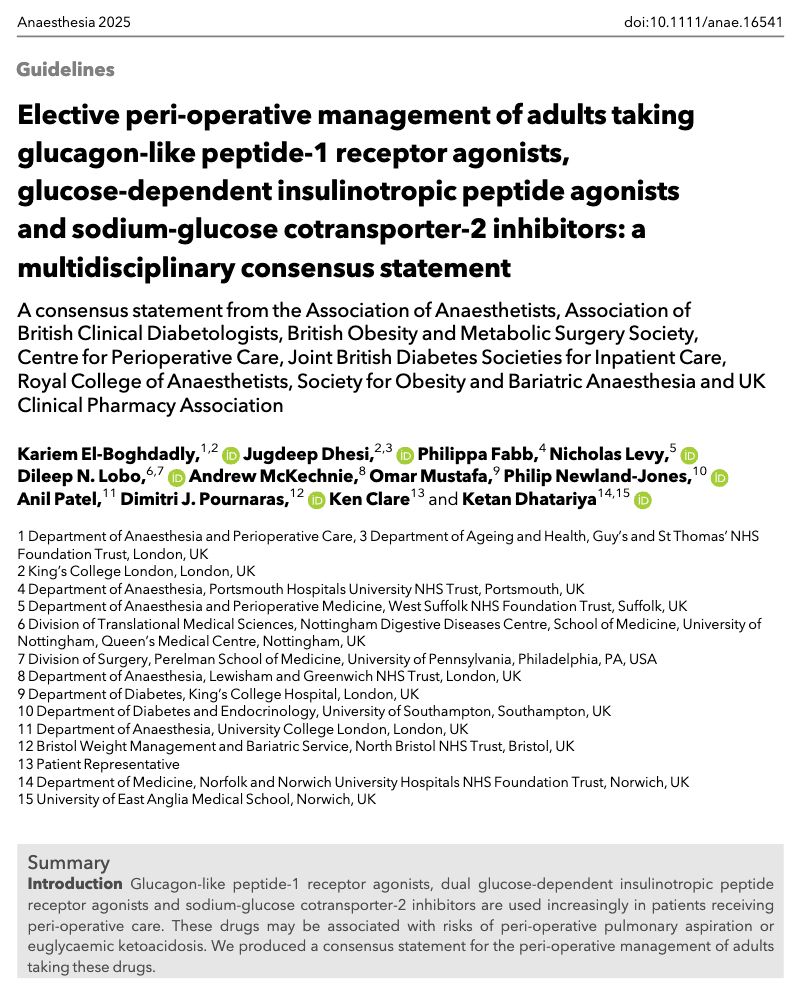
Are you up to date with the management of GLP-1s in the peri-operative period?
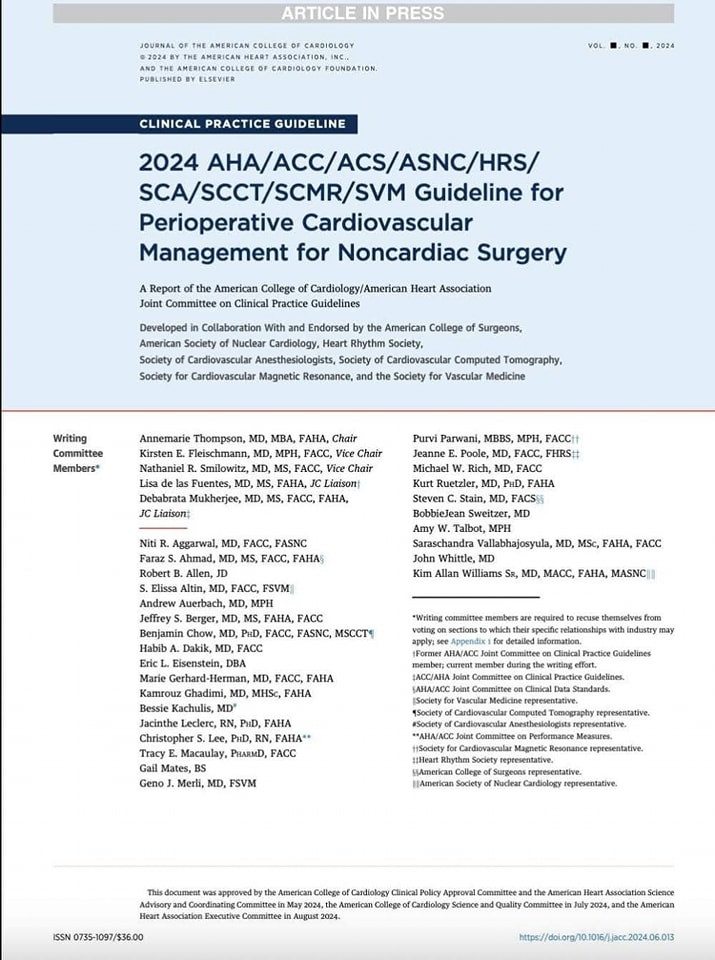
Check out these guidelines!
#anaesthesia#medicine#GLP1
https://t.co/FEMEJBvkjU
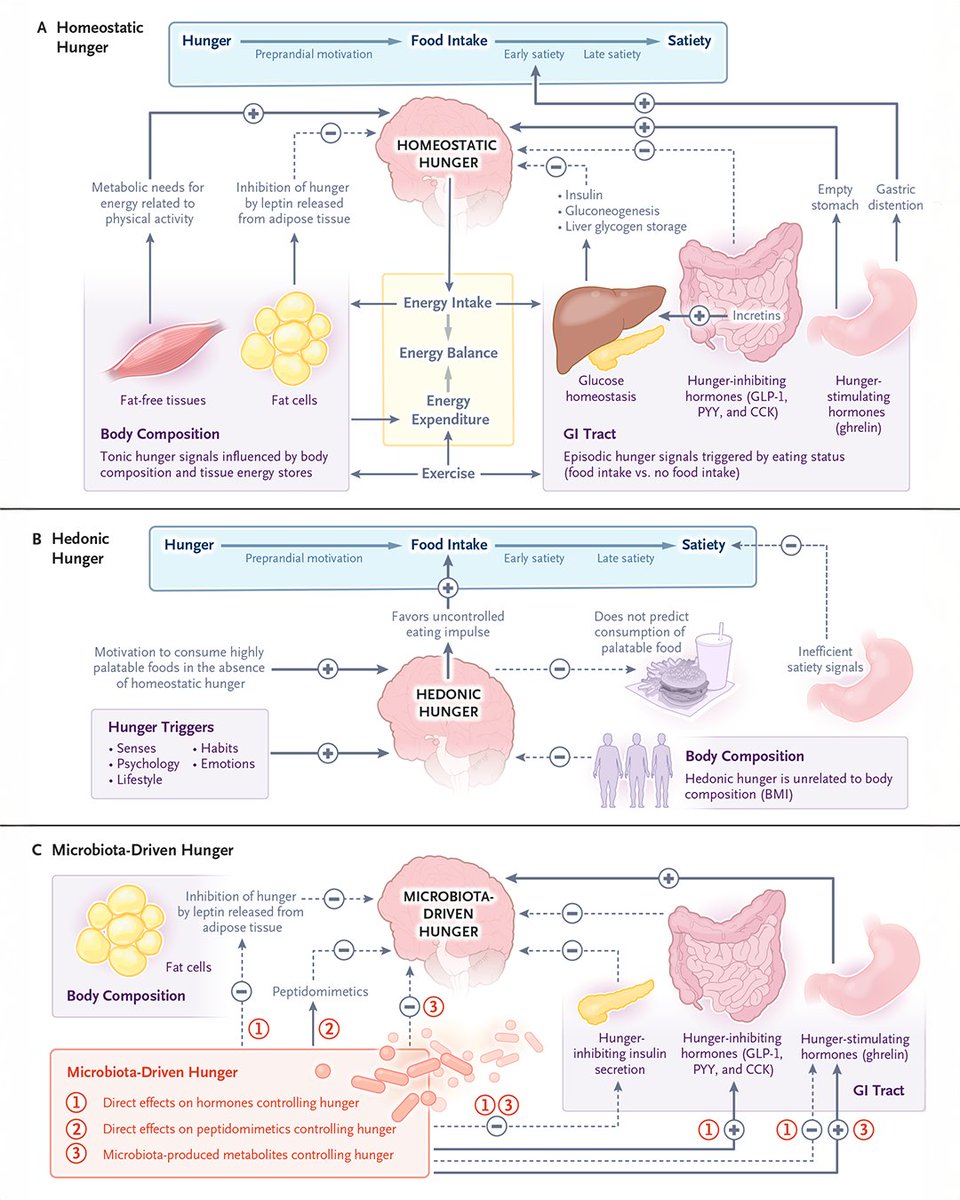
The relative stability of body weight over time in any given person suggests a highly sophisticated metabolic machinery that is capable of regulating a multitude of variables, both predictable (e.g., basal metabolic rate) and unpredictable (e.g., quality and quantity of food ingested, thermic effect of food, macronutrient composition, and level of physical activity). However, this precise regulatory process, which was evolutionarily primed to favor the overconsumption of calories (and permissive of a positive caloric balance to allow fat accumulation as an energy reservoir in hunter-gatherers) is now having negative medical consequences. Learn more in “The Physiology of Hunger,” the latest review in the Nutrition in Medicine series: https://t.co/rjVO0YVq59
💡 How to Use Blood and Blood Products? 💡
🔹 Coagulopathy and Plasma Transfusion
Presence of coagulopathy in critical illness can increase the risk of developing hemorrhagic complications fivefold compared to patients with a normal coagulation status. To assess bleeding risk and the effectiveness of plasma transfusion, prothrombin time (PT) or international normalized ratio (INR) is most widely used. However, as the coagulation status of a patient is the net result of a balance between procoagulant and antifibrinolytic activity, these tests poorly represent in-vivo hemostatic potential.
🔹 FFP and Cryoprecipitate transfusions
These transfusions are used in the treatment and prevention of hemorrhage. Approximately 13% of ICU patients will receive a plasma transfusion during their admission, 70% of which are used prophylactically prior to an invasive procedure or to correct abnormal coagulation tests.
🔹 Monitoring of Coagulation Status
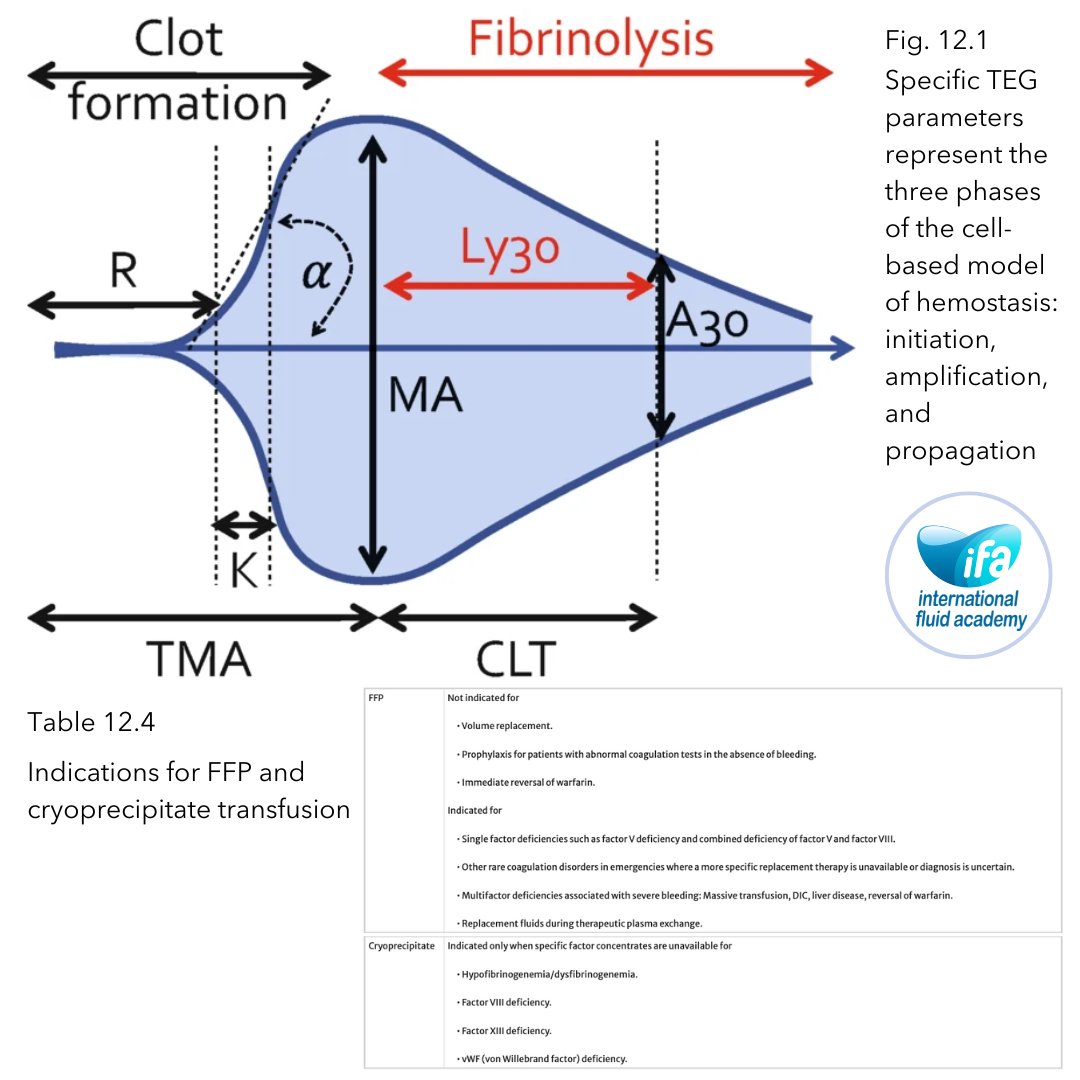
Given the poor ability of conventional coagulation tests to predict bleeding, viscoelastic methods have gained importance in the monitoring of coagulation status, especially in bleeding patients. These tests offer numerous advantages over the conventional coagulation tests and are able to better guide transfusion in critically ill patients. These tests, e.g., thromboelastography (TEG) or rotational thromboelastometry (ROTEM), provide an overall picture of hemostasis, including coagulation and fibrinolytic pathways (Fig. 12.1).
📊 All details on the Fluid Academy!
🔗 https://t.co/NFu0632ItU
Table 12.4 summarizes the indications for FFP and cryoprecipitate transfusions.
#BloodTransfusion #CriticalCare #PlasmaTransfusion #MedicalResearch #ICU #TEG #ROTEM #Coagulopathy