Sneak peek at what it looks like to set up a new experiment on the @Space_Station! I installed hardware in the Microgravity Sciences Glovebox (MSG) for the Colloidal Solids experiment. This study will investigate the structure and dynamics of crystal, gel and glass phases during solidification of colloids (mixtures in which tiny particles of one substance are scattered throughout another, but that don’t dissolve or settle out, for example, milk, mayonnaise, and fog).
Since gravitational forces often perturb these materials, we may observe differences in microgravity. This research could lead to the development of new materials for space exploration (substrates for plant growth, 3D printing, etc.), and may provide insight into protein crystallization, a critical process in the manufacturing of pharmaceuticals, to directly benefit human health back on Earth.
Three years since the first flight of Starship, the next generation is here. New ship. New booster. New engines. New pad and new test site. SpaceX engineers are working to solve one of the most difficult engineering challenges in history: developing a fully, rapidly reusable rocket
Retired NASA astronaut and U.S. Navy Captain @astro_suni will join Vast as an Astronaut Advisor. With 608 days in space, 62+ hrs of spacewalks, Williams has also held key NASA leadership roles serving as Deputy Chief of the Astronaut Office and Commander of multiple expeditions. https://t.co/xcfaJmVwRo
@blueorigin Congratulations!! Landing looked much tighter this time around! Did you optimize the reentry profile leading to a more accurate landing this time around or did you purposely go a little wide on the first attempt and took advantage of your hover capability?
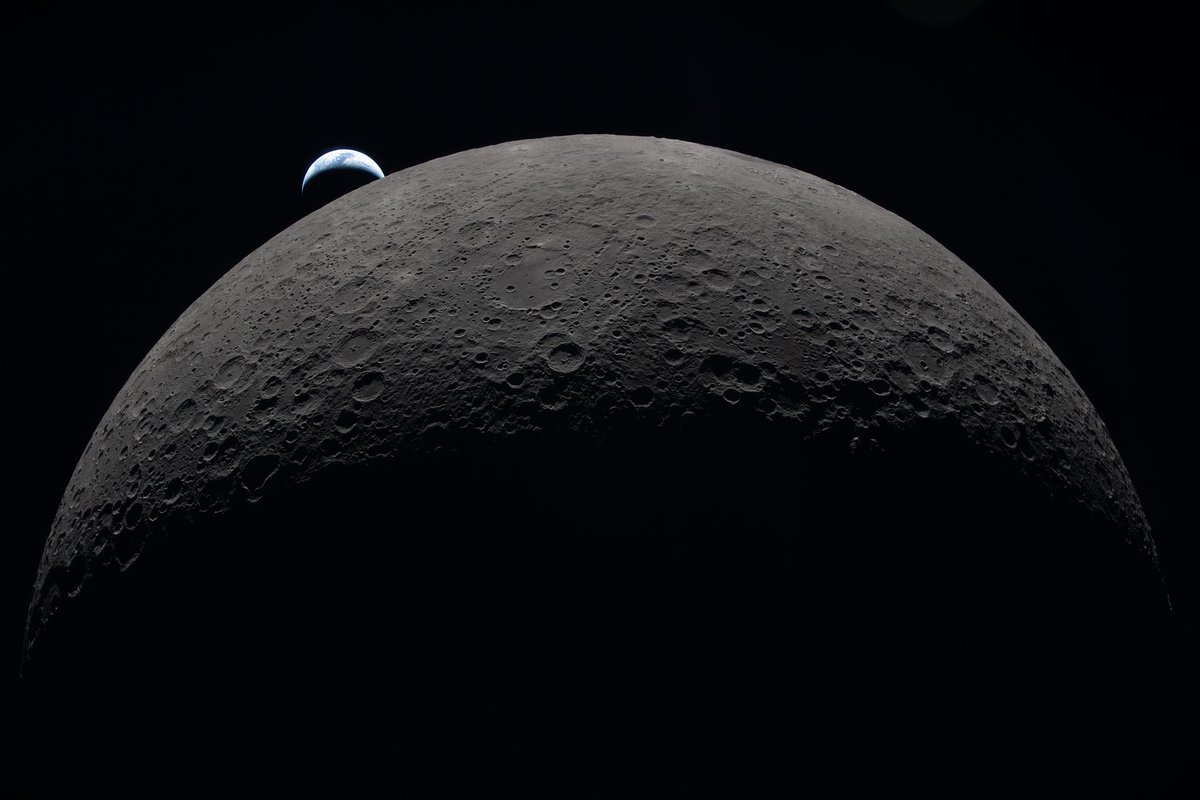
What the Artemis II astronauts did over the last 10 days was a testament to their bravery. And the fact that they traveled farther from Earth than anyone ever has, re-entered our atmosphere at more than 24,000 mph, and splashed down safely was a testament to human ingenuity. Thanks to everyone at @NASA for making this mission possible, and for taking us along for the ride.
Welcome home Reid, Victor, Christina, and Jeremy! 🫶
The Artemis II astronauts have splashed down at 8:07pm ET (0007 UTC April 11), bringing their historic 10-day mission around the Moon to an end.
Sky full of stars.
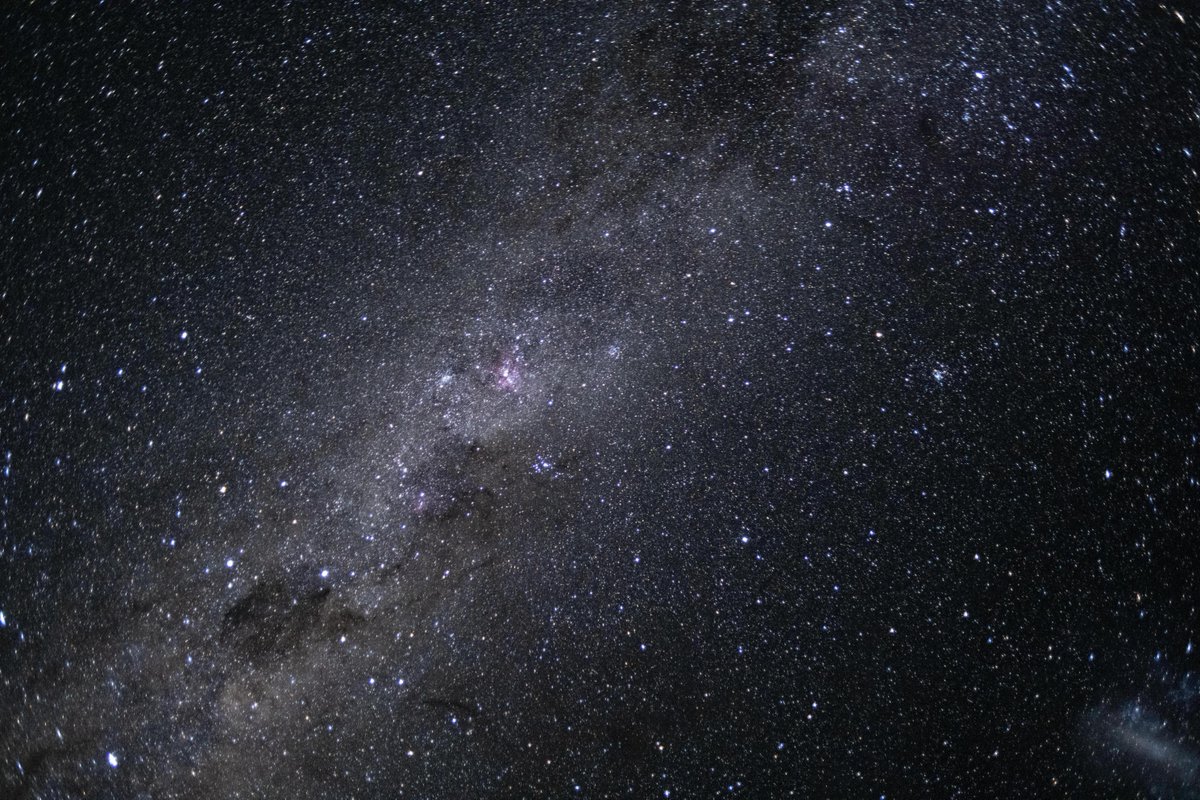
Following a successful lunar flyby, the Artemis II astronauts captured this breathtaking photo of our galaxy, the Milky Way, on April 7, 2026.
New record🥇
The Artemis II astronauts are now farther from Earth than humans have ever been! At 1:57 p.m. EDT, they broke the record set by Apollo 13 in 1970.
Their journey around the far side of the Moon today will take them a maximum distance of 252,752 miles from Earth.