The pitch to early Mars colonists, Musk has said, will be the Shackleton pitch, after the famous recruitment ad placed for the 1914 Trans-Antarctic Expedition: “Men Wanted for Hazardous Journey. Small wages, bitter cold, long months of complete darkness, constant danger, safe return doubtful. Honour and recognition in case of success.” The ad is almost certainly apocryphal, but the story has been retold for a hundred years because it captures something true about those who choose to go.
*Chefs kiss*
@sinclairdta Nice read, attention drought is actually curiosity drought. I read books that i was curious about, and that helped me find more books. Its the easiest way to get into the habit of reading
Tech sparks the revolution, but politics, regulation and culture decides how this gets adopted by society. Without the ecosystem for tech, there won't be more innovation. Cars, Aeroplanes, nuclear tech are all examples. There is a reason the US has more technological development compared to north korea.
Mark Zuckerberg wanted to cure, prevent, and manage all diseases by the end of the century.
He and Priscilla then had a series of meetings where Nobel Prize-winning scientists laughed at them.
Now Zuckerberg says, "I thought that by the end of the century was a stretch. Now I think it's too conservative."
Full episode linked in replies.
Reading is the cheat code in life. Charlie munger and Warren buffet also had a crazy reading diet:
"In my whole life, I have known no wise people (over a broad subject matter area) who didn’t read all the time—none, zero. You’d be amazed at how much Warren reads—and at how much I read." - Charlie Munger
"Read 500 pages like this every day,” while reaching toward a stack of manuals and papers. “That’s how knowledge works. It builds up, like compound interest. All of you can do it, but I guarantee not many of you will do it"- Warren buffet
-30 pages a day
-7 days a week
-that's ~50 books a year
If you read mostly non-fiction or classics you'll be one of the most well-informed people anywhere you go on a large number of topics.
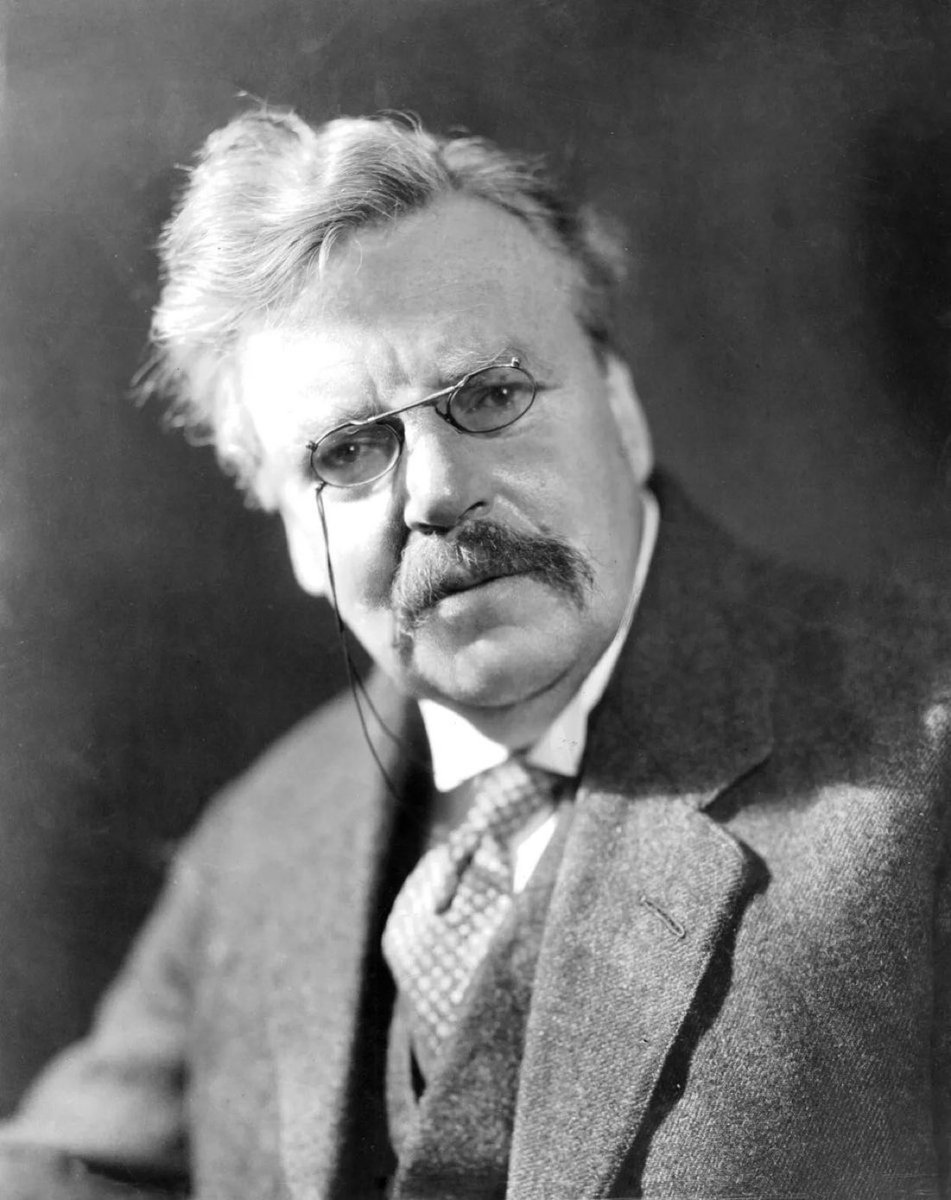
“A man who has read a thousand books is armed for life; a man who has read none is easy prey. The man who has read a thousand books has lived a thousand lives. He has seen cities he has never visited, spoken to men who died centuries ago, and walked in worlds that no longer exist. Reading does not merely inform him; it enlarges him. It stretches the boundaries of his own experience until he becomes something more than himself.”
-G. K. Chesterton
But borders alone were not enough. The great powers also created a shared system of rules and dialogue. Congresses settled disputes instead of on battlefields. Despite its defeat, the Concert of Europe brought France back into the European order. Isolating a major power only breeds resentment and revenge. The architects gave every great power enough security and territory to choose peace over risky expansion.
The system worked for a century before Europe collapsed into the First World War. It was the first real experiment in great power management; the grandfather of the League of Nations and the modern United Nations.
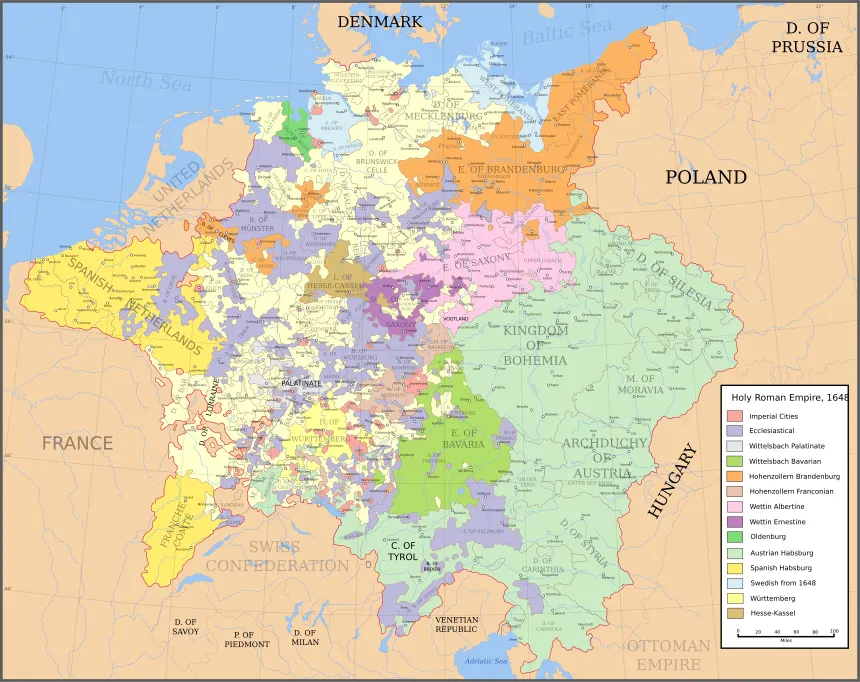
The breakup of the Habsburg Empire in 1648 left behind 300 tiny states in Central Europe. Too weak to defend themselves, they became easy prey for stronger powers. For 200 years, Central Europe became a hotbed for conquest and war. That cycle ended after the Napoleonic Wars. The leaders who rebuilt Europe swore to create a more stable order. The result was a system of borders and a new international order. 🧵
The great masses included:
- German Confederation — 39 states under Austrian leadership that replaced the patchwork of mini-states.
- The United Kingdom of the Netherlands — the Dutch Republic merged with Belgium to create a strong buffer against France.
- Neutral Switzerland — granted perpetual neutrality and expanded along the French frontier.
- A strengthened Kingdom of Sardinia-Piedmont in northern Italy.
- Prussia gained the Rhineland and Westphalia, creating a western bulwark against France.
- Austria received Lombardy-Venetia and other territorial compensations.