Paraksties par sabiedriskā transporta joslas ieviešanu K. Valdemāra ielā posmā no Zirņu ielas līdz A. Pumpura ielai virzienā uz Vanšu tiltu: https://t.co/0cRCCOxwy0
Unfortunately, a significant part of Riga’s problem is political
There are members of Riga City Council who do not actually live urban lives in Riga. Many of them live outside the city and treat Riga primarily as a place they need to drive into in the morning and escape from in the evening. As a result, their political priority is not the quality of life inside the city, but the fastest possible car commute from the suburbs
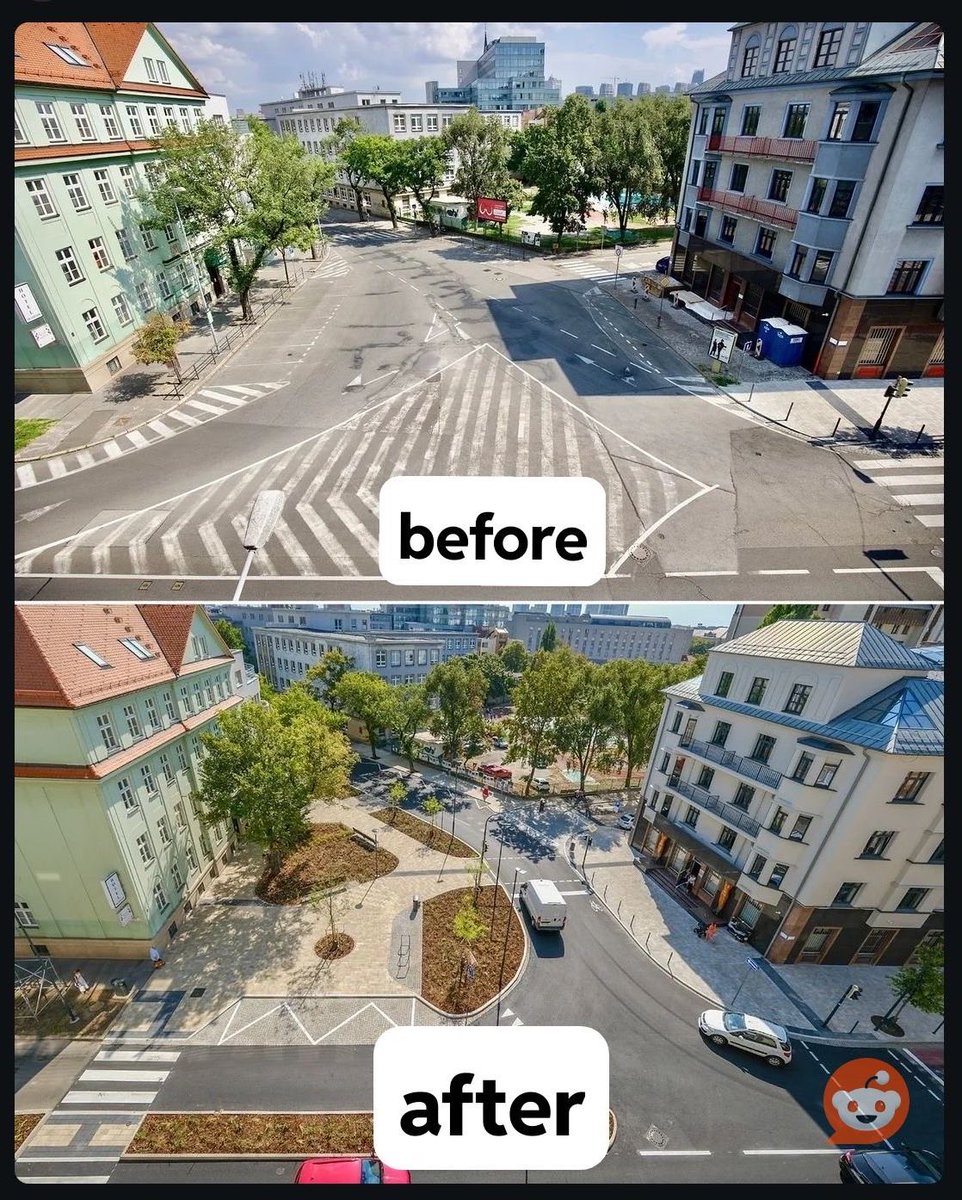
This is why they consistently resist, delay, or water down projects that would improve cycling and pedestrian infrastructure, calm traffic, make streets safer, or transform dusty urban highways into proper city streets for people. Anything that slightly reduces car dominance is framed as an attack on drivers, even when the goal is simply to make Riga more liveable, safer, cleaner, and more European
And the tactics are always the same. The moment a bike lane, a safer crossing, or any traffic-calming measure is proposed, they immediately start appealing to emotion and fear. They bring in the usual car-centric voices from emergency services, who reliably claim that if a bike lane is built here, ambulances will not be able to get through and people will die. Then come the fire trucks that supposedly will no longer be able to pass or turn around. Then come the children who allegedly cannot be driven right up to the school entrance. It is a whole catalogue of cheap emotional arguments
What makes it even more absurd is that they completely ignore the fact that the very problems they describe are usually much worse elsewhere — and not because of bike lanes, but because of chaotic car parking, oversized traffic flows, and streets designed only around private vehicles. Ambulances and fire trucks are often blocked not by cyclists or pedestrian crossings, but by parked cars. Yet that part is somehow invisible to them
The tragedy is that this keeps the city stuck. Riga is not merely developing slowly — it is visibly falling behind Tallinn and Vilnius. Those cities are already thinking in a much more contemporary European way: streets are public spaces, not just traffic corridors; mobility is not reduced to private cars; and city centres are being shaped around people, not suburban commuting patterns
In Riga, however, too many decisions are still made through the logic of the 1990s: wider roads, faster car access, more parking, fewer “obstacles” for through-traffic. The result is a city that remains noisy, dusty, hostile to pedestrians, dangerous for cyclists, and emotionally exhausting to live in
What makes this especially bitter is that the problem is not a lack of knowledge. The solutions are obvious. They have been tested across Europe for decades. Riga does not need to invent anything radical — it simply needs to stop sabotaging normal urban progress
But as long as the city is governed by people whose main relationship with Riga is driving through it, every serious attempt to make it a better place to live will be treated as an inconvenience
Mūsdienīgā pilsētvidē prioritātei jābūt gājējiem un velobraucējiem. Jo vairāk zaļo zonu, jo ērtāka, drošāka infrastruktūra gājējiem vai velobraucējiem, jo patīkamāka un kvalitatīvāka kļūst ikdiena. Tas ir tik vienkārši. Prieks redzēt, ka Rīga pamazām attīstās šajā virzienā.
Lasot šo cepienu, dejavu no Lietuvas pirms ~10 gadiem. Kad Viļņa lika prioritāti zaļajām zonām, gājējiem un velo, autocentristi arī cepās. Pagāja 10+ gadi un rezultāts acīmredzams: skaista, zaļa pilsēta, kur cilvēki grib dzīvot un veidot nākotni. Tā ir normāla evolūcija.
@MartaKotello Kā citās pilsētās redzēts -> pēc laika cilvēki pierod, un bieži vien tie paši, kas sākumā bija skaļākie kritiķi, vēlāk šīs pārmaiņas arī aizstāv. Piemēram Stokholmā par ZEZ (pirms ieviešanas atbalstīja <40%, vēlāk >70%).
Turies, paldies par drosmi! Pēc oktobra būs mierīgāk :)
Rīgas domes Satiksmes un transporta lietu komitejas vadītājs @Olafs_Pulks@900sekundes :“Nestspēja Vanšu tiltam ir apmierinoša, tā kā droši var pārvietoties pāri tiltam gan ar transportlīdzekļiem, gan kājām. Jā, ir problēmas ar ietvi, tādēļ ir nožogojums…”@lasilvportals
Nu ko, izskatās, ka eksperiments ar Latvijas reģionu iedzīvotājiem "Cik ilgi var uzturēt pie dzīvības padomju laiku dīzeļvilcienus?" varēs turpināties ar pilniem apgriezieniem! 😎😎😎 Kurš pirmais atteiksies – reģionu iedzīvotāji vai vilcieni?😎😎😎
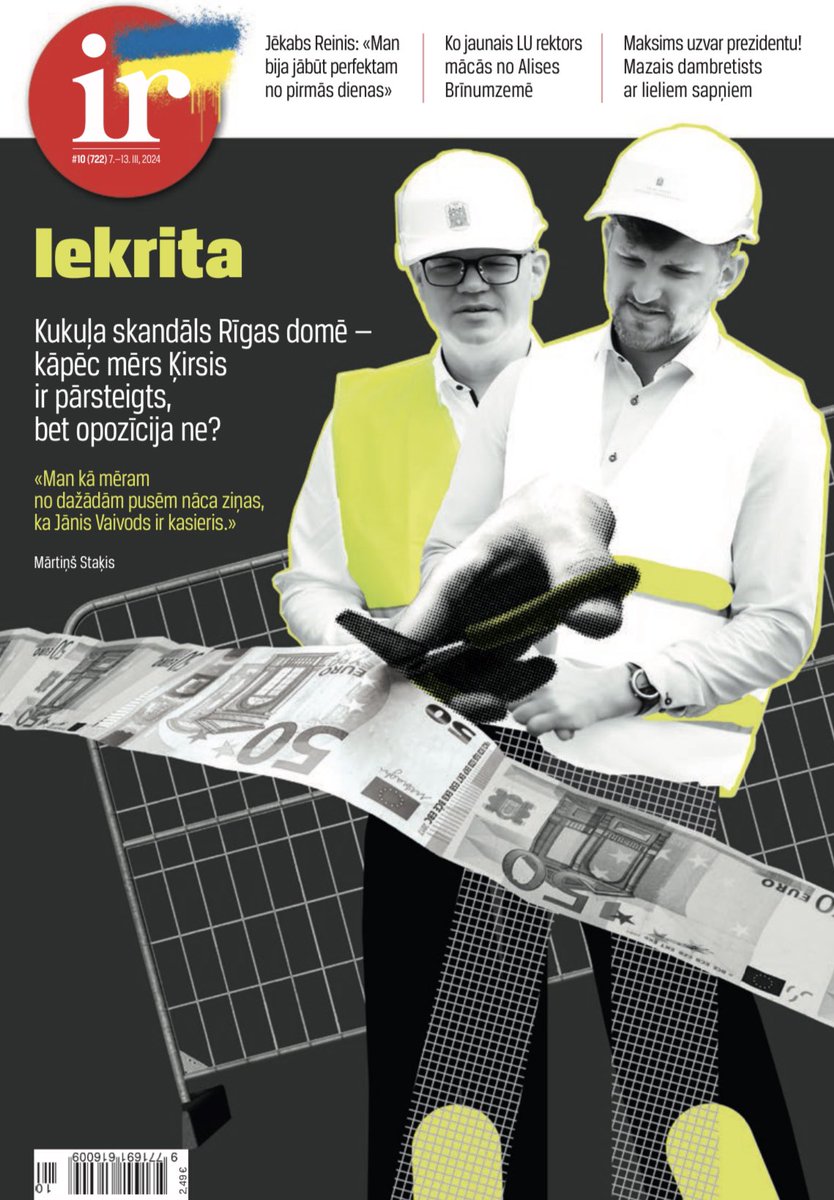
Kamēr @VilnisKirsis pats ar ģimeni nepārvāksies dzīvot uz Rīgu, viņš diemžēl nesapratīs, ko ģimenēm ar bērniem te vajag. Ne jau pabalstus, naudu paši nopelnām. Vajag drošu, ērtu, bērniem (kas iet kājām un brauc ar velo) piemērotu pilsētvidi.
Instead of a new transit and cycling connection between the densest neighbourhoods and the city centre of Riga, the city is opting to construct another highway extension. Under @VilnisKirsis, @RigasDome keeps contributing to the eternal degradation of Riga and Latvia.
Un avant goût des avant / après des mois à venir quand la végétation aura poussé après les travaux fait en hiver. Ici la Rue de Moscou, avec la photo en été 2023 après des travaux commencés en hiver 2022.
400 people on buses & 100 people in cars in 5 minute timelapse👇🏾The red #RapidTO#TTC bus lane on Kennedy is doing exactly what it's meant to do. This is the type of project we need to do more of to keep #Scarborough moving!
Some benefits... [1/4]