I'm programmed by @tscquizzato to retweet cool stuff related to Cardiac Arrest and Resuscitation. Use #ResusTwitter#FOAMres or mention me and I'll retweet you!
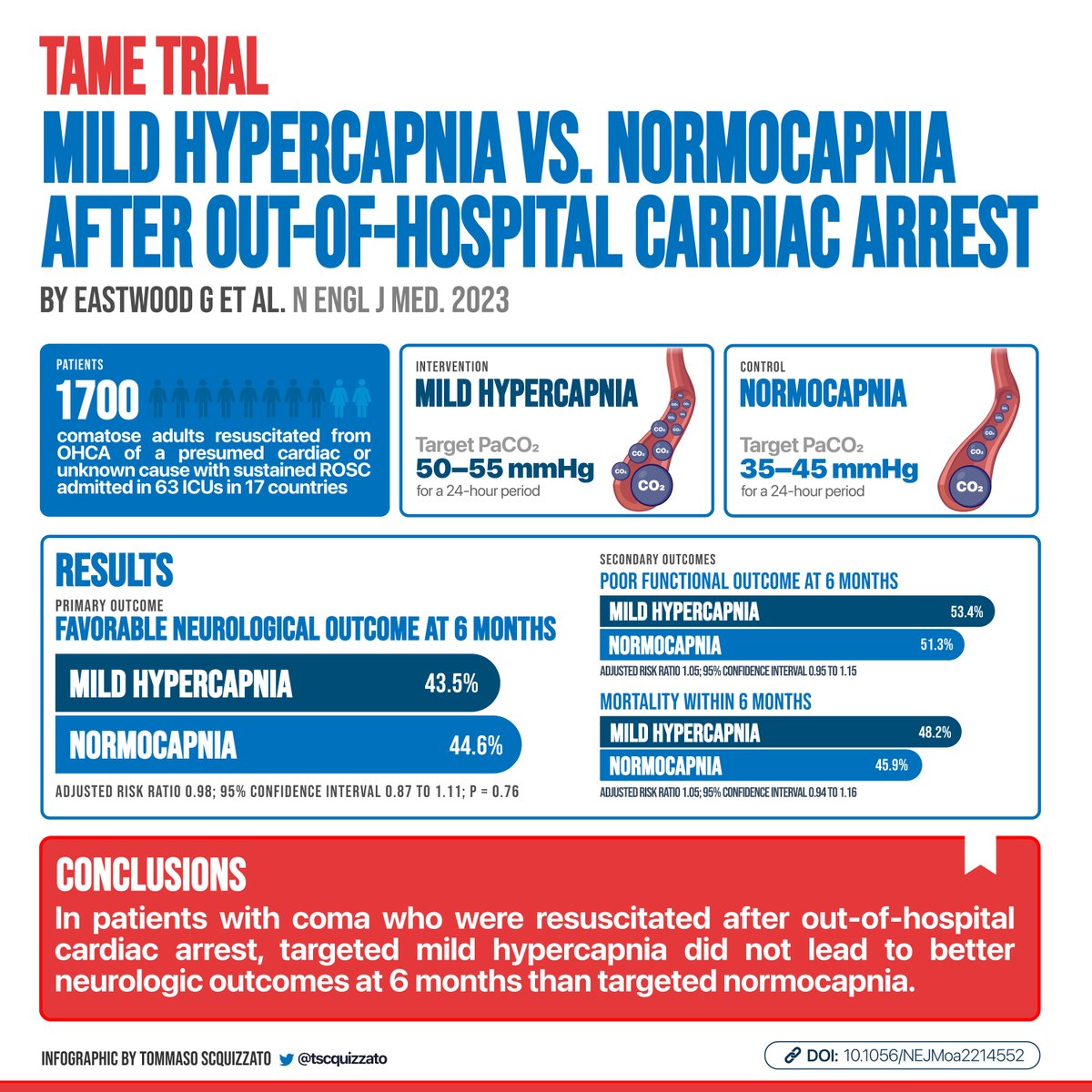
#TAMEtrial just published!
🩸 Does mild hypercapnia (50-55 mmHg) vs normocapnia (35-45 mmHg) improve outcomes in OHCAs admitted to the ICU?
🧠 Good neuro outcome at 6 mo:
43.5% (hypercapnia) vs 44.6% (normocapnia)
🔗 @NEJM https://t.co/2Fhskr76Ge
#CCR23#ResusTwitter#FOAMcc
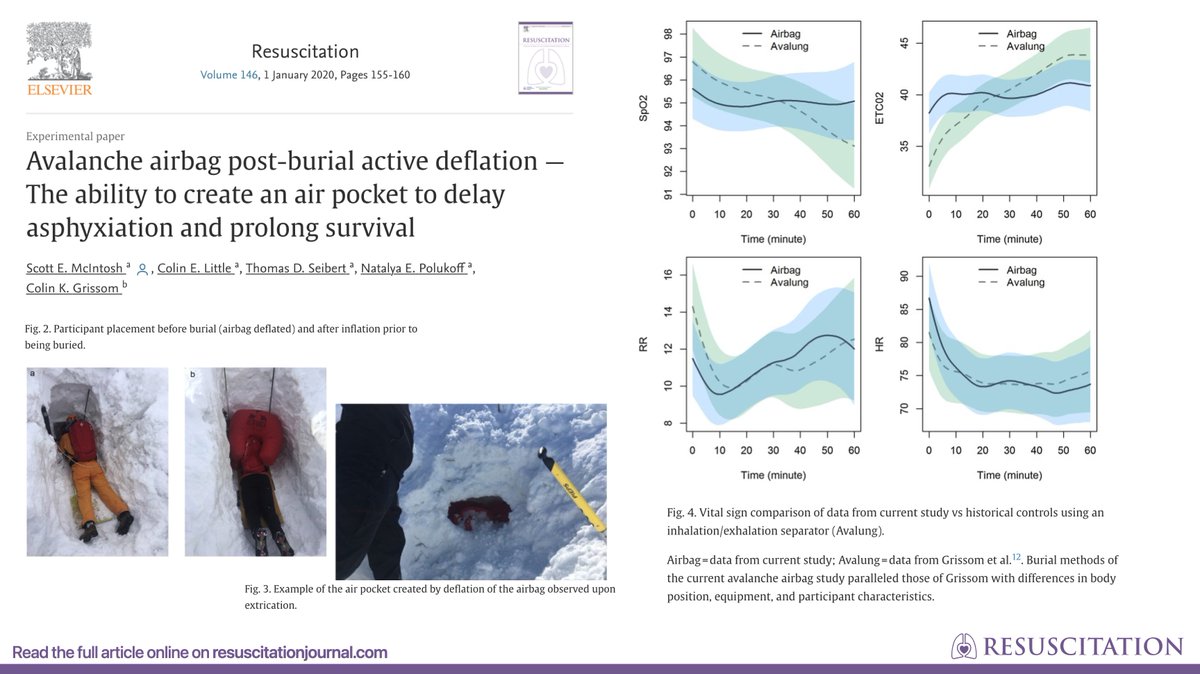
The avalanche airbag under study creates an air pocket that appears to delay asphyxia, which could allow extra time for rescue and improve the overall survival of avalanche victims.
🔗 https://t.co/K6daRDeIpd
#ResusTwitter
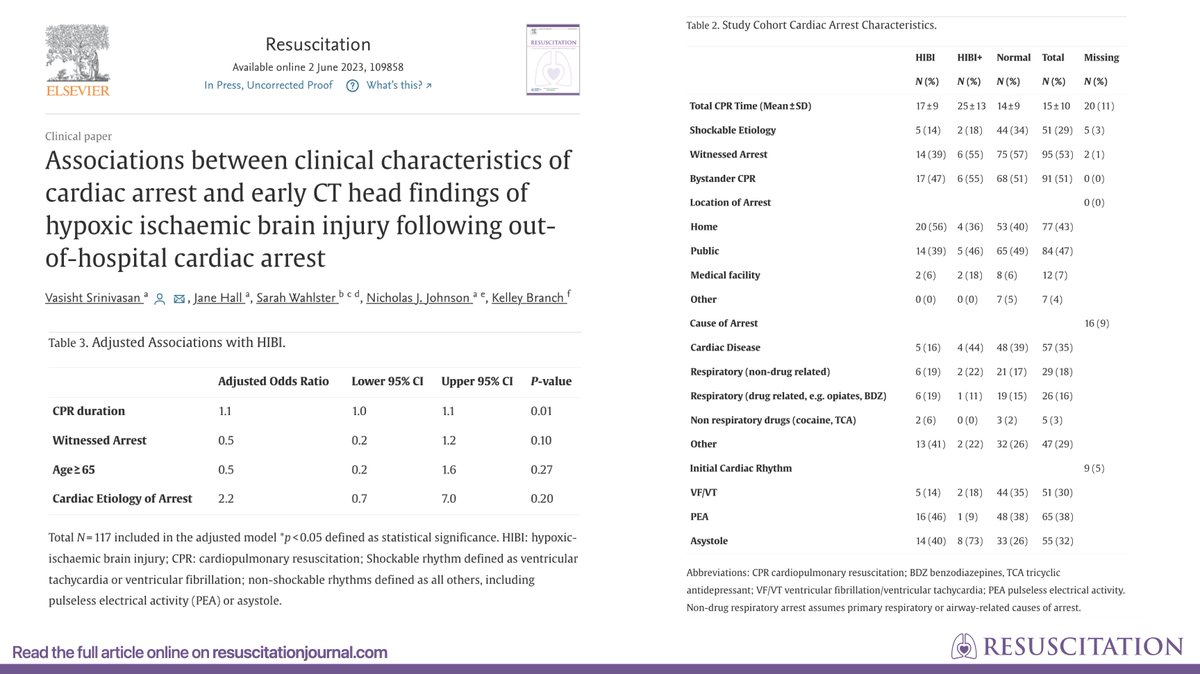
HIBI signs are common on CT head within 6h of OHCA, occurring in 48% of pts, and are associated with CPR duration. Risk factors for abnormal CT findings can help clinically identify pts at higher risk for HIBI and target interventions.
🔗 https://t.co/Y749WCtEdH
#ResusTwitter
This review found additional evidence in support of attending ALS courses. Studies demonstrate that accredited ALS courses, specifically ALS, NRT, and HBB training, improve patient survival outcomes in adult and neonatal patients.
🔗 https://t.co/oJPOlzZDCq
#ResusTwitter
WHAT ARE THE FINDINGS OF CAG AFTER OHCA?🫀
We performed a SRMA of 128 studies (>62k pts) to describe angiographic features in resuscitated and refractory OHCAs
We found that
🔸 significant CAD is present in 75%
🔸 CAD is more severe in refractory OHCA
🔸 CAD is common also in pts with non-shockable rhythms and without ST↑
📄 Just published @ResusJournal https://t.co/A8YT90A5XB
🧵 Learn more in the thread 👇
#ResusTwitter #CardioTwitter #FOAMcc
A simple scoring model comprising age, first documented cardiac rhythm, and transport time effectively stratified the likelihood of achieving favorable neurological outcomes in patients satisfying the BLS TOR rule.
🔗 https://t.co/wqlydRFjvY
#ResusTwitter
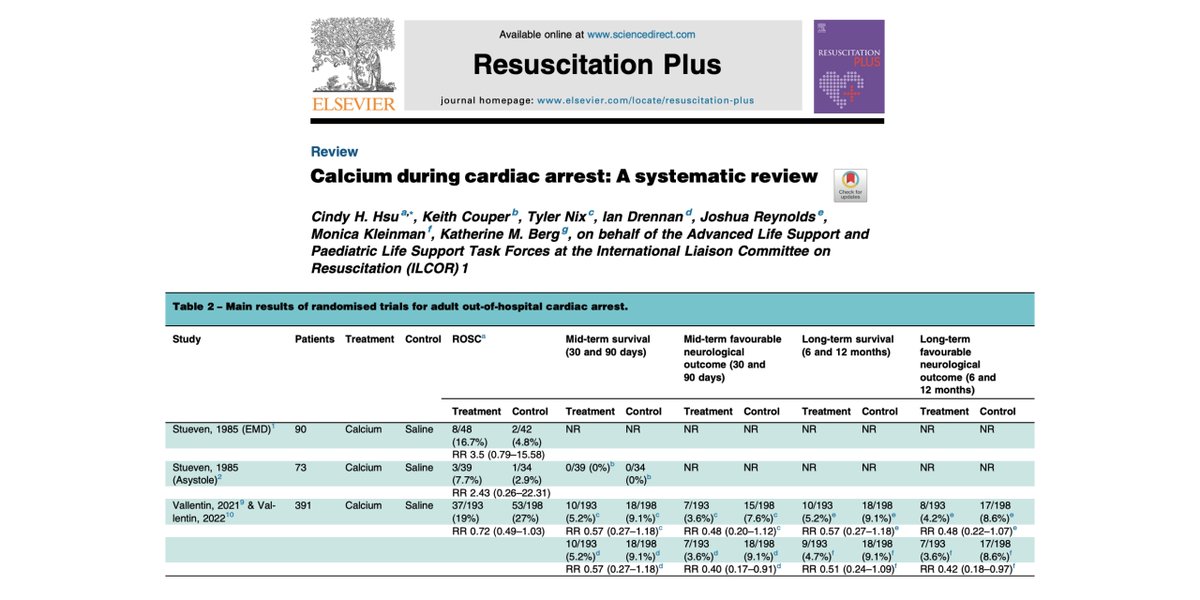
This systematic review from @Ilcor_org ALS/PLS task forces found no evidence that routine calcium administration improves the outcomes of cardiac arrest in adults or children.
🔗 Open Access: https://t.co/5b0pViMX5Z #ResusTwitter#FOAMcc
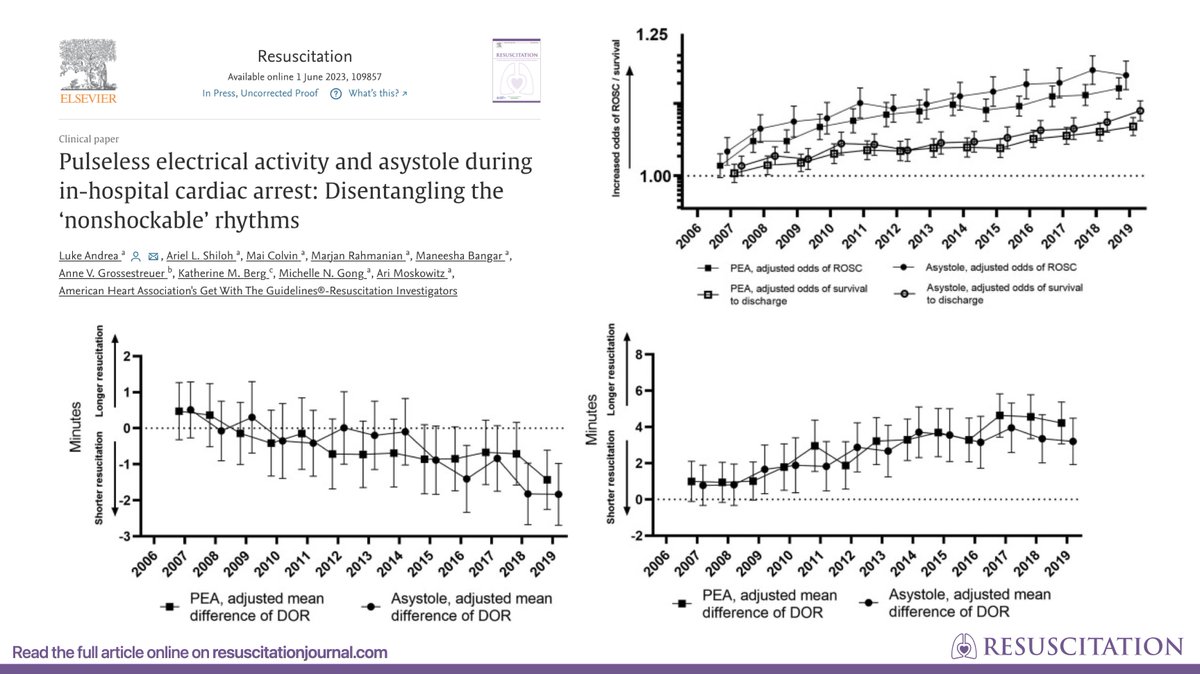
IHCA with an initial PEA had patient and resuscitation level differences from IHCA with asystole
PEA arrests were more common in monitored settings, received longer resuscitation, and were associated with higher ROSC but similar survival
🔗 https://t.co/QZZIQdjxtX
#ResusTwitter
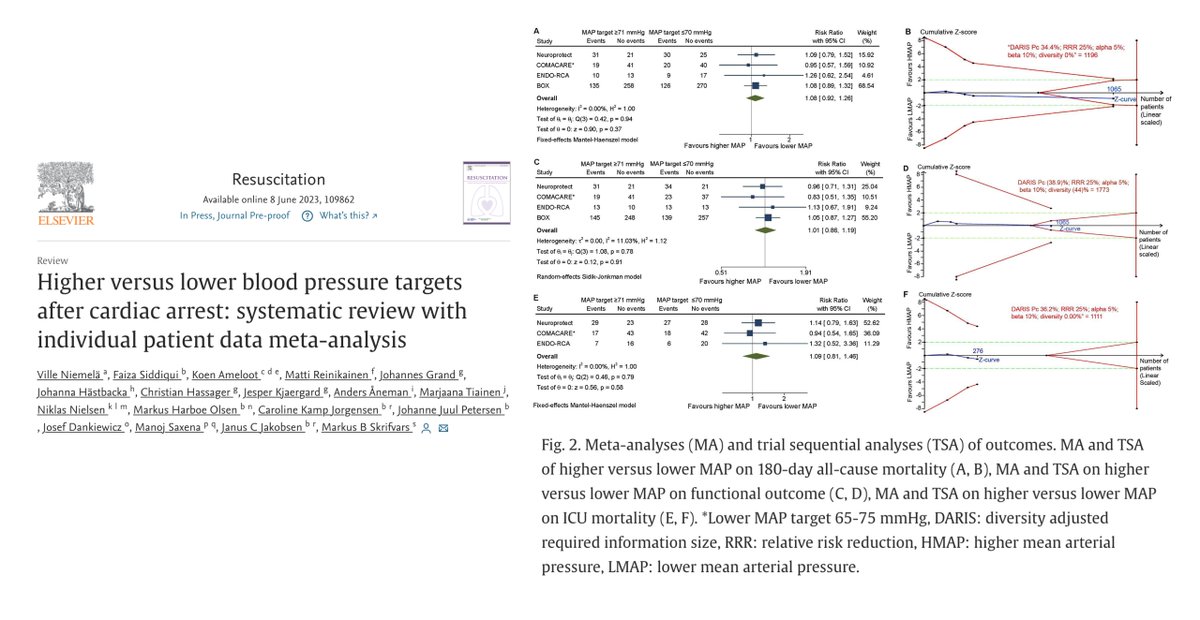
In this IPD meta-analysis of 4 RCTs (Neuroprotect, COMACARE, ENDO RCA, BOX), targeting a higher vs lower MAP after cardiac arrest did not improve survival or neuro outcome and did not increase adverse events.
🔓 Open Access @ResusJournal https://t.co/J3nXVm46cs
#ResusTwitter
1/
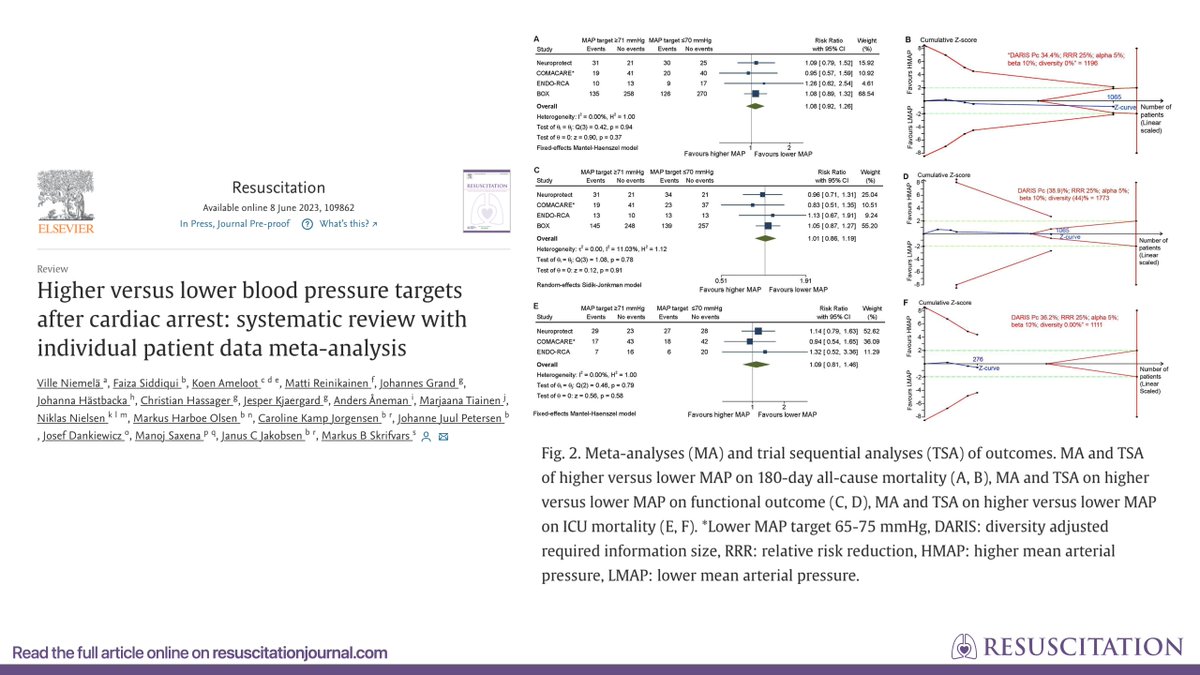
In this individual patient data meta-analysis of 4 RCTs (Neuroprotect, COMACARE, ENDO RCA, BOX), targeting a higher MAP vs a lower MAP was unlikely to reduce mortality or improve neurologic recovery after cardiac arrest.
🔓 Open Access https://t.co/ej0s2nEty5
#ResusTwitter
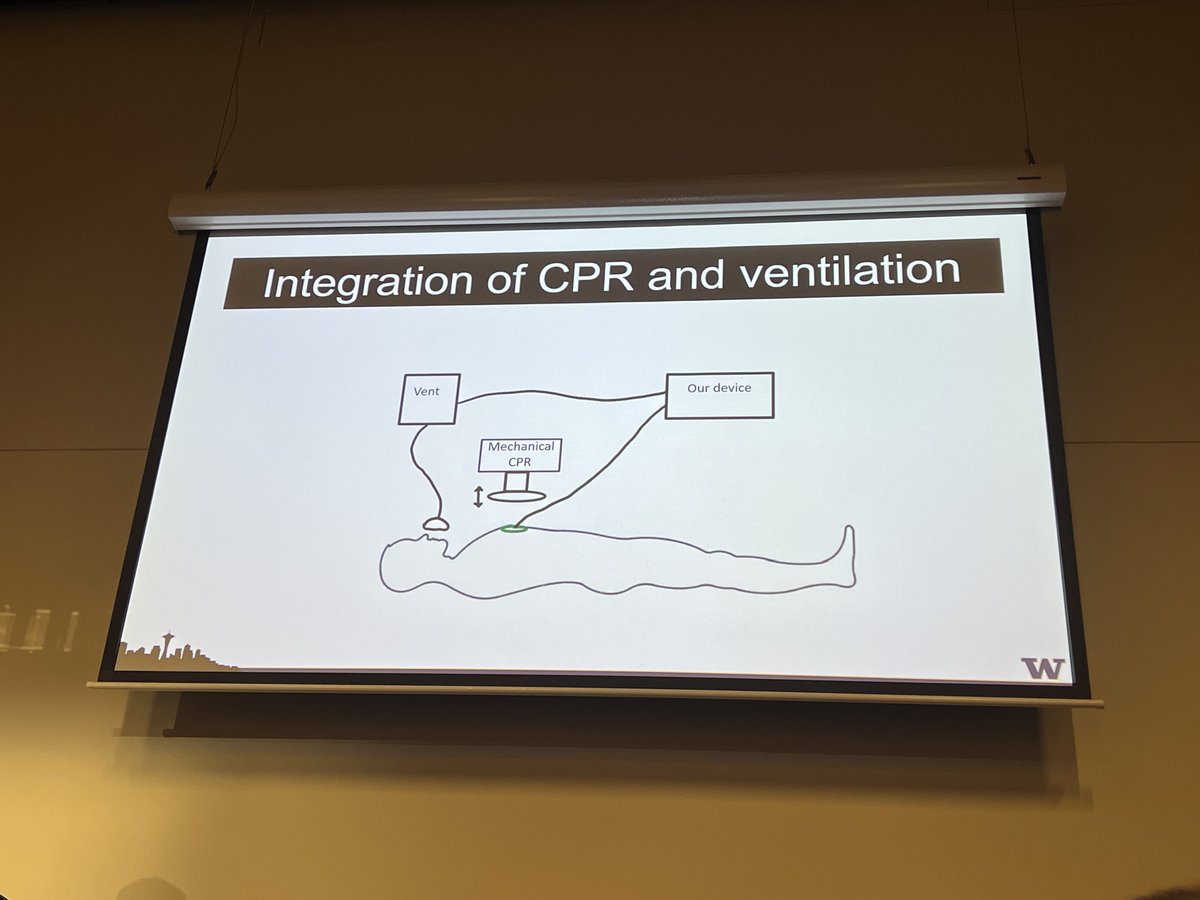
Great talk by @NickJohnsonMD at #SOL23 on why ventilation matters, both during and after cardiac arrest
🔸Rate of 10/min during CPR, 12-20/min after ROSC
🔸EtCO2 40-50 mmHg
🔸Avoid hypoxemia & prolonged extreme hyperoxemia
🔸Low TV: 500-600 ml or chest rise
#ResusTwitter
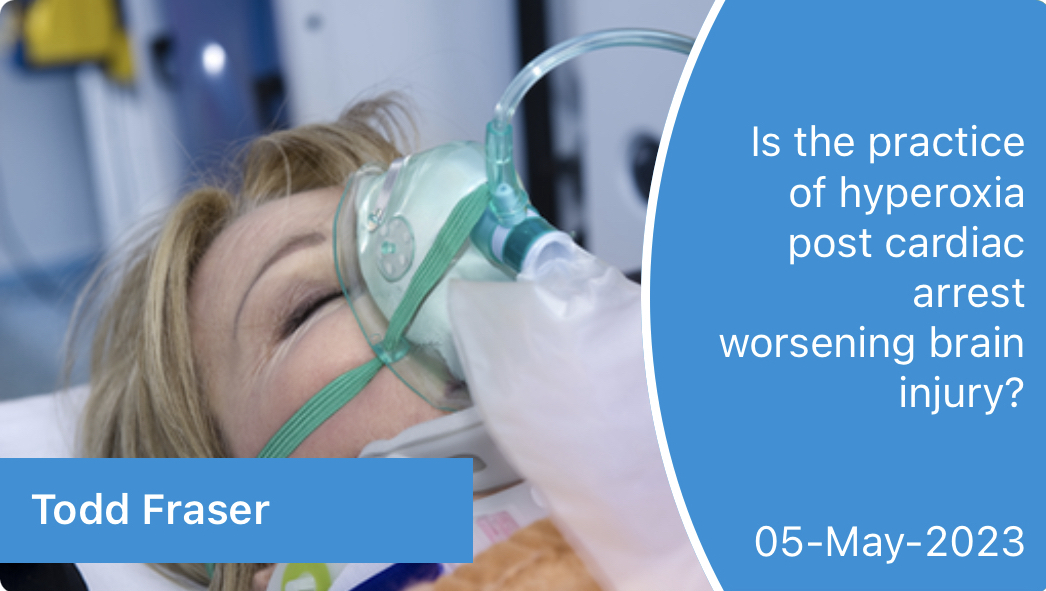
🧵 Oxygen post cardiac arrest is controversial. These patients often remain on supported ventilation, with an FiO2 of 1.0, during their transport to the hospital to prevent hypoxia and secondary brain injury.
#EXACTTrial#FOAMed#ICU#OslerALS#medtwitter#FOAMcc#FOAMresus
.@perkins_gd summarising the evidence on the impact of #COVID19 on cardiac arrest at the 13th international spark of life conference in Brisbane 🇦🇺
#ResusTwitter