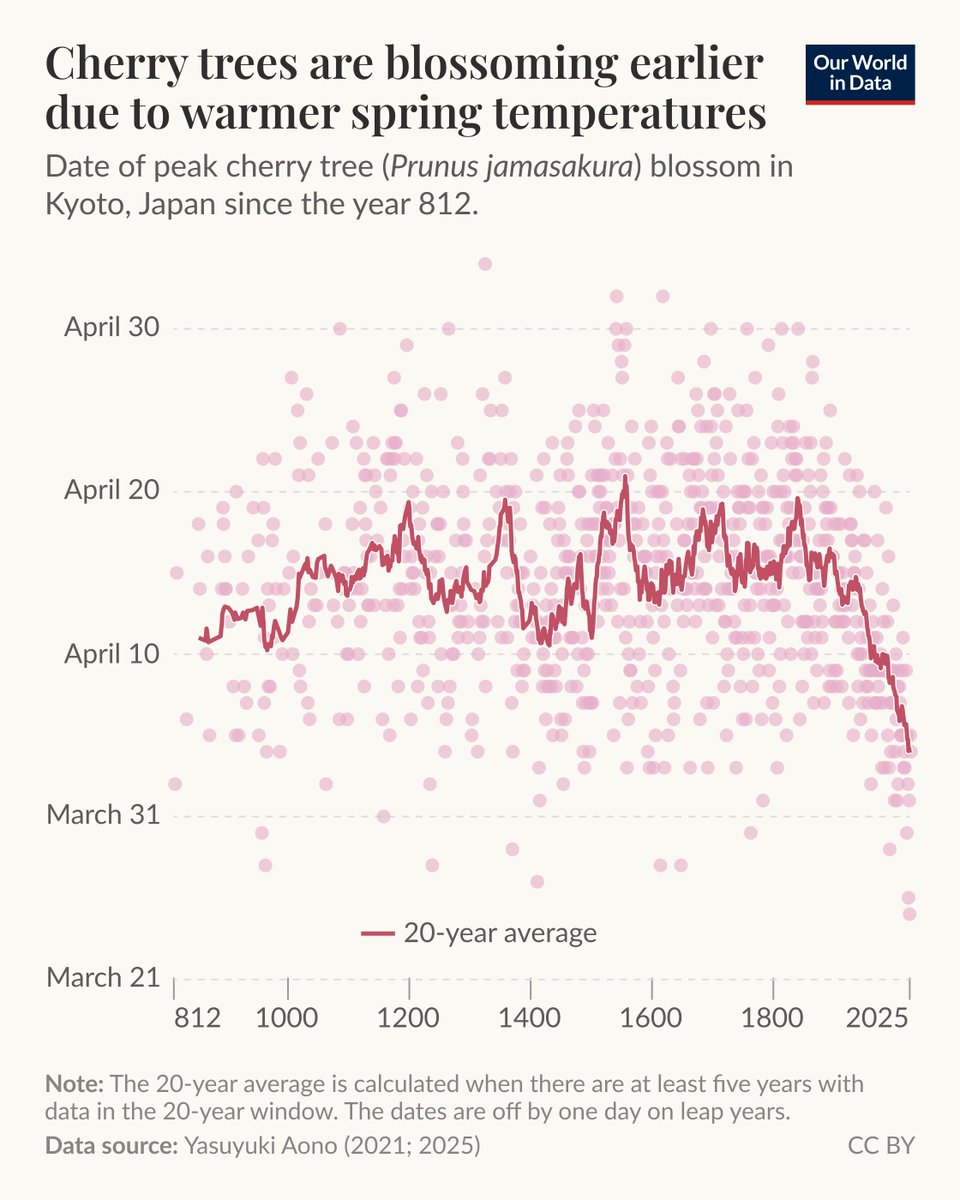
I'm a data scientist @OurWorldinData and I need help from a botanist or someone local to Kyoto, Japan! 🌸
We present one of the world’s longest climate records: 1,200 years of peak cherry blossom dates in Kyoto.
The researcher who maintained it, Professor Yasuyuki Aono, sadly passed away last year.
Australia is sitting on extraordinary resource wealth… but we’ve spent it instead of saving it. In my latest column in The New Daily I argue we missed a once-in-a-generation opportunity to build a Norway-style sovereign wealth fund. The result? More private wealth, but greater national vulnerability in an increasingly volatile world. Here’s why that choice matters more than ever:
https://t.co/fPlCZFaOSL
In form. @tombennett71 is on fire in this piece about how @Alfie_Kohn is impressively wrong about just about everything! Read it and enjoy as I did. Classic
https://t.co/fcbXFGO0uv
New article from E. D. Hirsch and me on (1) the evidence for the importance of knowledge in reading; (2) why it’s taken so long for people to acknowledge the evidence; (3) what we predict if the role of knowledge is taken seriously. https://t.co/JJONYhQCxQ
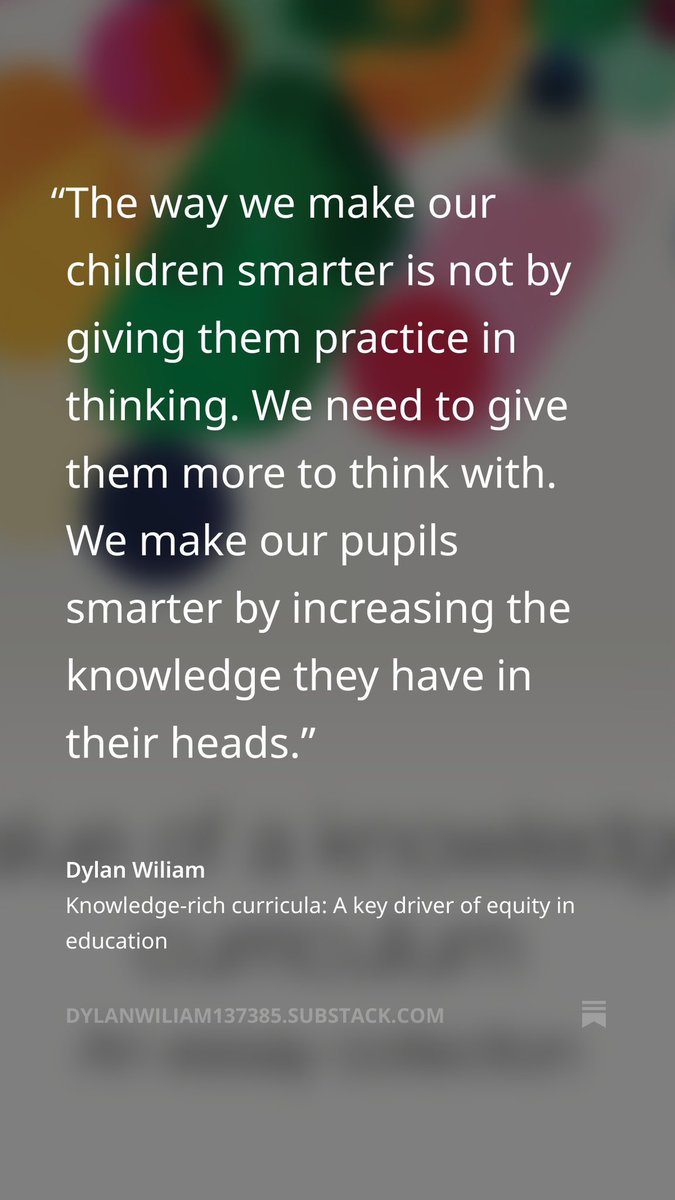
Ability is the consequence not the cause of what children learn” - Graham Nuthall
“Curriculum will largely determine the extern to which children are smart” - Siegfried Engellman
Well said, Barbara. Every school leader should make this article mandatory reading. 👇🏻
The efficacy, or lack thereof, of student-centered learning is the most exhausting argument in education.
If you think about the things you learned from your parents - tying your shoes, riding a bike, cooking an egg, cutting with a knife - how did they do it? This was not child-led inquiry-based learning. You’d never figure it out! And in some cases maybe do real harm to yourself and others.
There’s a logical time to allow students to think freely and explore their own ideas but that’s well after the basics have been mastered through explicit instruction.
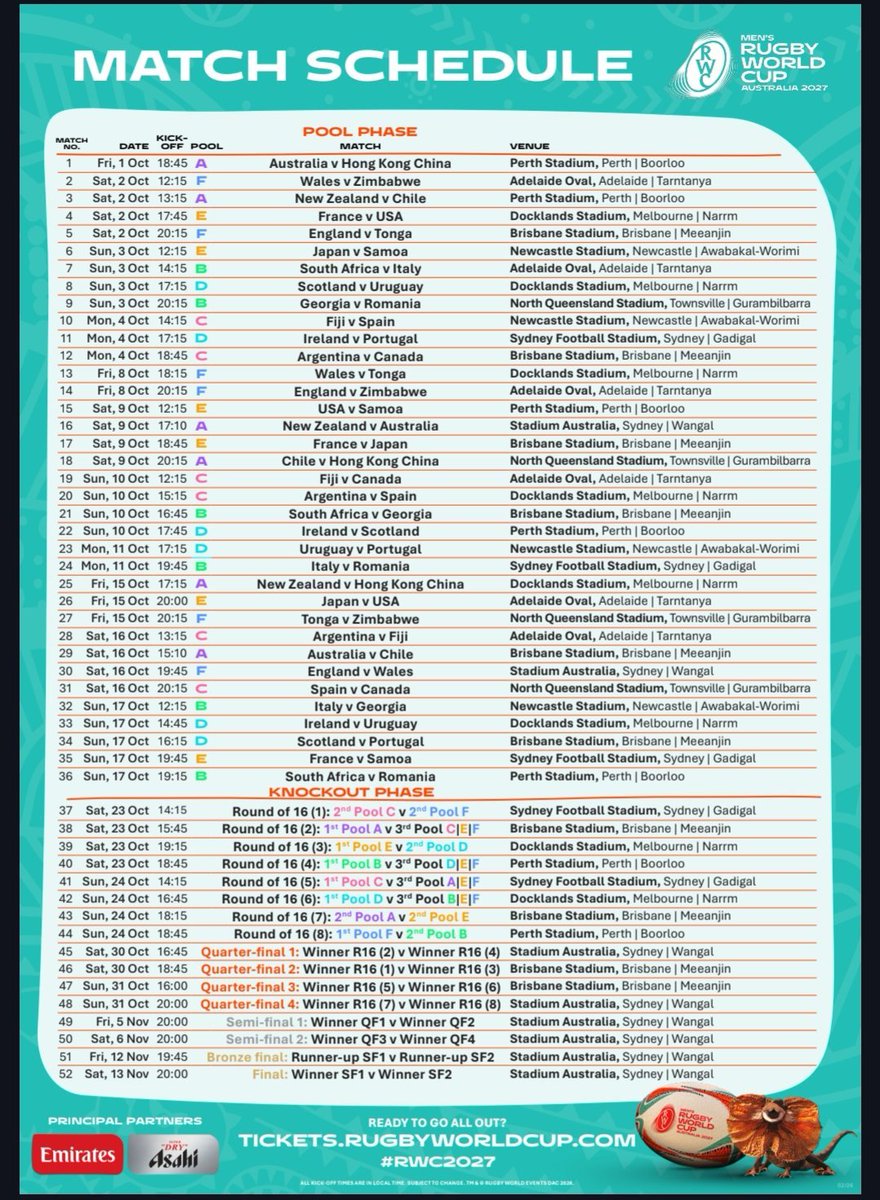
World Rugby has done an AWFUL job of match scheduling RWC 2027.
First of all they have totally wasted the big benefit of 24 team even pool number format which would allow for midweek games but without one side having to play on a 3-4 day turnaround. In a major sporting tournament pool stage having games most days is essential for the tournament's flow and momentum and helps create more a festival feel and vibe.
Instead the vast majority games been all crammed into weekends more so than has been done at any previous RWC. Having a schedule of games most days for the pool stages should have been the aim but there are no Tuesday, Wednesday, or Thursday games at all.
Another consequence of them doing this is now way more games at extremely bad hours for the sport's biggest market in Europe. Italy vs Georgia is 3:15am in Italy and 5:15am in Georgia. Wales vs Zimbabwe is about 03:45am in Wales and 04:45am in Zimbabwe. By comparison only 2 games at the 2003 RWC started before 7am UK time, in 2027 this number will be around 18 matches including even some knockout games. This tournament has been scheduled in a vastly more unfriendly way to European and African fans (that is 50% of the competing nations) wanting to follow as many games as they can and totally unnecessarily so.
Spain's big return to the RWC is scheduled for 4:15am on a Monday. That is just crazy and hardly going to get any casual fans at all to watch. 2 of their 3 pool games are before 6:30am. WR utterly braindead scheduling has severely limited the positive impact this tournament could have had reaching new audiences in a strong potential emerging market for the sport.
Then on to the ordering of games. The first week has just one pool out of the six where the top 2 sides play each other (SA vs Italy). The opening game involves Hong Kong who are likely the weakest side at the tournament. Is this really the best way to kickoff the tournament? Compare that to the opening game of of any other RWC.
@C_Hendrick@matbury In education, we sometimes chase the Purple Haze of novelty: a fog of “engagement strategies,” “21st-century skills,” and promises that students will somehow discover deep understanding if we simply let them roam. But as we’ve seen time and again, Castles Made of Sand—curricula.