Como siempre muy interesante. 👀👀💥
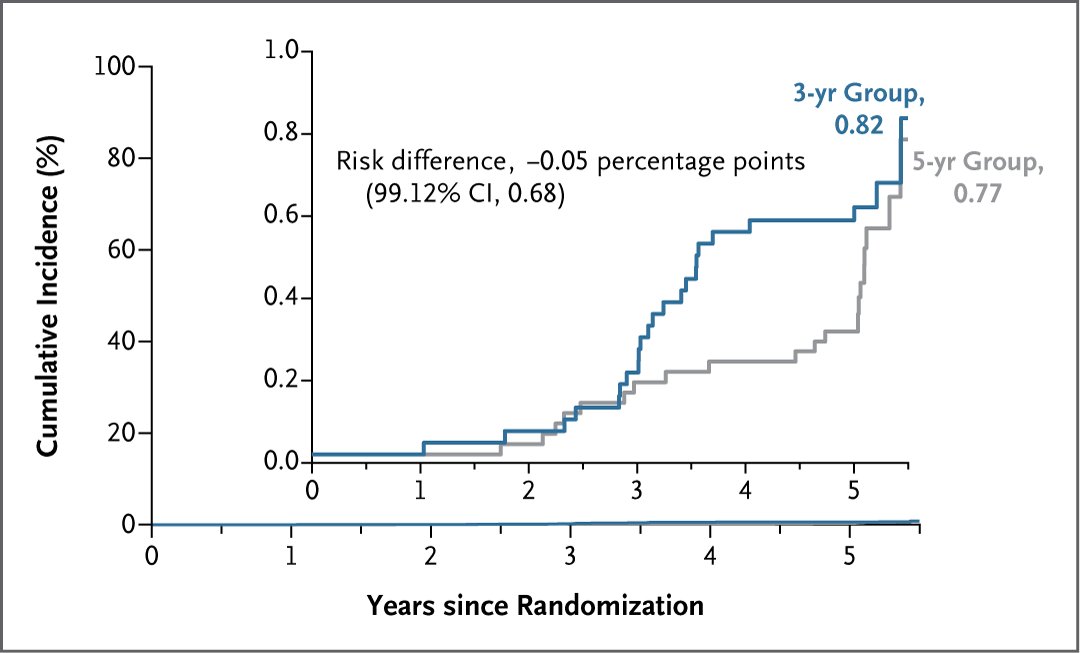
Primary melanoma stage as a predictor of survival in advanced disease: Findings from the Spanish Melanoma Registry GEM1801 - Journal of the American Academy of Dermatology https://t.co/9oF8P9Fayg
This week in medicine
1. Lilly's triple agonist, retatrutide, beats semaglutide in a head-to-head trial in type 2 diabetes.
2. The world's first factor XIa inhibitor is approved, in China. Bayer's oral asundexian reduces the risk of ischaemic stroke -- without an increase in overall bleeding -- as secondary prevention.
3. Japan performs its first post-approval transplant of Sumitomo's iPSC-derived dopamine neuron precursors, for Parkinson's disease.
4. Merck/Moderna's personalized mRNA cancer vaccine gets the first positive phase 3 data for an individualized neoantigen therapy, in melanoma.
5. The first clinical data for circular RNA therapy -- RiboX deliver an RNA encoding aquaporin 1 directly to damaged salivary glands, increasing saliva production.
6. A single dose of AtaiBeckley's psychedelic, intranasal mebufotenin (5-MeO-DMT), reduces symptoms of depression in a phase 2b trial.
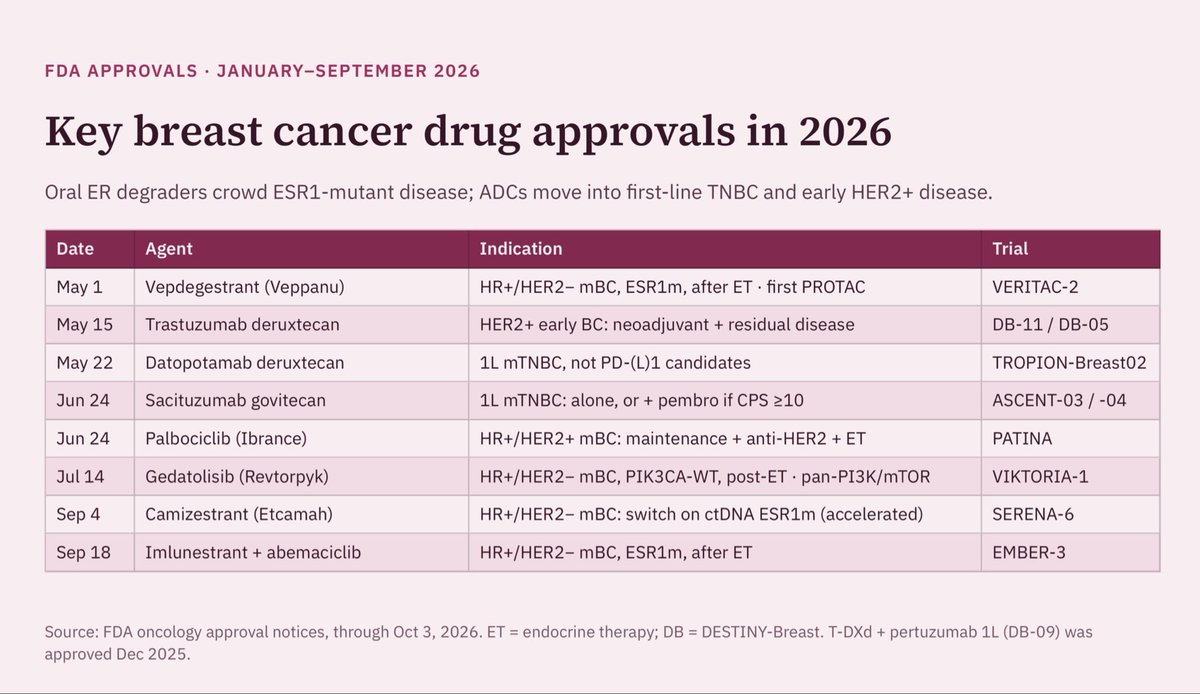
7. Roche's next-gen KRAS G12C inhibitor, divarasib, beats existing KRAS inhibitors in a head-to-head lung cancer trial.
8. Genmab's EGFR×LGR5 bispecific, petosemtamab, halves the risk of death alongside pembrolizumab in first-line recurrent/metastatic head and neck cancer, in a phase 3 trial.
9. FDA approves the first plasmid DNA-based immunotherapy. Inovio's Voceryq, encoding HPV-6/11 antigens and IL12, reduces the need for repeated surgery in respiratory papillomatosis.
10. Amgen's DLL3×CD3 T cell engager, tarlatamab, extends overall survival as first-line maintenance therapy in a phase 3 trial in extensive-stage small-cell lung cancer (combined with a PDL1 inhibitor).
The pipeline of emerging medicines for cancer cachexia.
By my count, there are 20 drugs in clinical trials, with 14 distinct mechanisms -- 9 of them focussed on the GDF15–GFRAL pathway, including two bispecifics (GDF15 × IL-6 and GDF15 × NGF).
There is even a vagus nerve-blocking device, that's now in phase 1!
Por tanto, la pauta de dosis en intervalos extendidos es potencialmente inferior a la administración convencional. Es decir, no se puede confirmar la hipótesis inicial y los pacientes tienen el riesgo de progresar antes y fallecen más rápido cuando no reciben la inmunoterapia en la posología establecida. Menos tóxico, menos eficaz. Red flag 🚩
🩸 En el #DíaMundialdelaTrombosis, @_SEOM y @_SEEO_ destacan la importancia de detectar a tiempo la trombosis para evitar complicaciones en pacientes con cáncer y facilitan dos infografías:
1⃣ ¿Cómo detectar la trombosis de forma precoz?
2⃣ ¿Cómo administrar anticoagulante inyectable de forma correcta?
➕Info: https://t.co/AwhtHMibaW
👀👀 A tener en cuenta.
NRG-BR002: A Randomized Phase II/III Trial of Metastasis-Directed Ablation With First-Line Systemic Therapy for Oligometastatic Breast Cancer | Journal of Clinical Oncology https://t.co/gXTmfadhdp
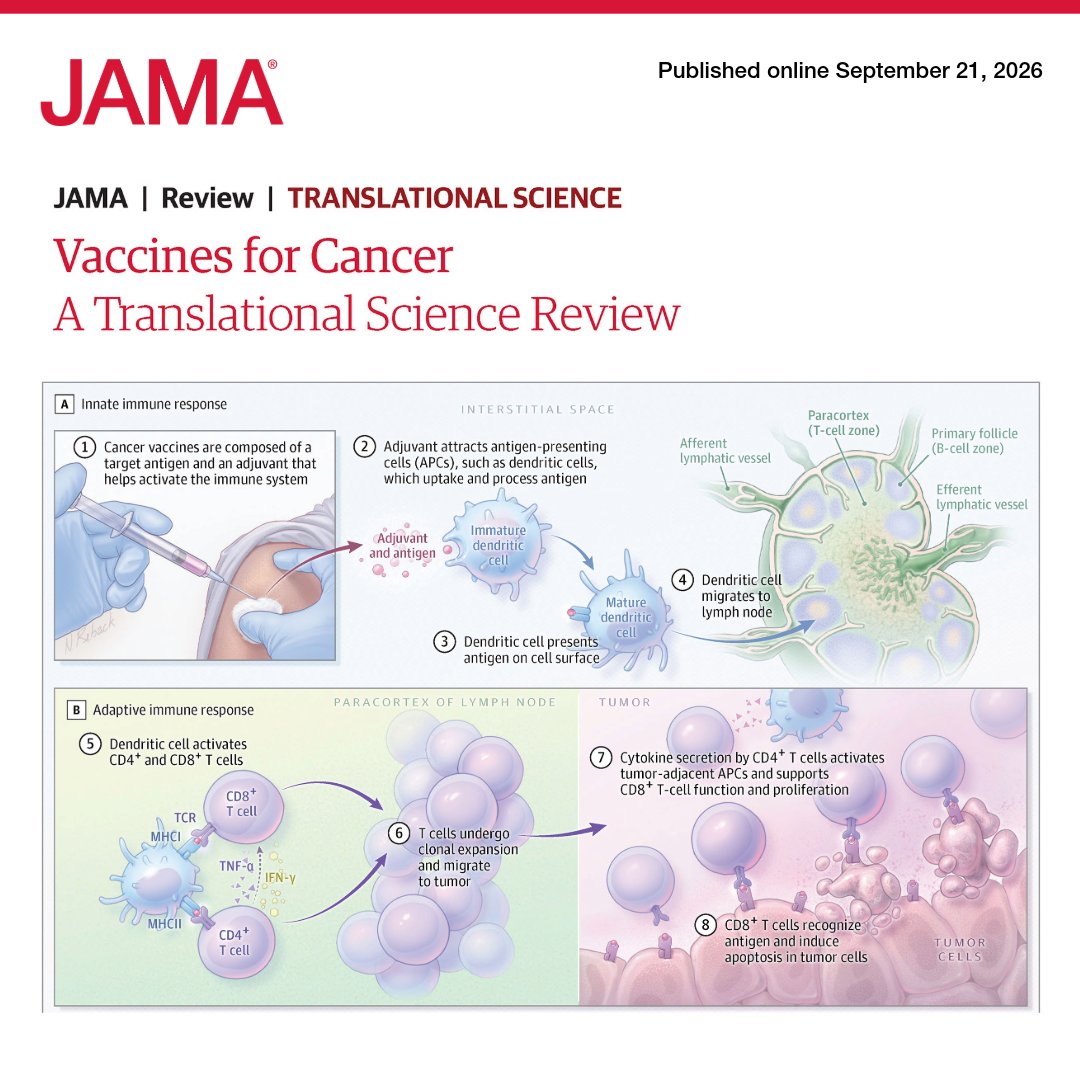
📝 #JAMAReview: #Cancer vaccines are being evaluated for treatment and prevention across multiple malignant neoplasms as advances in tumor immunology, antigen discovery, and vaccine delivery reshape the field.
This Review discusses how vaccines can stimulate adaptive immunity against neoantigens, nonmutated tumor proteins, or tumor-derived antigens, with current approved uses in melanoma, prostate cancer, and bladder cancer.
🔗 https://t.co/f4OJ6Qsyxx
Systemic Therapy in Patients With Metastatic Castration-Resistant Prostate Cancer: ASCO Living Guideline, Version 2026.1.4.
Read the full article. https://t.co/pNWluRmLKQ
#ProstateCancer#pcsm
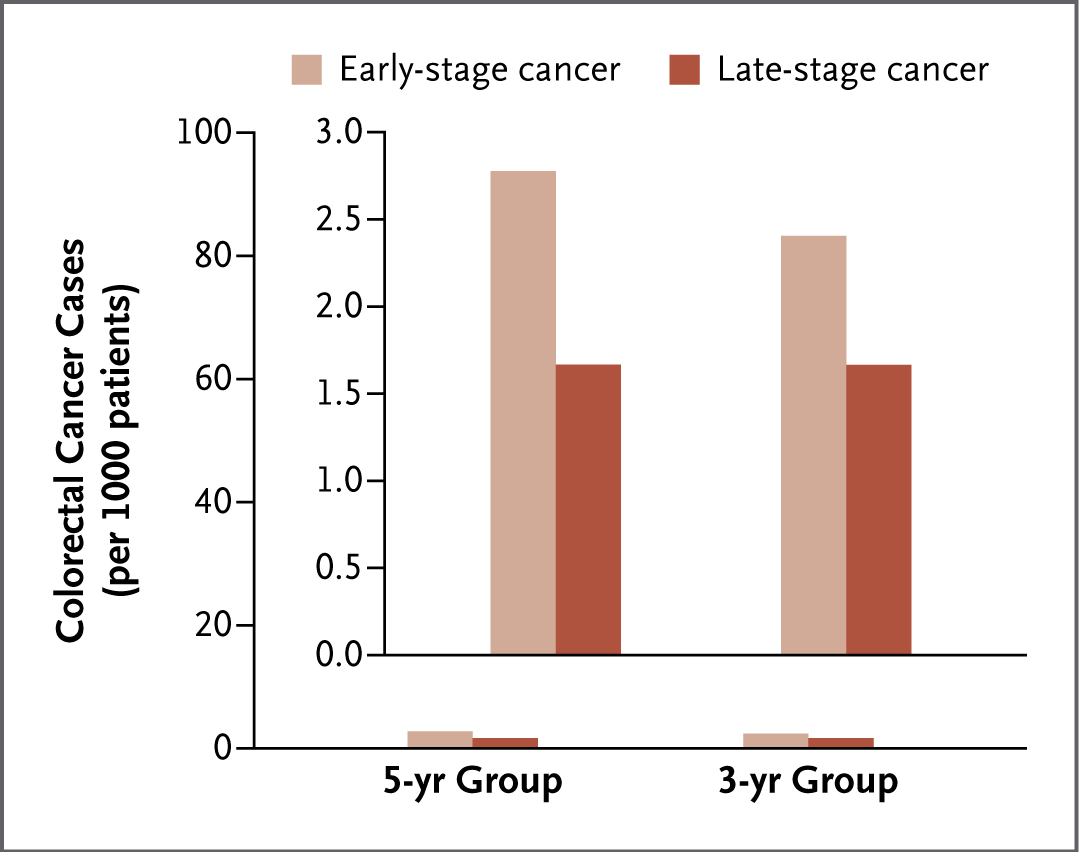
Original Article: Colonoscopy Intervals and Colorectal Cancer Incidence after Adenoma Removal (EPoS II trial) https://t.co/ABnbAOKBZh
Editorial: When More Is Not Better — Colonoscopy Surveillance after High-Risk Adenomas https://t.co/B2jICCLBuv
Correspondence: Colorectal Cancer Risk among Patients with Serrated Polyps (EPoS III trial) https://t.co/hENNrFoHVI
#Oncology #Gastroenterology
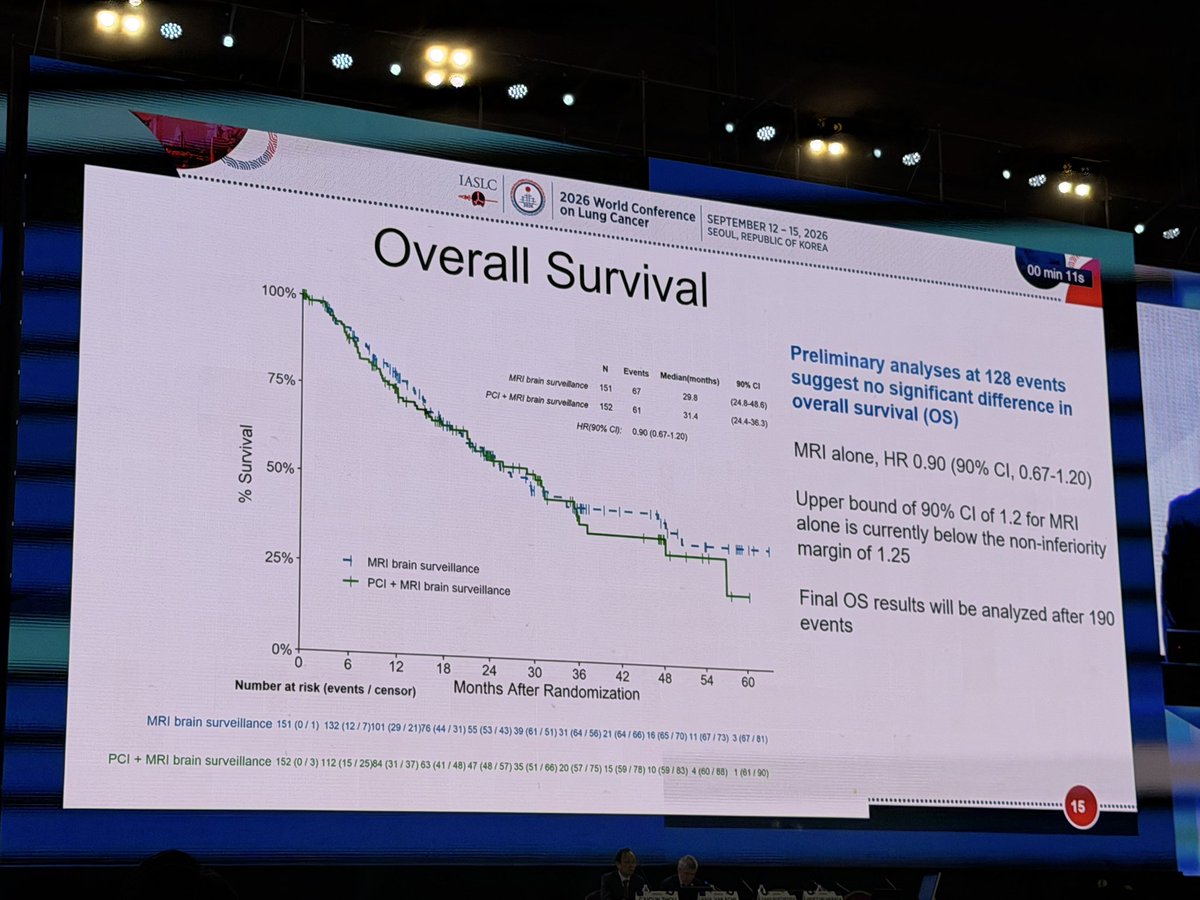
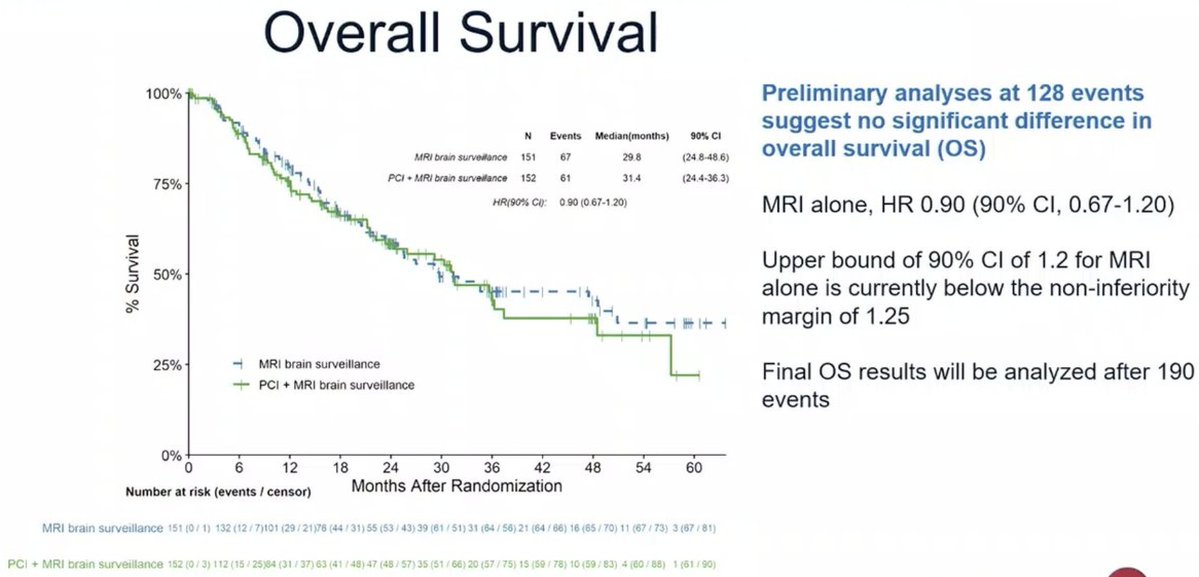
Landmark, practice changing study at #WCLC26. The phase III MAVERICK study shows no improvement in OS with PCI for SCLC, across limited and extensive stages, with worse cognitive failure free survival and increased toxicity in PCI arm.
The end of the PCI era.
#WCLC26 | SWOG S1827/MAVERICK
🧠 Ph3: MRI surveillance vs PCI + MRI after 1L therapy in LS/ES-SCLC (n=303)
📌 Primary endpoint amended from OS → cognitive failure-free survival (CFFS) due to accrual
📉 CFFS favored MRI alone: HR 0.60 (90% CI 0.46–0.78)
• 6-mo: 38% vs 17%
• 12-mo: 17% vs 6%
🧠 PCI ↓ brain mets: 12-mo 15% vs 30% (sHR 2.19)
📊 No PFS difference: HR 0.96
⏳ Preliminary OS similar: HR 0.90 (final OS at 190 events)
⚠️ G3+ TRAEs: 0.8% vs 7.9%
👉 PCI reduced brain metastases but did not improve PFS or preliminary OS, while CFFS and toxicity favored MRI surveillance.
These data support MRI surveillance as the preferred strategy in SCLC.
🔵 Just published in @NEJM: daraxonrasib in previously treated RAS-mut #NSCLC. Phase 1-2, n=136.
➡️ ORR 31% / 34% / 37% across ≤120, 160-220 and 300 mg
➡️ Post hoc subset, no prior docetaxel, 160-220 mg (n=38): ORR 42% | mPFS 8.3 mo | mOS 16.0 mo
➡️ Grade ≥3 TRAE 30% | rash 90%
Flat efficacy across doses, toxicity is not.
Hence 200 mg for phase 3, lower than the 300 mg in pancreas.
🔍 G12C is not even reported here (limitef enrollment), and RASolve 301 reads out in RAS G12X excluding G12C. After Krascendo 1, G12C looks like divarasib’s game. Whether daraxonrasib will give us an option in non-G12C KRAS is the question.
@OncoAlert@oncodaily
#LCSM