Biologist with a special interest in human genetics and neurodevelopmental disorders. Postdoctoral researcher in the Breen Lab @IcahnMountSinai @SeaverAutism
My first first-author publication as a postdoc “Divergent landscapes of A-to-I editing in postmortem and living human” is finally out in #NatureCommunications. 🤩
Scroll down for the most important insights. (1/11) https://t.co/Gl3bjAP5rn
@vmolinav No se si tu o tu querida Corina Machado no se han enterado, quien no quiere elecciones en Venezuela ahora mismo es la propia administración de Trump, al quien le regaló su bonito premio de la paz, la derecha venezolana y a quien la apoyan es un chiste!
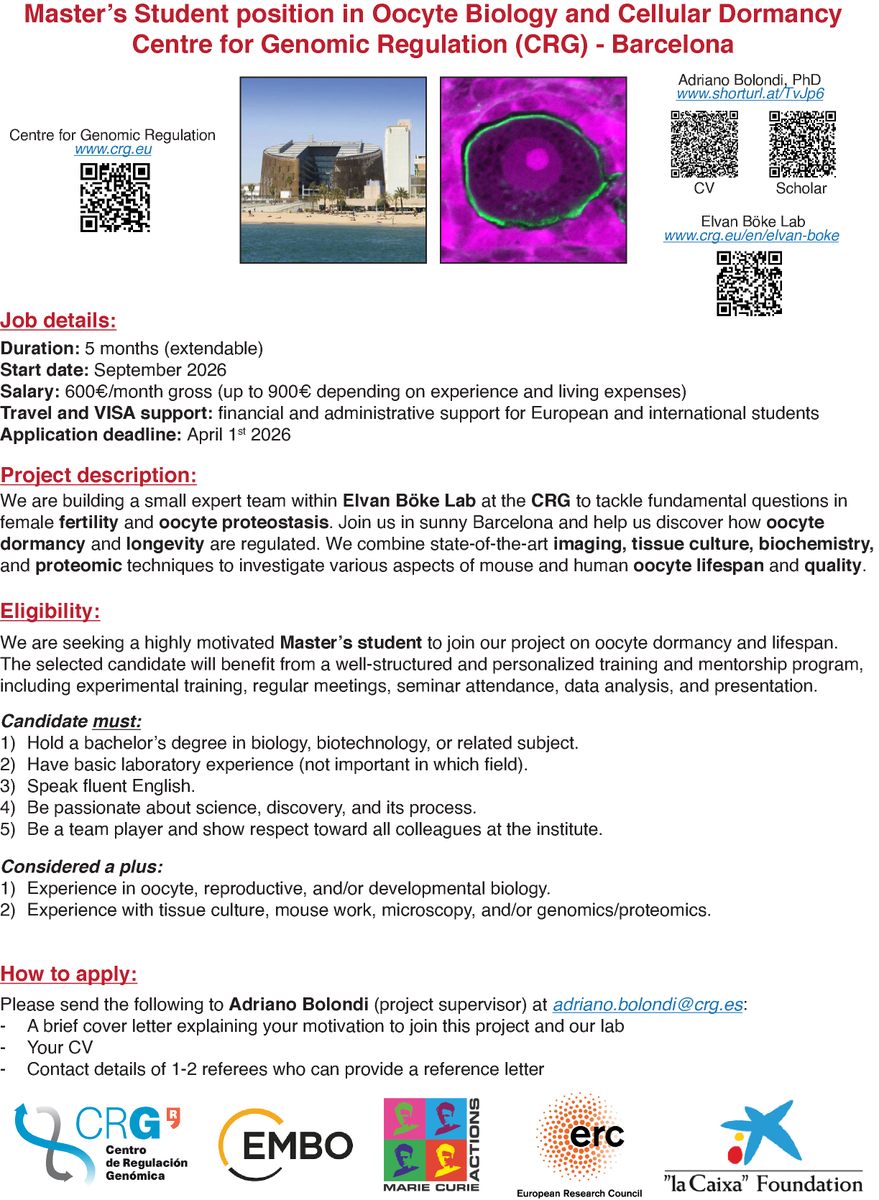
🚨JOB ALERT🚨PLEASE SPREAD and RT
Searching for a motivated Master’s student @LabBoke@CRGenomica@the_prbb to investigate how proteostasis in oocytes influences dormancy and fertility.
Reach out to me ([email protected]) to join us in sunny Barcelona!
See details below👇
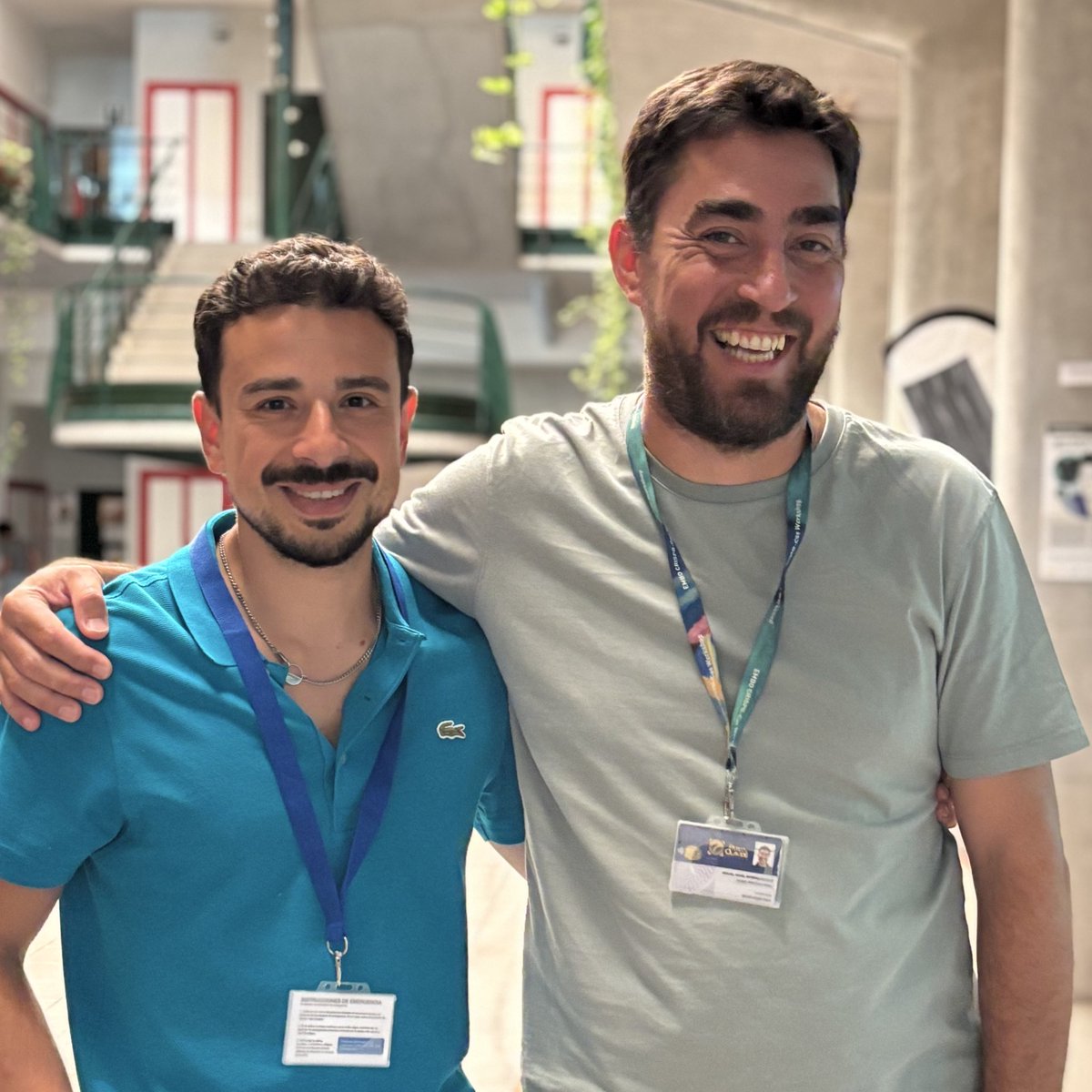
Great start of the #CABDseminars 2025/2026 with the talk of @RodrigMig!
Dr. Rodriguez gave an insight of the studies from his PhD and Postdoc work focused on rate diseases. He was invited by @crisprscan
Thanks for coming Miguel!
Microglia cells adapt to the circadian rhythm by going through transcriptional, proteomic and phenotypic alterations. Mattei et al. convincingly suggest: Mind the time, when you study #Microglia!!Wonderful work @DanieleMattei4 👏
Mind The Time! What time do you collect #microglia from your preclinical model for downstream analyses? Microglia undergo #transcriptional, #proteomic and #functional adaptations to the wake and sleep phases🧵https://t.co/KOFu1C1BLB
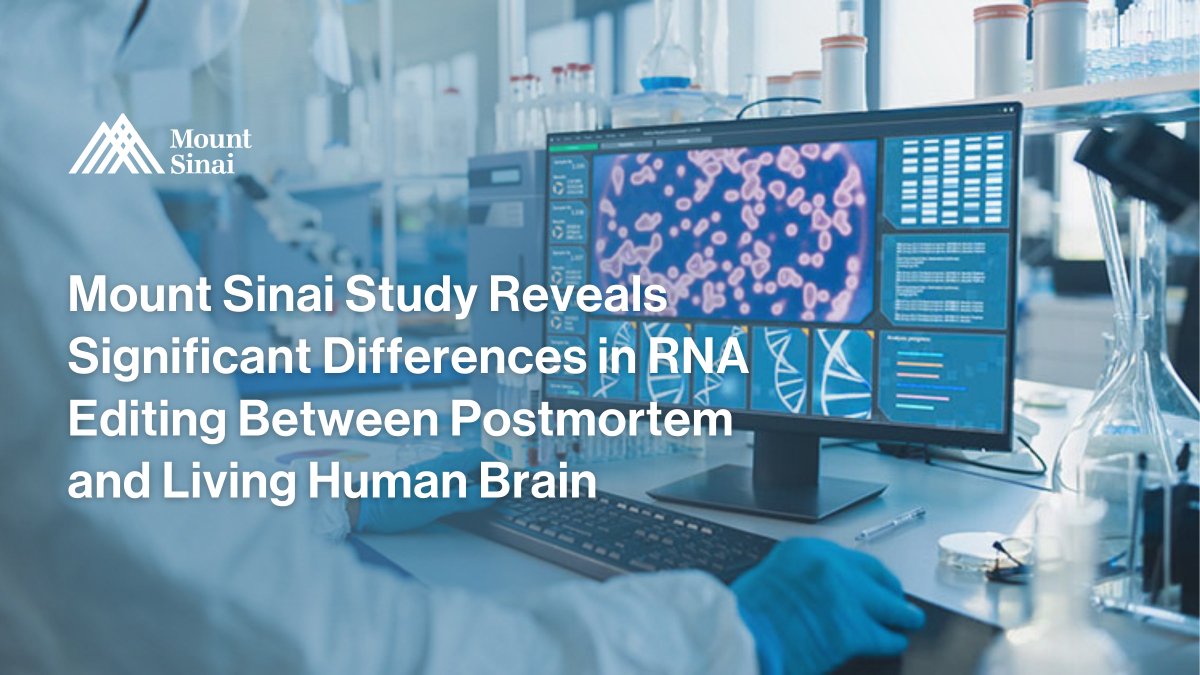
A Mount Sinai study reveals major differences in #RNA editing between postmortem and living prefrontal cortex brain tissues, shaping the development of diagnostics and therapies for #brain diseases: https://t.co/ZJoImYdPZY
@breenPsychGene@RodrigMig@aw_charney@MtSinaiNeuromod
My first first-author publication as a postdoc “Divergent landscapes of A-to-I editing in postmortem and living human” is finally out in #NatureCommunications. 🤩
Scroll down for the most important insights. (1/11) https://t.co/Gl3bjAP5rn
And last but not least: This study is part of the Living Brain Project at @IcahnMountSinai and would have not been possible with all the collaborators involved. I want to thank you for all the support. A special thank you goes to my supervisor and mentor @breenPsychGene
In conclusion, we were able to reveal differences in AtoI editing between living and postmortem brain driven by hypoxia and inflammation after organismal death. Our findings do not negate but instead, provide missing context for using postmortem brain tissues to study #RNAediting