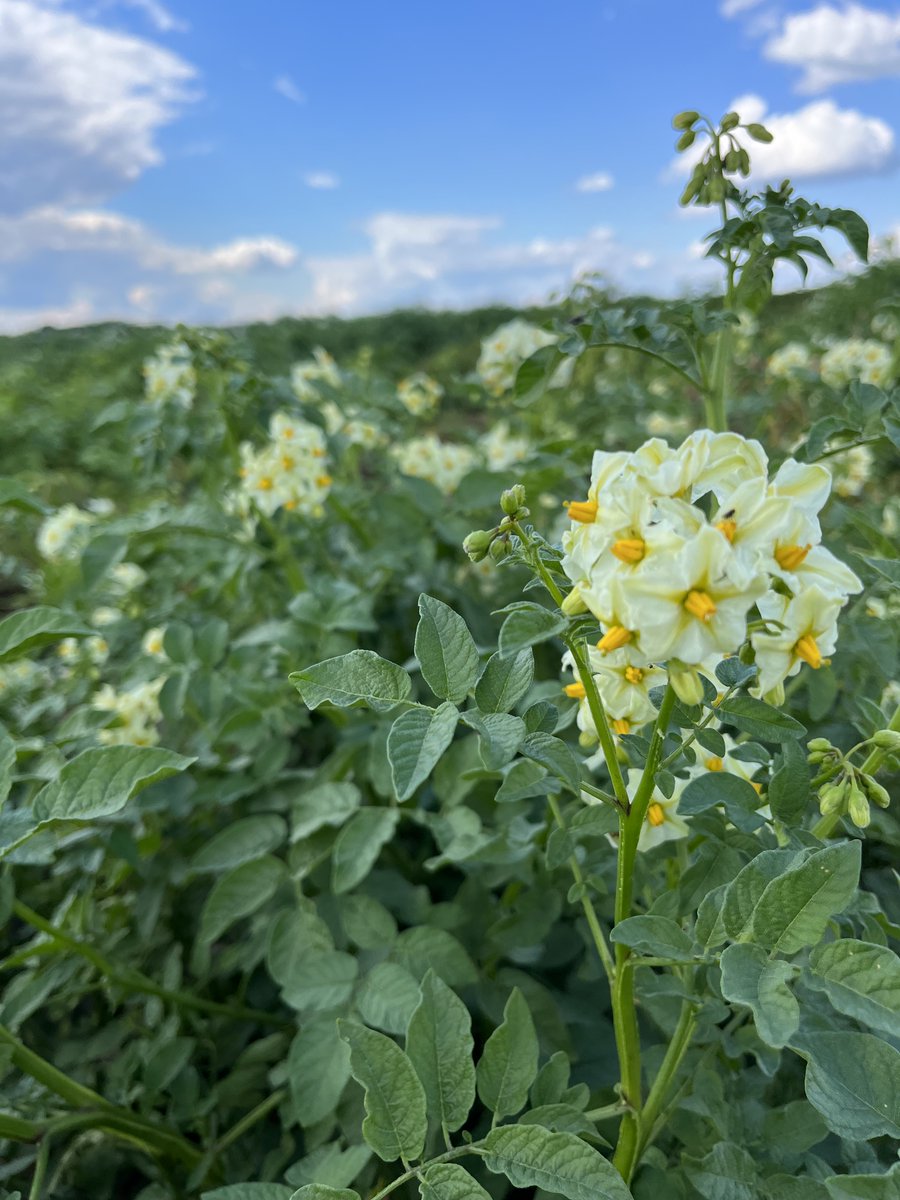
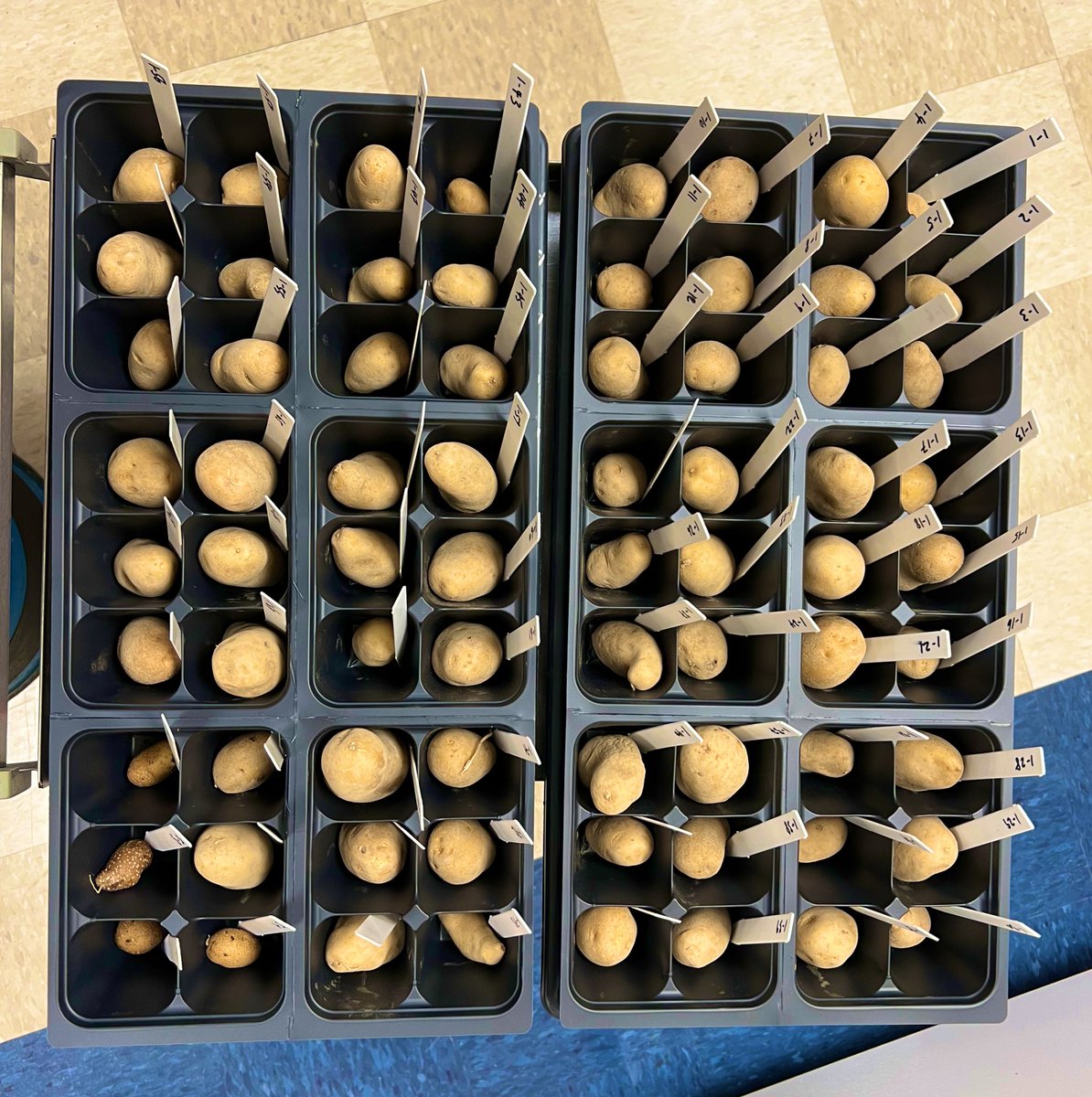
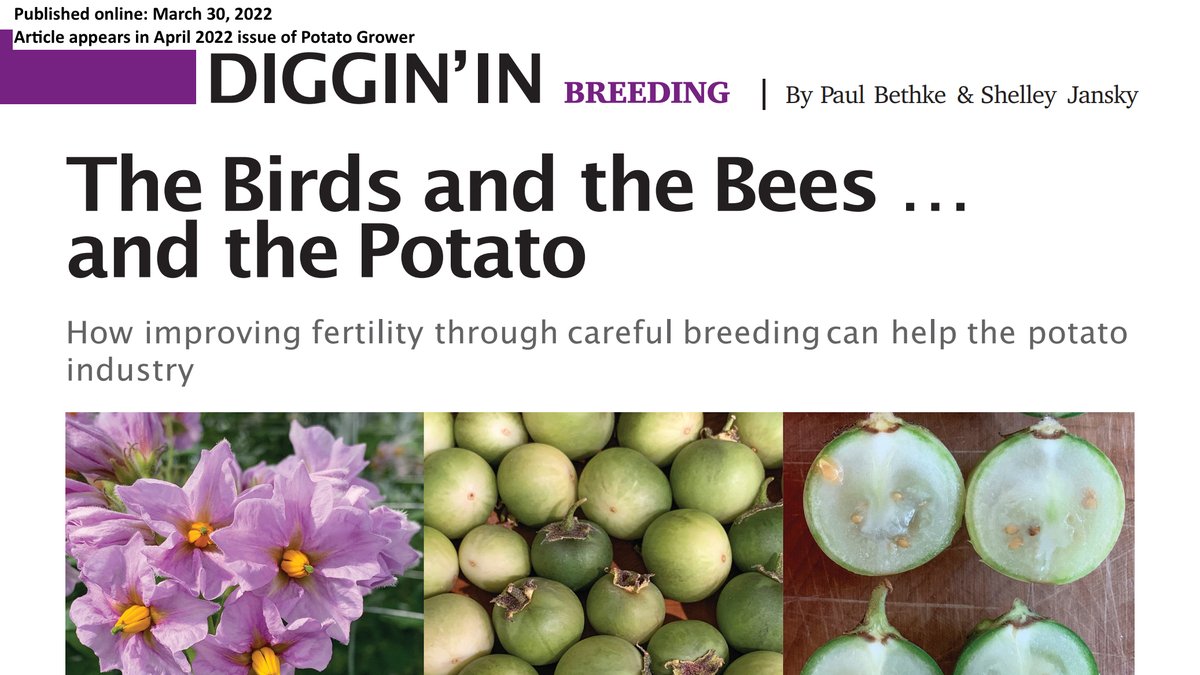
To address potato breeding constraints, our long-term goal is to convert potato into a diploid (2x) crop | Funding from USDA NIFA SCRI (2019-51181-30021)
Read "A New Beginning - Producing Diploid Potato Seed" in the Sept23 Badger Common'Tater https://t.co/Udri03JpBE via
@issuu by Potato 2.0 program team members Paul Bethke, Andy Hamernik, and Jeff Endelman.
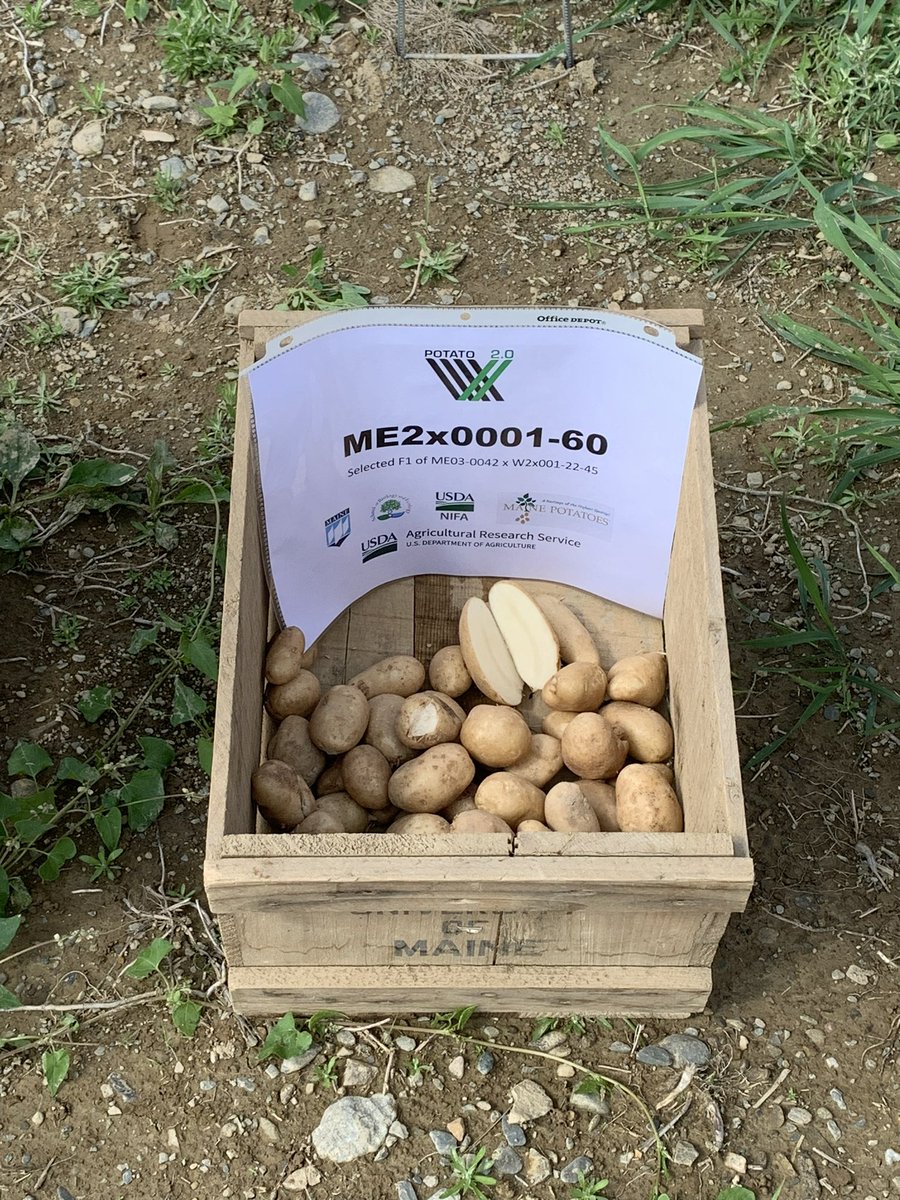
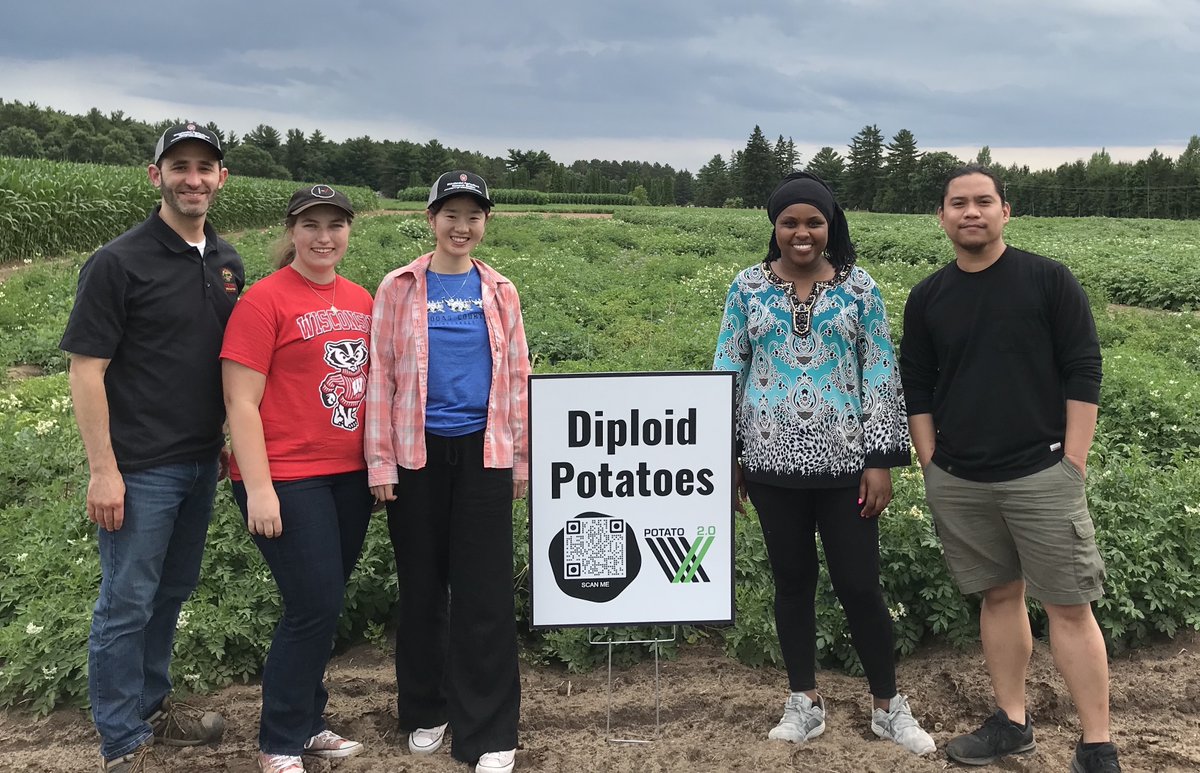
Scenes from our 2023 Field day at Aroostook Research Farms in Presque Isle, ME where we showed stakeholders our first diploid crosses 🥔 from Potato 2.0 @SCRI2xPotato and USDA-ARS #potatobreeding#potato
The UW-Madison potato breeding program has a new vegetable transplanter! One of the long-term goals of the Potato 2.0 effort is to utilize transplants for 1st year production instead of greenhouse minitubers. We have a lot to learn and optimize, but it’s an exciting beginning. 🥔
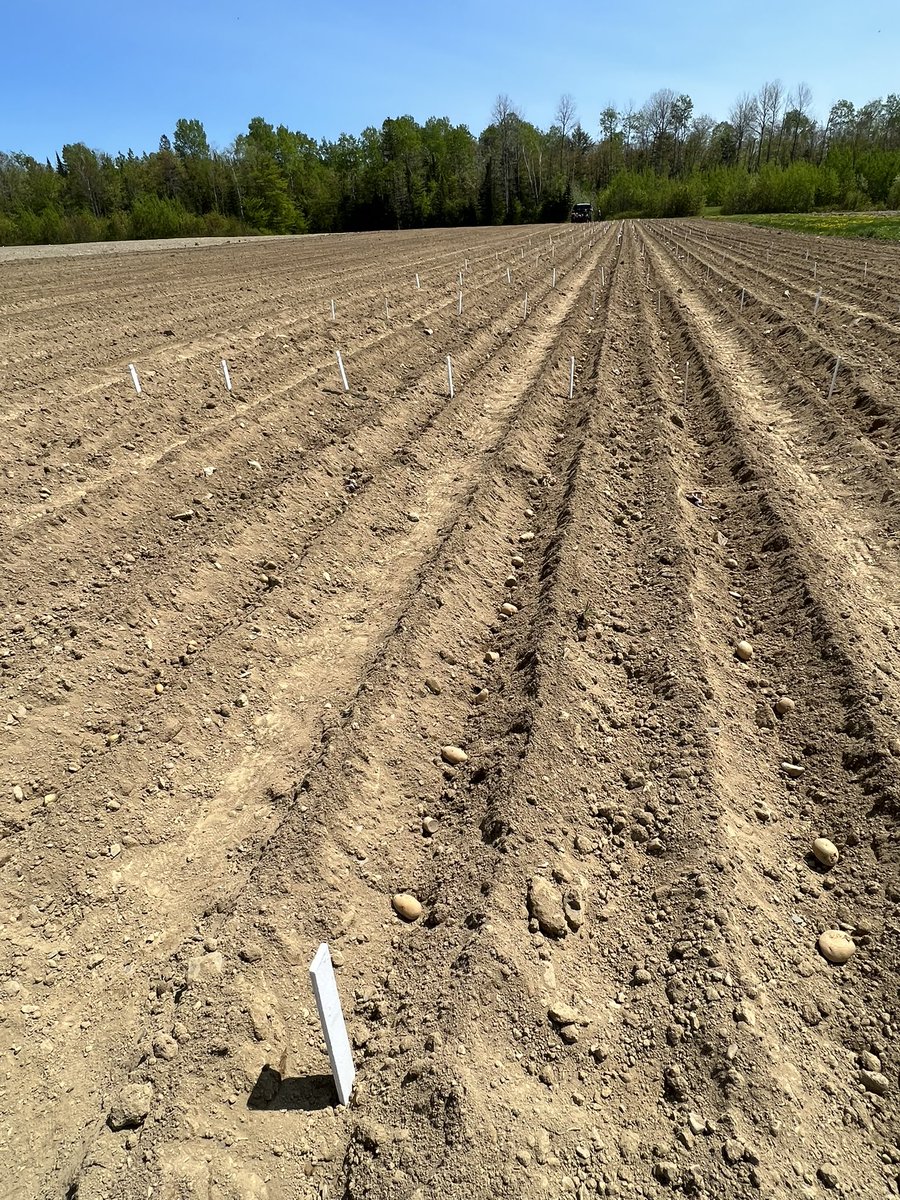
Finished planting our 2023 primary dihaploid yield trials, thanks the wonderful crew from our lab and the USDA-ARS 🥔🥔🥔 @SCRI2xPotato@USDA_ARS@MainePotatoes — we stopped for the view of Katahdin on our way to trial field 🙌🏽
Article Alert: Using haplotype and QTL analysis to fix favorable alleles in diploid potato breeding 🥔
➡️ https://t.co/6DtAyne79I
#spuds#breeding#genetics
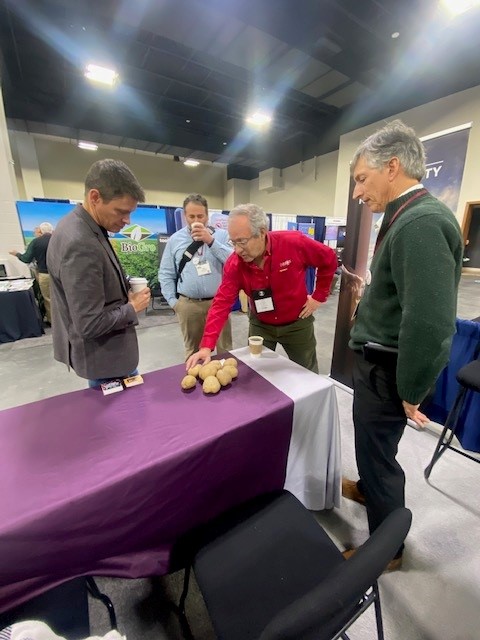
The Potato 2.0 team and Potatoes USA displaying diploid varieties at the 2023 Potato Expo, explaining misconceptions and bringing awareness to the team.
@potatoesusagcc@POTATOEXPO@DaveDouches
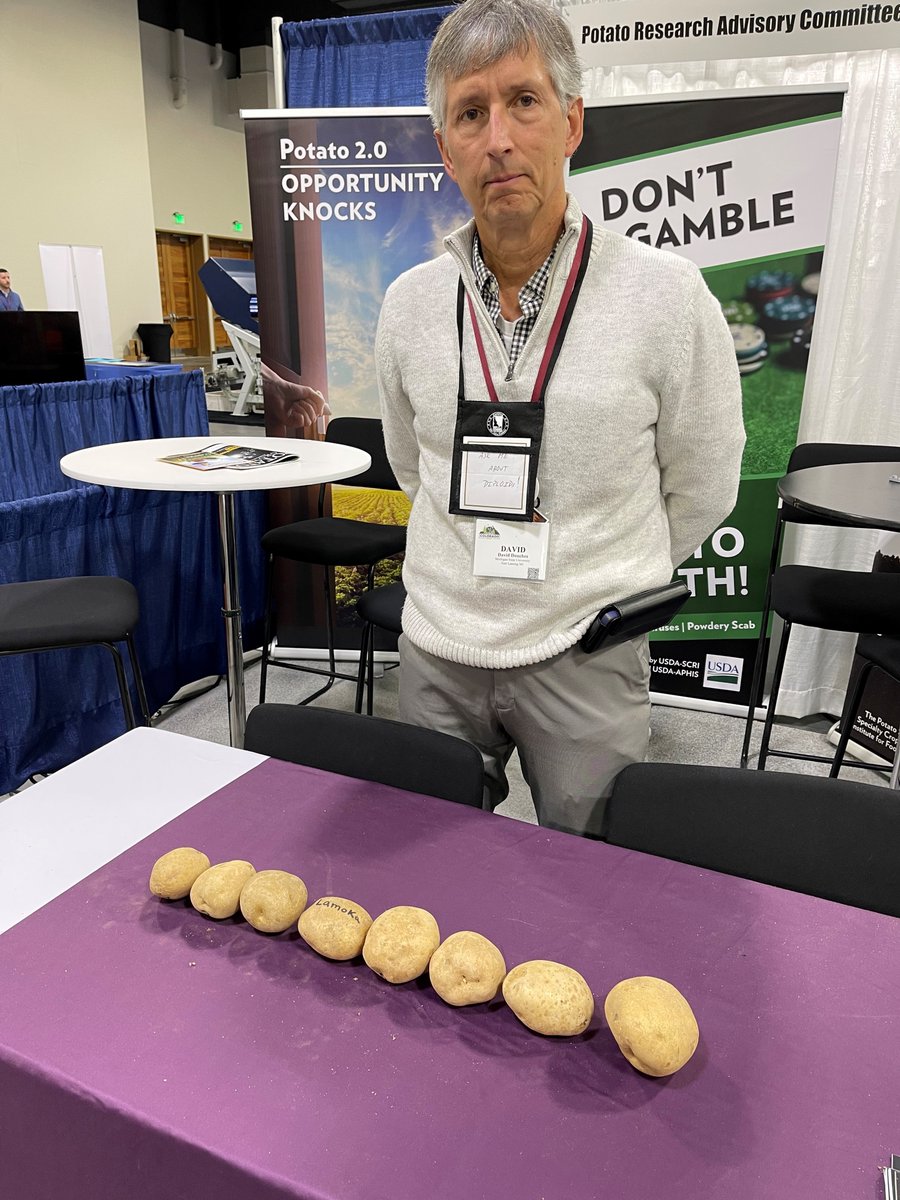
Dr. Dave Douches representing the Potato 2.0 project at the 2023 Potato Expo, displaying diploid varieties in comparison to Lamoka. Notice Dave's badge, "ASK ME ABOUT DIPLOIDS!"
@POTATOEXPO@DaveDouches
Read the "Impact of True Potato Seed on the Industry" in the recent Aug22 Badger Common'Tater publication https://t.co/ZARtBs7a81 via @issuu by Potato 2.0 program director and principal investigators Paul Mitchell, Jeff Endelman, Paul Bethke, and Guanming Shi