Delighted to share I have started a new position as Data Science Lead for the UK Mental Health Mission (& Senior Research Fellow, King's College London)! Exciting opportunity to make a difference in mental health via facilitating research across the UK https://t.co/35Ia3Zx7uh
The application of polygenic risk scores (PRS) in clinical practice has advanced but also received criticism. In this Perspective by @scsanderson and @minouye271, major psychological and behavioural arguments against PRS applications have been assessed.
https://t.co/tZeo1tGDbQ
Big milestone for NHS DigiTrials! We’re recruiting for 4 new ground breaking studies, across cancer and rare paediatric surgical conditions: https://t.co/xPs1mm0B6K
Professor Matthew Sydes, Head of Data-Driven Clinical Trials and Cohorts, shares the news ⬇️
#poweredbyNHSdata
Our flaghsip @intervene_eu paper is now published!
I think this is an important piece of work to elevate the stature of polygenic score to that of other well-studied risk factors
We provide country-specific cumulative incidence estimates for 18 diseases by PGS levels.
Delighted to share I have started a new position as Data Science Lead for the UK Mental Health Mission (& Senior Research Fellow, King's College London)! Exciting opportunity to make a difference in mental health via facilitating research across the UK https://t.co/35Ia3Zx7uh
Please complete and/or RT our brief 5-min 9-item survey and help us map routine outcome measure use in #MentalHealthSupport services for children and young people. Part of @UK_Life_Science Mental Health Mission.
Pls follow link -
https://t.co/XrNK0NI2QQ
How readable are patient letters in the NHS Genomic Medicine Service?
Researcher Holly Ellard explores communication in the early GMS by looking at letters sent to patients.
Catch the blog to see what she found.
https://t.co/ucvPaET5FJ
#genomics#communication
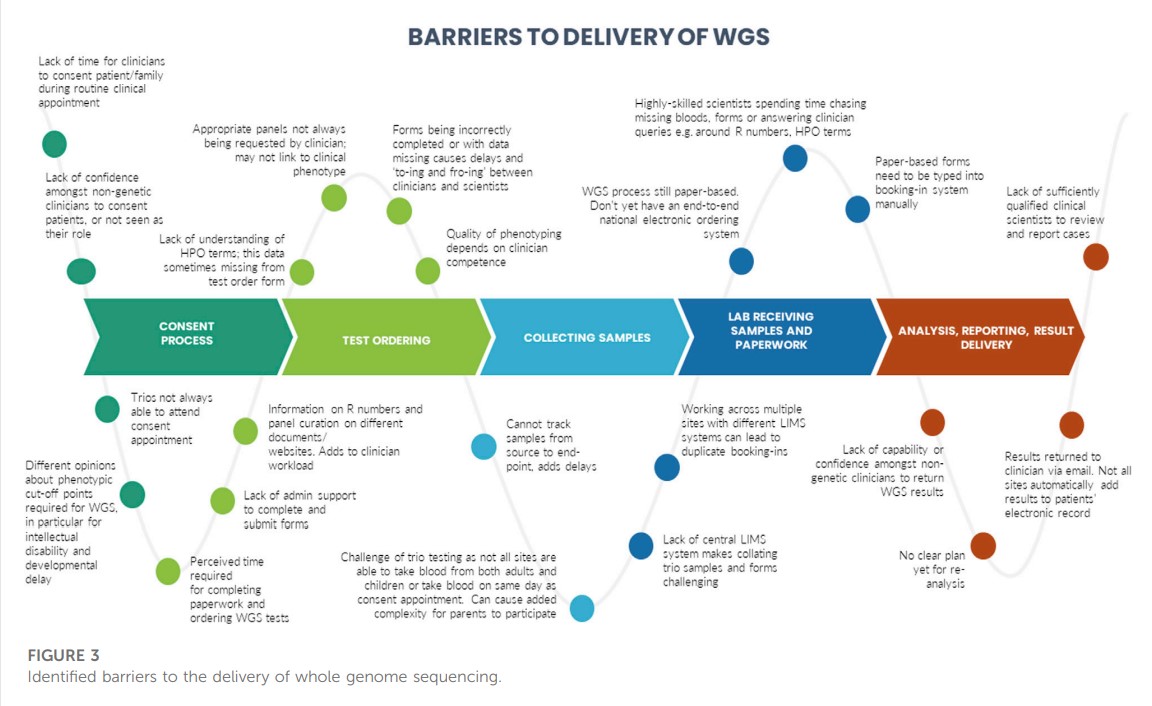
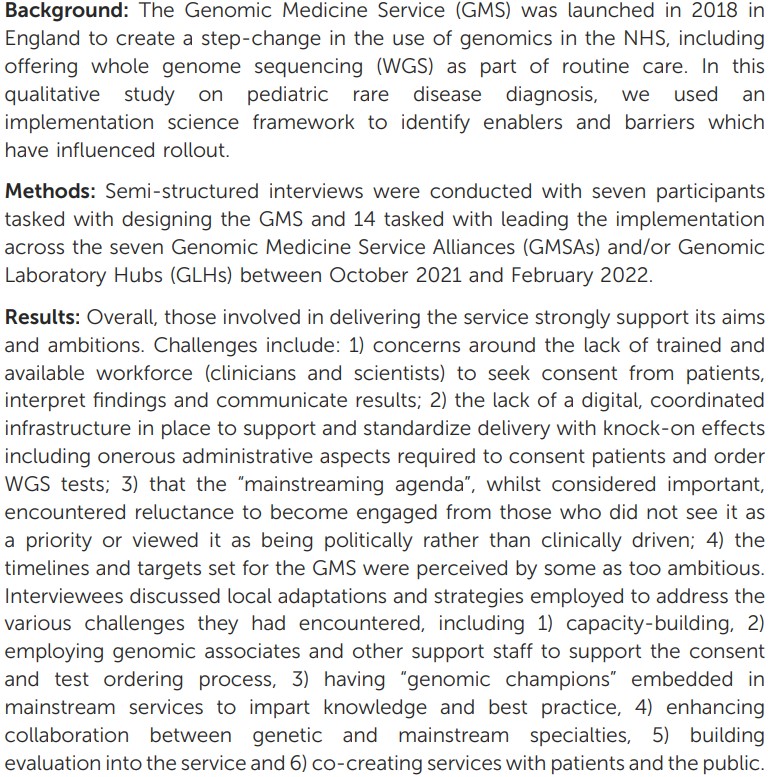
Our new paper reporting the challenges of implementing the NHS genomic medicine service is out now in @FrontGenetics. We report on the early barriers and enablers of implementing system-wide change within a complex healthcare system:
https://t.co/R5D8pb2dfB
Finally - balanced, clear and concise insights to help you understand polygenic scores, the complexities of implementation and potential solutions. Open to all
https://t.co/1HcXM6wmYc
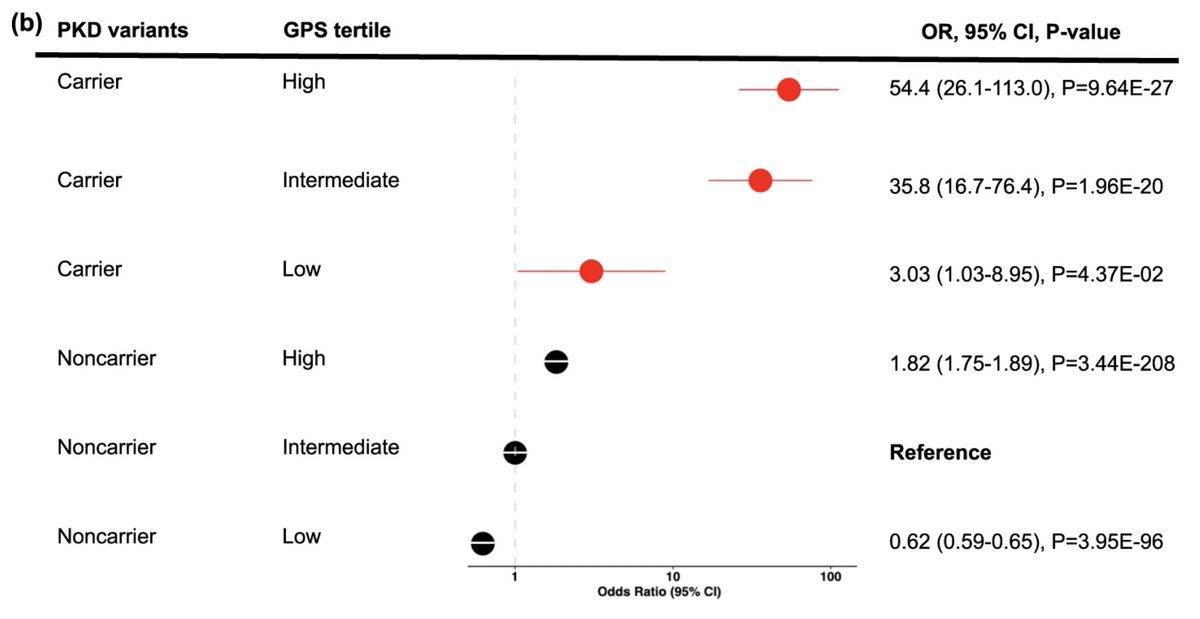
Nice study showing polygenic risk alters the penetrance of monogenic kidney disease. This will be the norm in every disease, but nice to see the satisfying results.
Note the striking difference between high (OR=54.4) vs low (OR=3.03) PRS groups among rare variant carriers. Amazing
Khan et al. Nat Comm
https://t.co/QGzHdfB9Tt
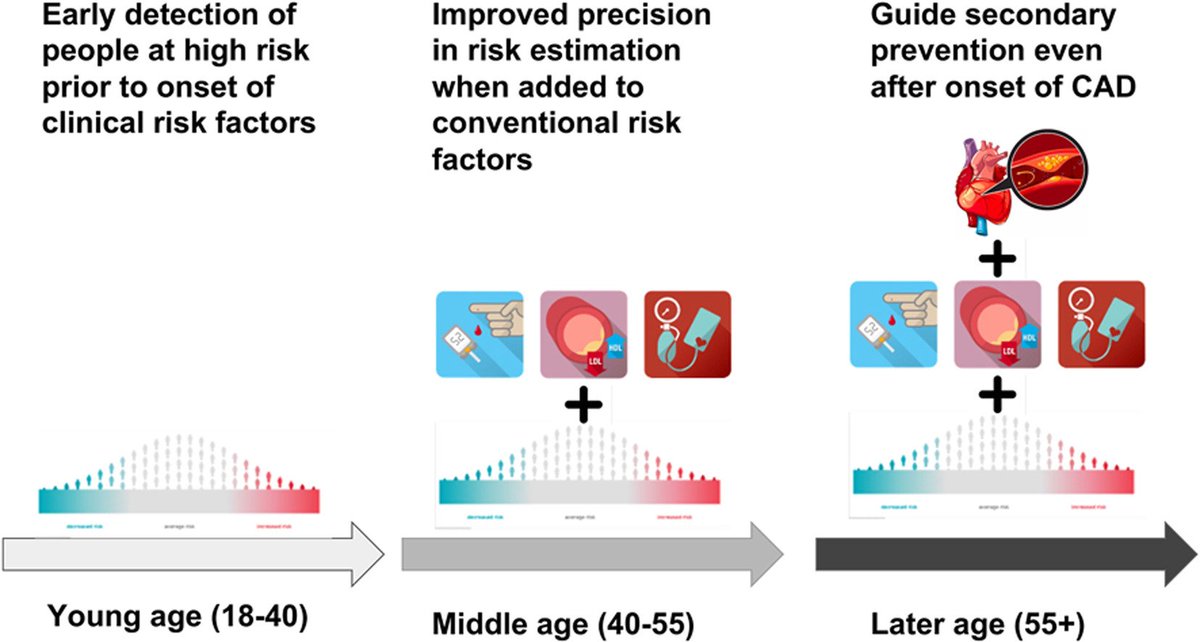
.@aklfahed & I review the opportunity for coronary artery disease polygenic risk scores to improve prevention across the life course https://t.co/mrqMqm9cVz @ATHjournal
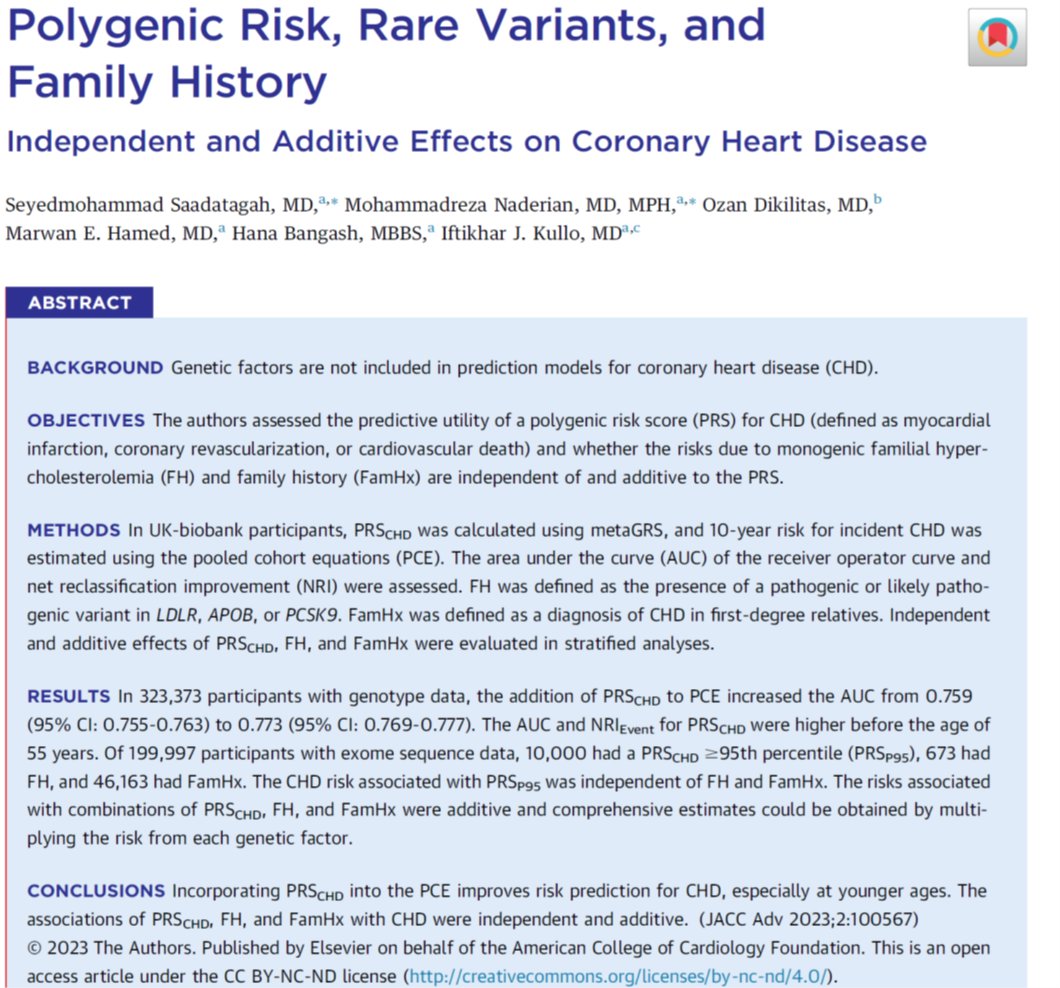
Do genetics improve risk prediction for incident CAD? 🧬
👉yes, on top of PCE (AUC 0.759->0.773)
👉especially for ages <55y
👉additive to familial hypercholesterolemia variants and family history
by @smsaadatagah@iftikhar_kullo et al @JACCJournals
https://t.co/HJwrRZYZxH
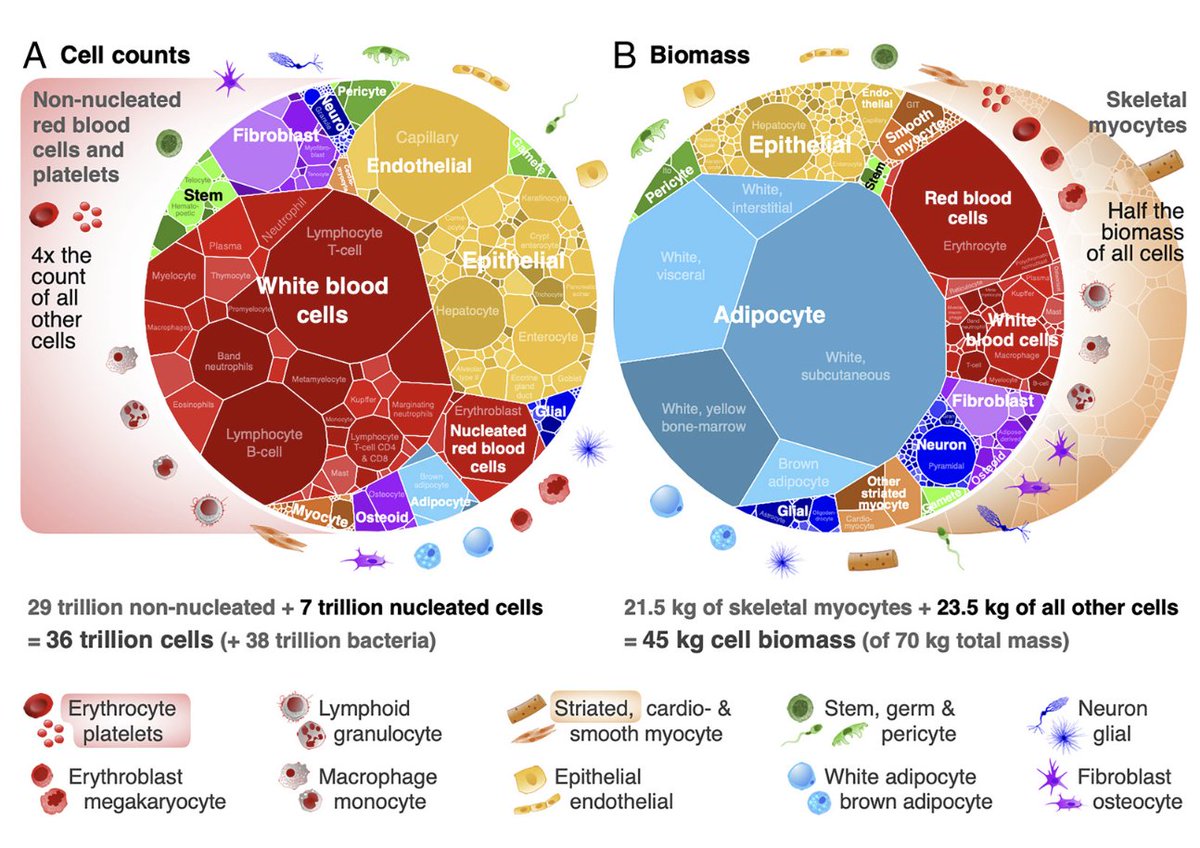
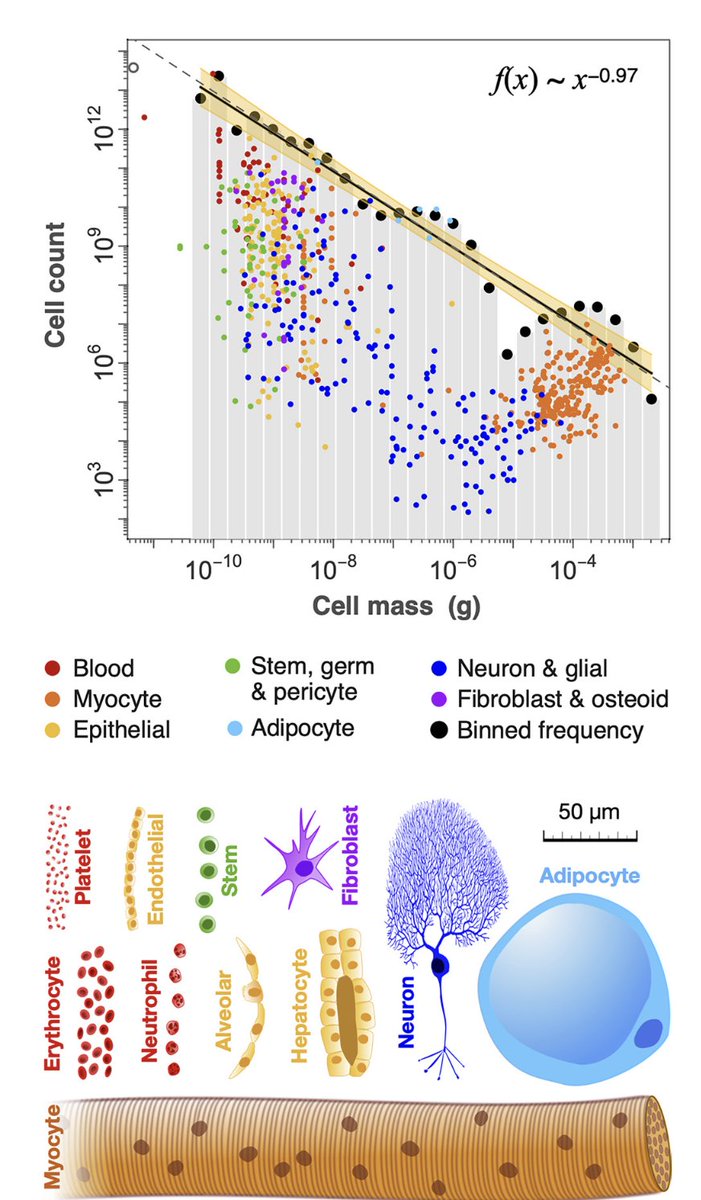
The latest on human total body cell count and cell size derived from >1,500 sources @PNASNews
Men ~36 trillion cells
Women ~28 trillion cells
an inverse relationship between cell size and count
https://t.co/i9qKqFOaVB
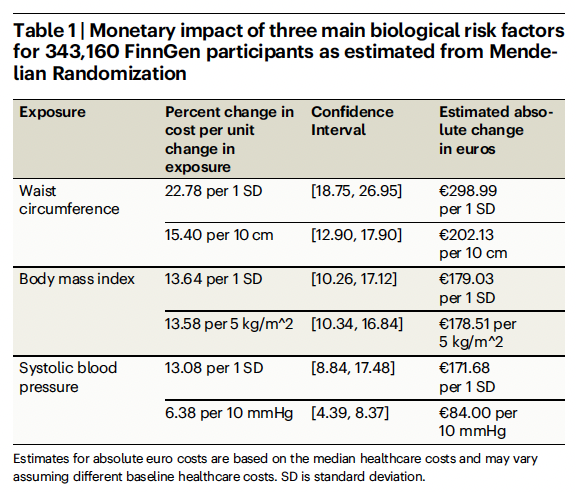
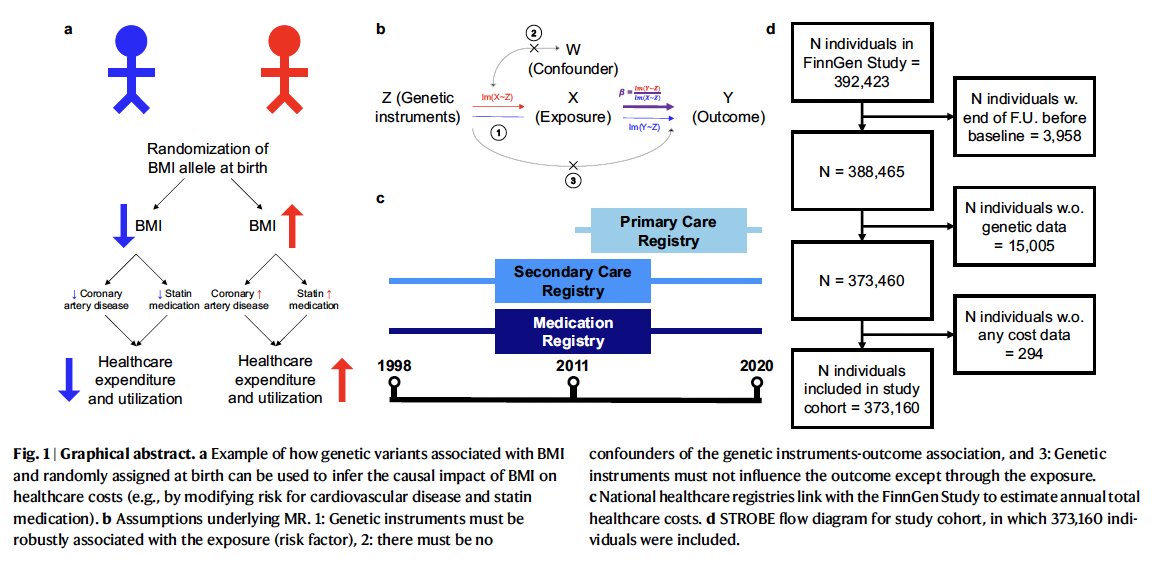
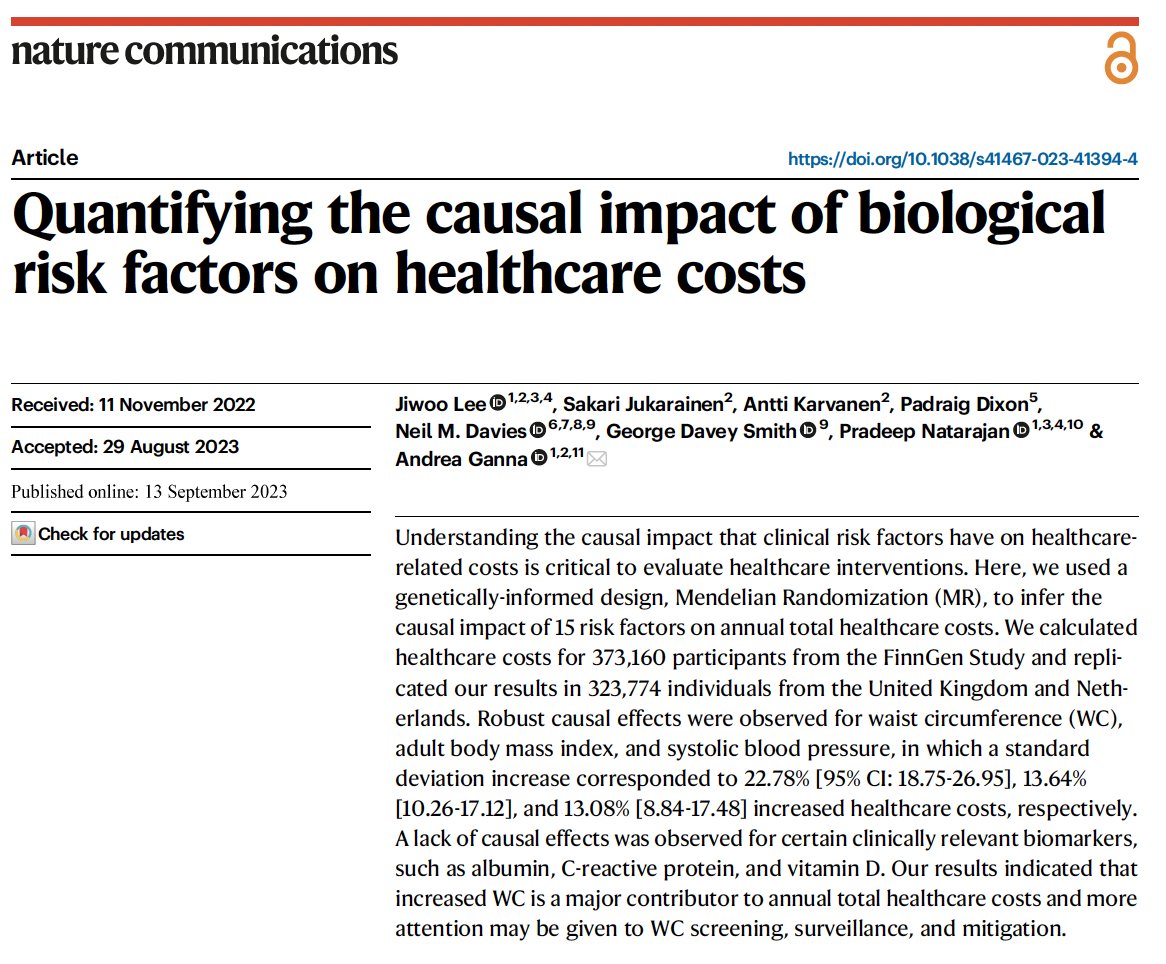
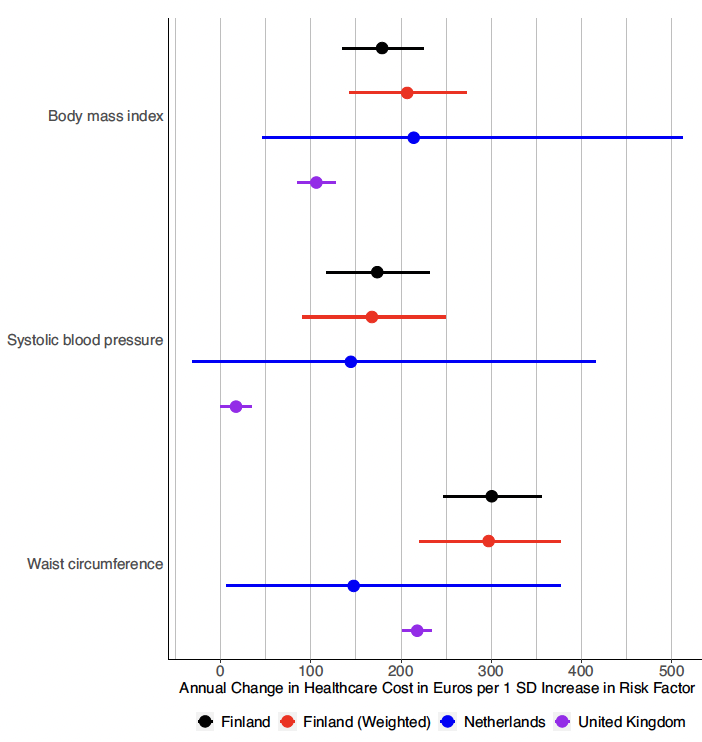
Huge congrats to our @mit_hst@harvardmed student @ImJiwooLee using Mendelian randomization to estimate healthcare costs attributed to various clinical risk factors. Highlights substantial estimated cost savings from treating obesity https://t.co/XnWc5M08Pc @NatureComms@andganna
@andganna@NatureComms Wow this is so cool @andganna & team! Really nice work & v important findings & implications for policy & practice✨👏
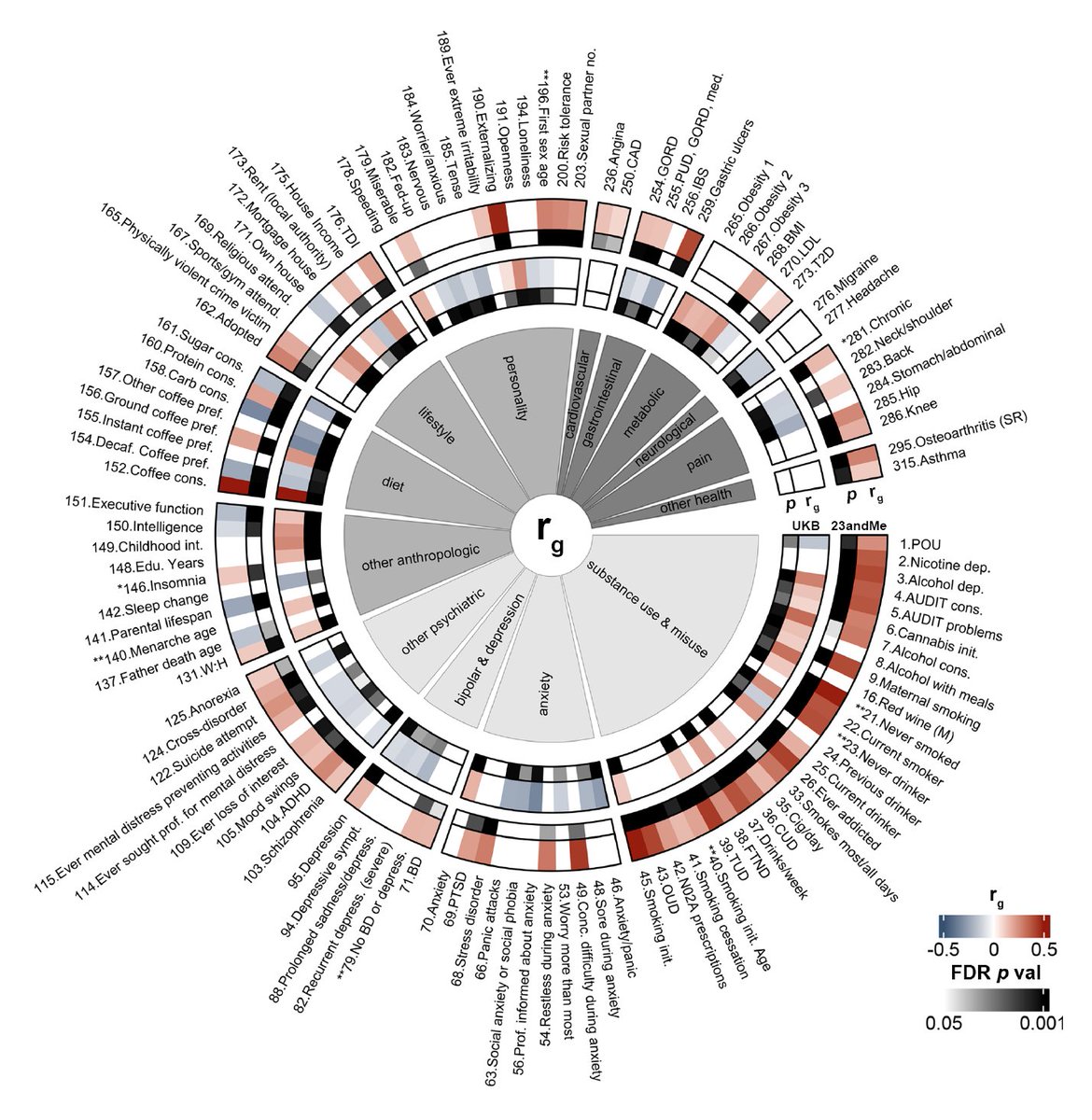
Genetic factors influencing coffee consumption differ between the US and the UK 🧬☕️
For example, genetic correlations with cognition were negative in the US (based on 23andMe) but positive in the UK (UKB).
Check out the preprint of our new coffee GWAS: https://t.co/PfVJwuiT9Q
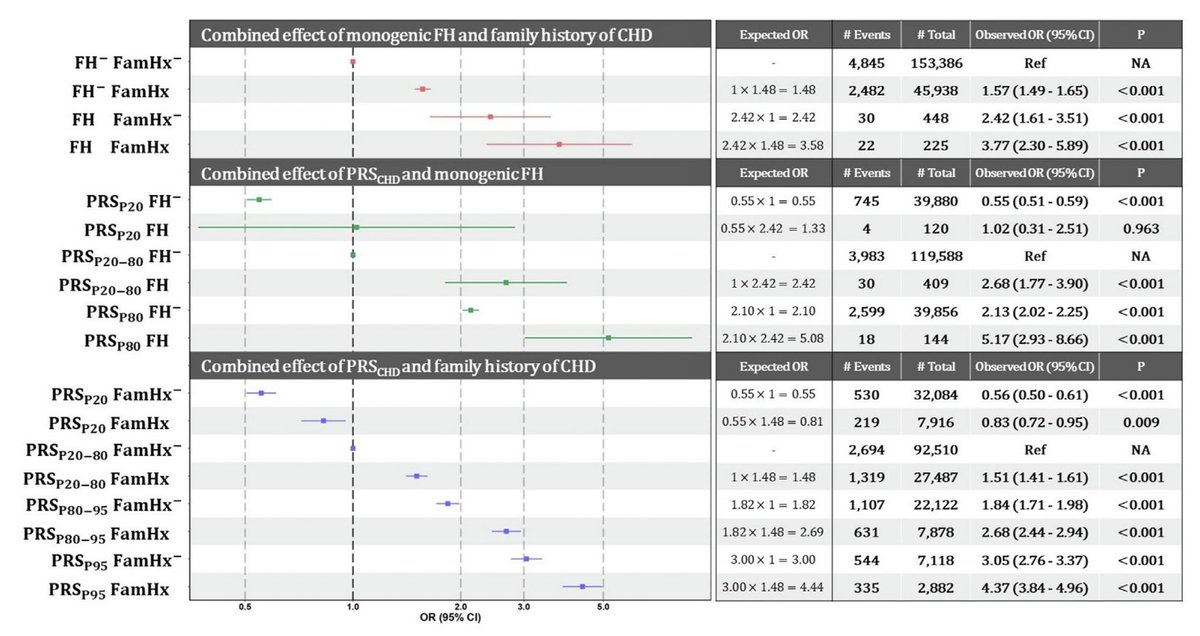
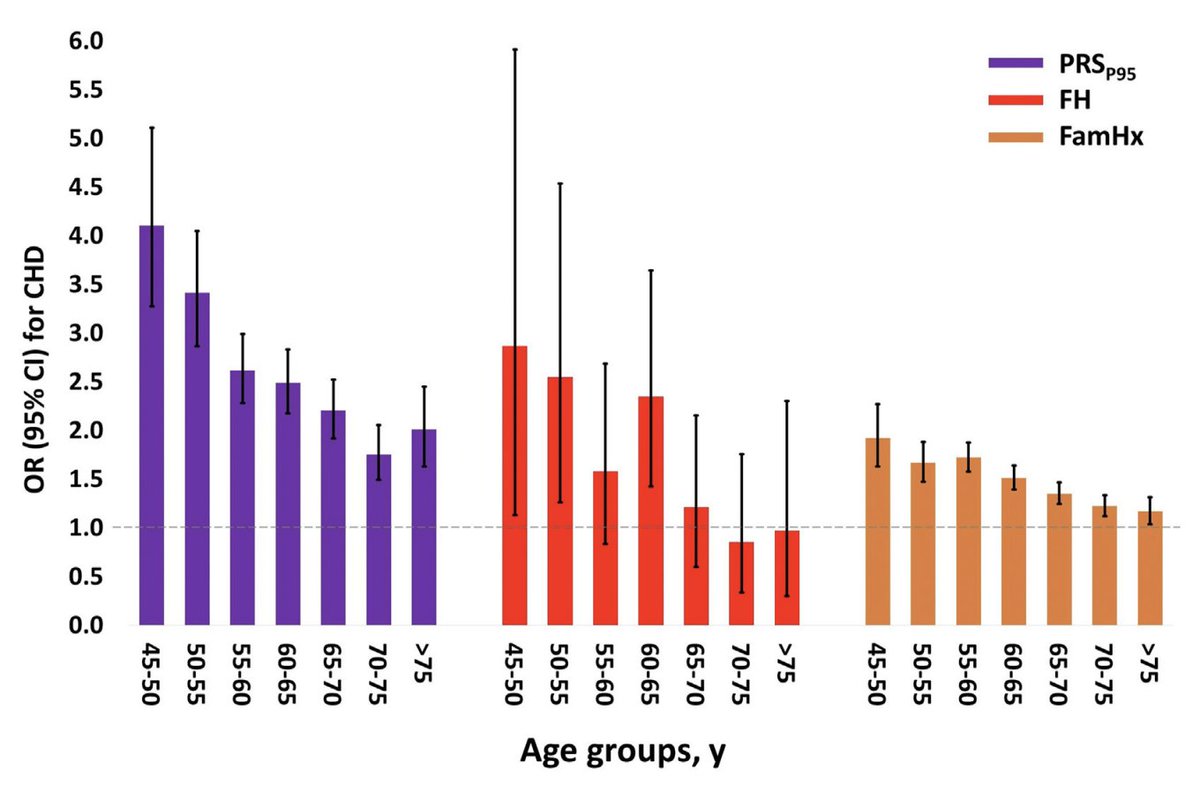
Genetic factors are often not included in CHD prediction models
@smsaadatagah & @Naderian_mr investigated whether PRS, Family hx & monogenic variants (FH) can be combined for CHD risk prediction
https://t.co/m70F9BISMs
Few 'metabolic' genes are more interesting or translationally challenging to interpret than FTO & metabolic phenotypes-here linkage of the the rs1421085 T>C variant with increase brown adipose tissue thermogenesis in mice @NatMetabolism#Genetics#obesity https://t.co/DVT5vhsZf1