Artemis II marked the first astronaut journey to the Moon in over 50 years — a 10‑day test flight that carried NASA’s Reid Wiseman, Victor Glover, Christina Koch, and CSA astronaut Jeremy Hansen 252,756 miles from Earth before splashing down off the coast of San Diego.
Before astronauts return to the Moon, we must put everything to the test!
From ground systems to the SLS rocket and NASA’s Orion spacecraft, every piece has to work together before astronauts can safely head back to the lunar surface.
🔎Curious how NASA tests it all? Check out this week’s Nerdy Words!
@HansMahncke Hans, please tell your followers which vehicle, either under development or in production, can safely get humans to the moon in a single launch. What machine today has enough characteristic energy to do so? Also please note why commercial companies haven’t already done it?
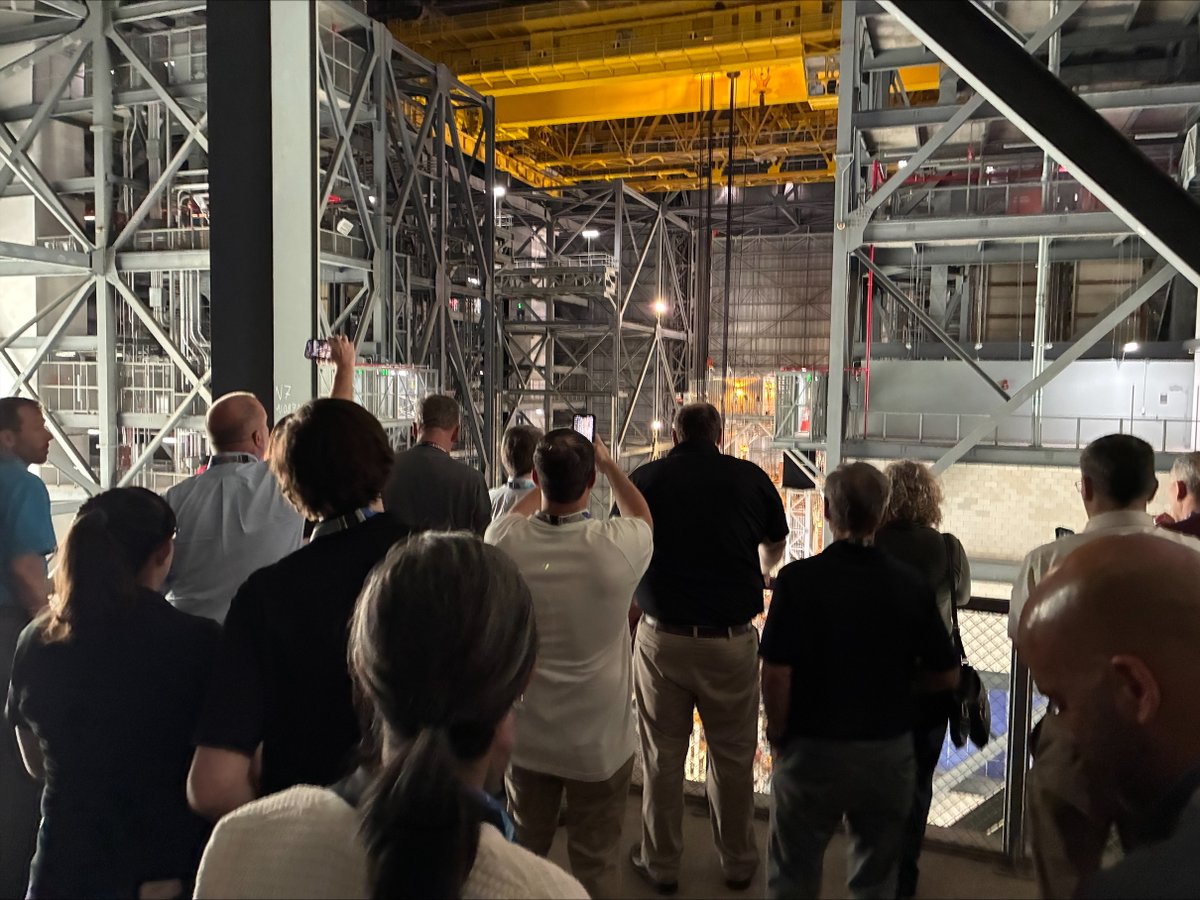
Last week, SLS suppliers had the opportunity to visit the Vehicle Assembly Building at @NASAKennedy to view the recently stacked SLS rocket for @NASAArtemis II.
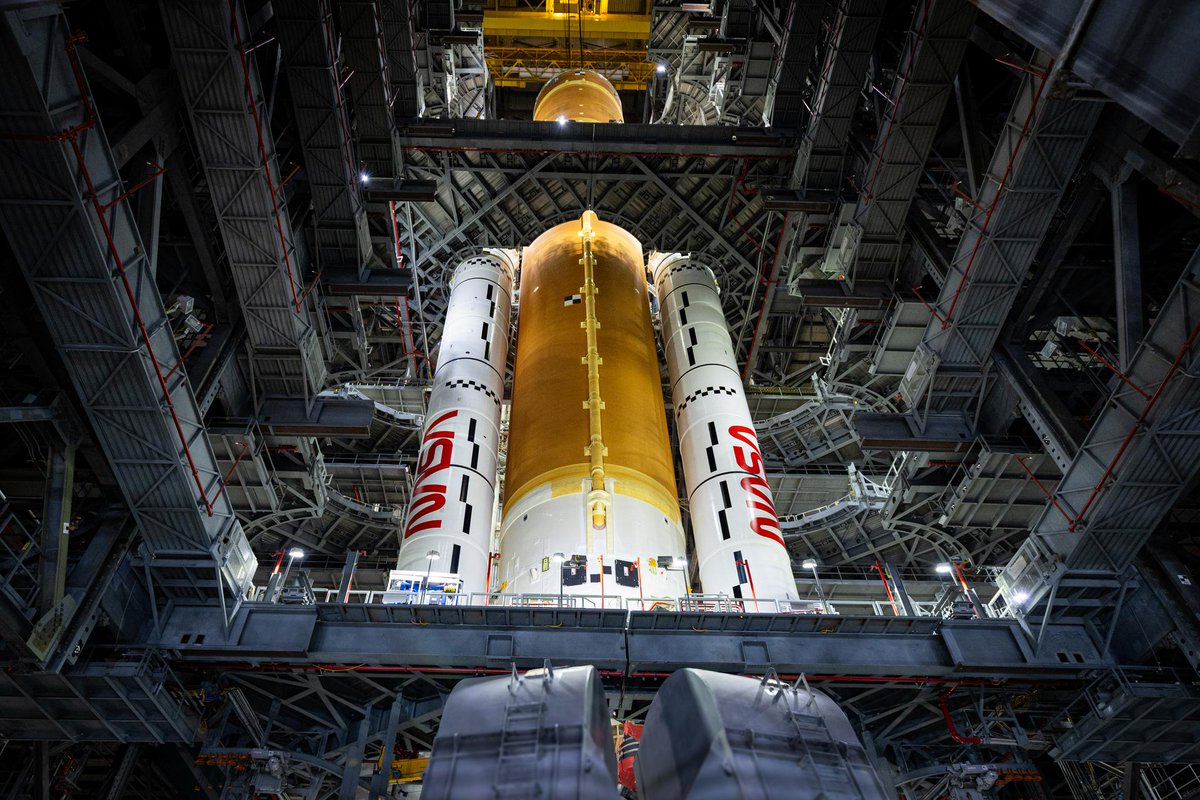
The rocket, now with the interim cryogenic propulsion stage integrated, sits atop mobile launcher 1 and joins the solid rocket boosters, core stage, and launch vehicle stage adapter.
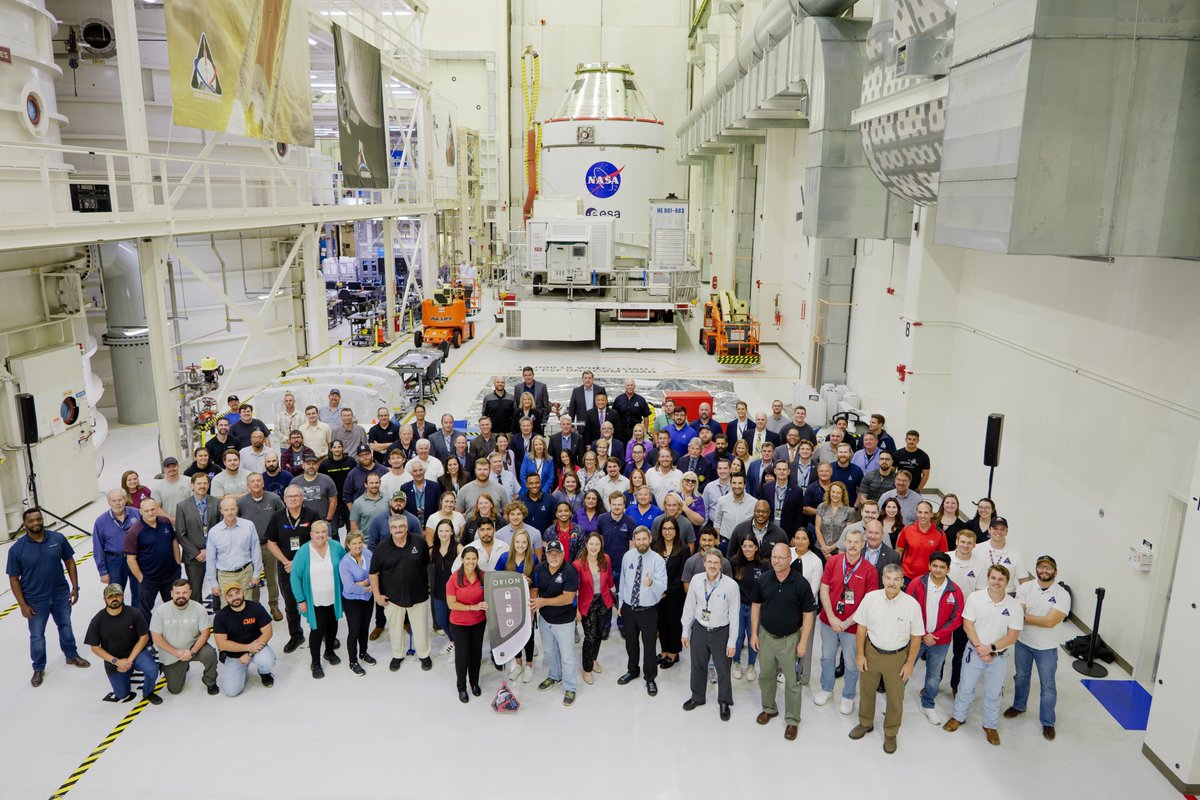
While on site, the suppliers also got to witness the milestone moment @NASA_Orion was officially handed over to @NASAGroundSys.
Blast off into storytime📚
"Our Friend Orion" is the second book in a series that introduces young space enthusiasts to the elements needed for @NASAArtemis missions to get to the Moon and beyond!
Learn more about @NASA_Orion through a universe of fun: https://t.co/bETOHVHcgR
Rocket? Stacking. Crew training? Underway. Mission patch? Ready to go. ✅
The Artemis II mission will embark on its journey around the Moon early 2026 — and now we’ve got the mission patch to mark the occasion.
Milestone moment!
Teams with @NASAGroundSys have completed the integration of the Artemis II core stage at @NASAKennedy.
The SLS core stage will play a crucial role in sending four astronauts aboard @NASA_Orion on their journey around the Moon.
🔗https://t.co/sf03LMG09F
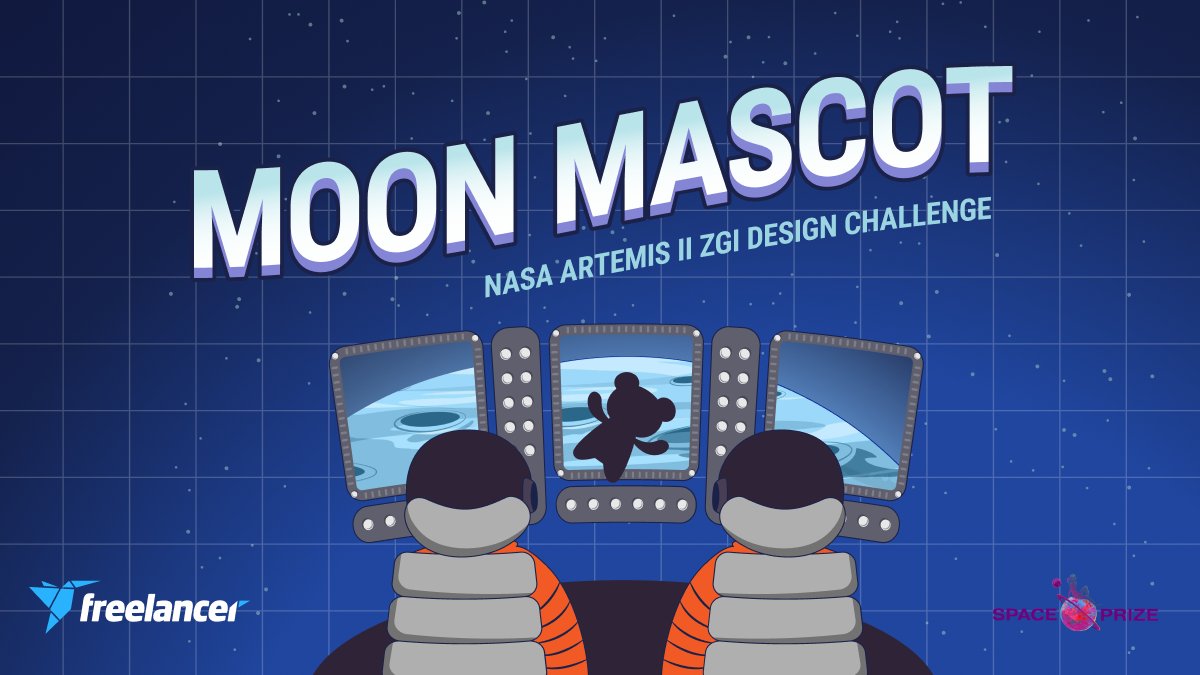
Want to submit a design for the zero gravity indicator plushie that will fly around the Moon aboard @NASA_Orion on the @NASAArtemis II mission? Here's your opportunity! ✏️
Our Moon mission is in search of a mascot!
NASA's Artemis II needs a zero gravity indicator. This little plushie will indicate when @NASA_Orion and its crew have reached space. This is your opportunity to design something that could fly around the Moon! https://t.co/6I8g82Evq7
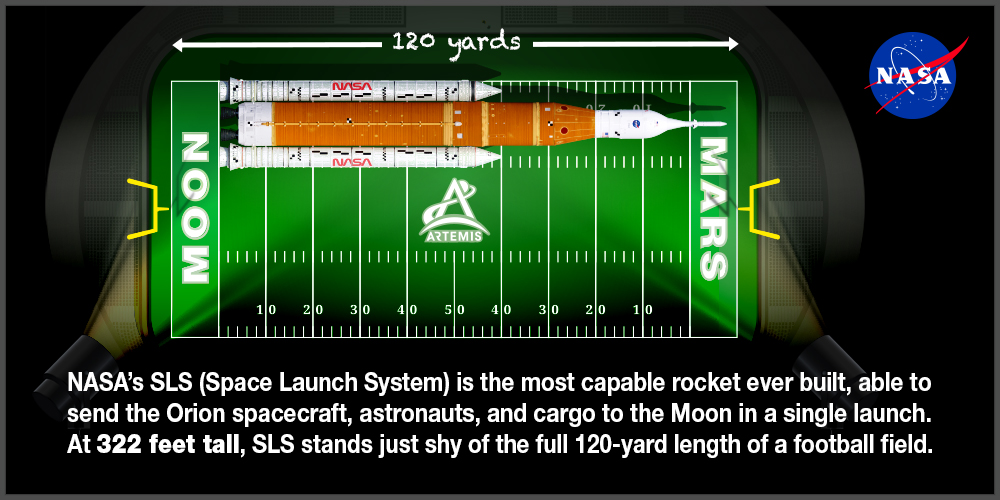
Go long!!🏈
With the Big Game just around the corner this weekend, we're taking a look at how the SLS rocket that will be used to send astronauts to the Moon for @NASAArtemis II and III measures up next to a professional football field.
Learn more: https://t.co/IMNwbJMv2L
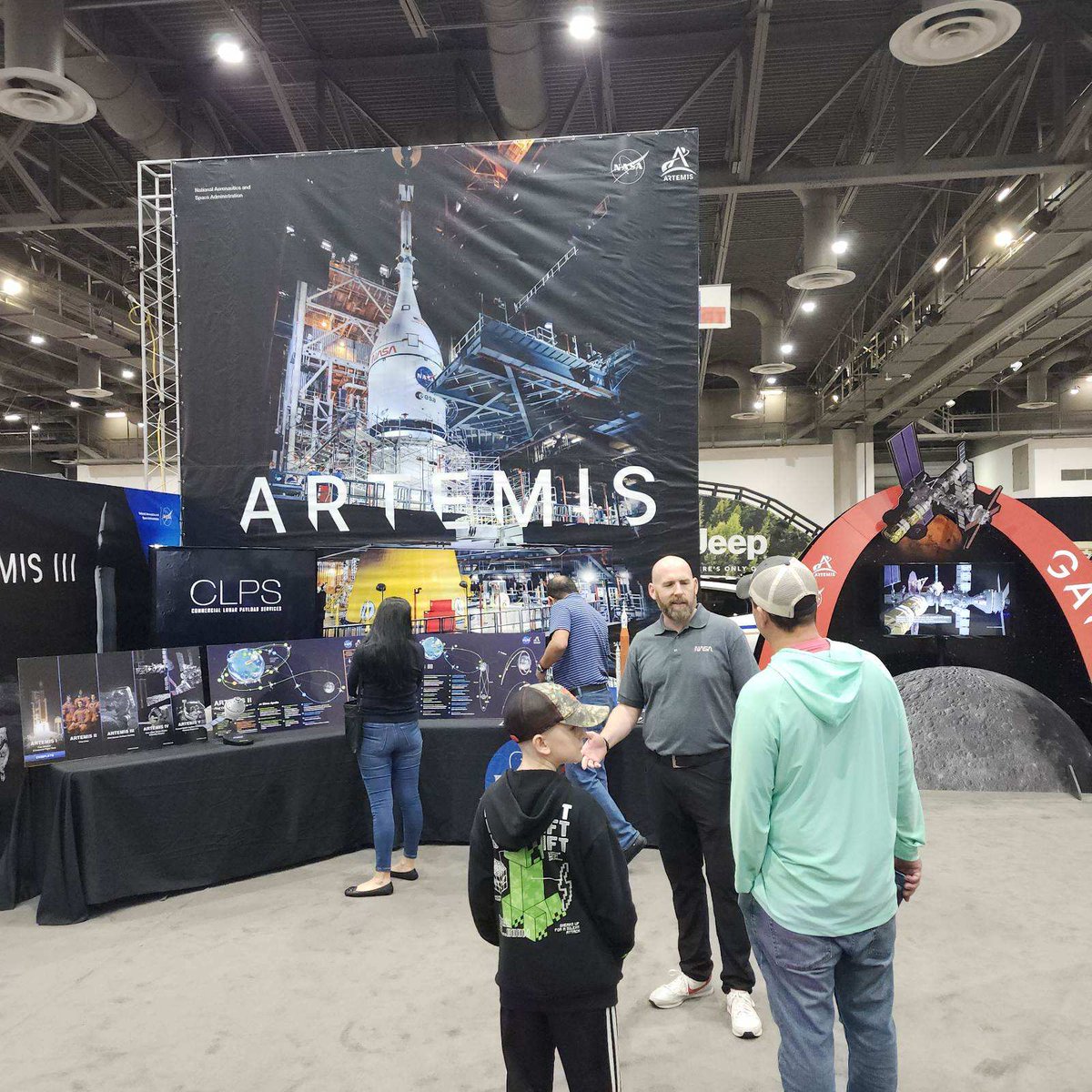
🚗🚀Revving up our excitement!
We had a great time at the Houston Auto Show this weekend, where a few of our SLS team members had the opportunity to connect with fellow space and auto enthusiasts.
Thanks to everyone who stopped by to say hello.
Rocket engineering may seem complex, but don't worry – @NASA_SLS’s team is here to break it down with some fun "Nerdy Words"!
Join us as we lift off into the world of space terminology and get ready to geek out with their brand-new series. 🚀
As we close out 2024, we are reflecting on the productive year we've had with a look back at a few of our top moments and milestones.
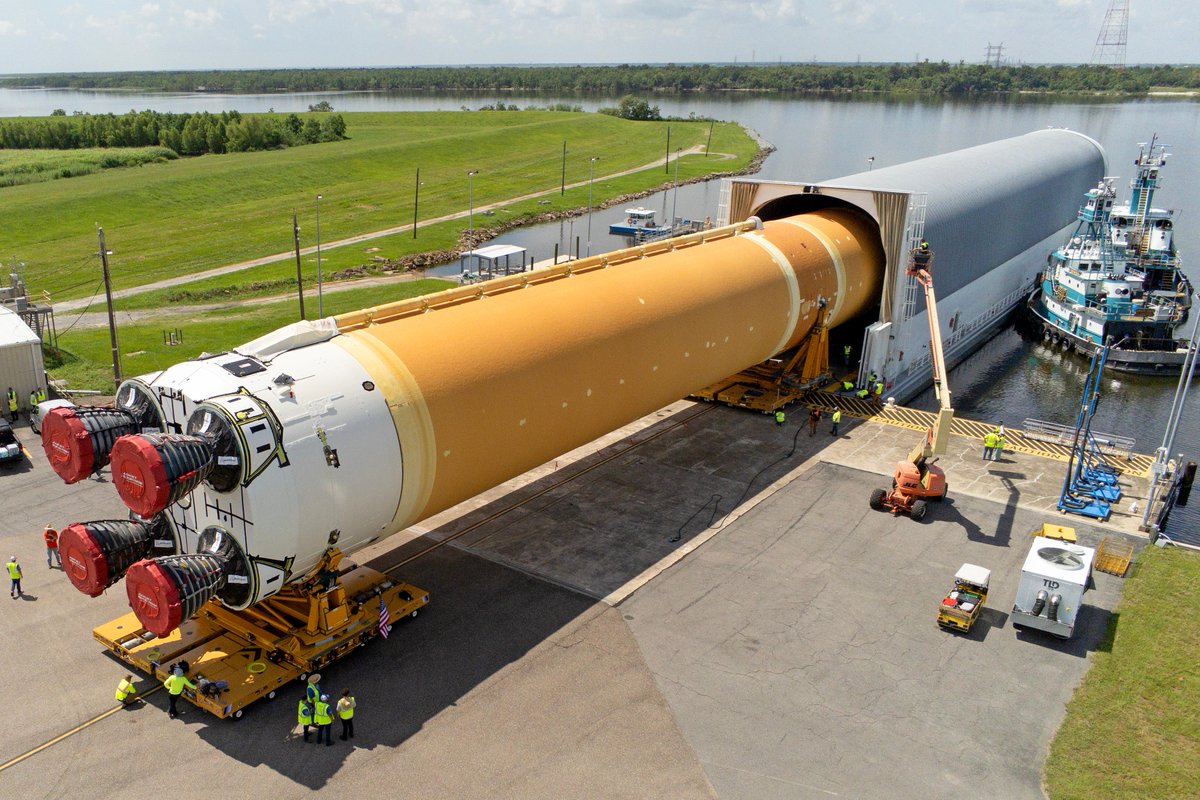
First up - one of the biggest events was the move of the SLS core stage for #Artemis II from NASA's Michoud Assembly Facility to the Space Coast.