Why relying on the "equlilibrium assumption", i.e., biodiversity being in an equilibrium state w/ its environmental conditions, to model biodiversity changes?
➡️ We propose a paradigm shift: embracing the quasi-permanent non-equilibrium state 🤯
https://t.co/CsmRj59YX1
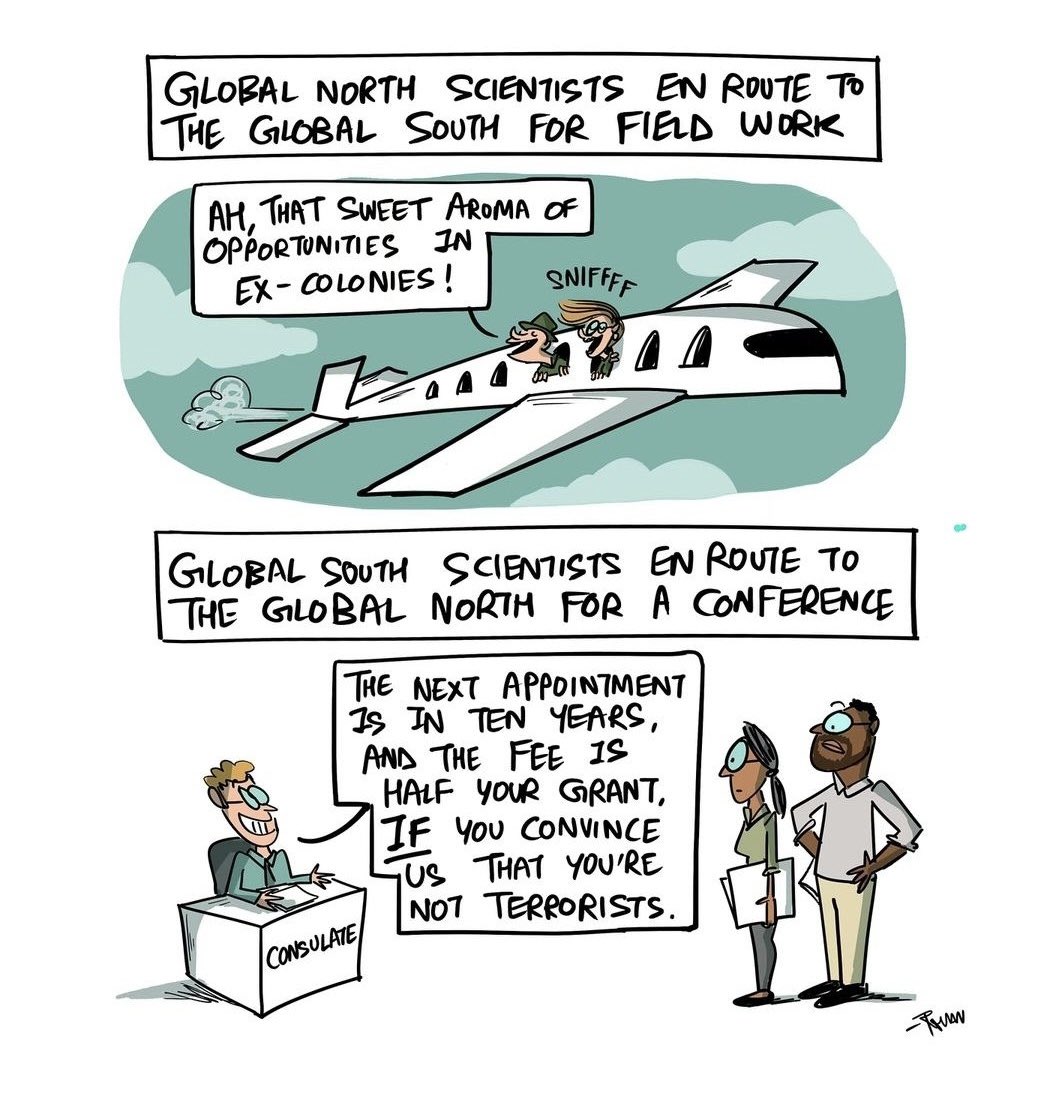
"The present situation is a clear, unequivocal example of linguistic injustice
All costs of having a common language in science are borne by non-native English-speaking scientists, implying unfair cooperation in obtaining a common good (a common language)"
@Trends_Ecol_Evo
This new study find out how sensitive presence-absence predictions of species distribution models are to the choice of the binarisation threshold
https://t.co/bLjmmtGP5K
#SpeciesDistribution#MethodComparison@nlenvironagency
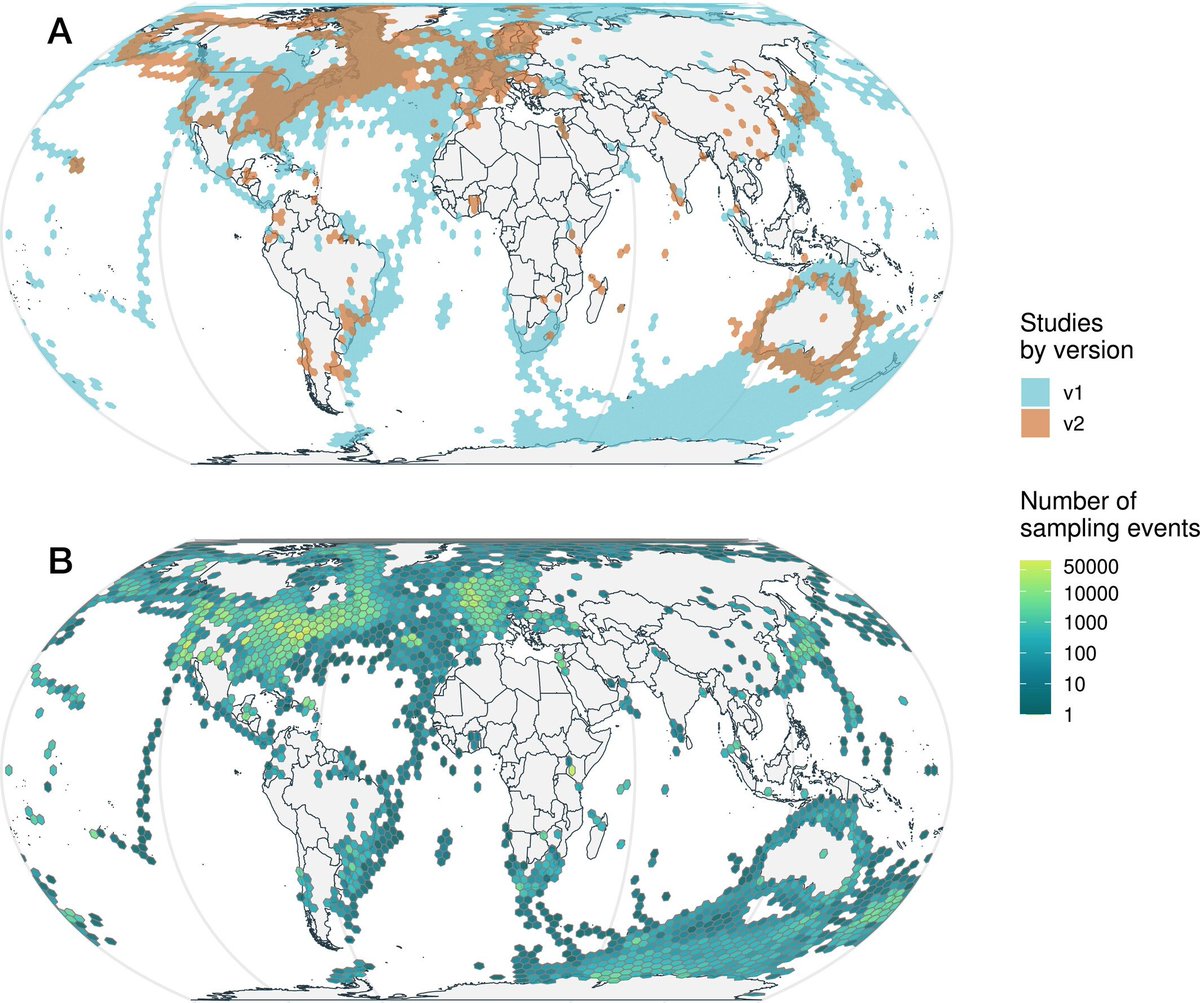
**NEW DATABASE** - and it's a big one: BioTIME 2.0 is out!
I'll guide you through why this database is a game changer for anyone interested in species on the move
--> https://t.co/pnYutiKtaj
The paper --> https://t.co/Ct8PrI2vDD
🔥🏔 species redistribution
We found limited evidence, so far, for the #escalator to #extinction despite climate-driven upslope range shifts 🌡📈
Biotic homogenization on its way along mountain slopes 🗻🏔⛰️
🧪🌐🌍🏔🌳🌲🦋🦎🐦🦔
@ScienceMagazine
https://t.co/hSI4mRycT4
In response to climate change #CC, #species#shift in many dimensions, moving in space along many climatic clines, including #microclimatic ones (horizontally & vertically) & adjusting their #phenology & #behaviour in time, see our opinion paper just published @Trends_Ecol_Evo
What happens belowground when a mountain road cuts through nature?
After epic fieldwork, root sequencing & modeling marathons, we found: roads unravel fungal interaction networks—fewer links and more generalists.
@MIREN_mountains
📖 Blog: https://t.co/09wa7c6Gtt
🌳 New findings 🌳
Phylogenetic diversity cannot be used as a proxy for functional diversity in vascular plant communities 🌲🌳🌴🌵🌱🍀🌾🌼 We used the #sPlot database & found a pronounced decoupling between phylogenetic & functional diversity
🧪🌐🌏🍁
https://t.co/4w7pj01yC9
See our results @JVegSci ⬇️ Our findings based on a EU dataset suggest that small semi-natural habitats like tree lines, unused field margins and hedgerows enhance the potential dispersal of forest specialist plant species across agricultural landscapes
https://t.co/eVwH1HKkBU
NEW PAPER in @ScienceMagazine
💡Unexpected westward range shifts in European forest plants link to nitrogen deposition 💡
https://t.co/C9JYJxnOLy
led by Pieter Sanczuk with an incredible team!
Climate Change is a huge problem
Invasive species are a huge problem
We should not fight Climate Change by promoting invasion!
In most places it is a BAD idea
See our new review in @ESAFrontiers
Read 👇
https://t.co/YKsKfLyN9S
Not spatial resolution, not temporal resolution, but climate proximity is what matters. Indeed, in a new paper we show a 247% (!) improvement in ecological model performance using proximal microclimate data.
I break this concept down for you here ⬇️
https://t.co/yEEJS9pvo7
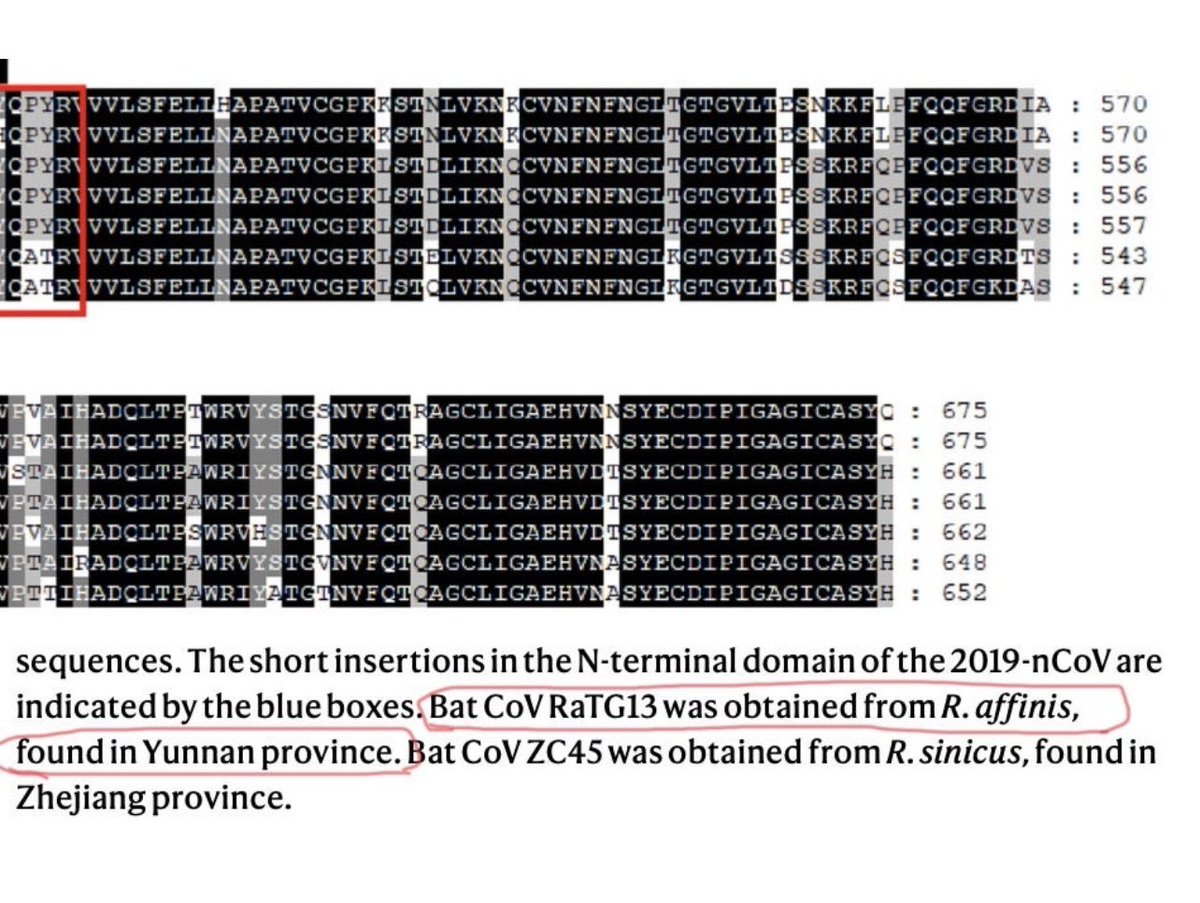
Show me the metadata—
Journals must enforce transparent reporting of metadata associated with biological samples or face the wrath of post-publication peer-reviewers. https://t.co/y62R0CG1wL
Join us for in-person Summer Outreach Event!
Connect with panelists, network and be inspired by our exceptional mentees. Gain insights into mentorship and practical techniques for biology. Don’t miss this opportunity.
Date: July, 18th 2023. Time: 10:30 AM.