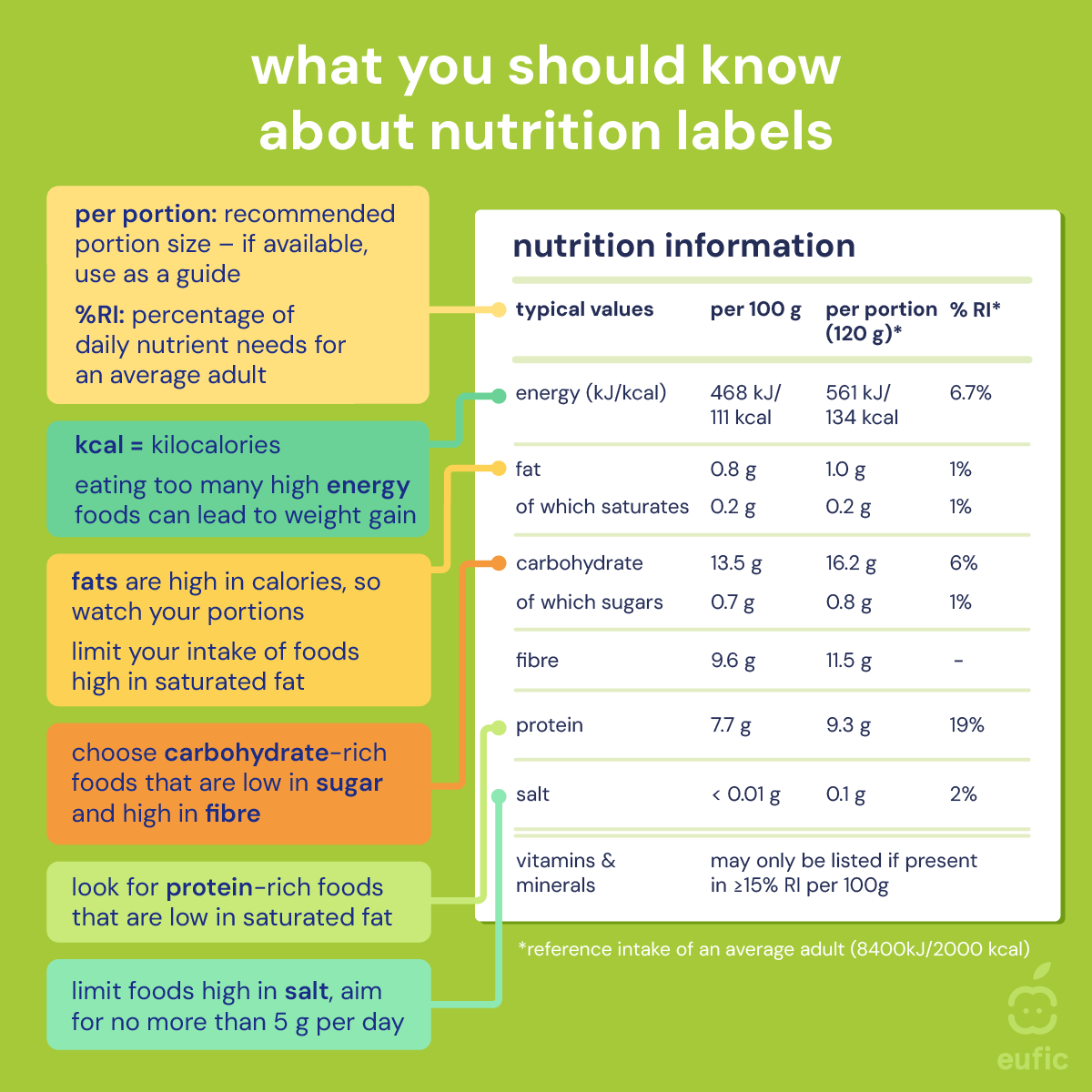
In the EU, almost all pre-packaged foods, with a few exceptions, must show #NutritionInformation.
That label is your tool for comparing products and making healthier choices.
Learning to read it puts you in control of what goes in your trolley. 🛒👇
Let me repeat this clearly and again. The moment you step out of your house, your office, or your market stall, you enter a road network filled with variables you cannot control. In that environment, your safety depends entirely on the state’s ability to manage those variables. This is precisely why the global road safety framework is built on the Safe Systems approach which is an approach that requires government to control and coordinate every element of the system, not blame individuals for outcomes they cannot influence.
The Safe Systems Approach starts from one non‑negotiable principle: Human beings will make mistakes which means the system must be designed so those mistakes do not become fatal.
Uganda’s bus crashes happen because the system allows predictable human errors to escalate into mass‑casualty events
1. System Design Control: the real root cause
Uganda’s highways are narrow, undivided, and lack forgiving features. This means:
⏩️No median barriers → a single overtaking mistake becomes a head‑on collision.
⏩️No shoulder recovery space → buses veer off the road and roll over.
⏩️No speed‑calming infrastructure → buses travel at 100–120 km/h on roads designed for 60–80 km/h.
⏩️No protected overtaking zones → drivers must guess when it is safe.
In Safe Systems logic, this is the primary failure.
Drivers are operating in an environment where one mistake = mass death.
2. Safe Vehicles: buses are not engineered for crash survival. Ugandan buses often lack:
⏩️Electronic stability control
⏩️Rollover protection
⏩️Seatbelts
⏩️Crash‑worthy structures
A Safe System assumes crashes will happen so vehicles must absorb energy and protect occupants. Uganda’s fleet does not.
3. Safe Road Users: predictable human behaviour, not “bad drivers”. Careless overtaking and speeding dominate crash statistics because:
⏩️Drivers are pressured by owners to arrive faster.
⏩️Night travel is incentivised by business models.
⏩️Enforcement is sporadic and easily bypassed.
Safe Systems treats this as normal human behaviour under pressure, not moral failure. The system must anticipate it and neutralise its consequences.
4. Post‑Crash Response: deaths occur because rescue is slow. Many bus crashes become fatal because:
⏩️Ambulances arrive late or not at all.
⏩️Victims are transported in pickups or taxis.
⏩️Trauma care capacity is limited.
Safe Systems requires rapid, professional post‑crash care to prevent survivable injuries from becoming deaths.
Synthesis: What actually causes bus crashes in Uganda?
Under Safe Systems, the cause is not drivers. The cause is a system that guarantees driver mistakes will lead to fatalities.
Uganda’s bus crashes are the predictable outcome of:
⏩️High‑speed buses
⏩️On narrow, unforgiving roads
⏩️With weak enforcement
⏩️In poorly crash‑worthy vehicles
⏩️At night
⏩️With slow emergency response
This is why the same crash patterns repeat every time, year after year without anyone taking full responsibility. FOR GOD AND MY COUNTRY.
@regisdietitian I fall back on my water. But the mix of herbal tea lemon water and Palin water that I learnt from you and Patrick. I always get back and meet or come close to my 3ltrs.
📌
QUOTE: "Freedom of speech is a right of the people and not a favour from the [Ugandan] government."- Yoweri Kaguta Museveni at UNLF public rally. Uganda Times, February 28, 1980
#JournalismIsNotAcrime#BoldVoices
“A 12-month moderate-to-vigorous aerobic exercise intervention that improved cardiorespiratory fitness also reduced the stress-related biomarker, hair cortisol, but not other indicators of psychological stress and negative emotion processes implicated in CVD risk.”
Relevance to Nutrition therapy: clients with stress are prone to depression and depression negatively affects compliance to nutrition interventions.
A person with depression is more likely to say;
I failed to eat healthy last week so I will never eat healthy. ( all or nothing thinking) This creates a mental barrier to starting or resuming life saving nutrition therapy.
My take home: exercise is a multiple benefit lifestyle therapy ( the study adds evidence of its impact on cortisol levels) but clients will still need other stress management strategies.
Source:
https://t.co/KHAFwZNO0i
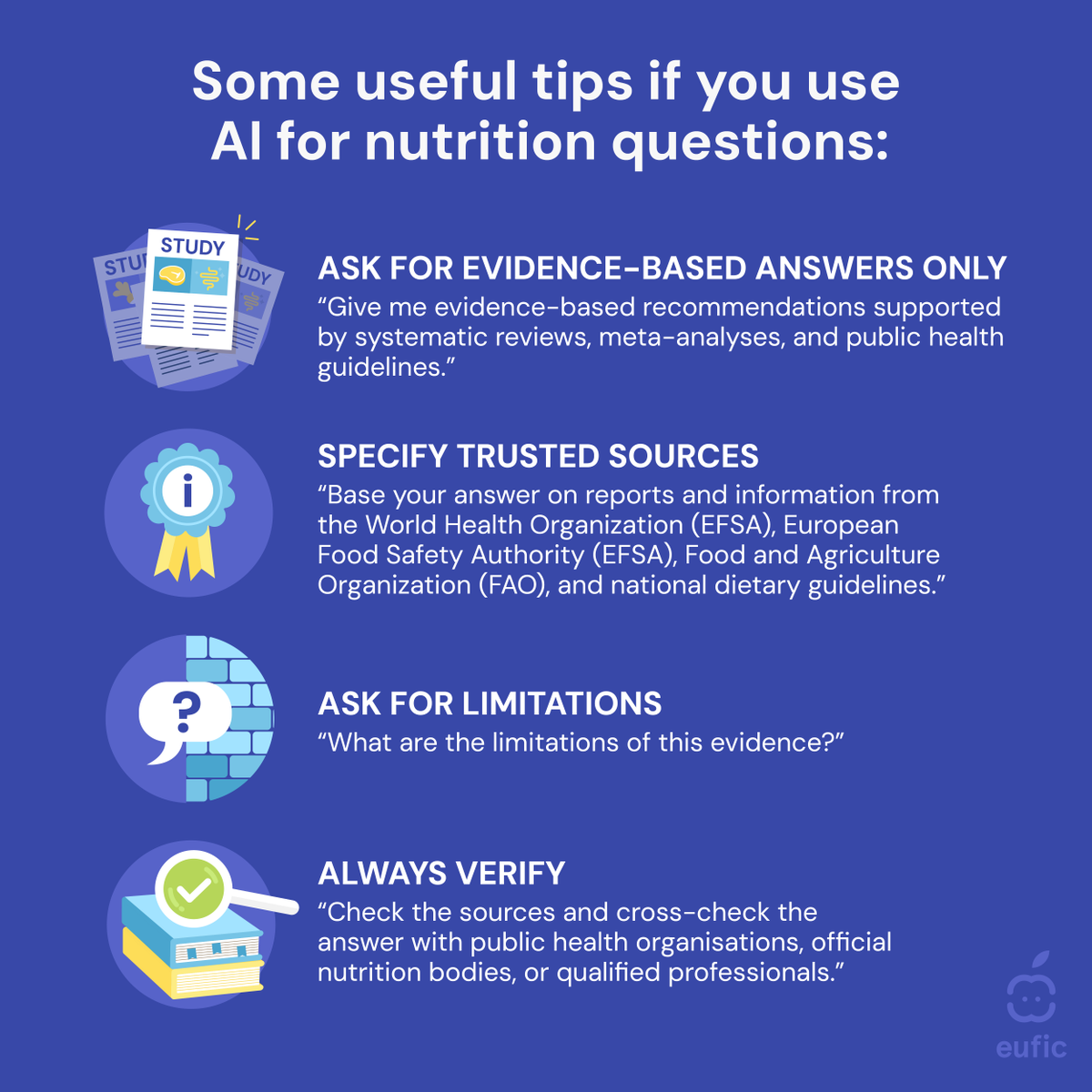
Using #AI for #nutrition advice? 🤖
⚠️ AI can be helpful, but it’s not always a source of truth.
👉 Ask for evidence, choose trusted sources & look at the limitations.
When it comes to your own needs, a qualified dietitian/nutritionist can help turn information into action.
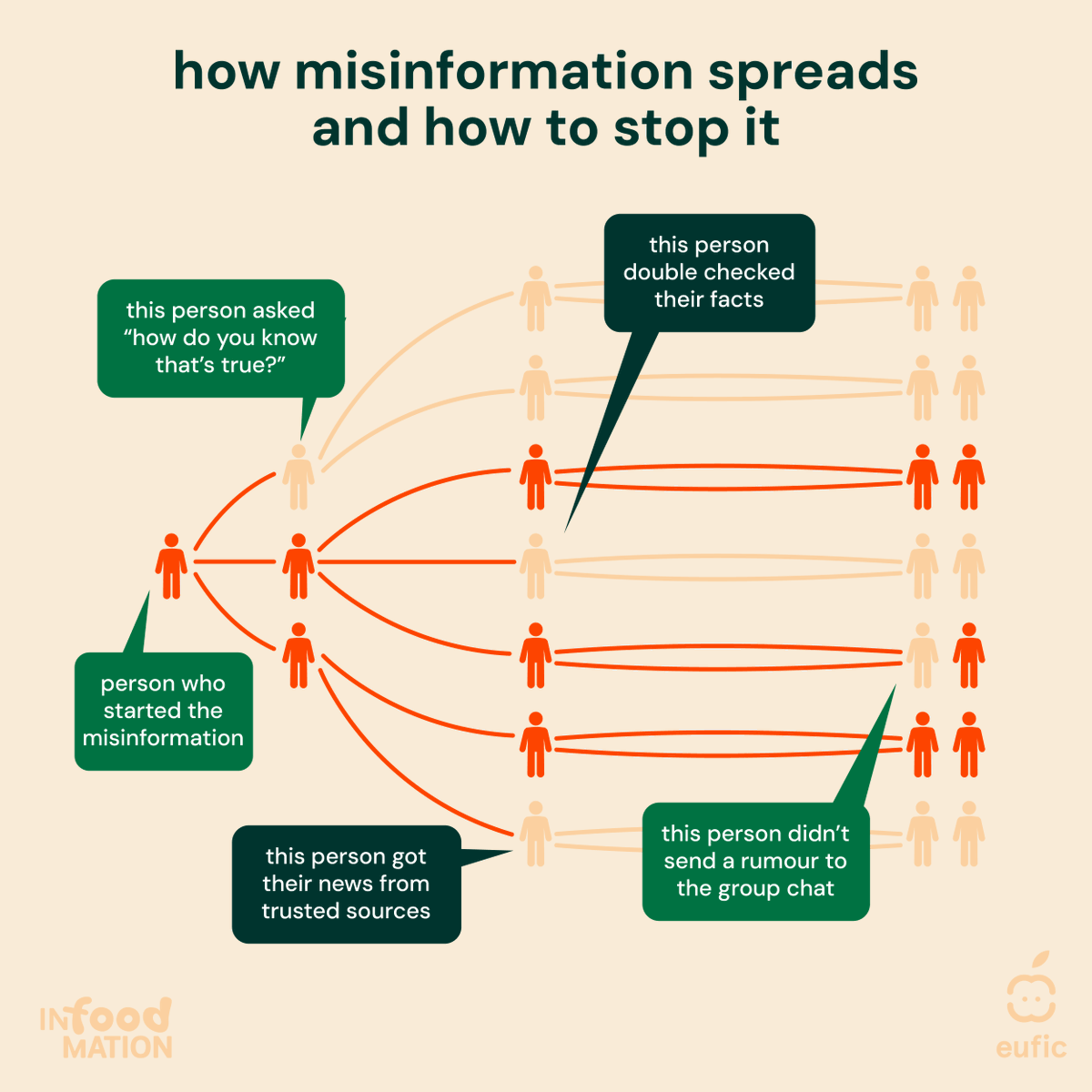
We all play a role in limiting #misinformation 👀
🚦Before sharing, pause and think:
👉 What is the source? Do they have relevant credentials?
👉 How strong is the evidence behind the claim?
👉 Is there missing context?
#Infoodmation
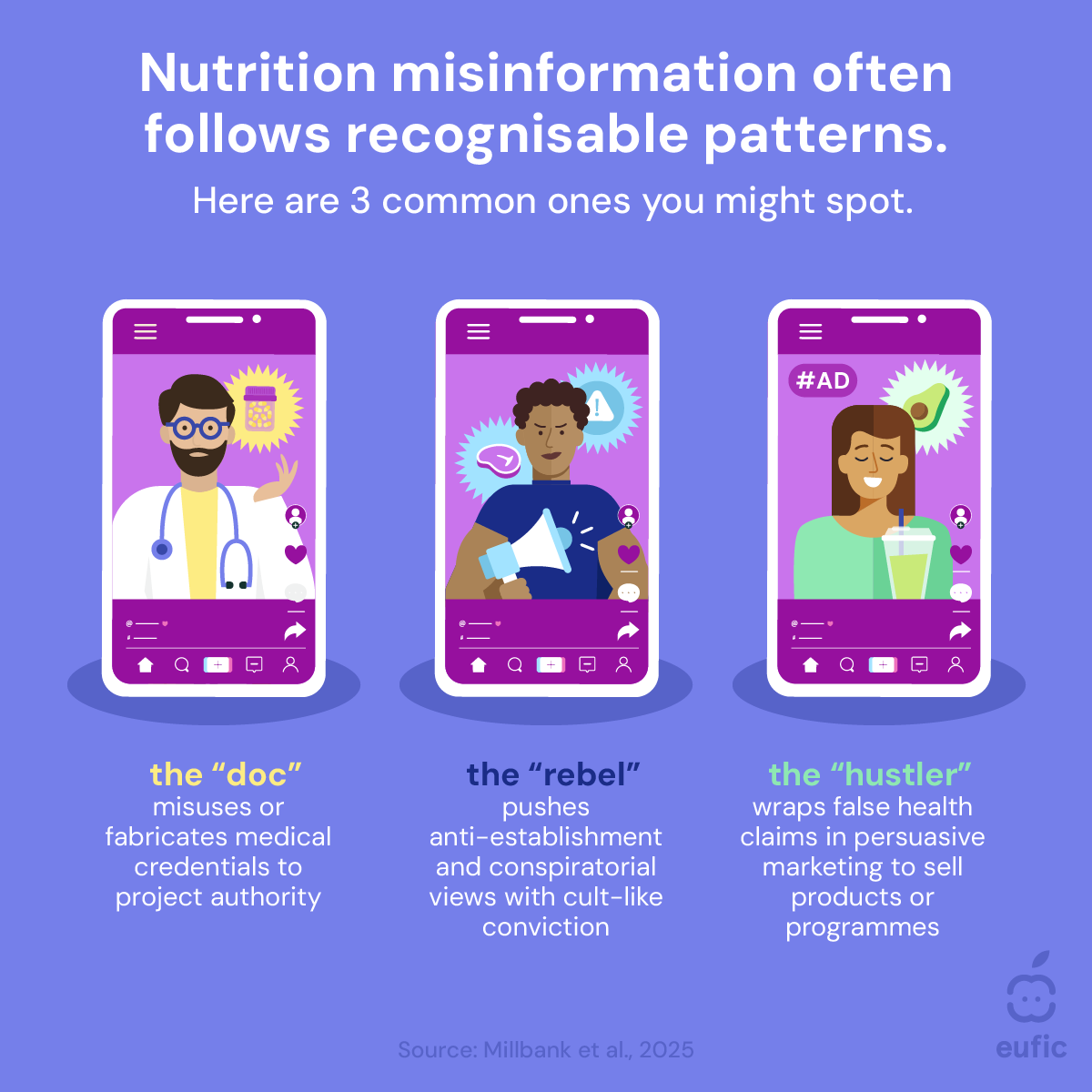
Ever noticed how some health & nutrition advice online feels… familiar?
That’s because #misinformation often follows similar patterns, just with different faces.
📱 Recognising the signs makes it easier to spot what’s credible.




![DailyMonitor's tweet photo. 📌
QUOTE: "Freedom of speech is a right of the people and not a favour from the [Ugandan] government."- Yoweri Kaguta Museveni at UNLF public rally. Uganda Times, February 28, 1980
#JournalismIsNotAcrime
#BoldVoices https://t.co/o625ahAMaw](https://pbs.twimg.com/media/HK86LduWAAEnOBz.jpg)